
Filter and sort
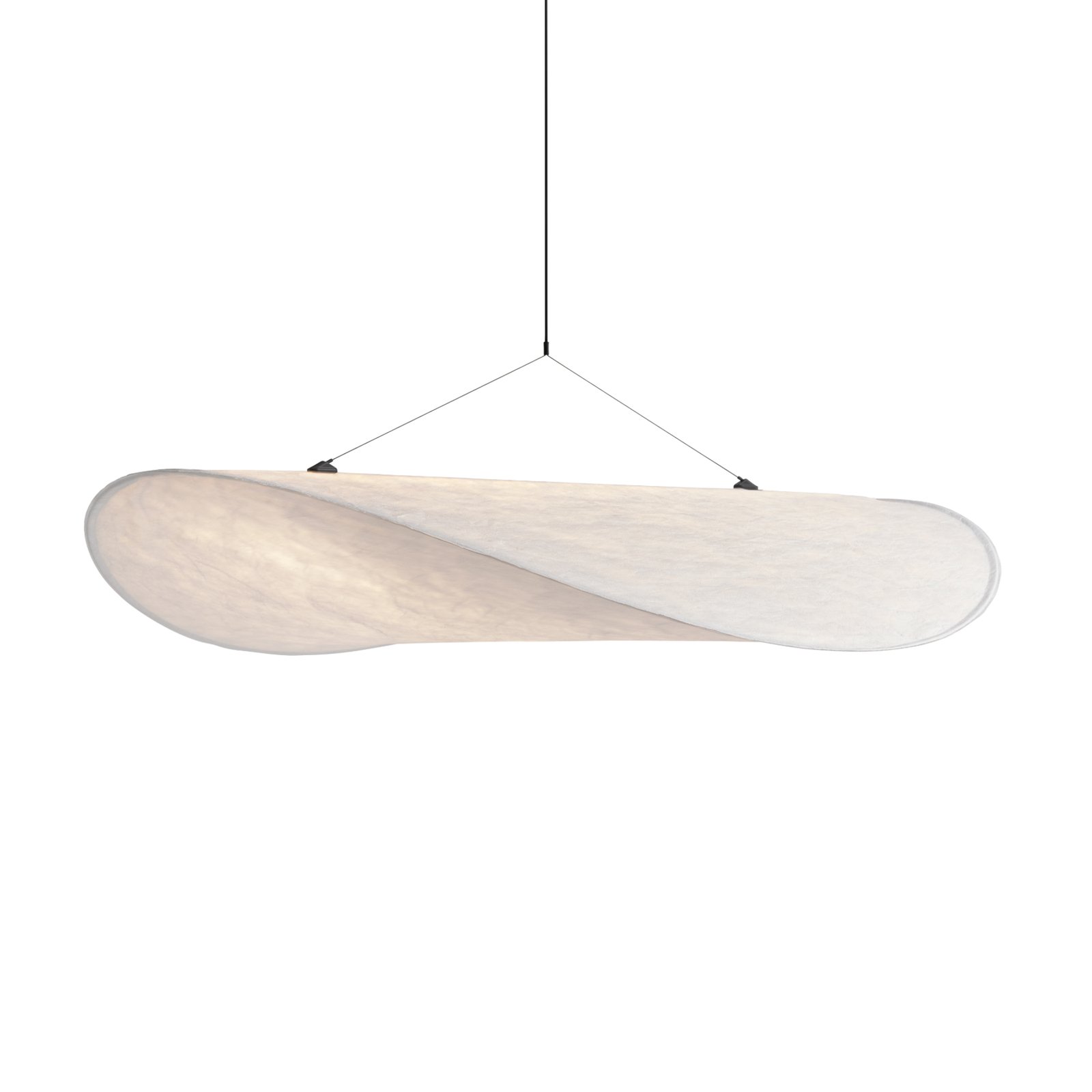
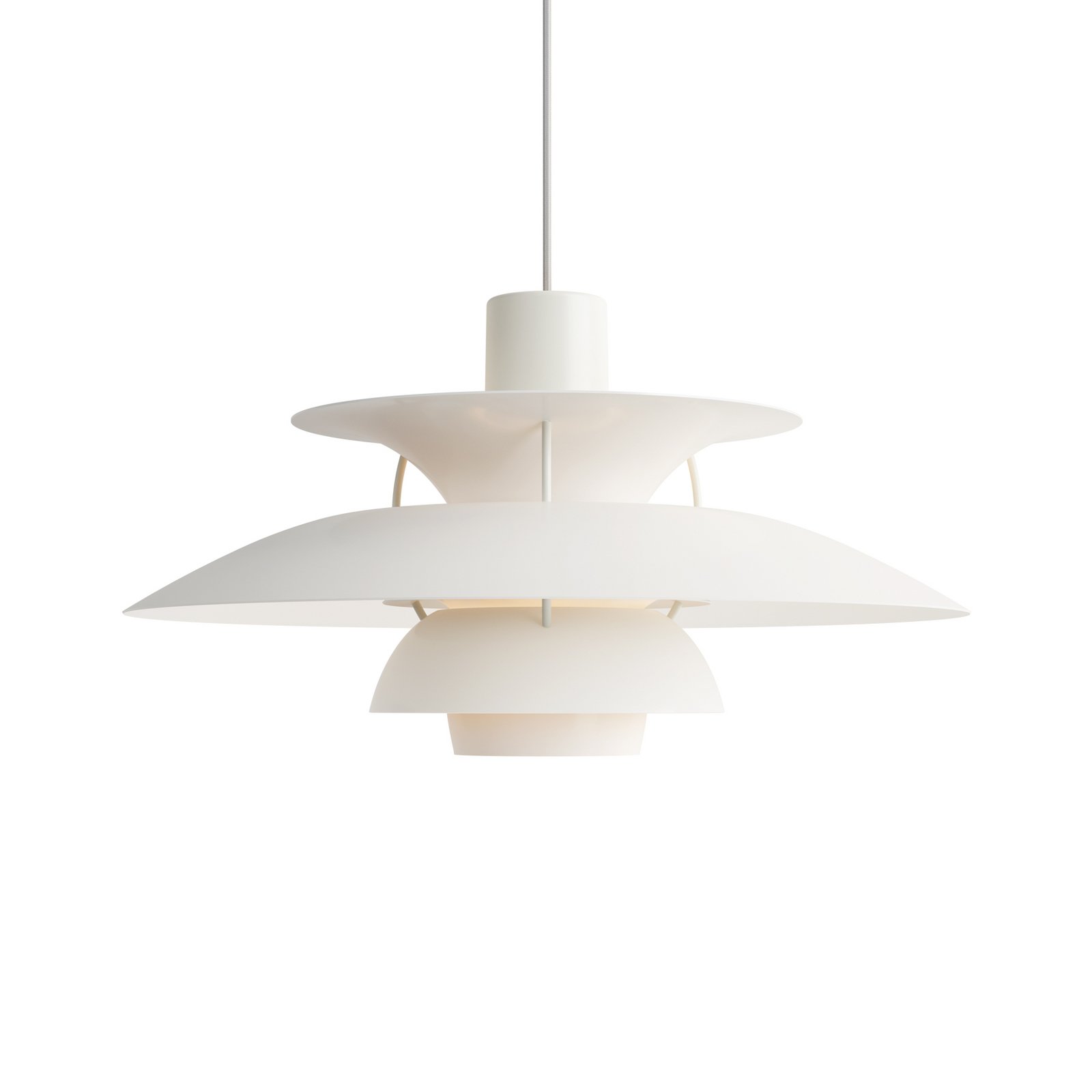
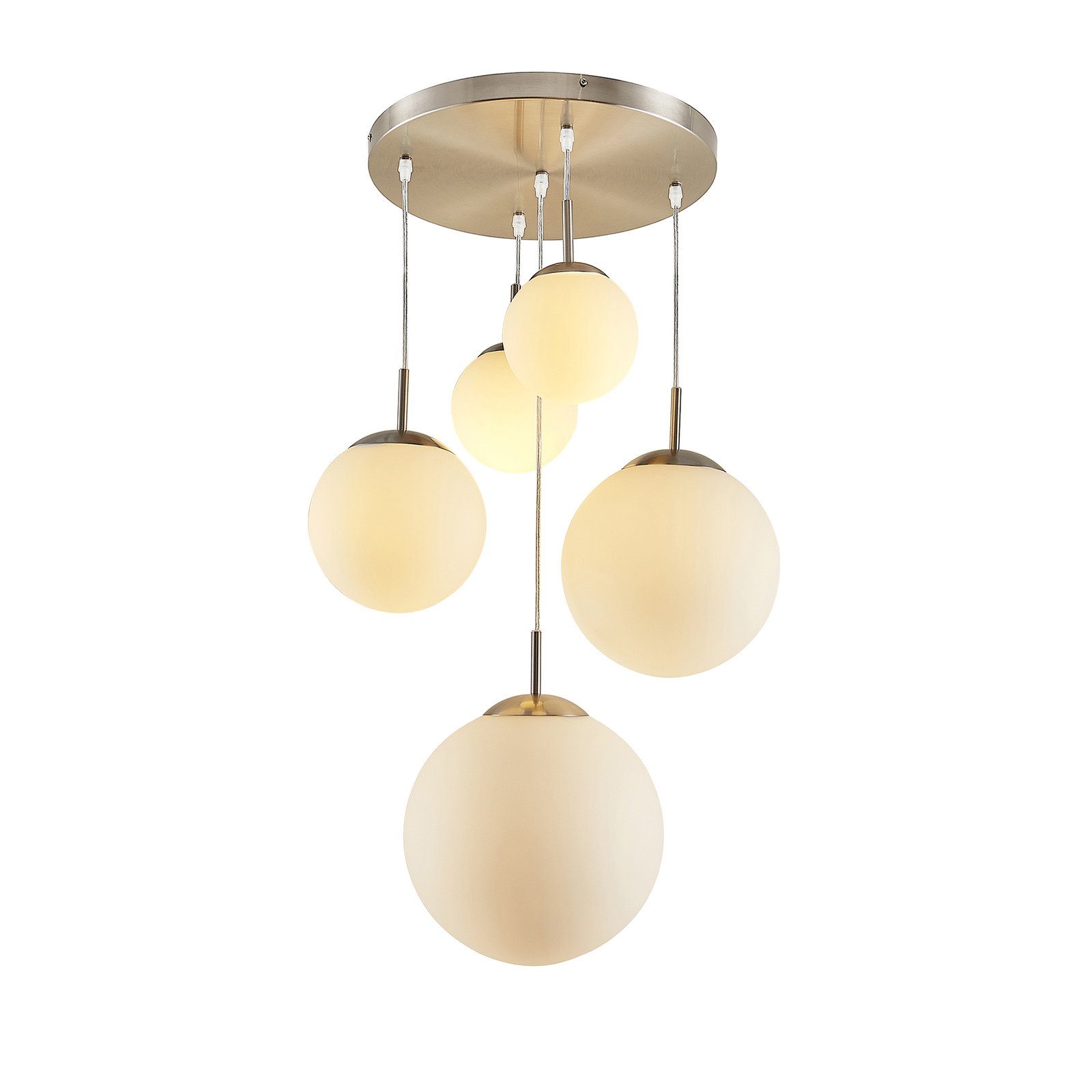
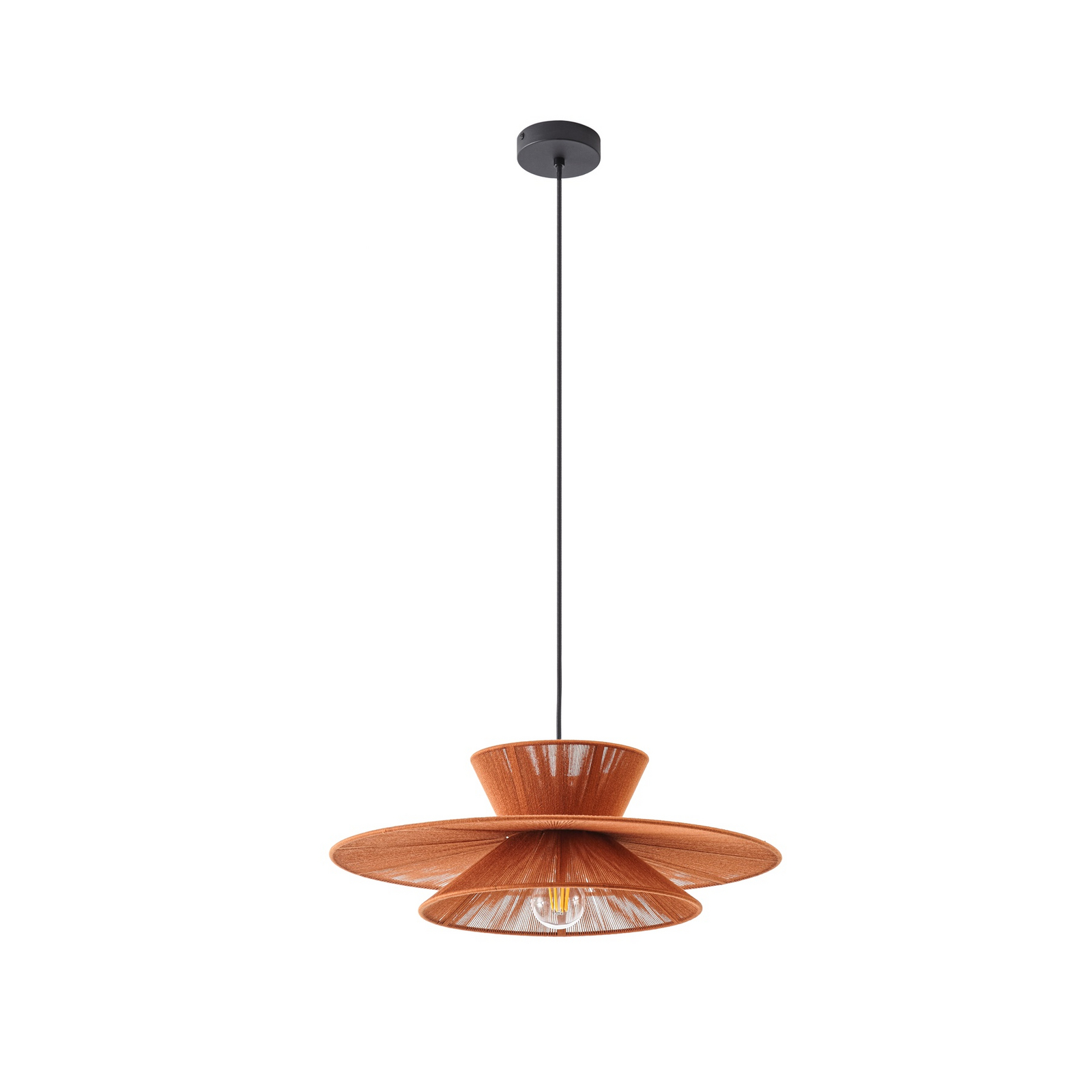
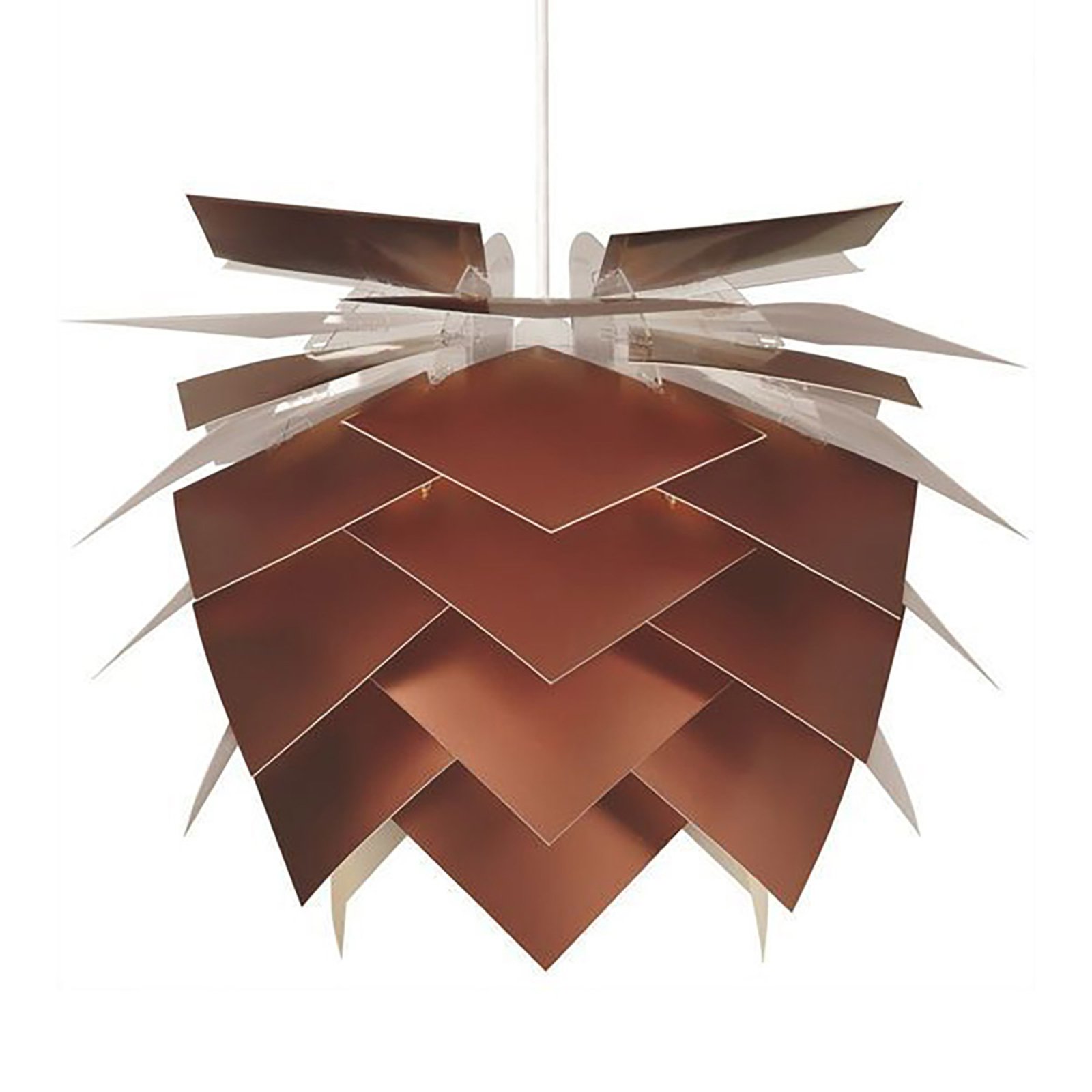
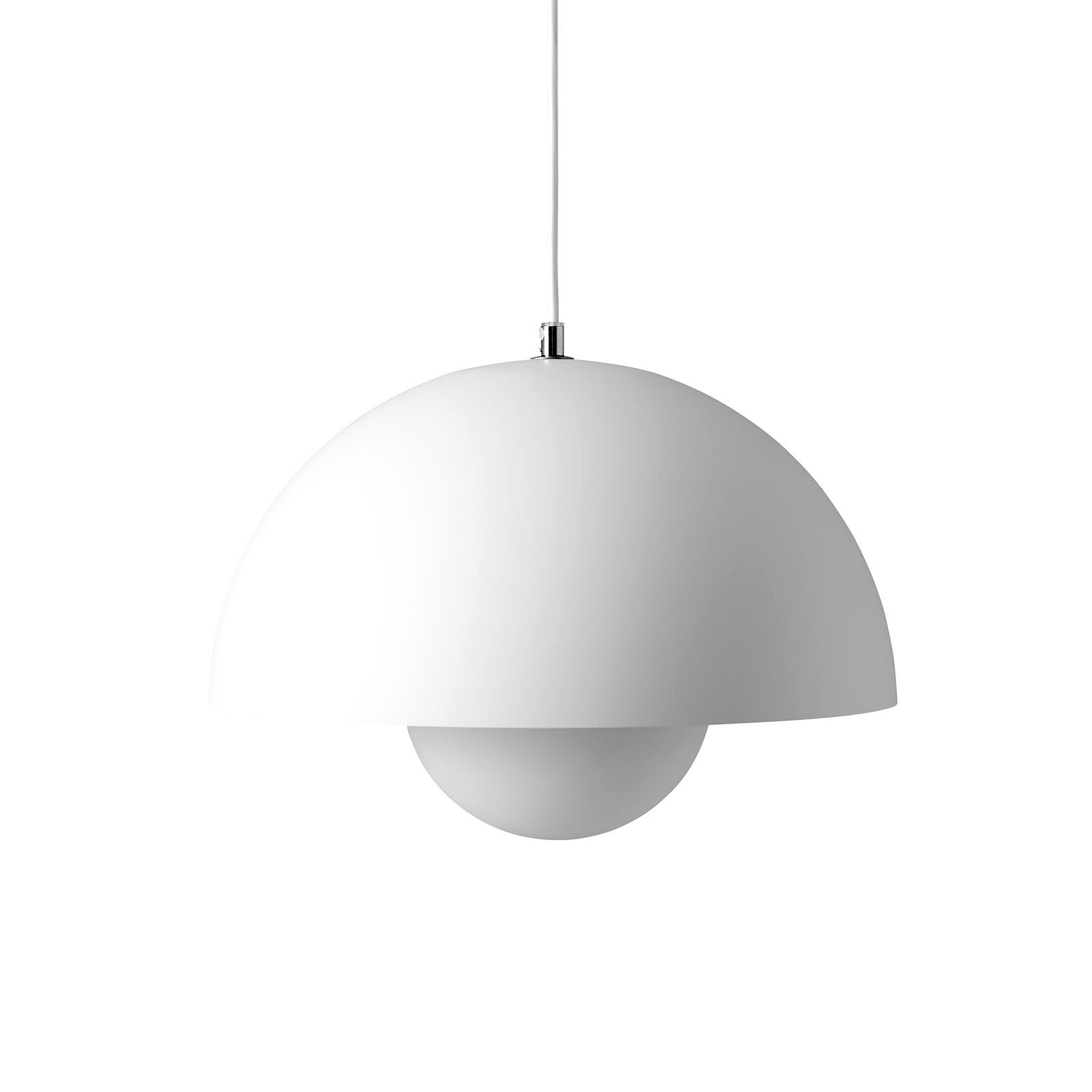
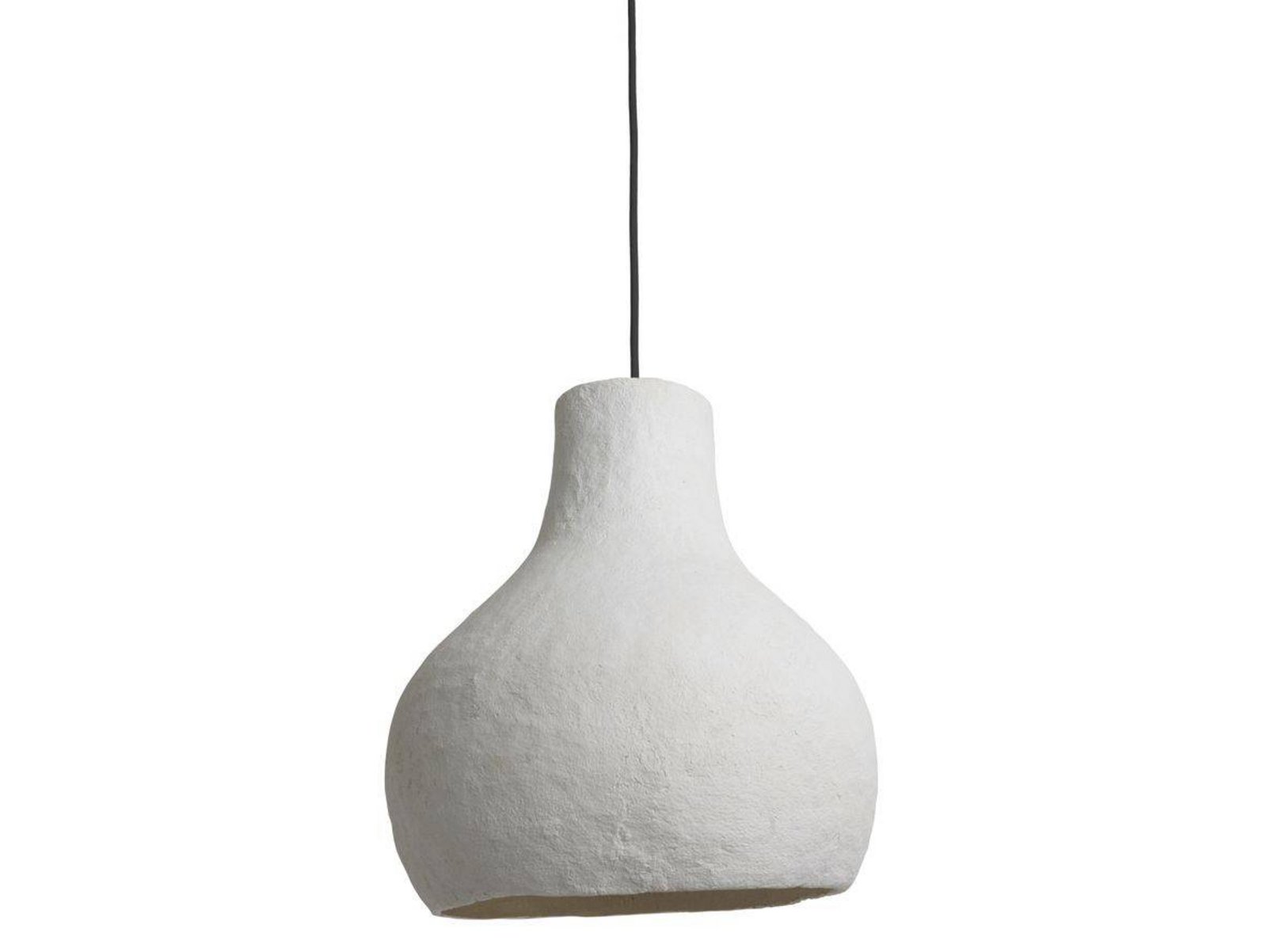
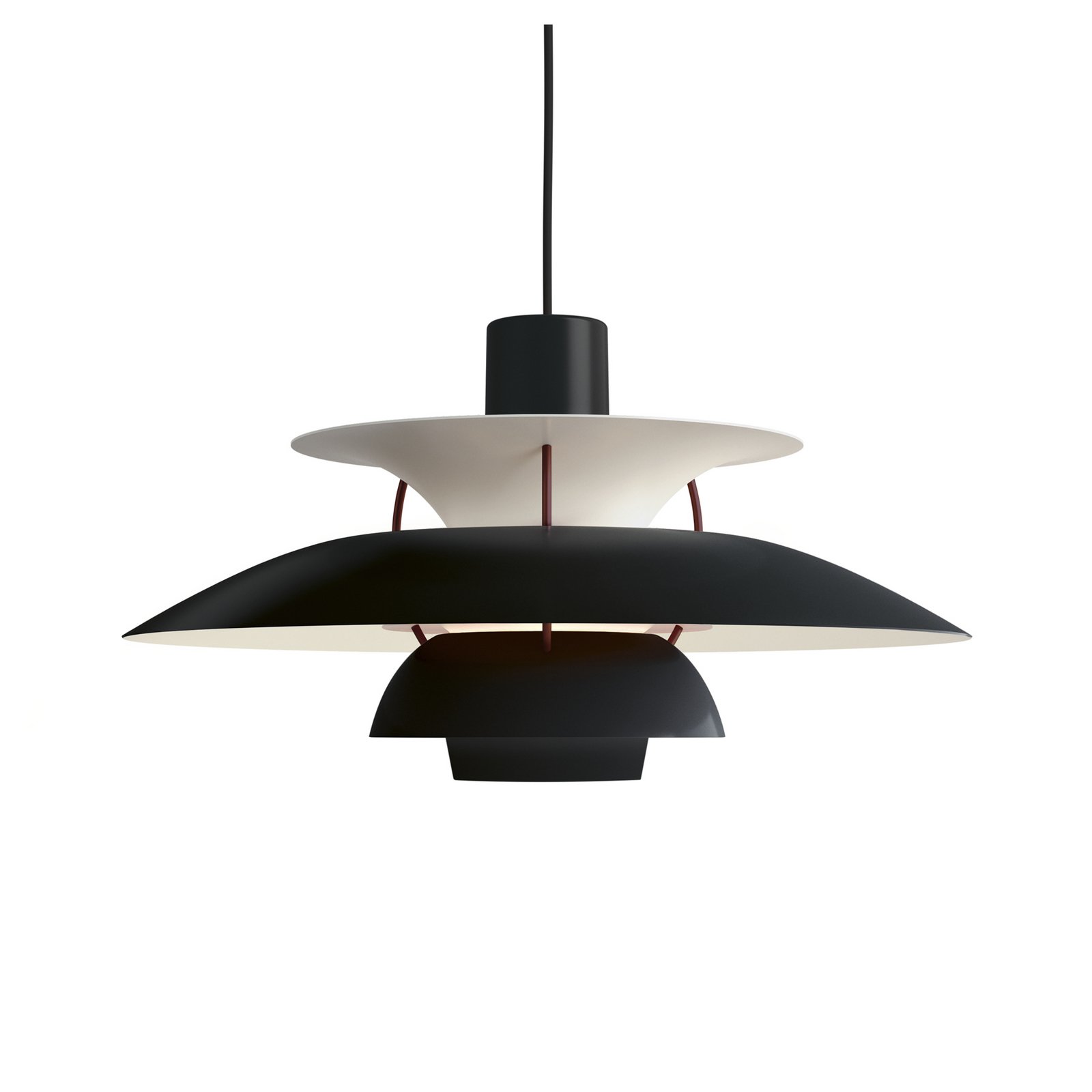
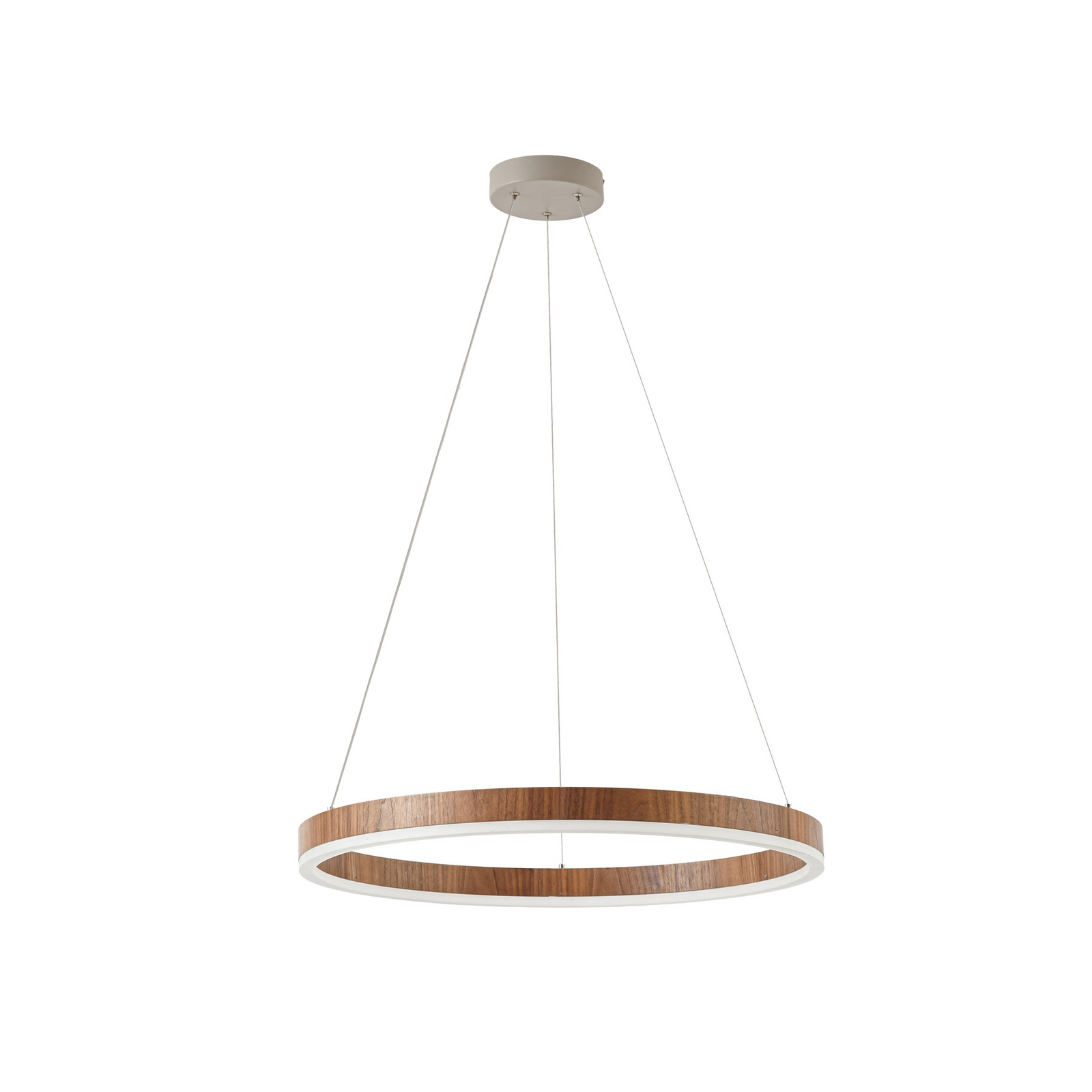
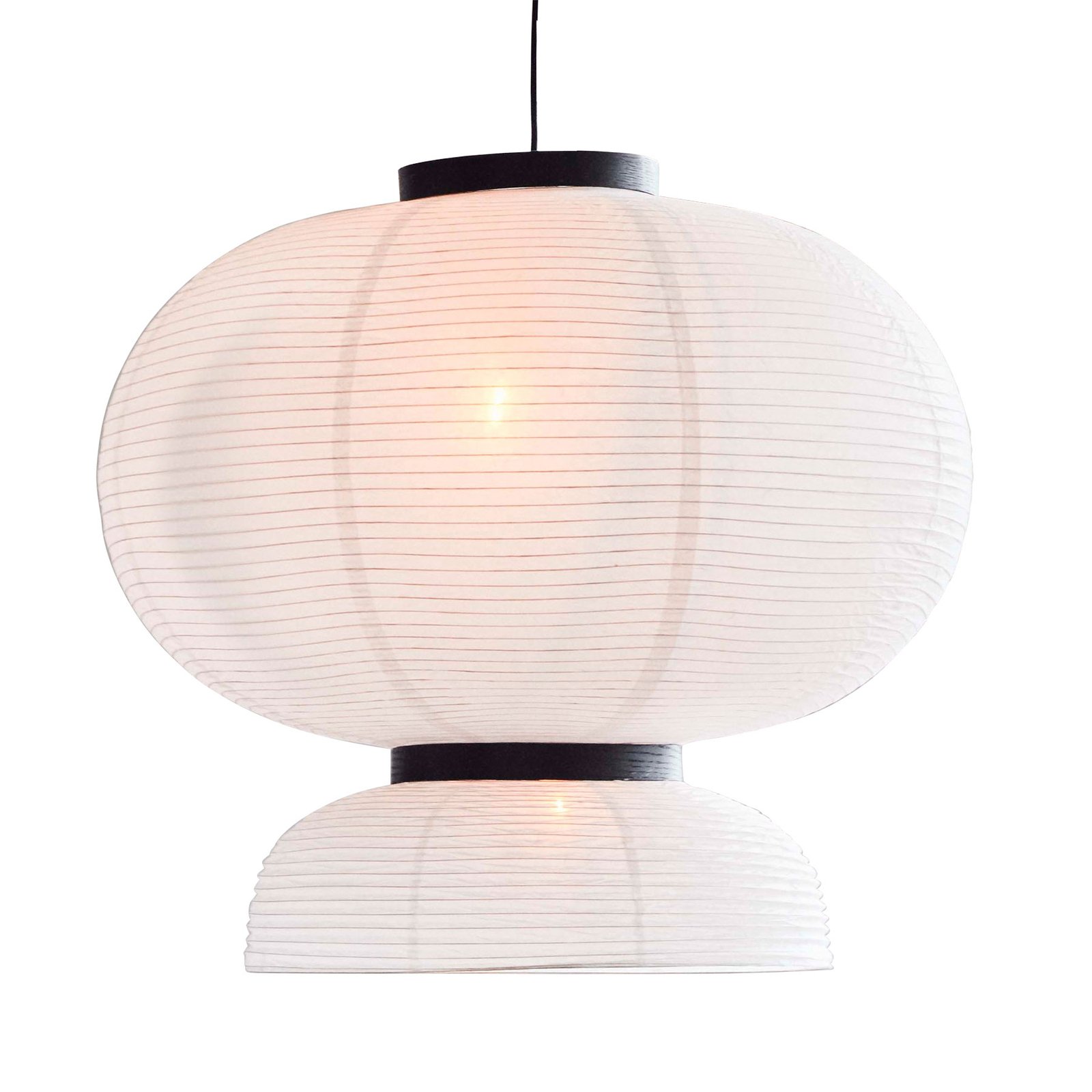
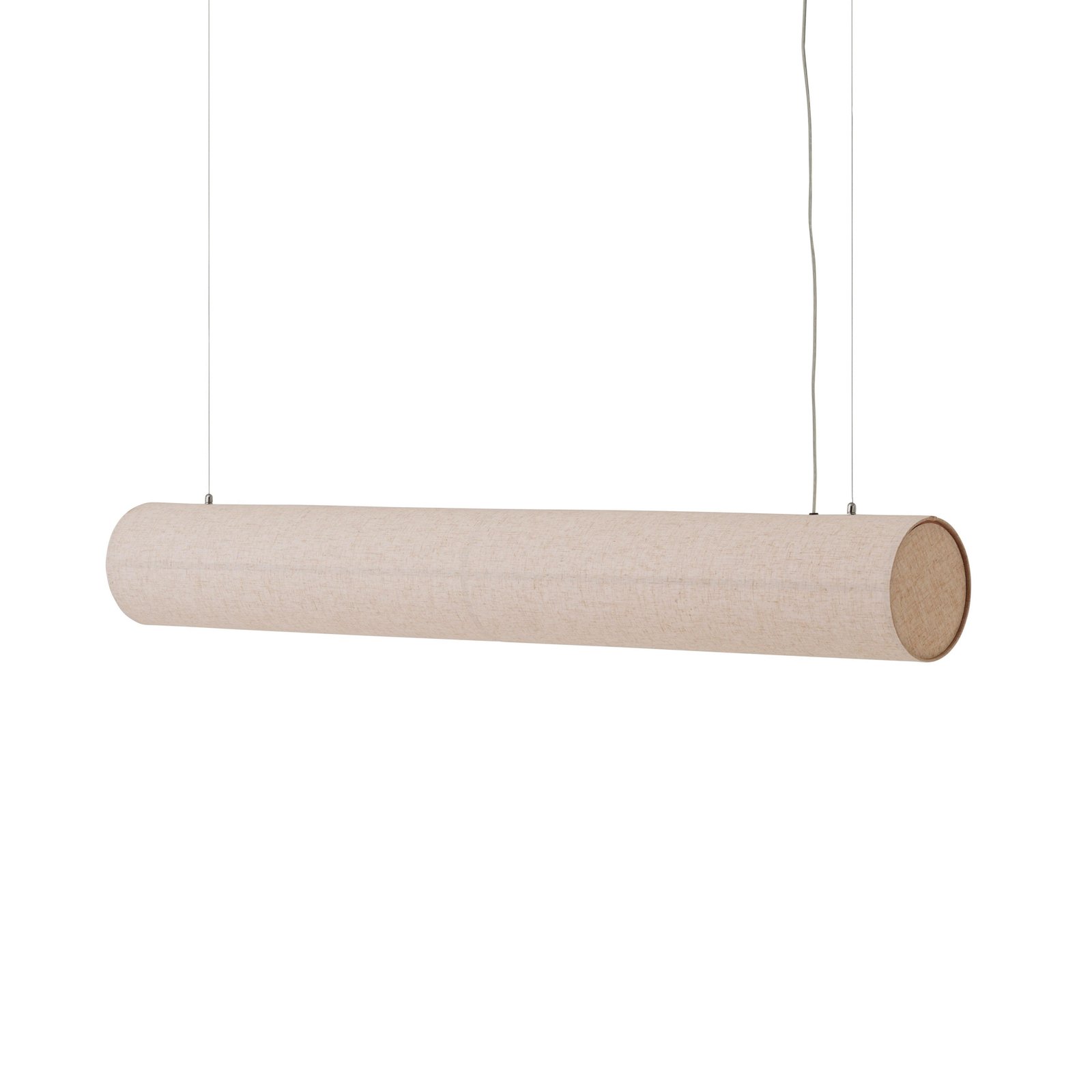
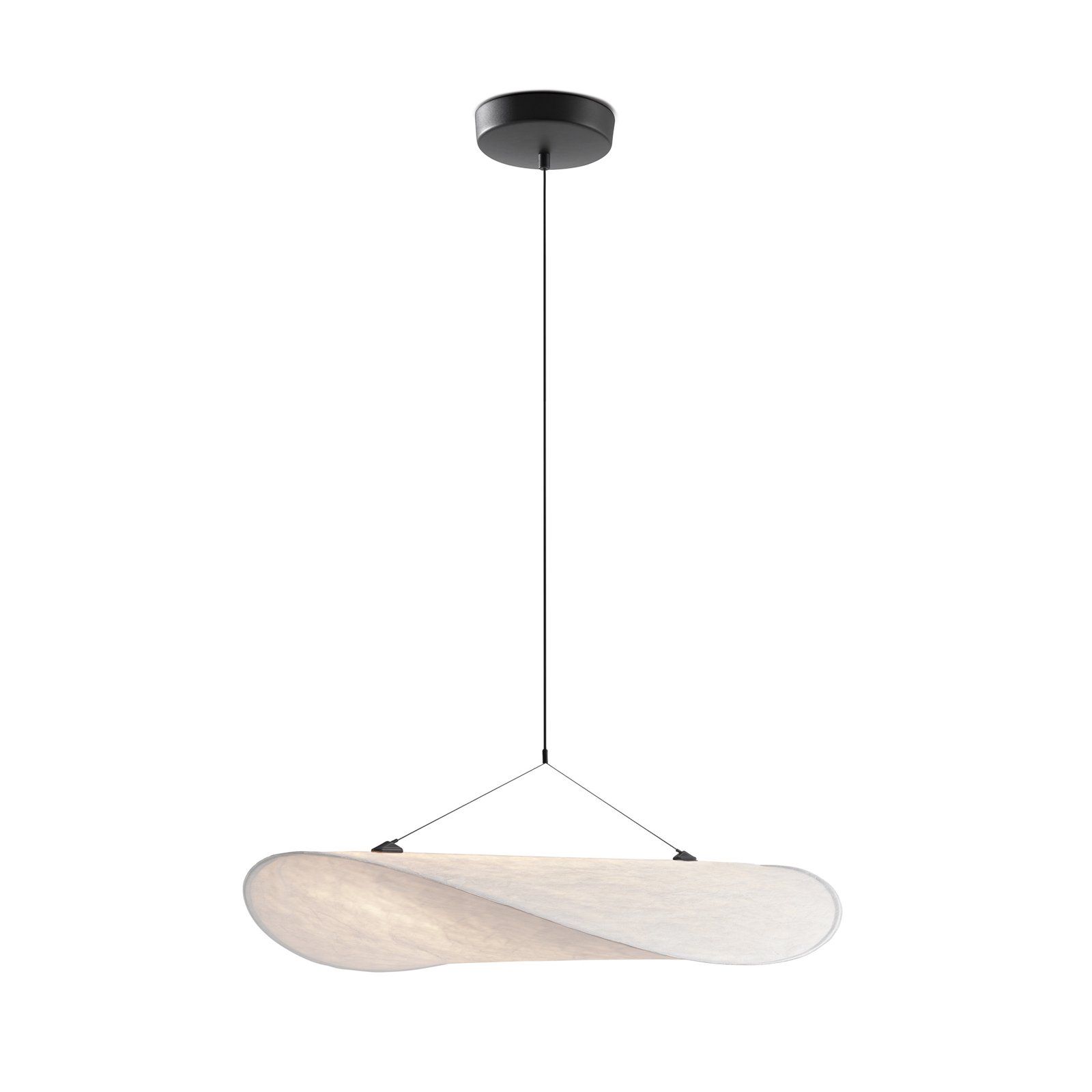
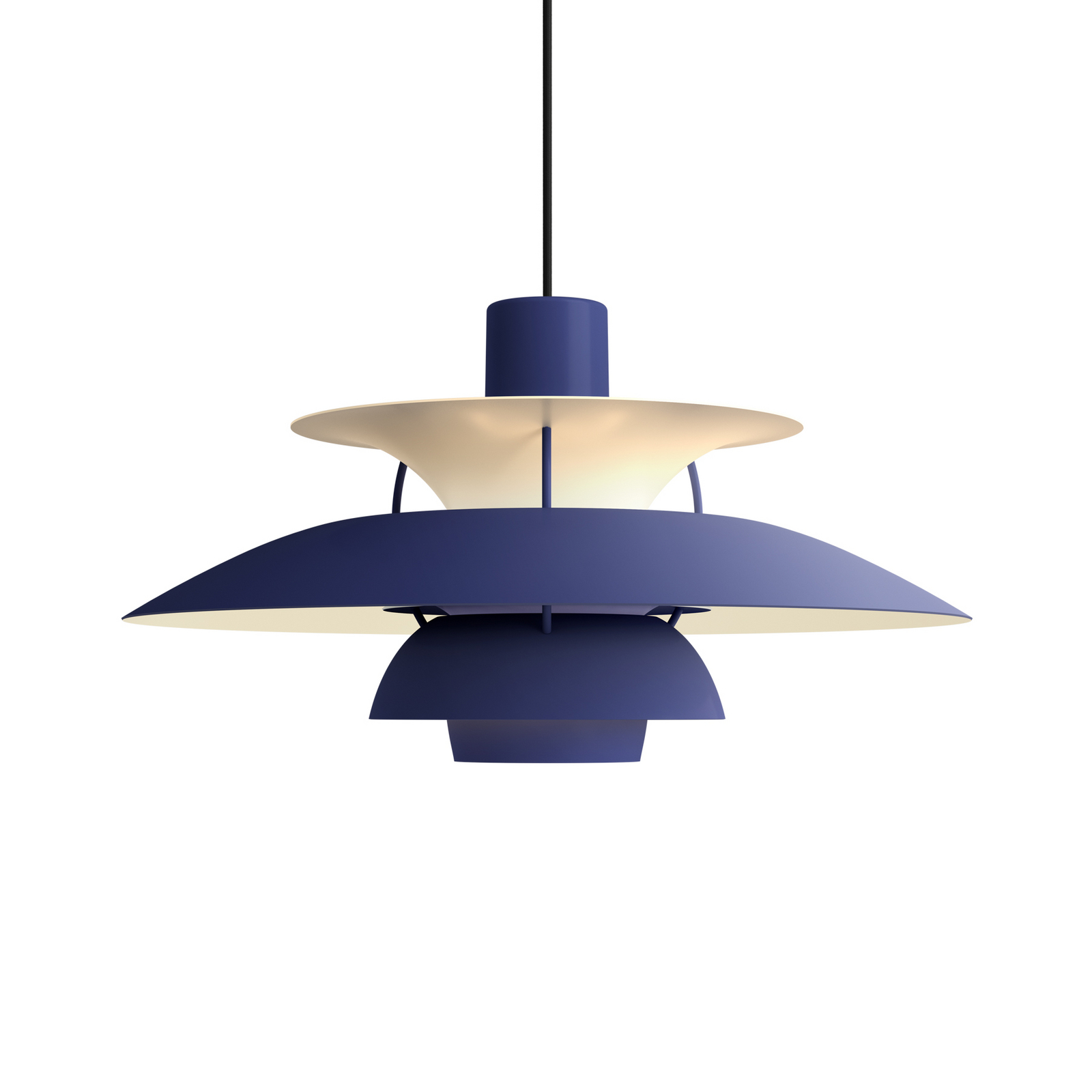
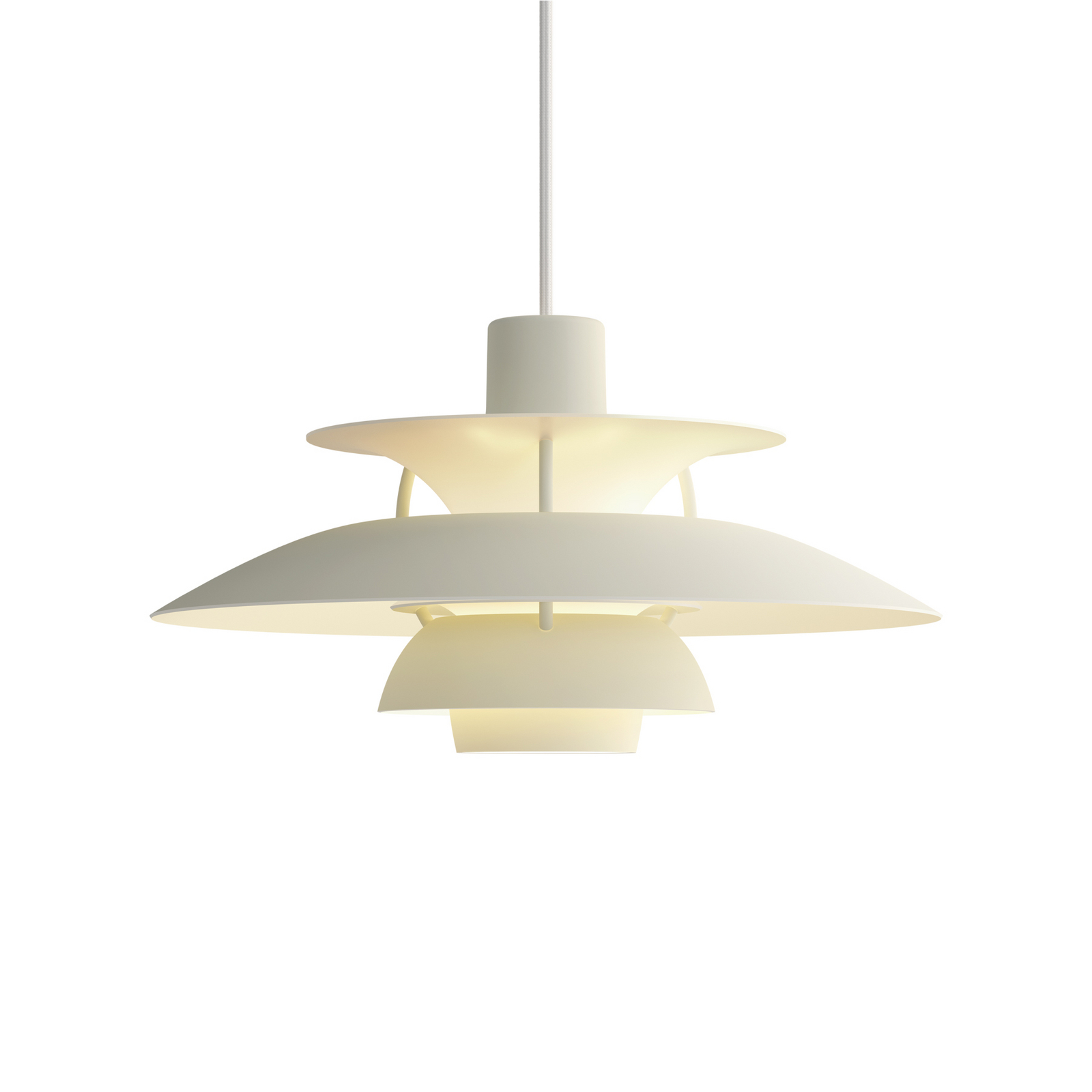
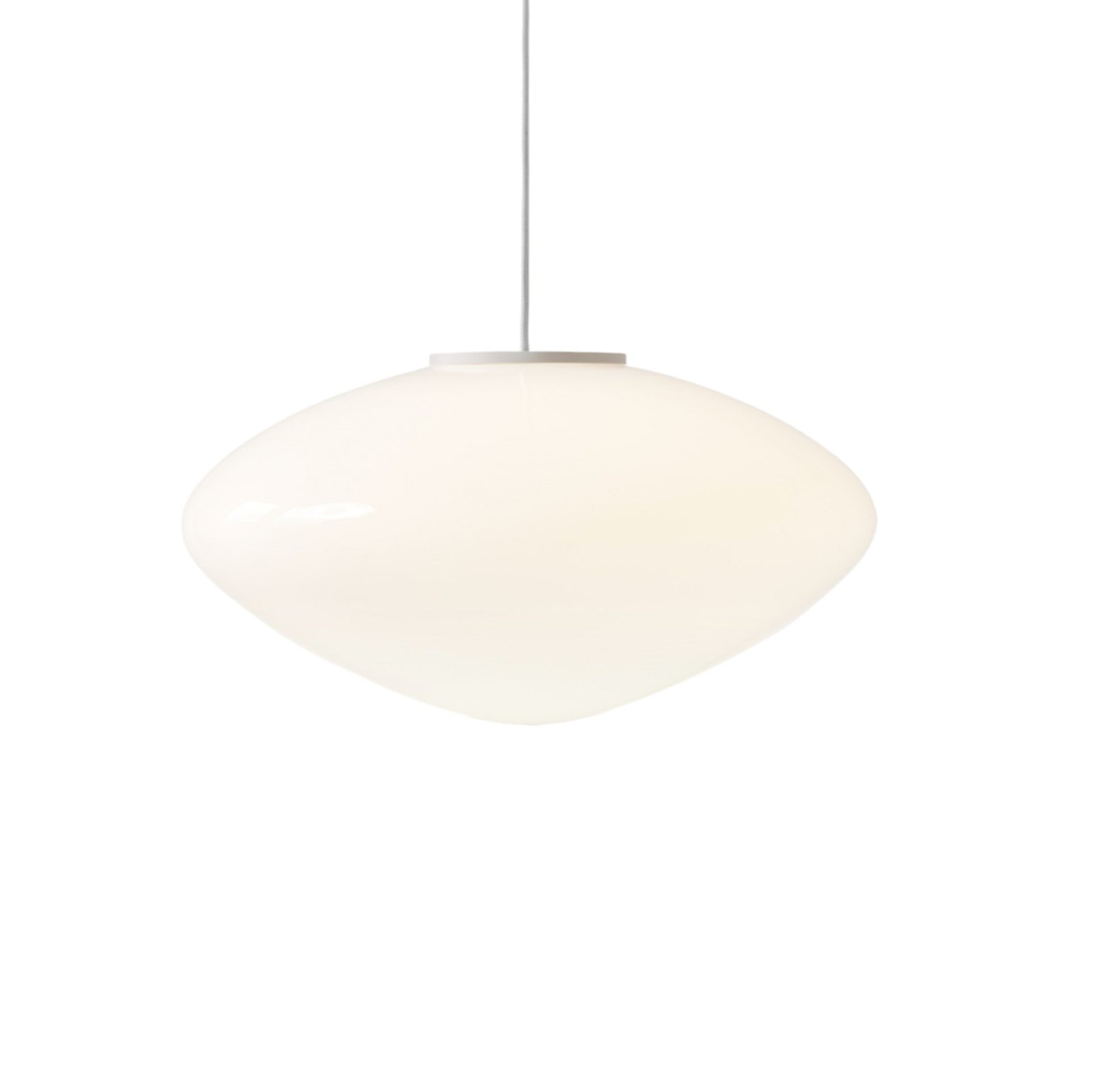

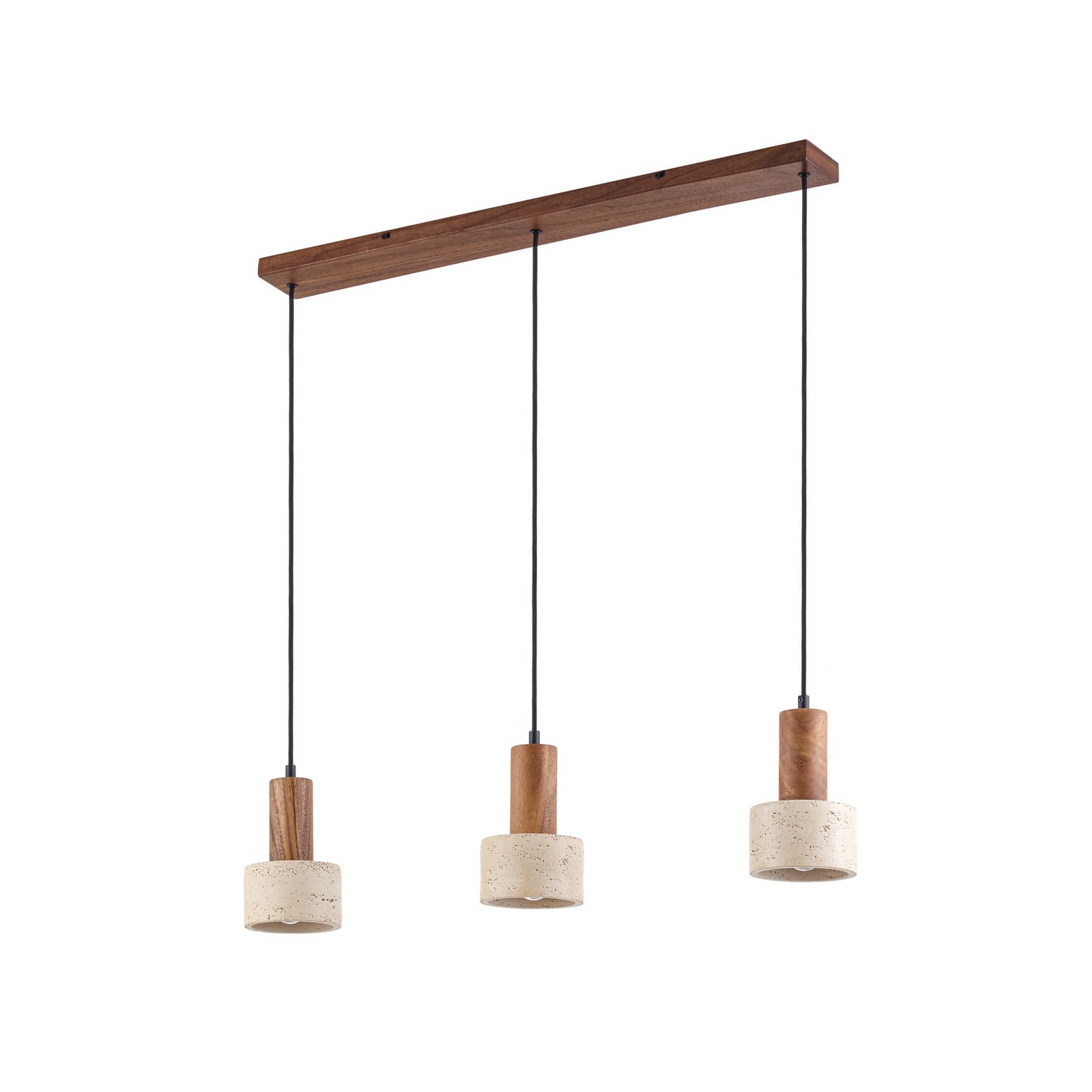
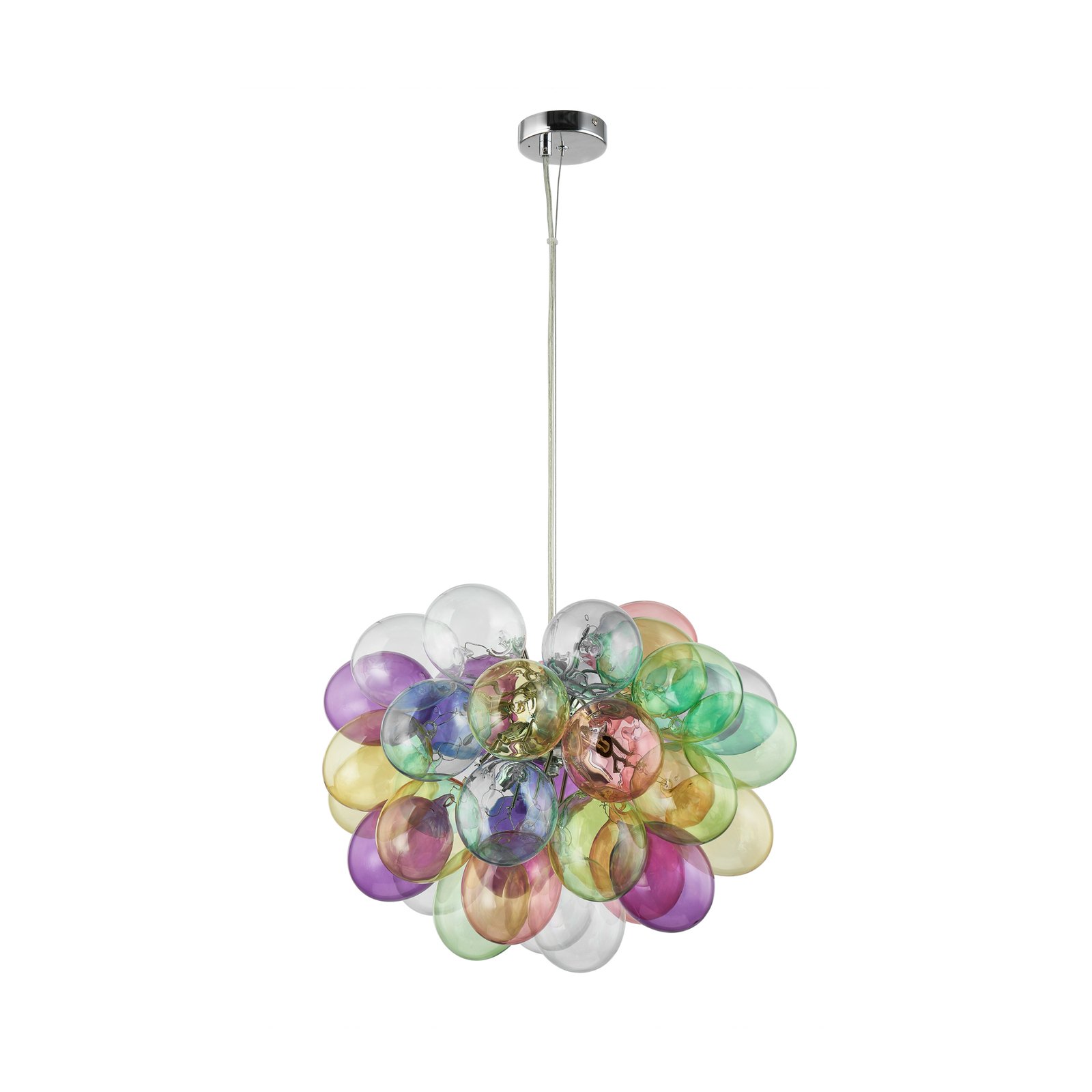
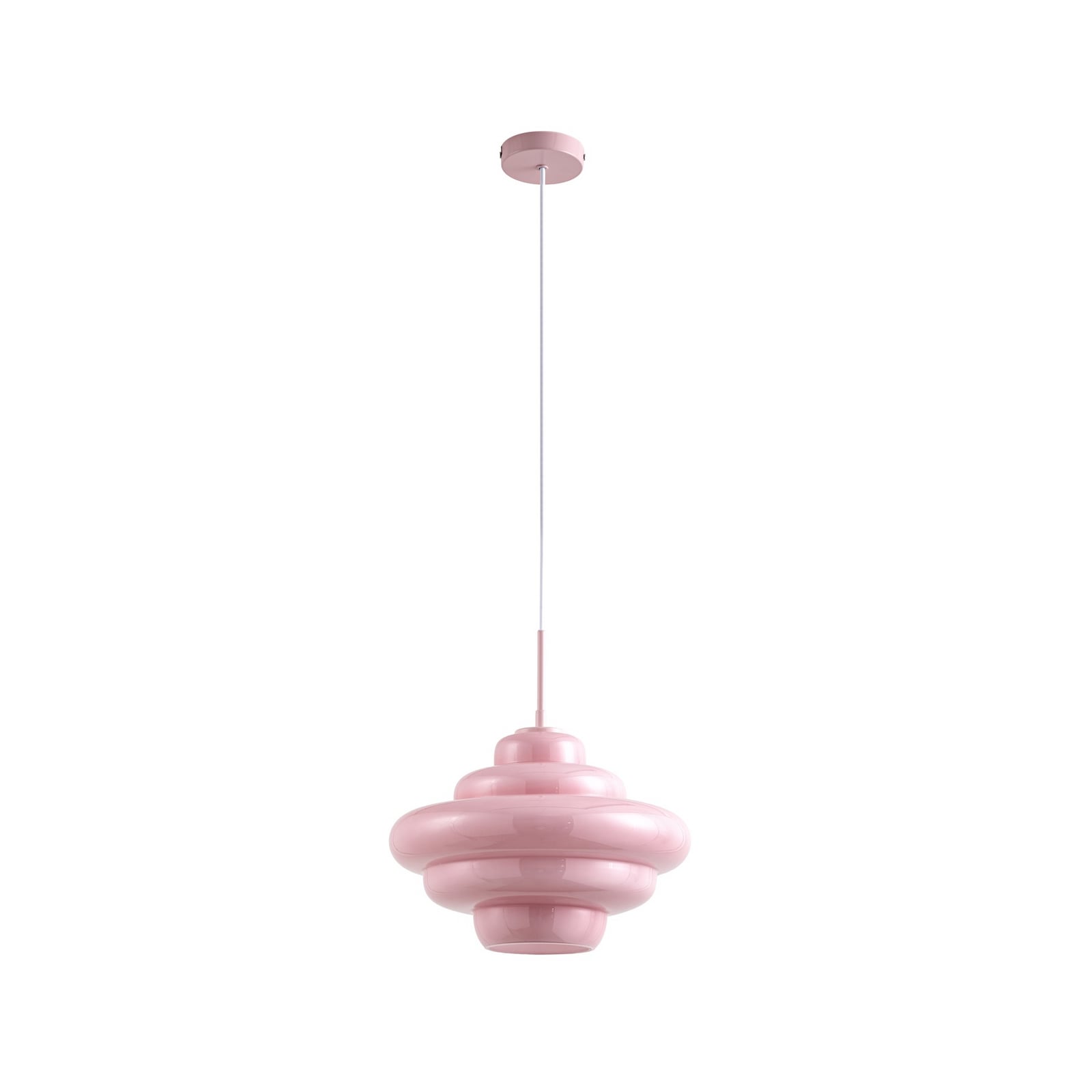
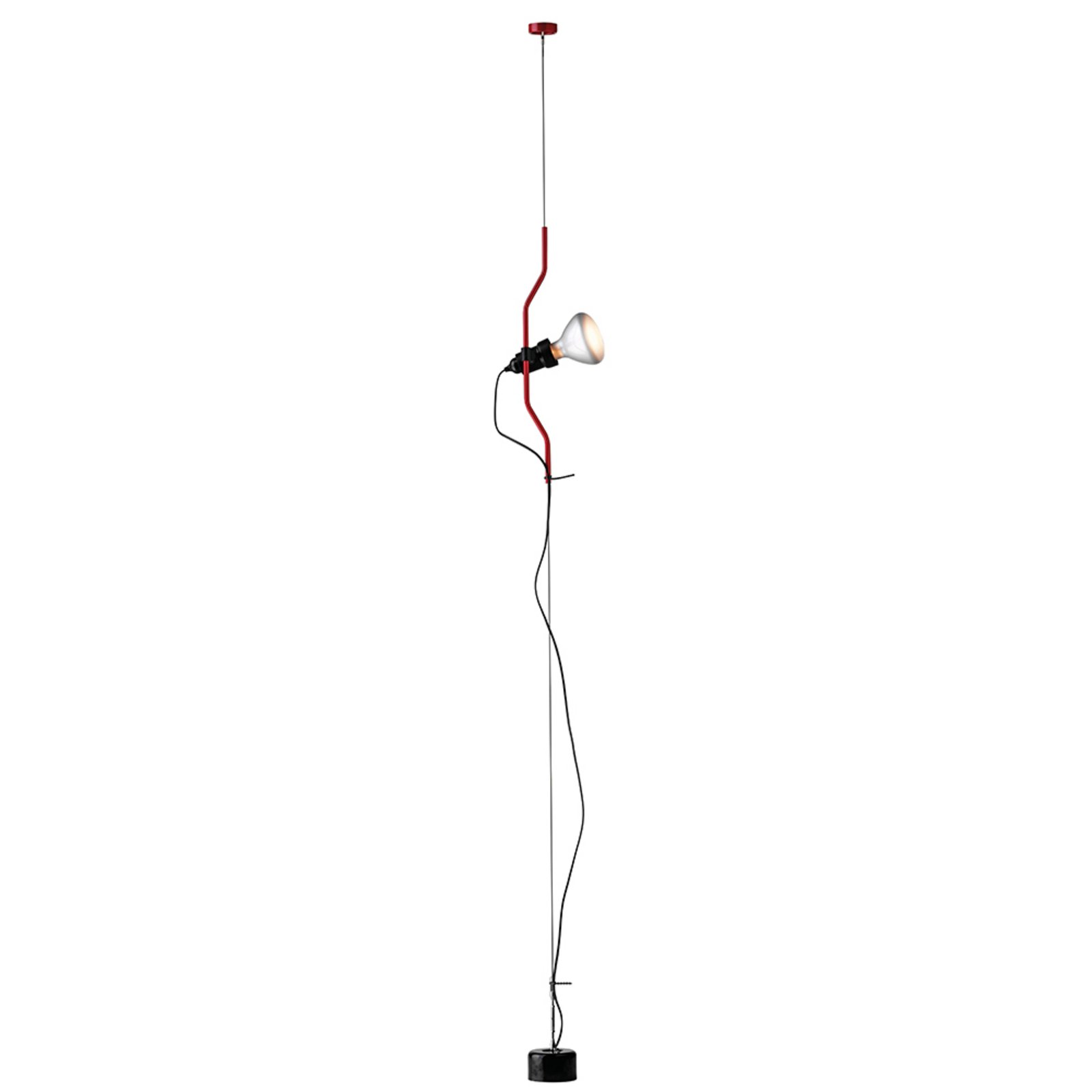
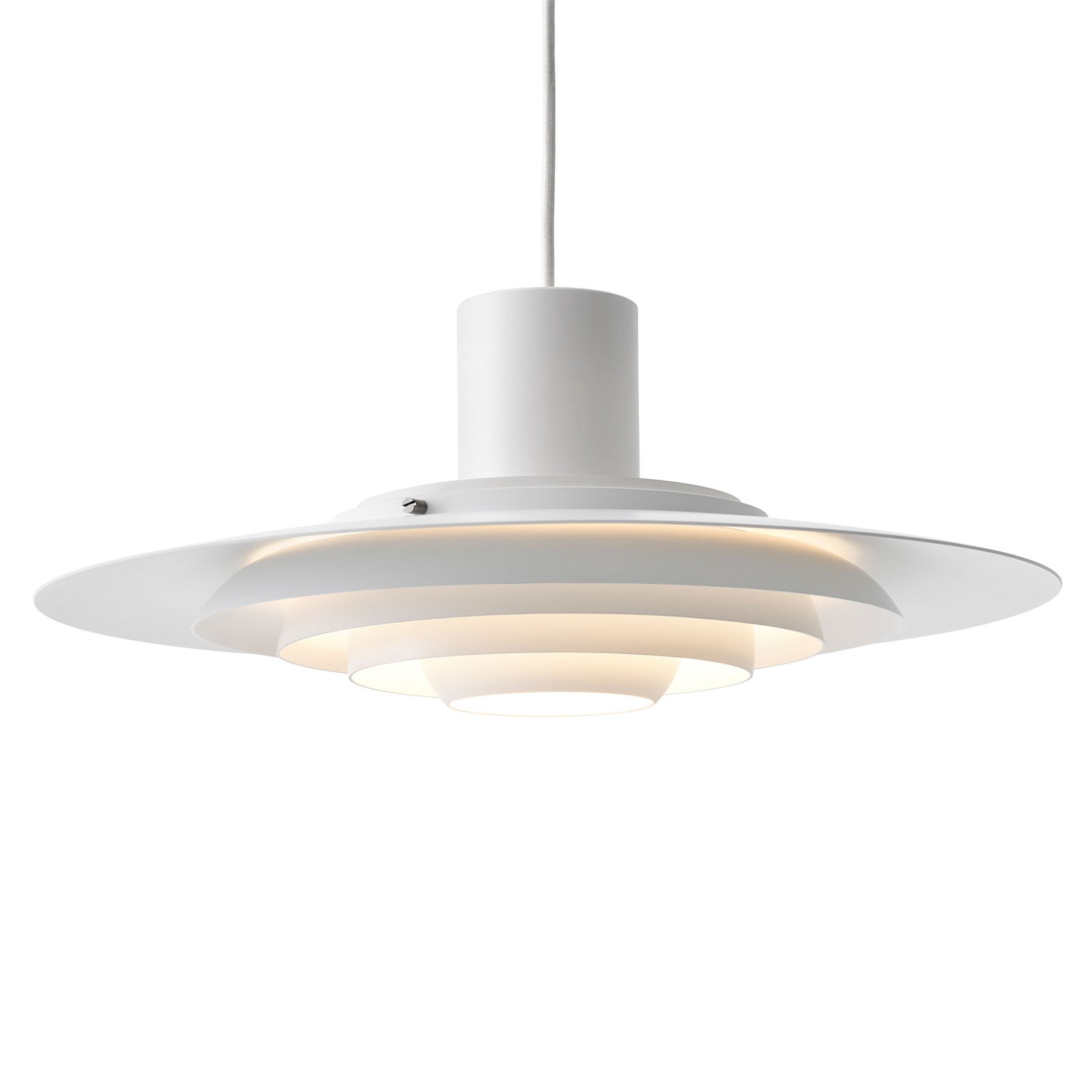
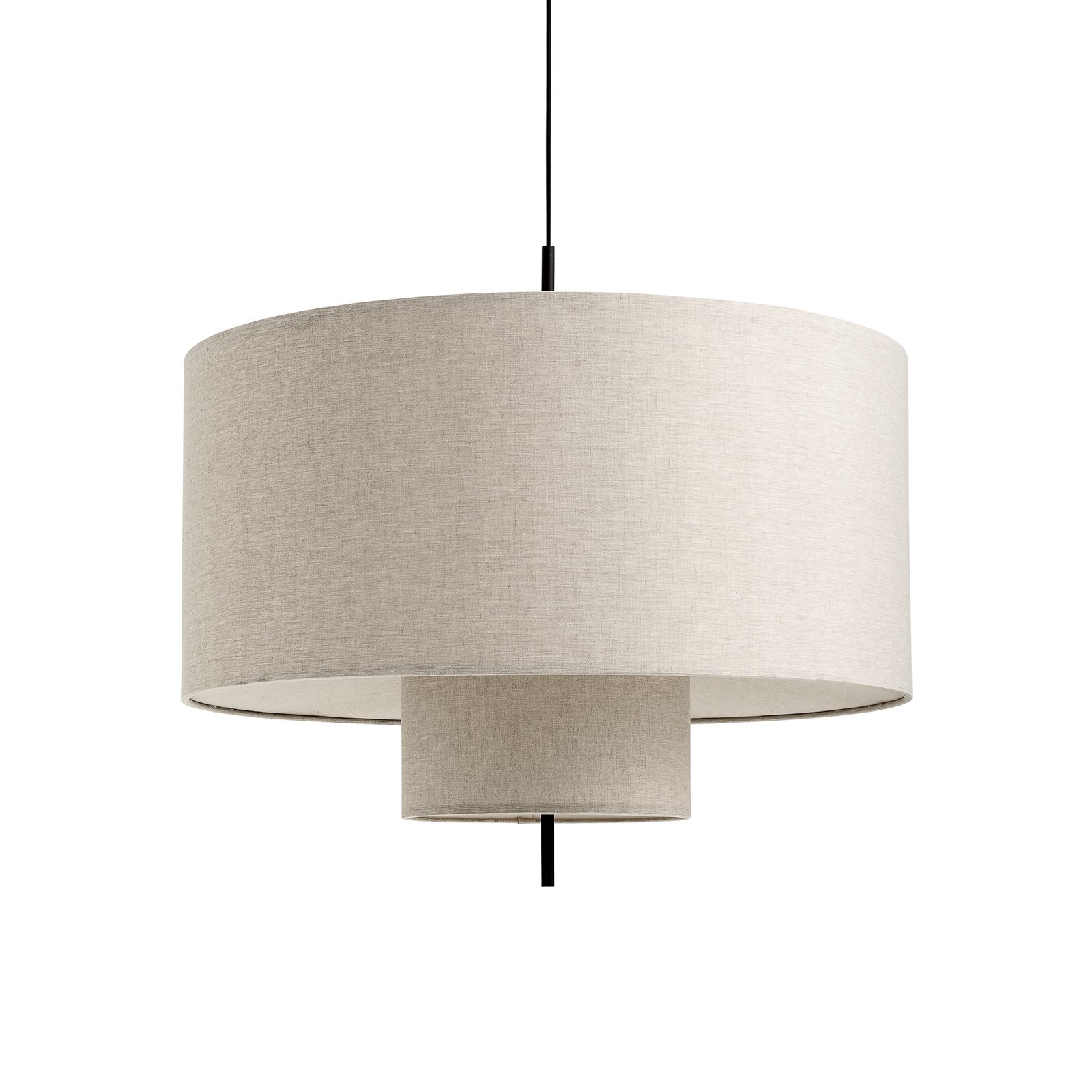
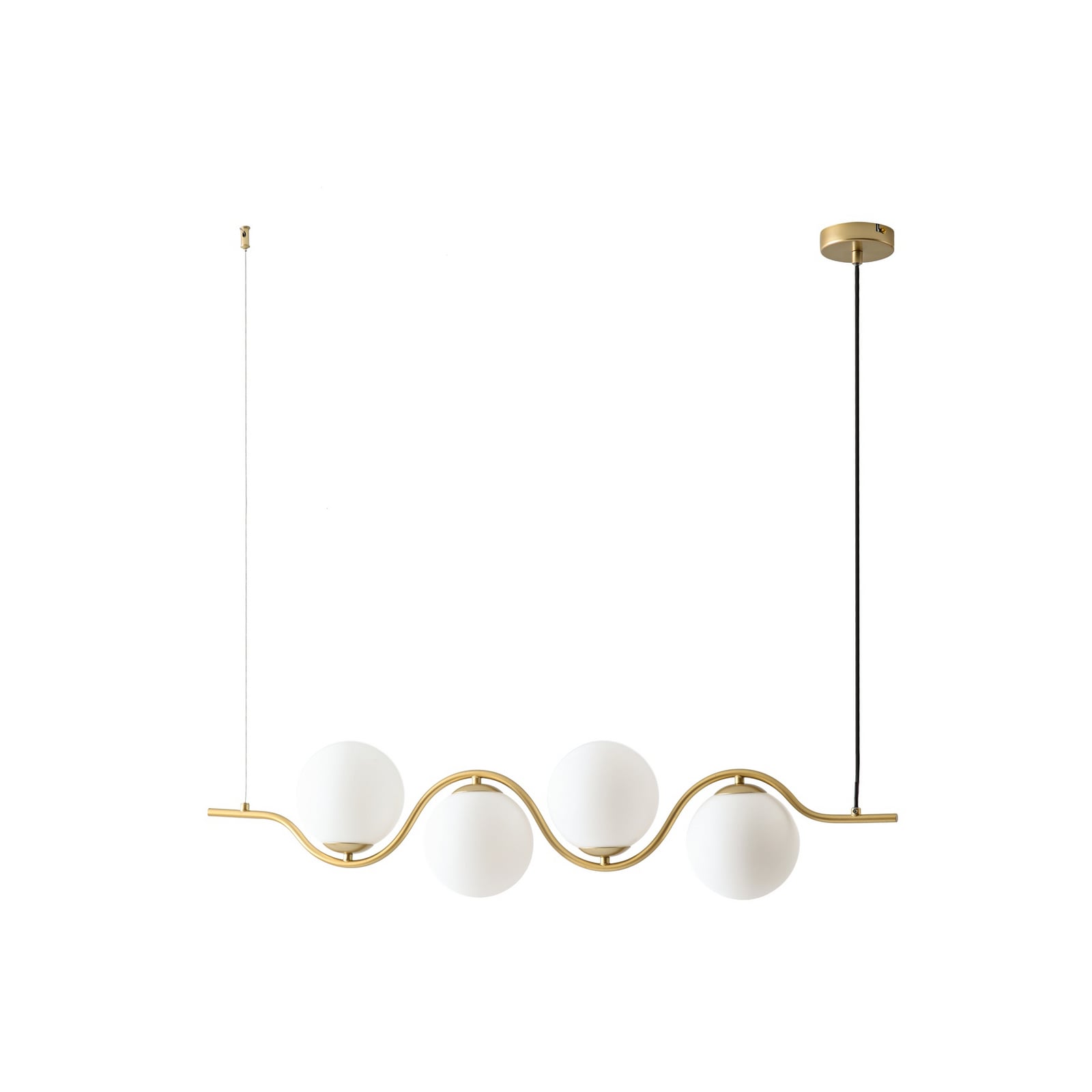
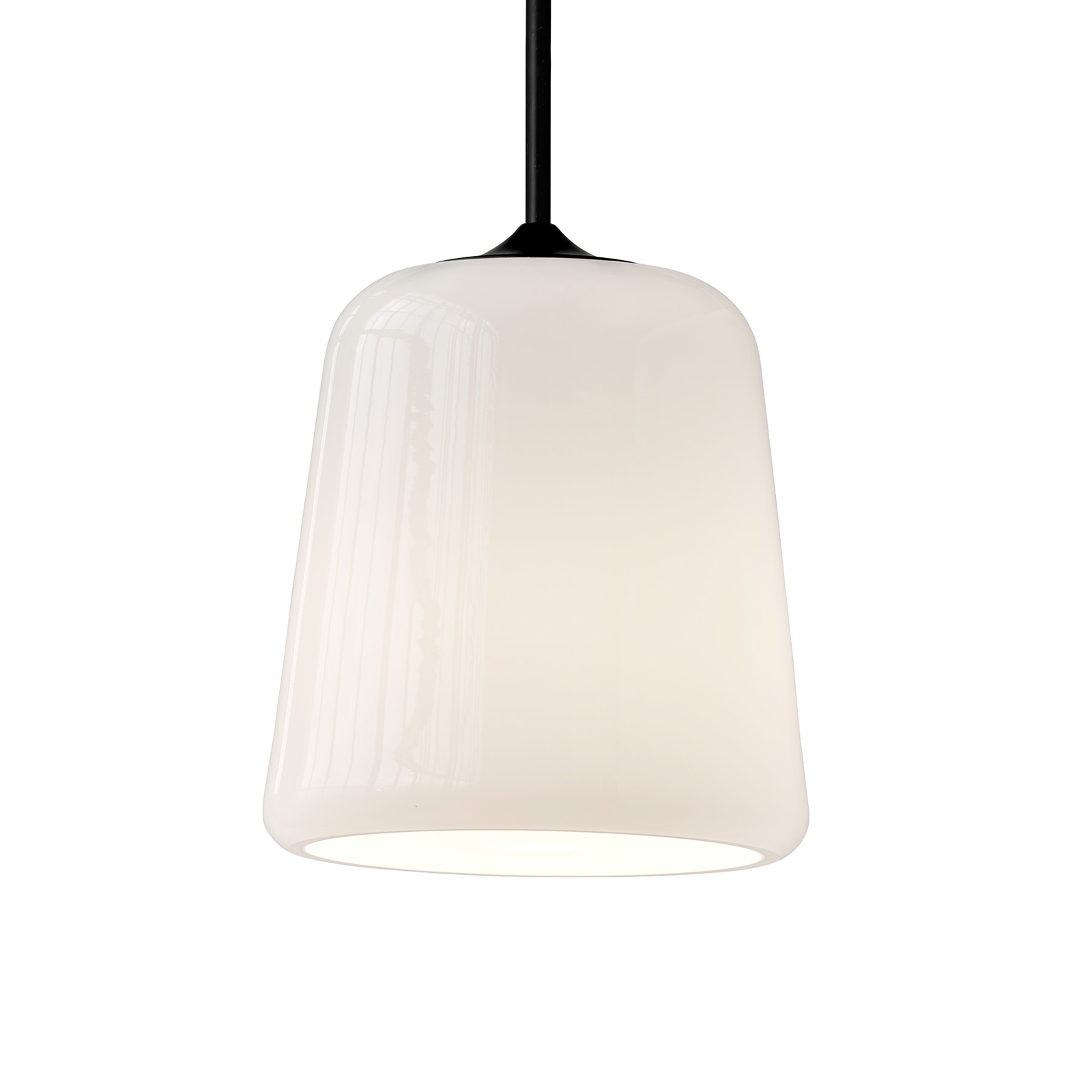
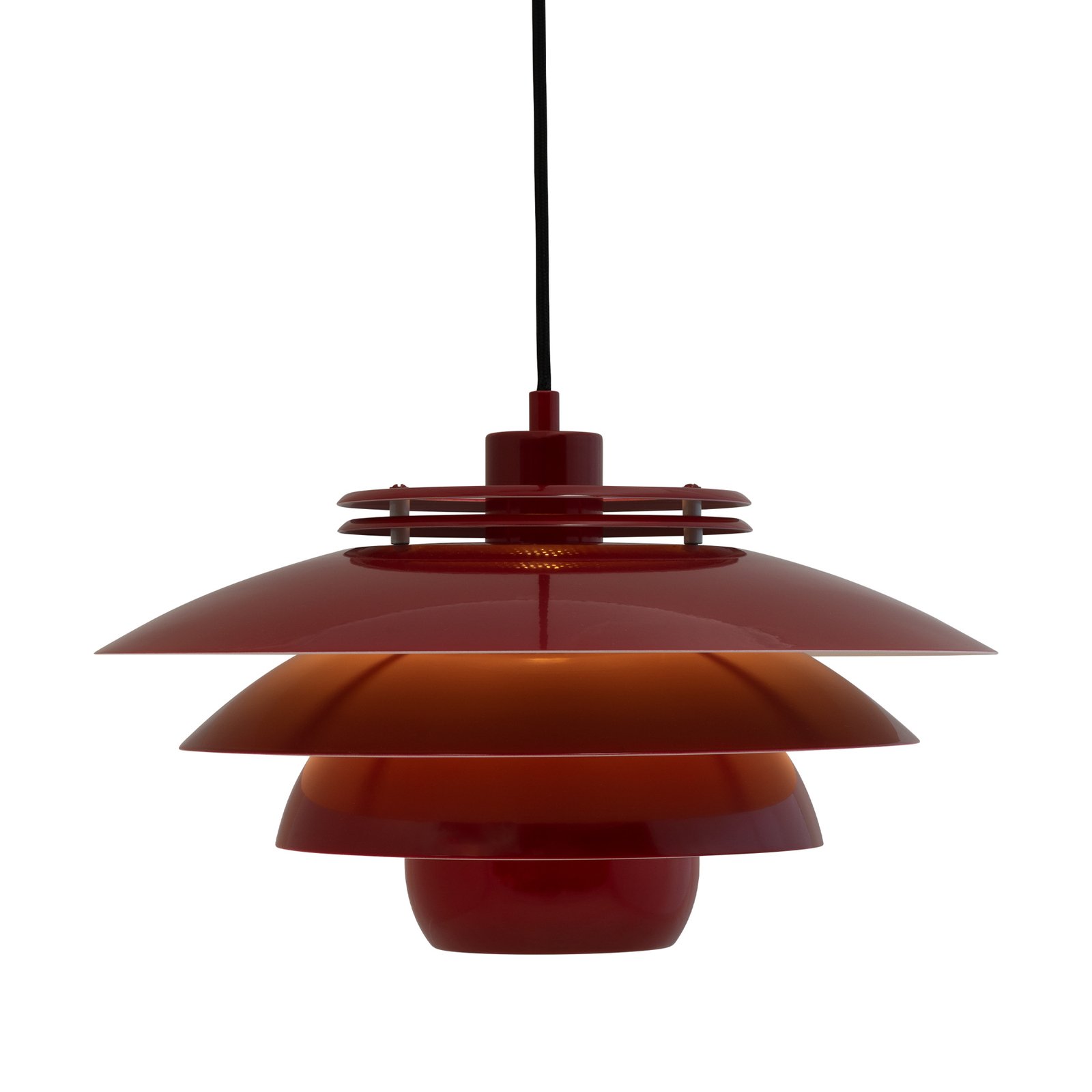
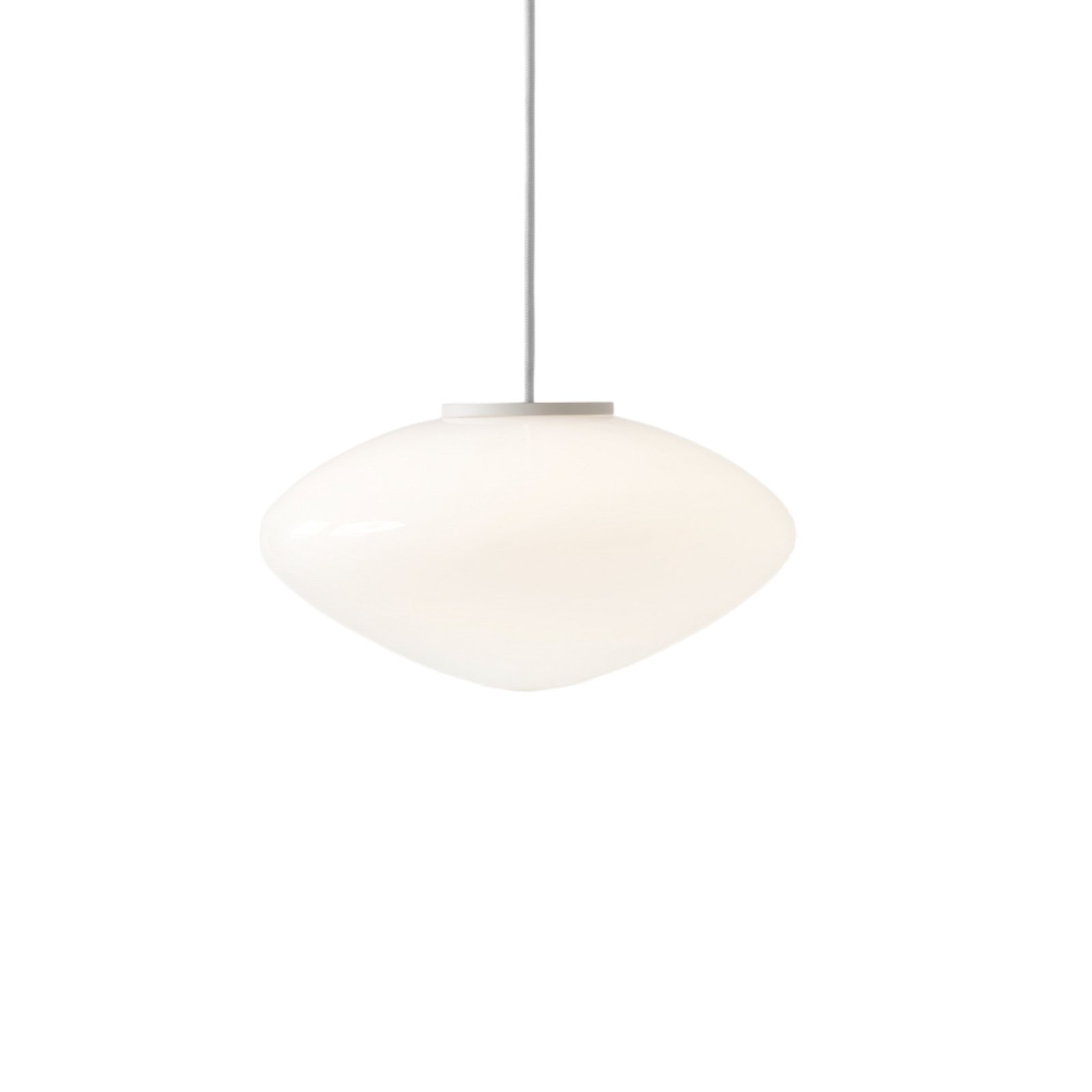
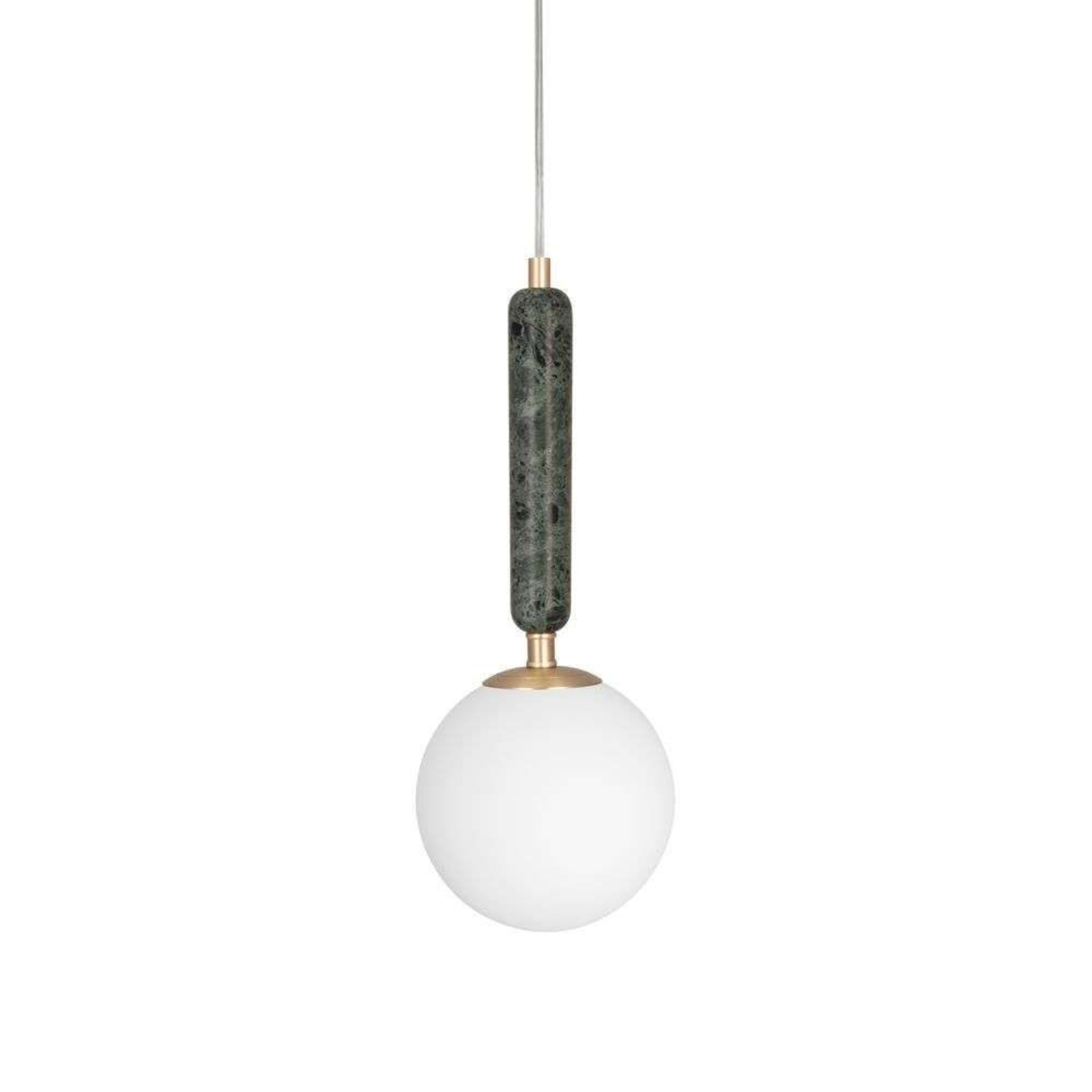
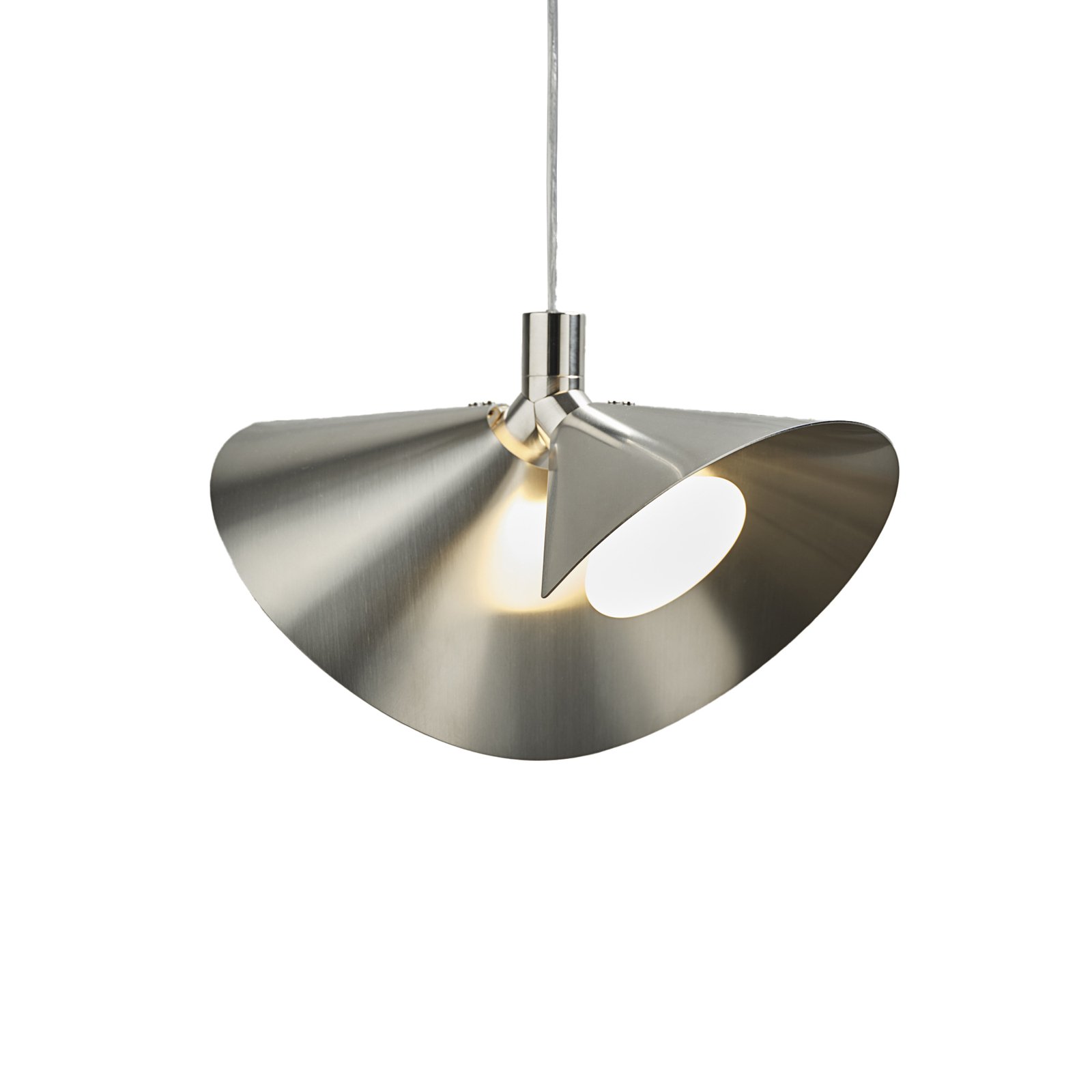
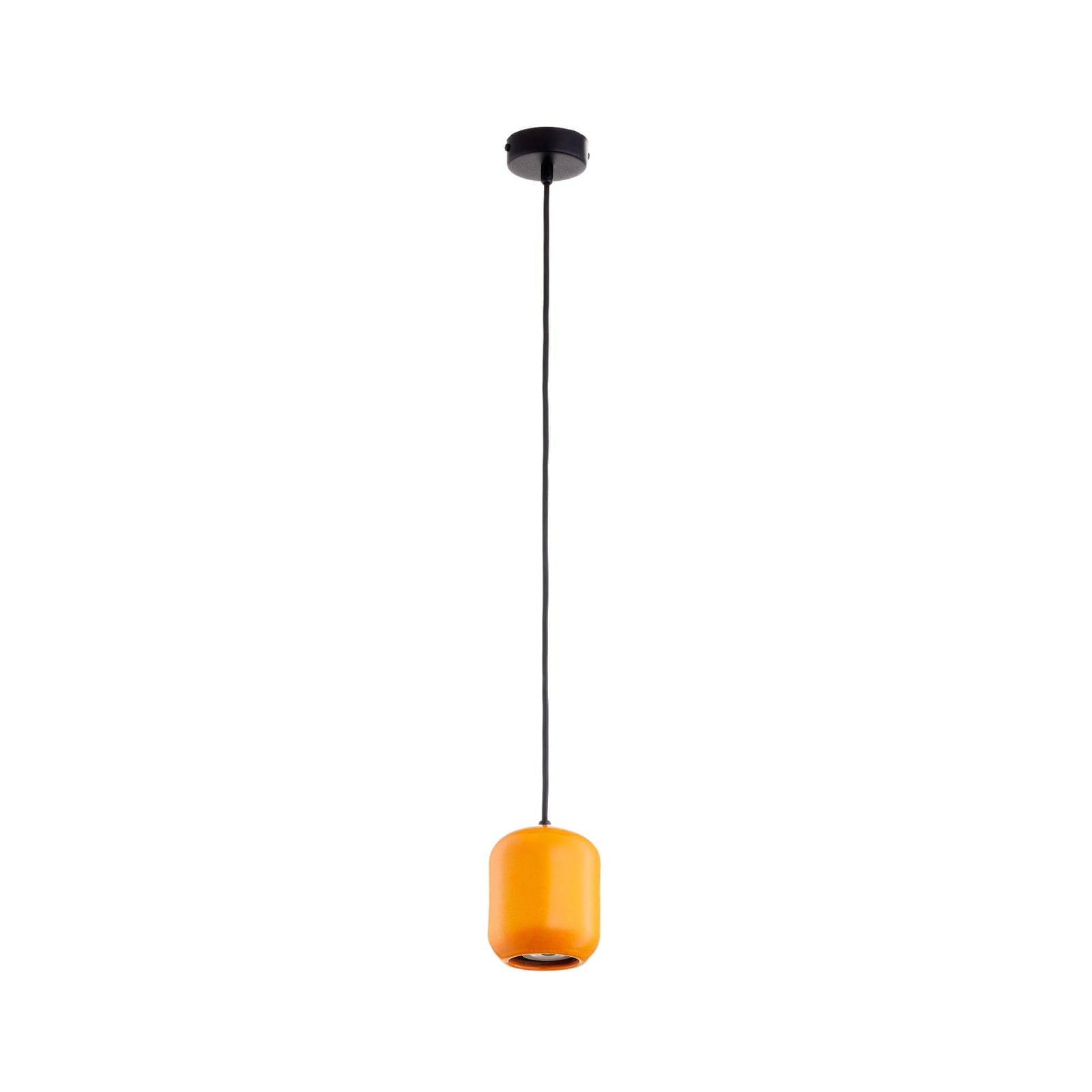
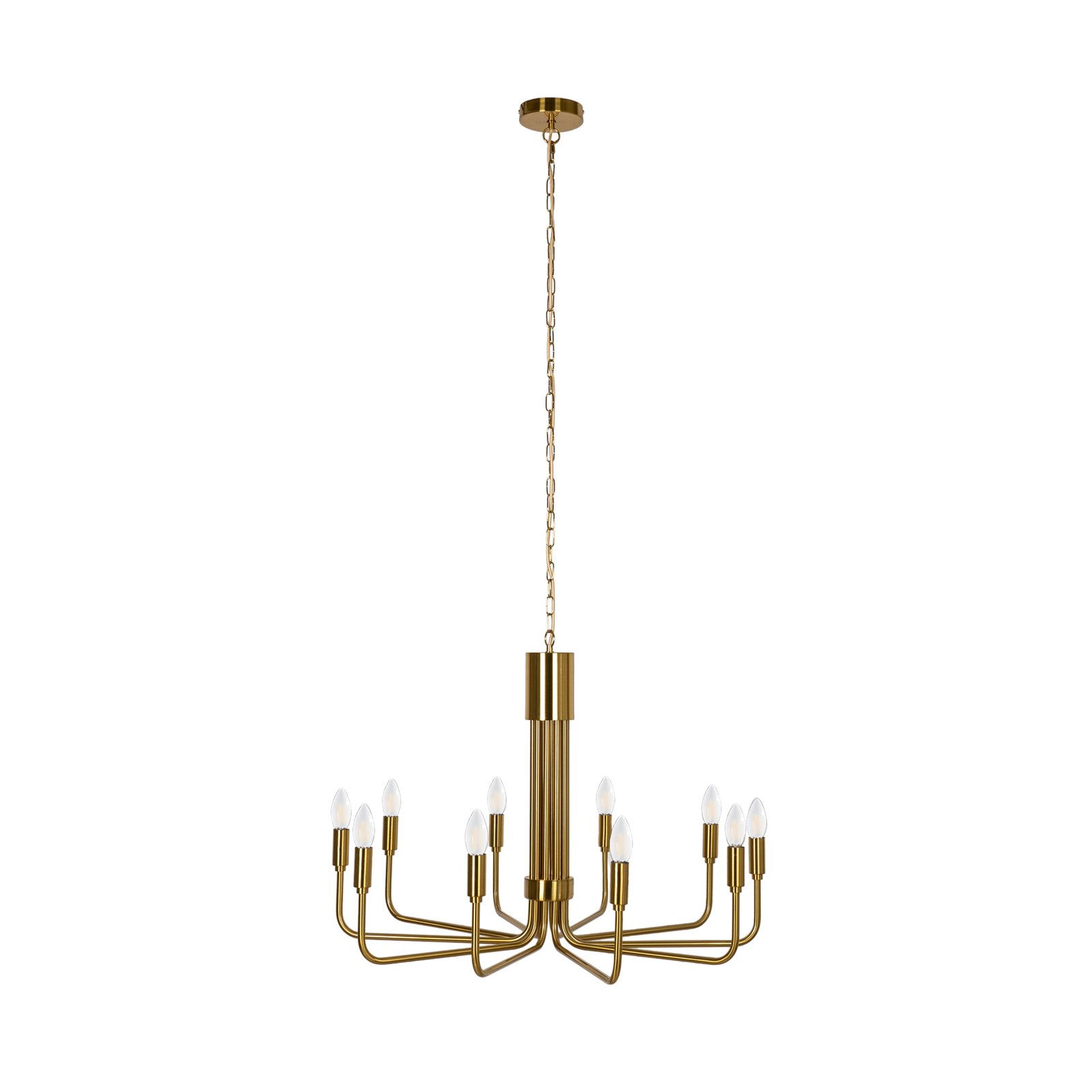
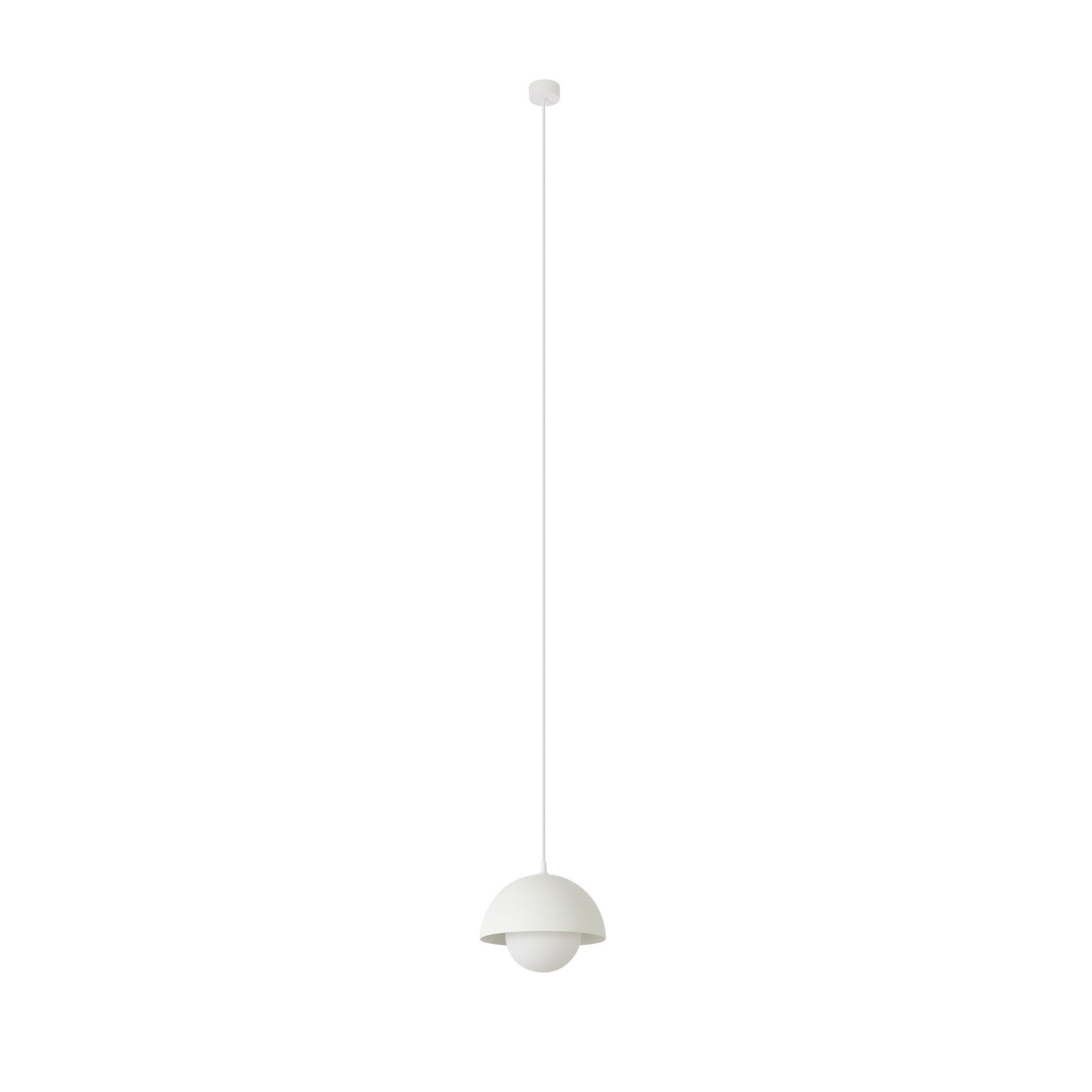
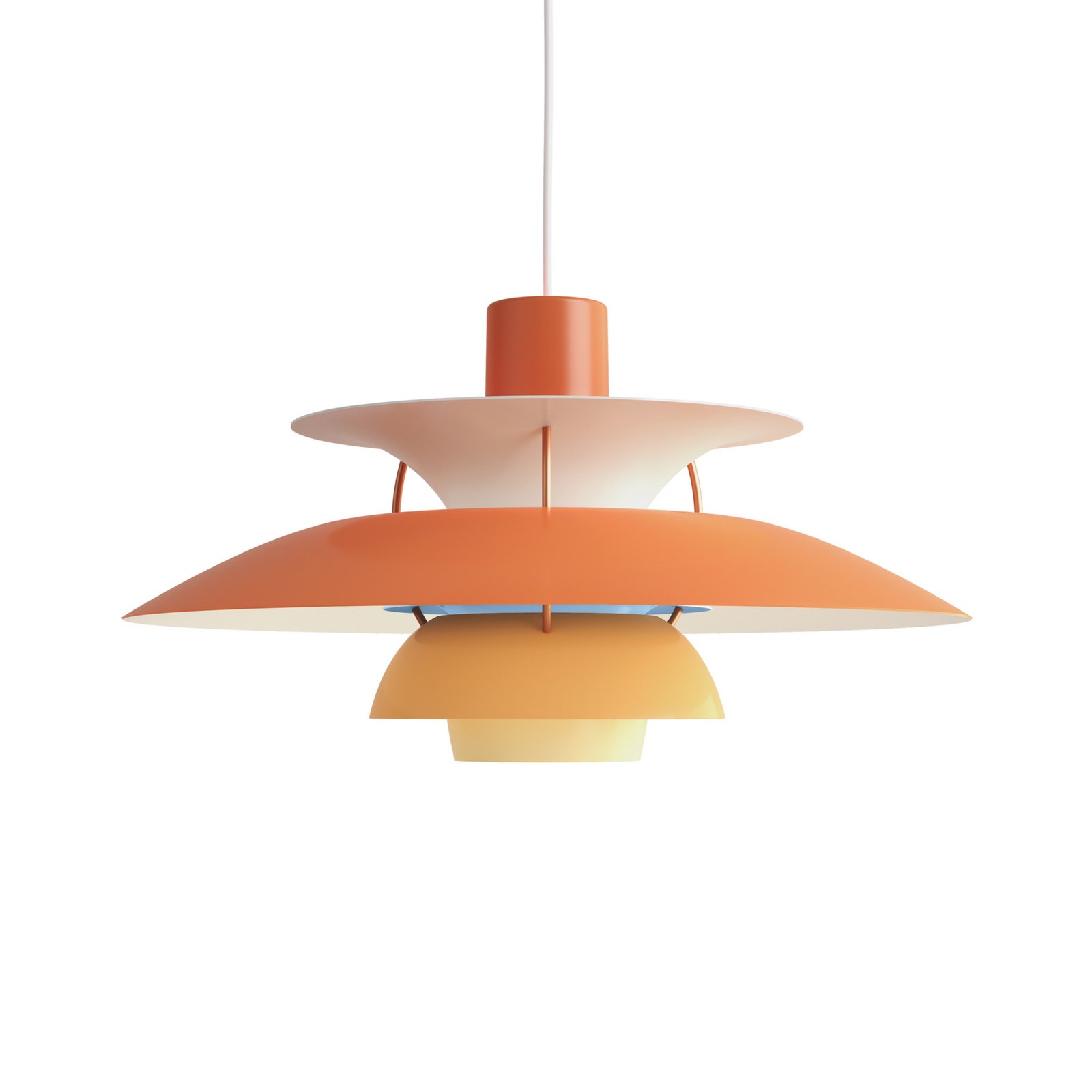
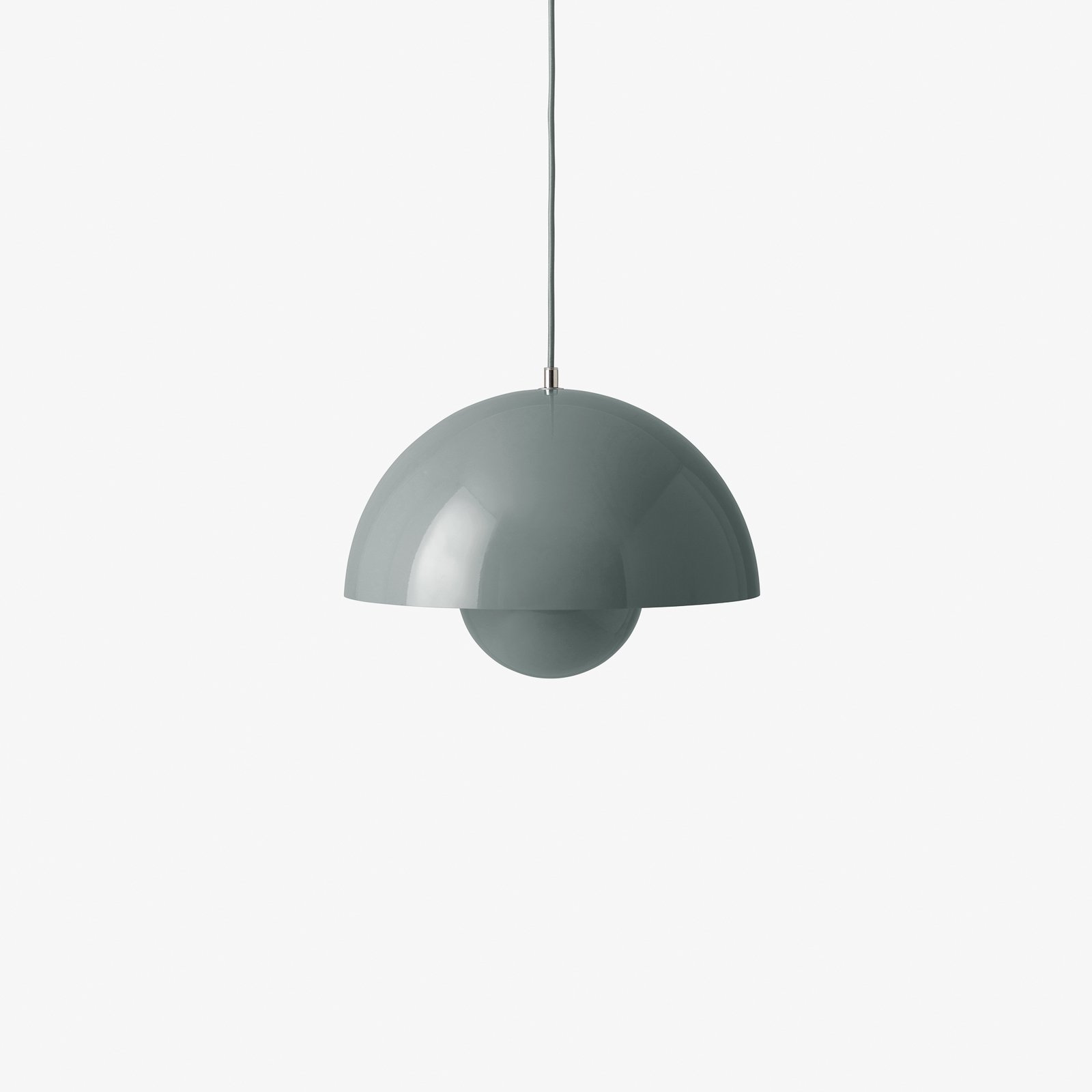
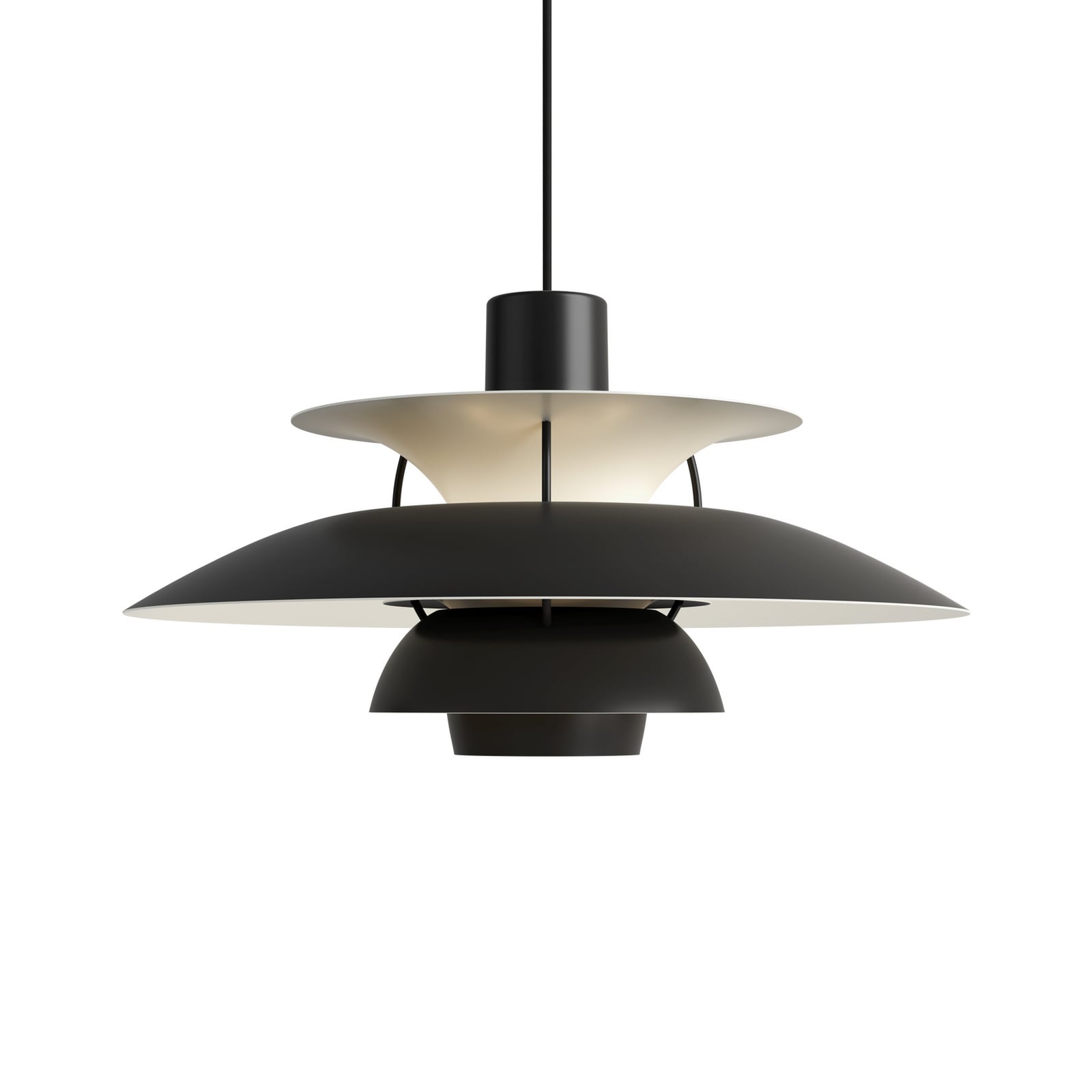
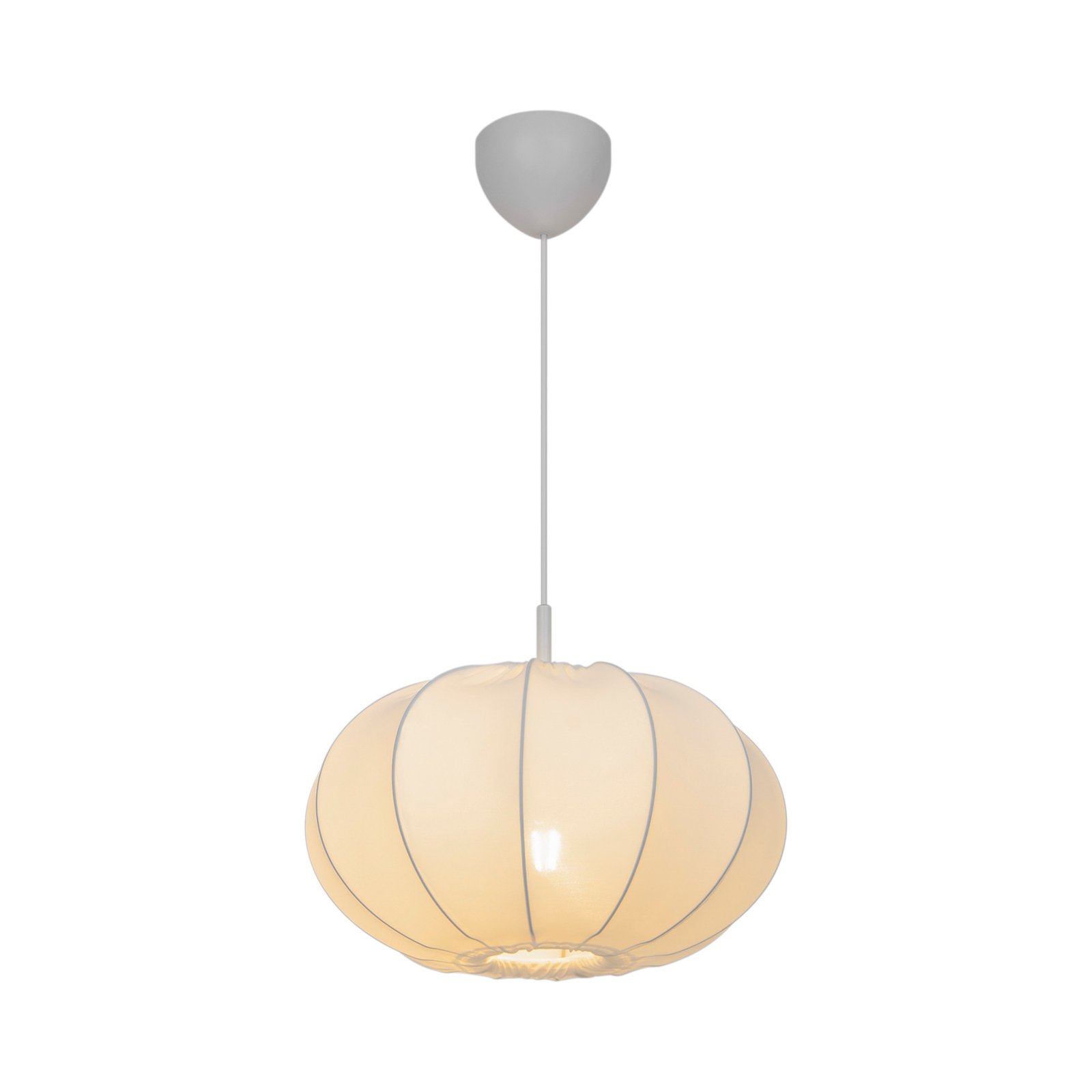
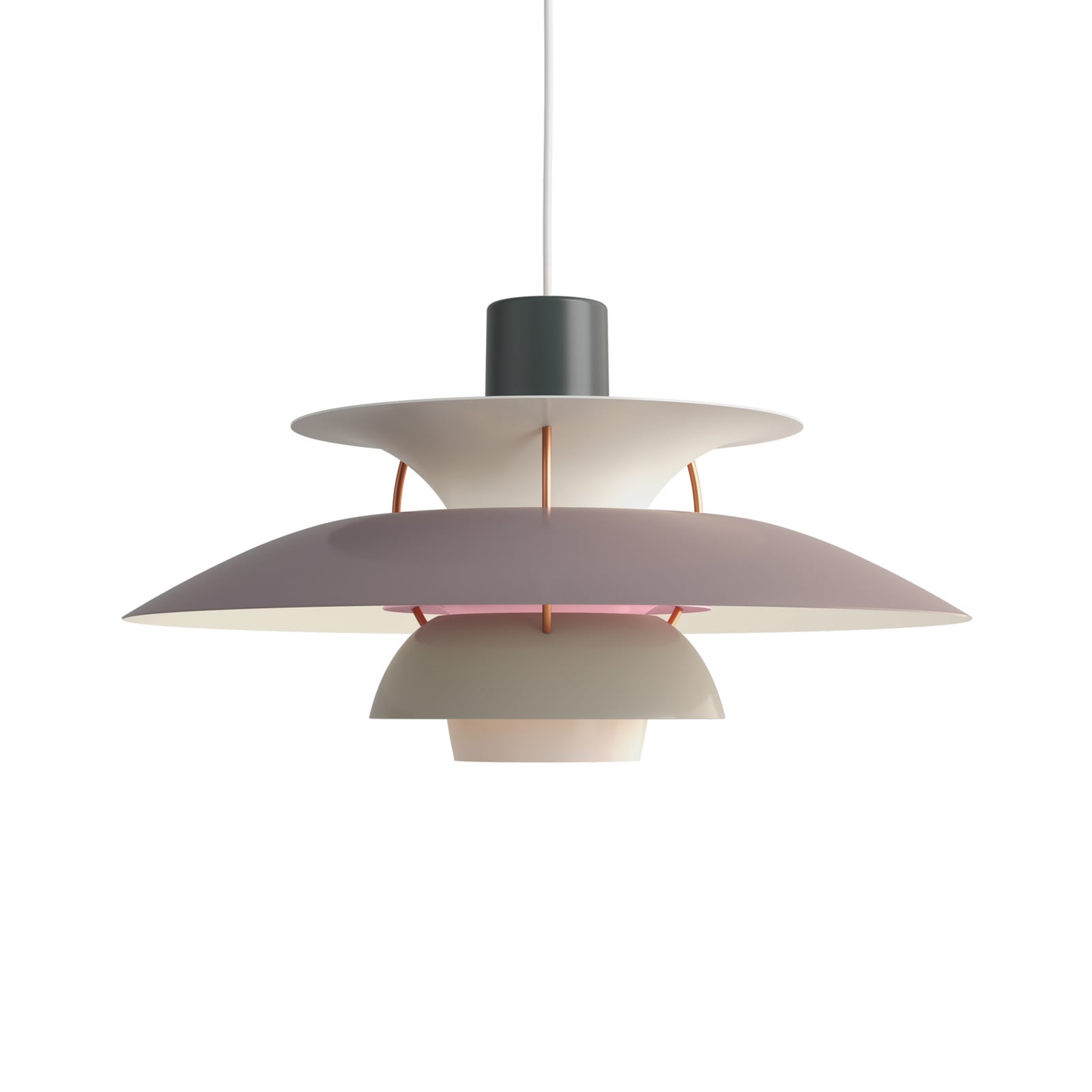
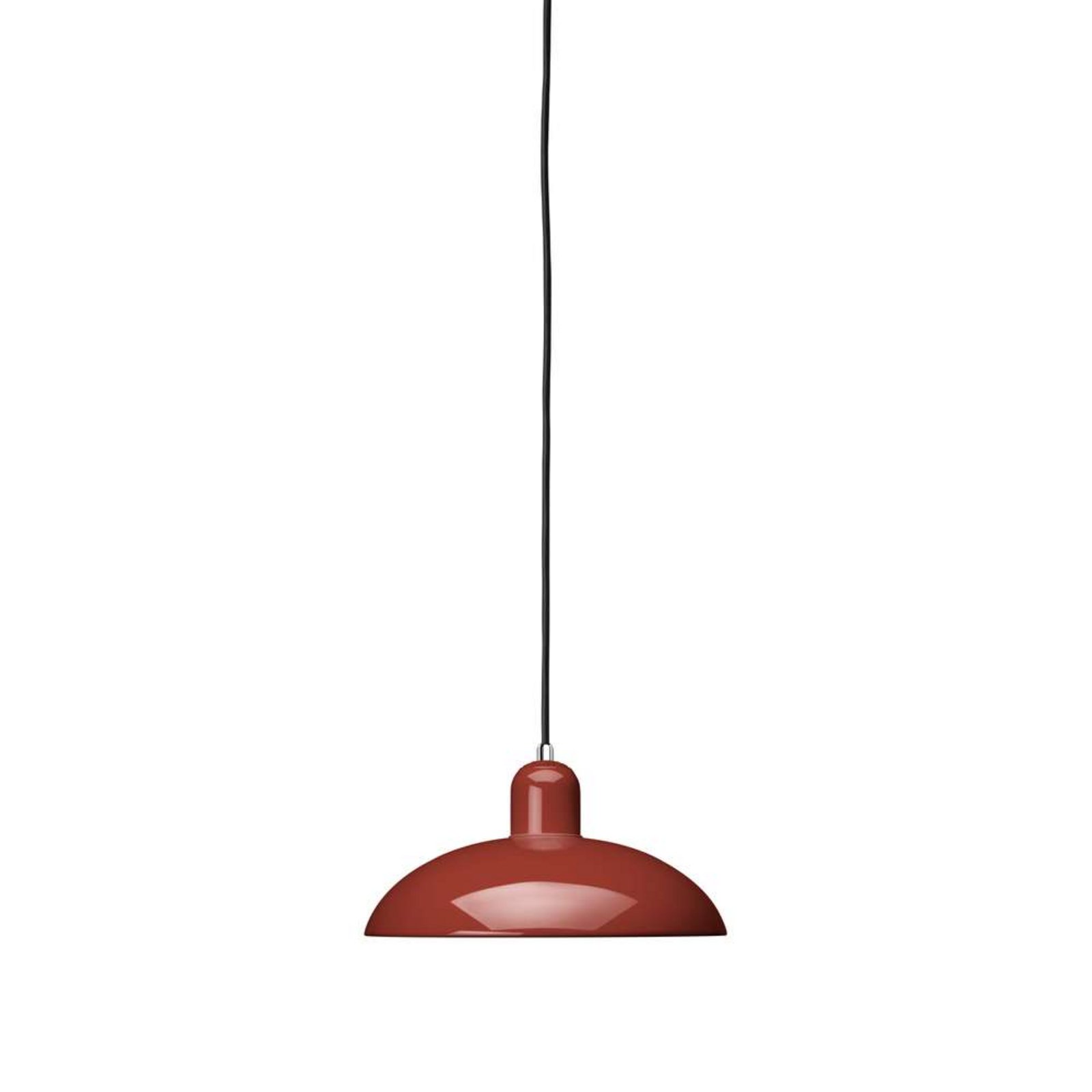
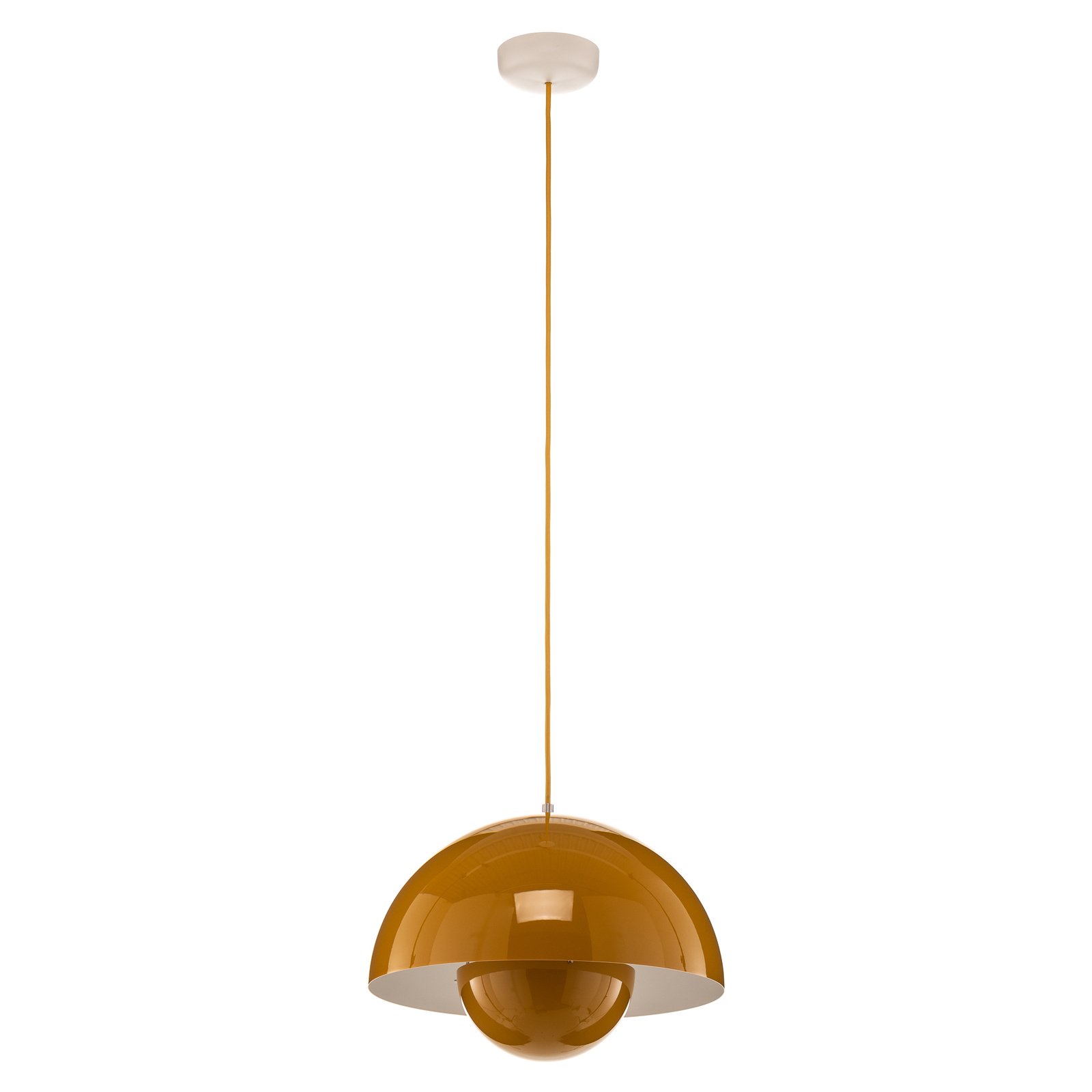
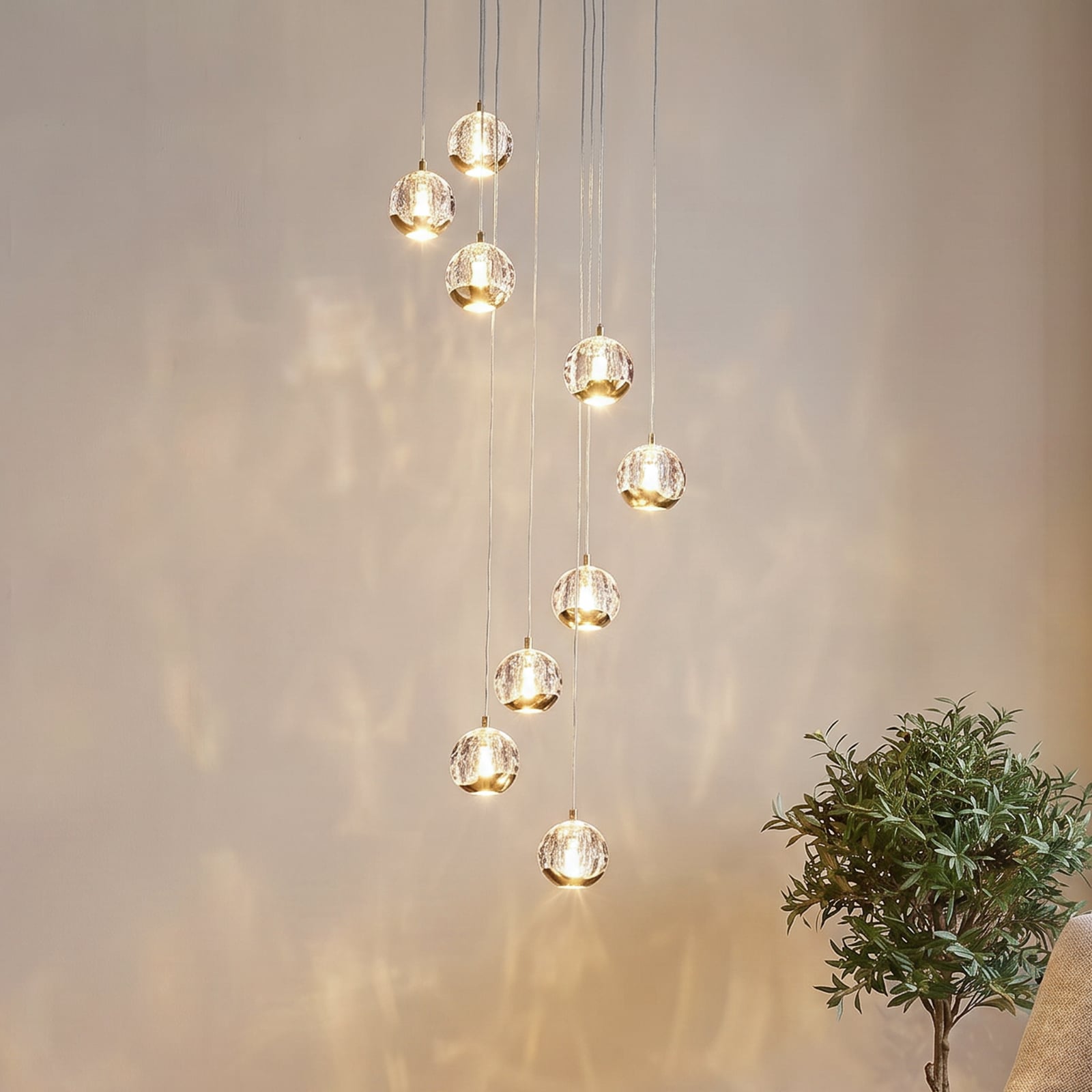
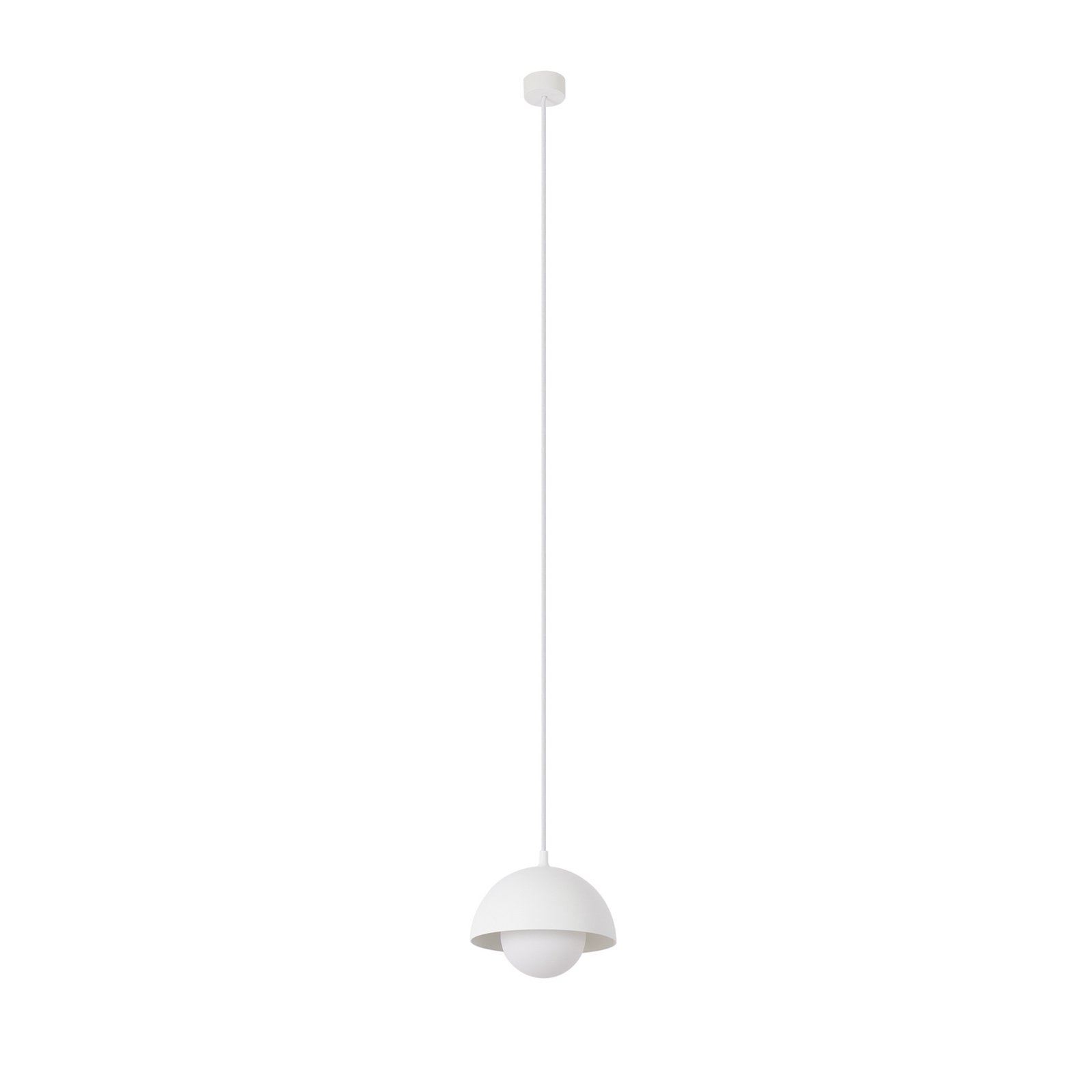
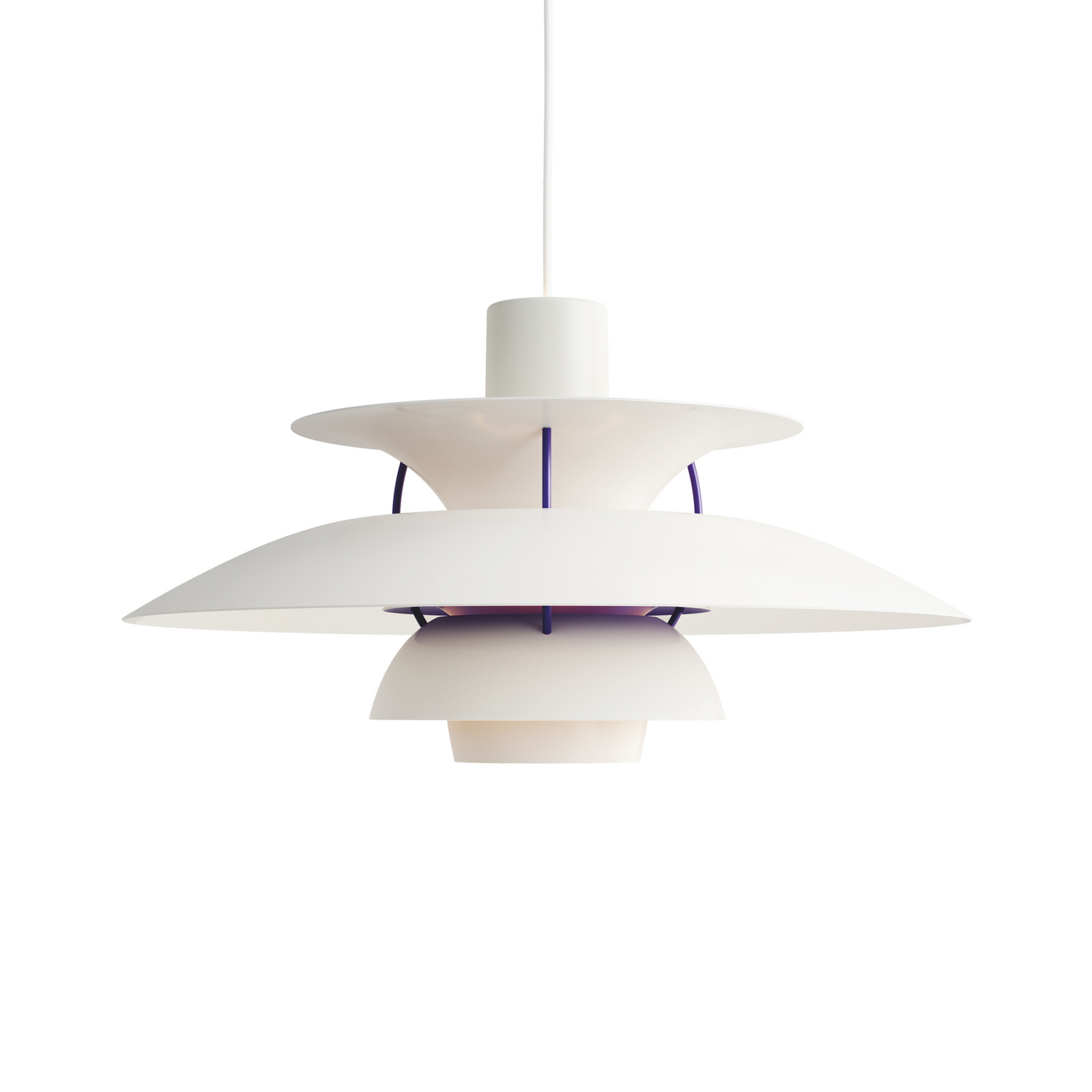
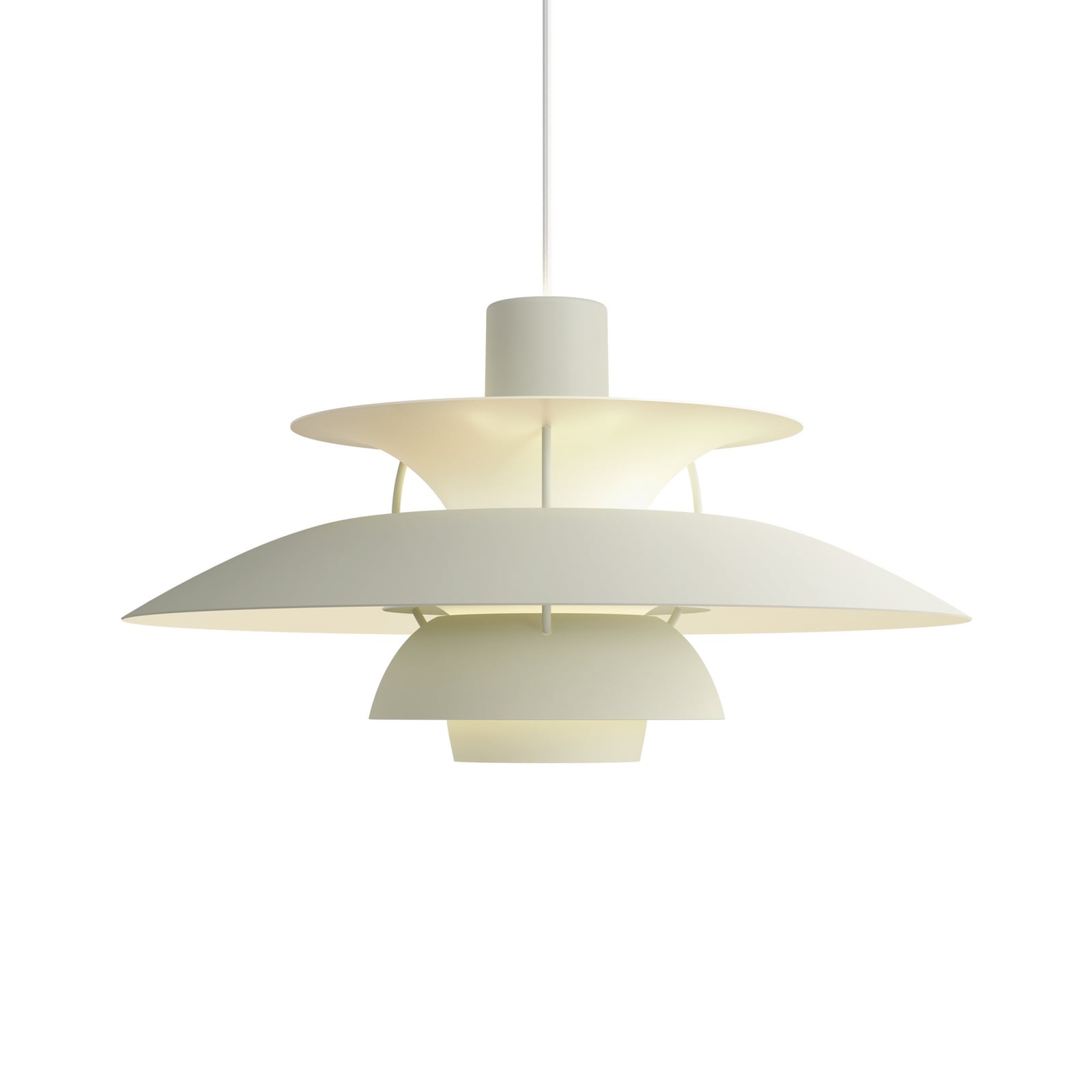
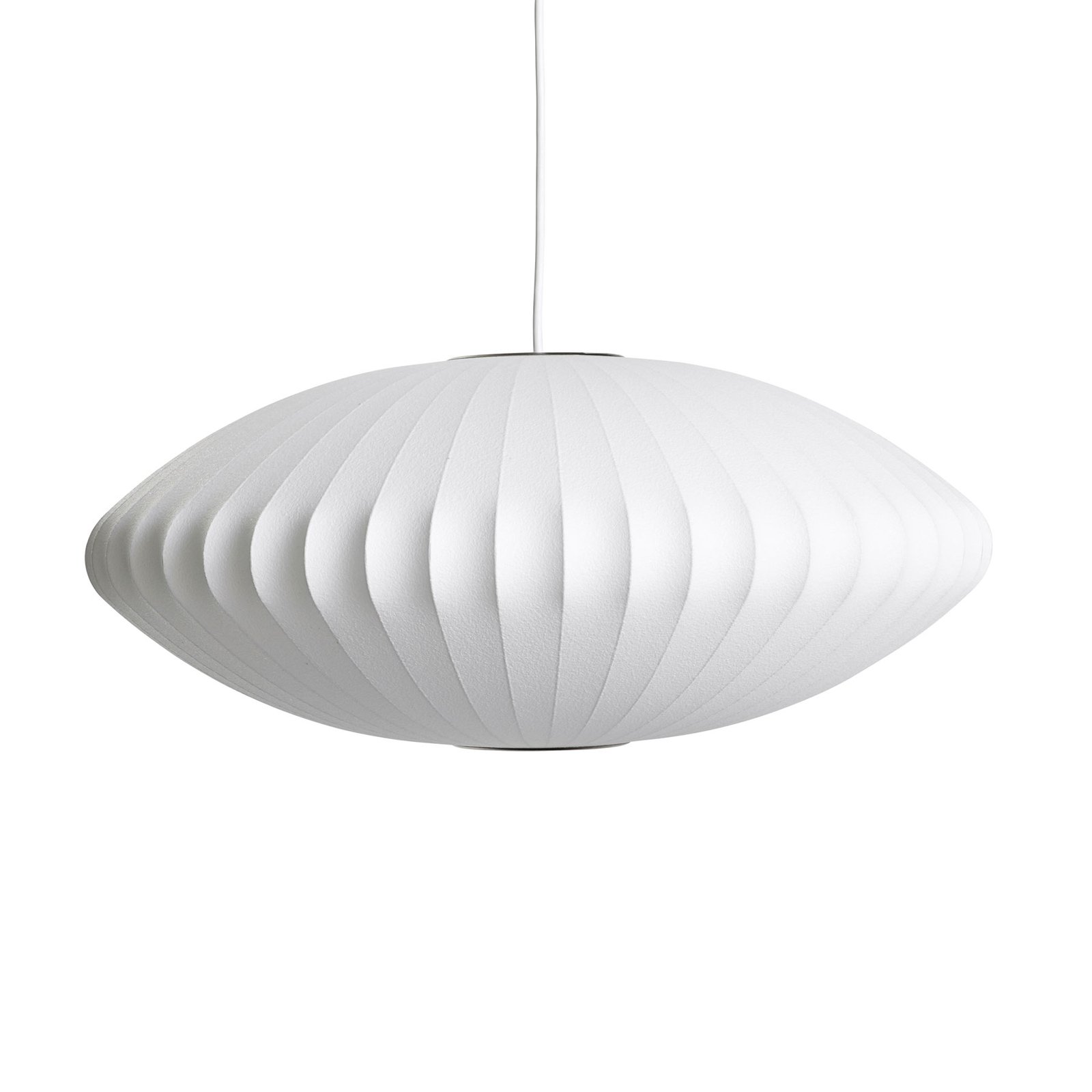
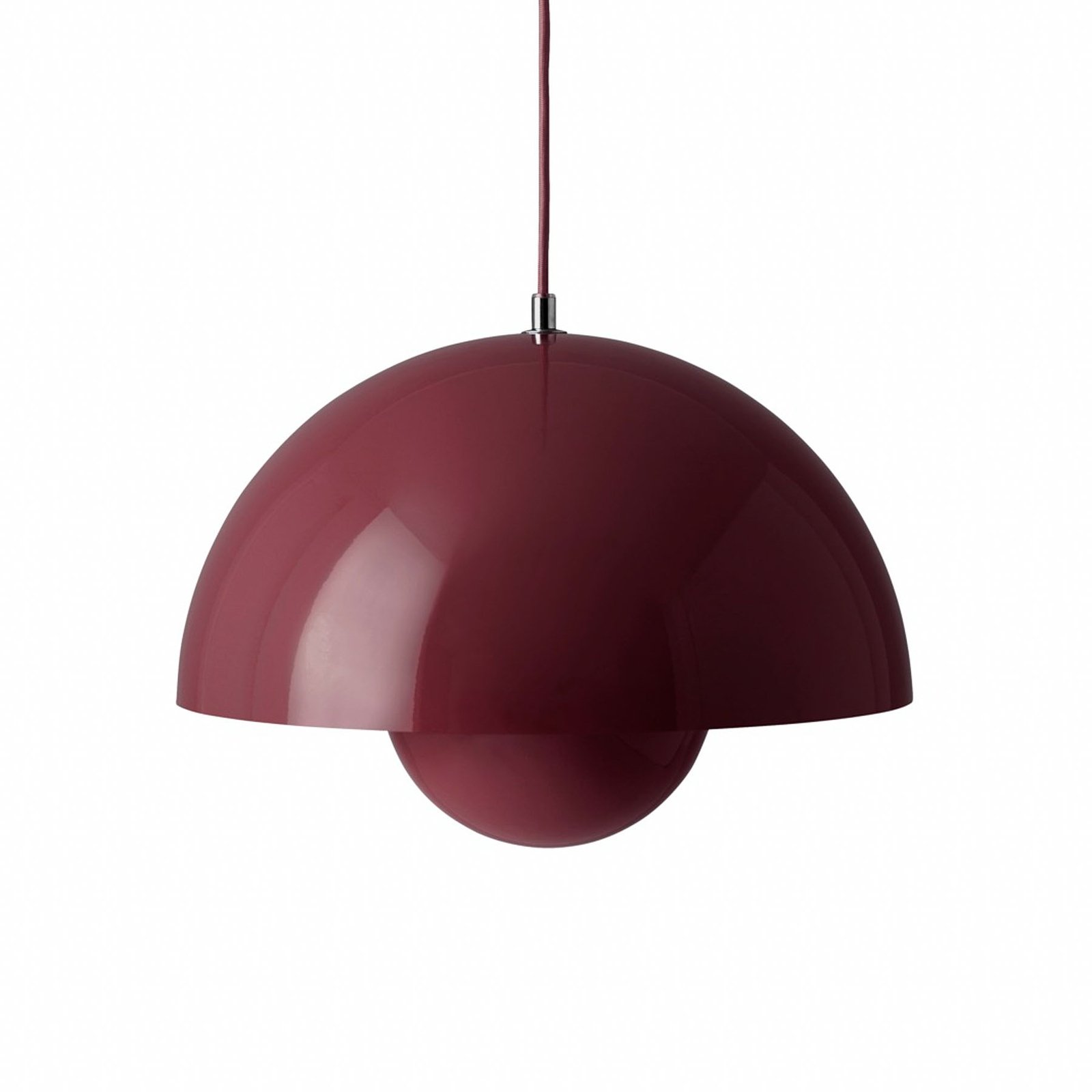
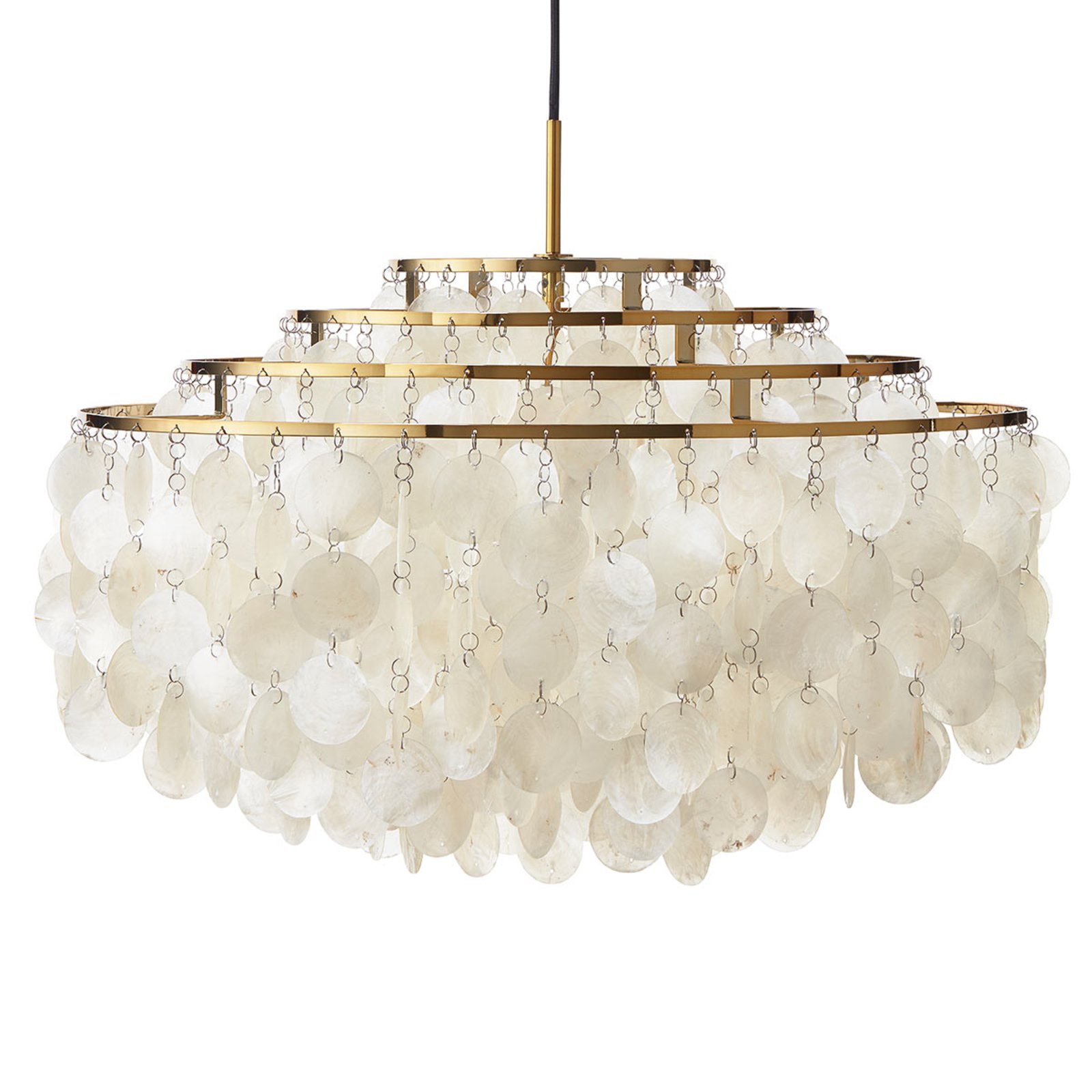
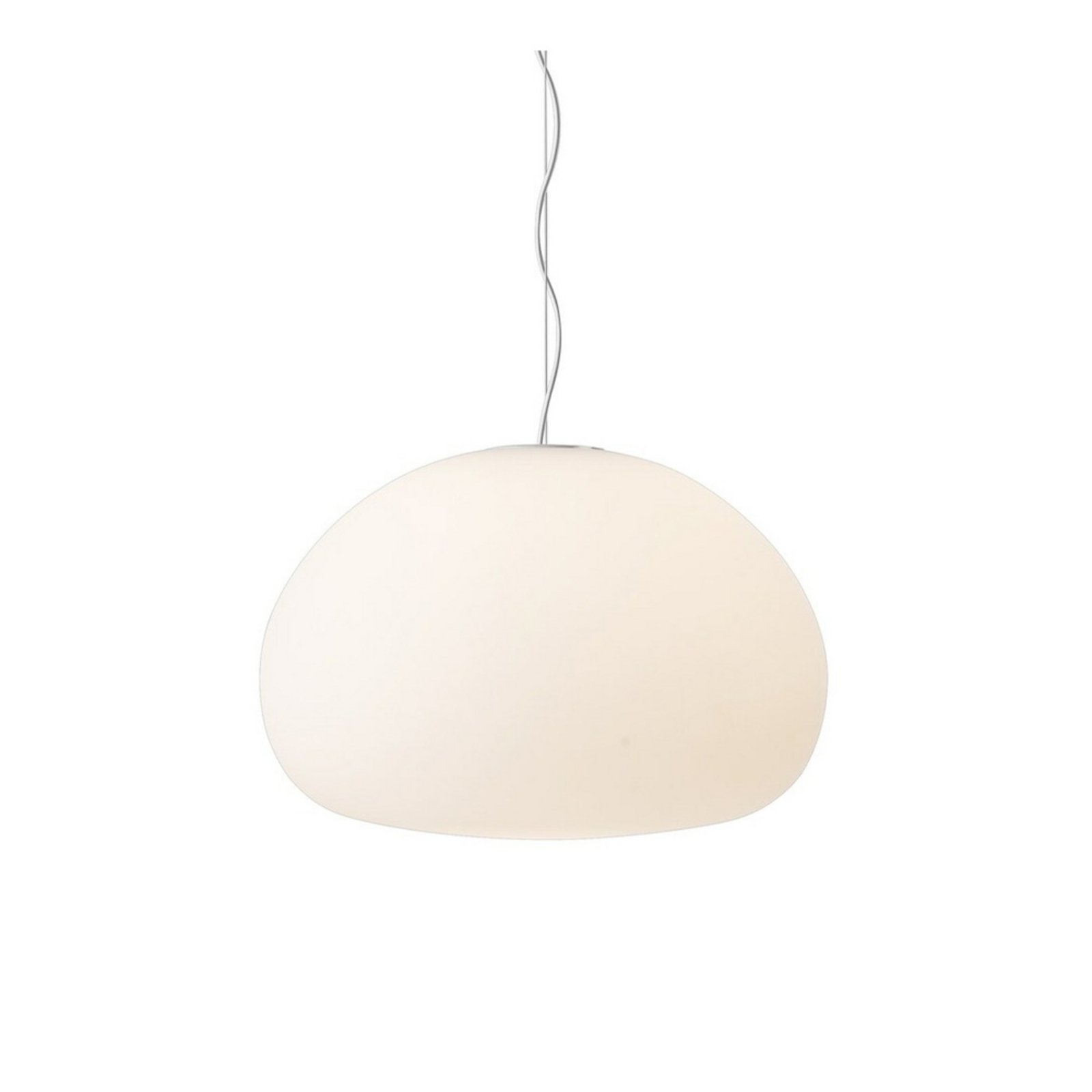
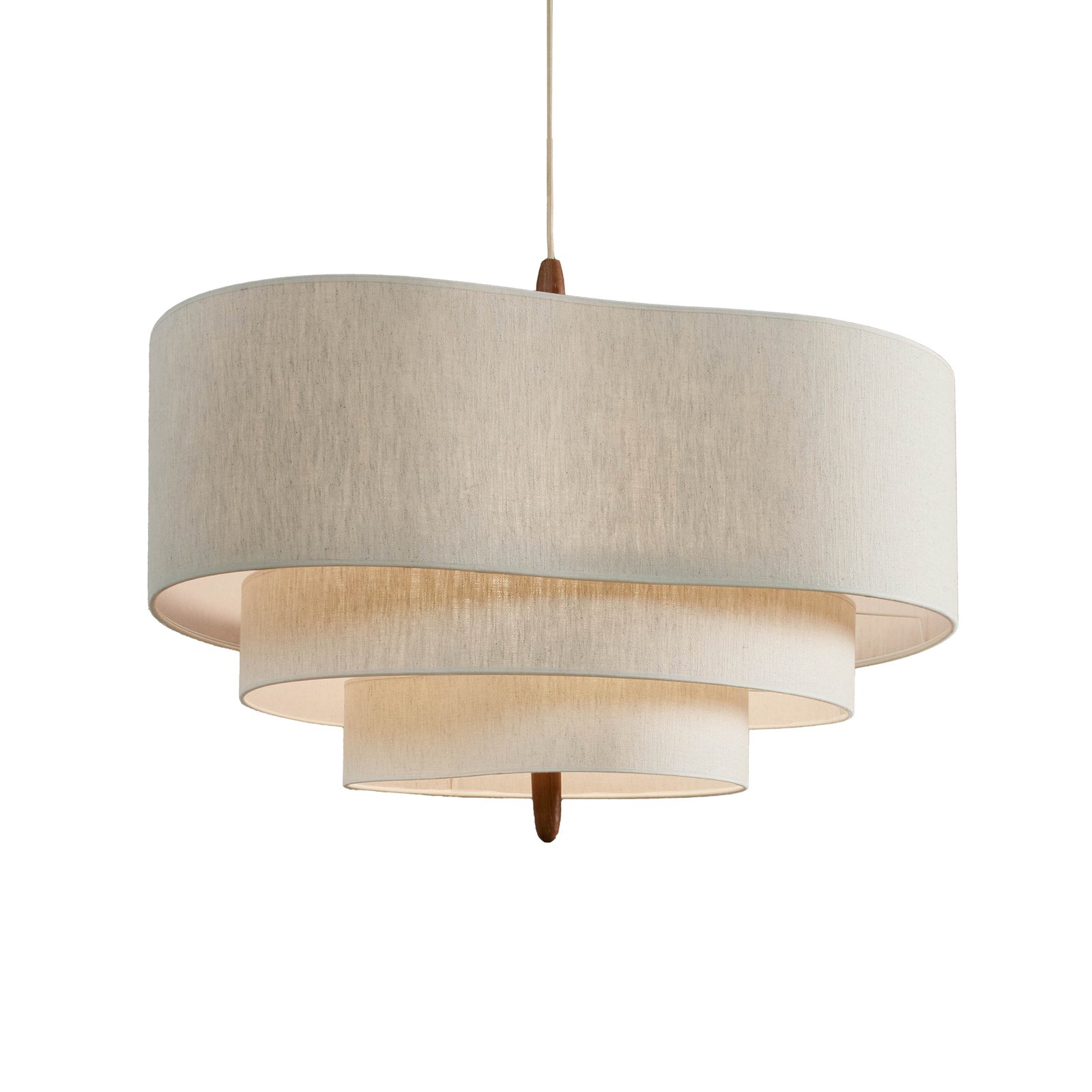
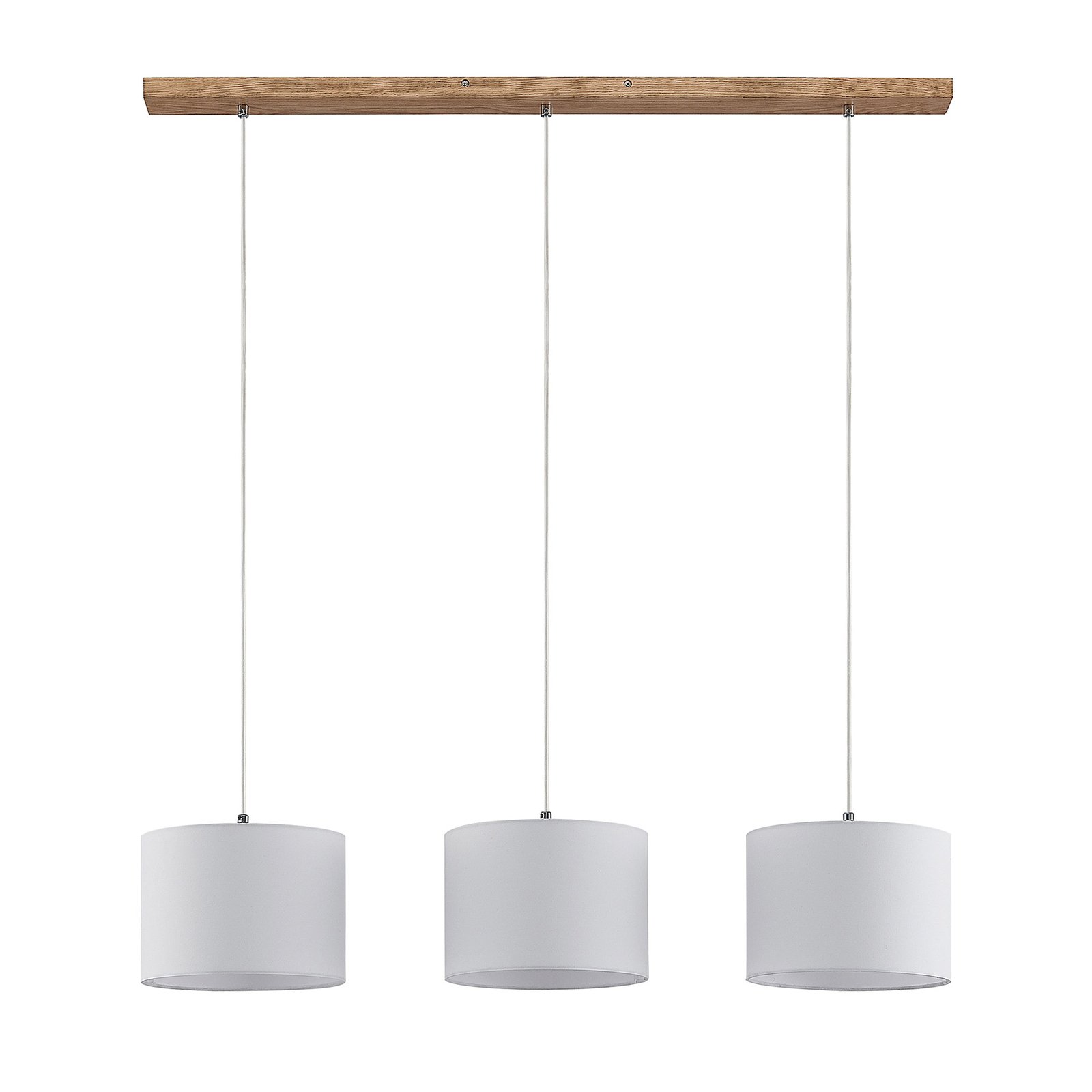
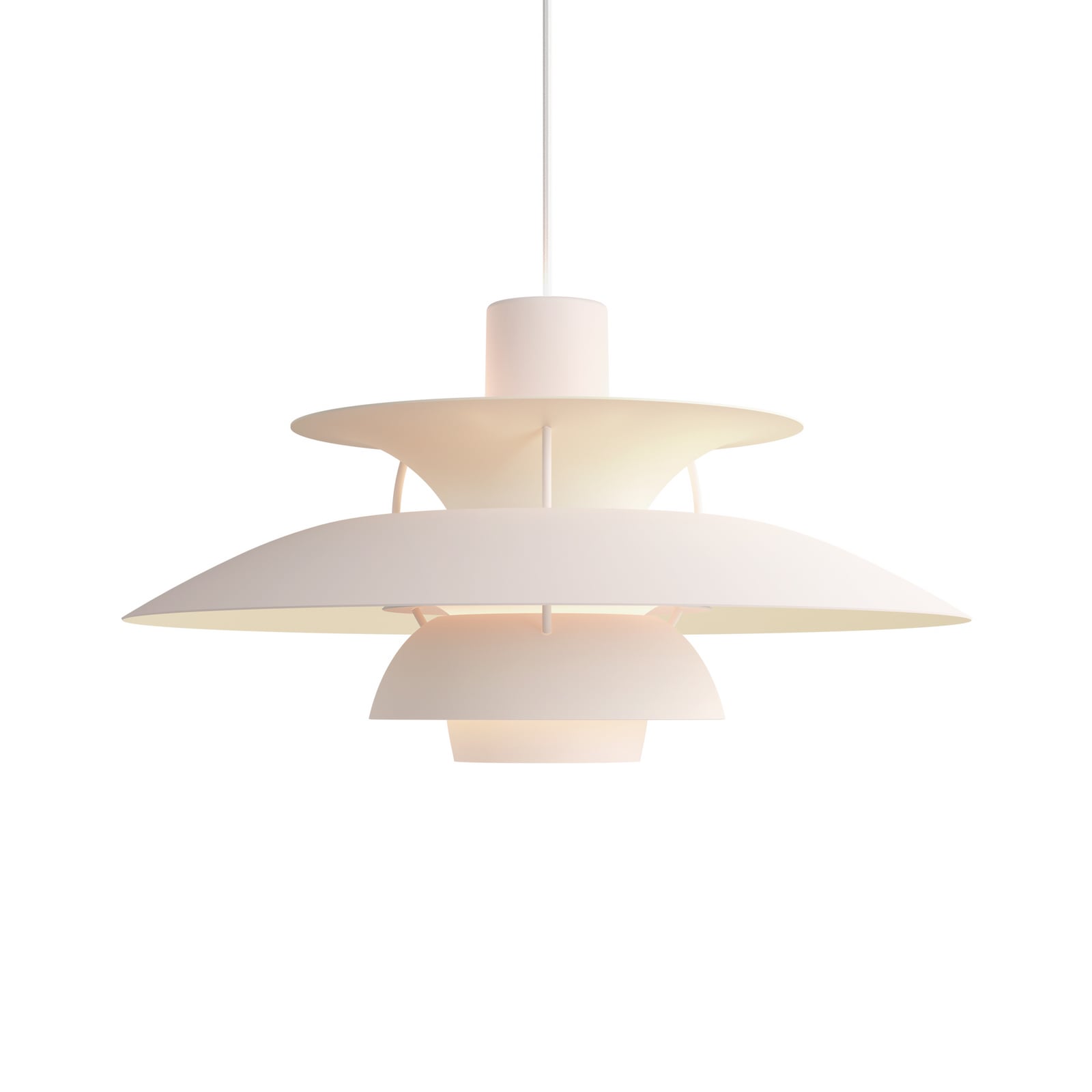
Share your pictures with @lampemesteren
Inspire and let yourself be inspired, from one unique home to another. Tag your pictures with #yesLampemesteren and you might see your home here!
Designer Pendant Lights: Form, Light, and Spatial Impact
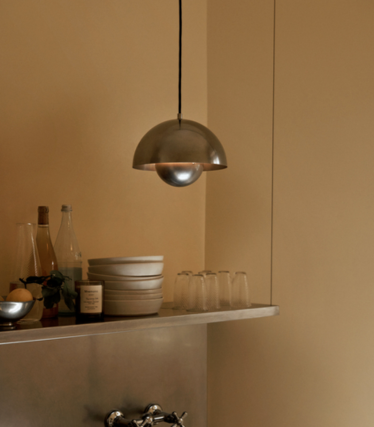
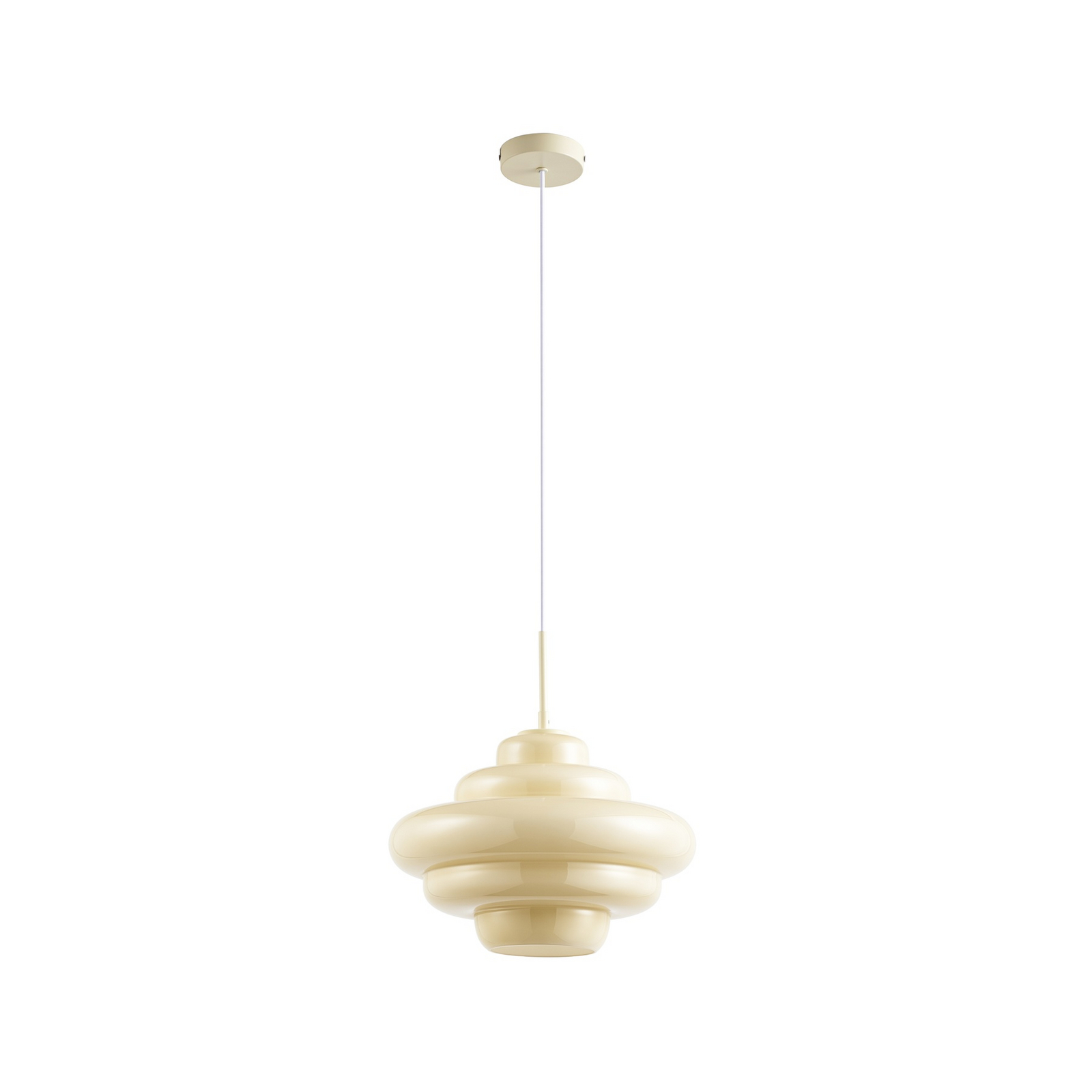
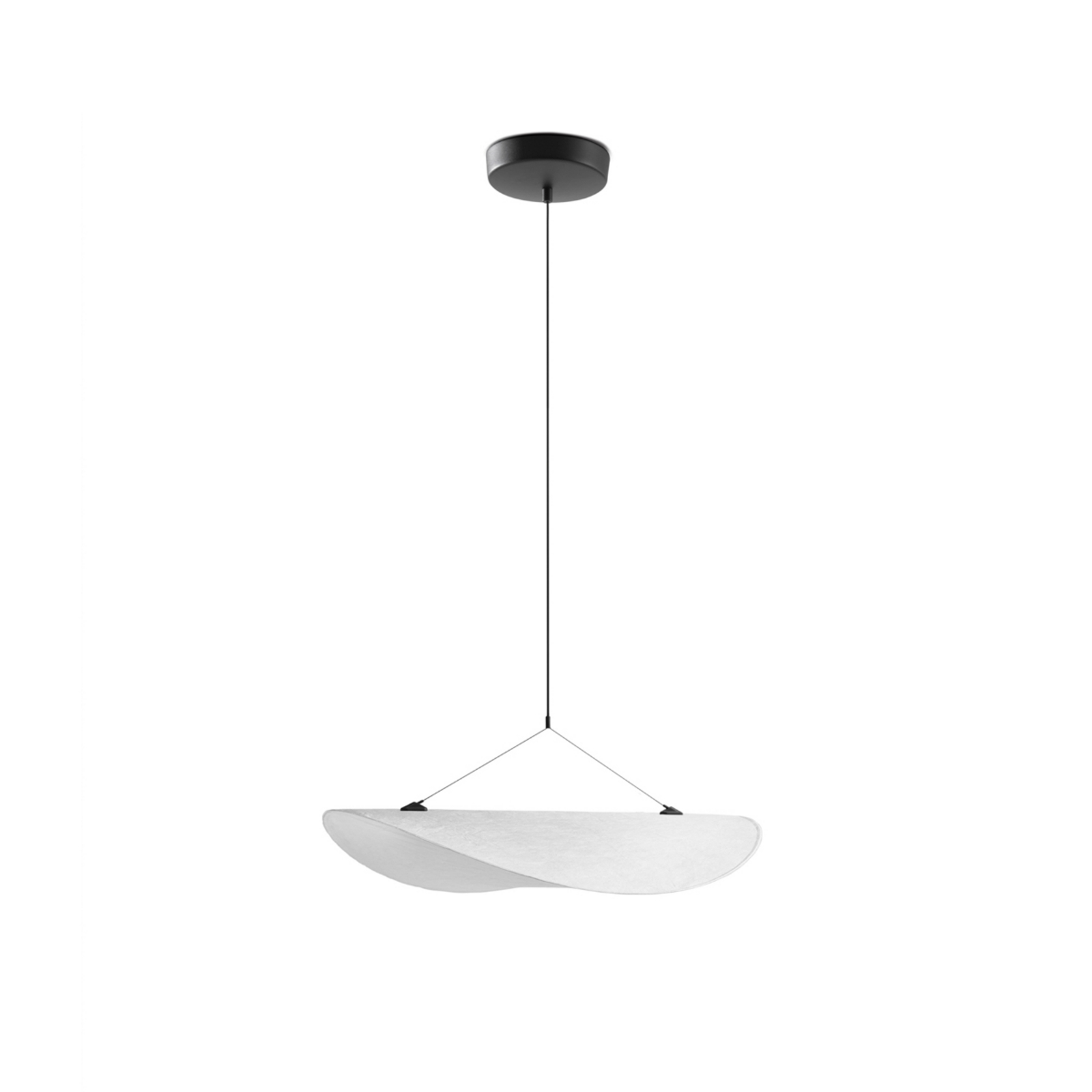
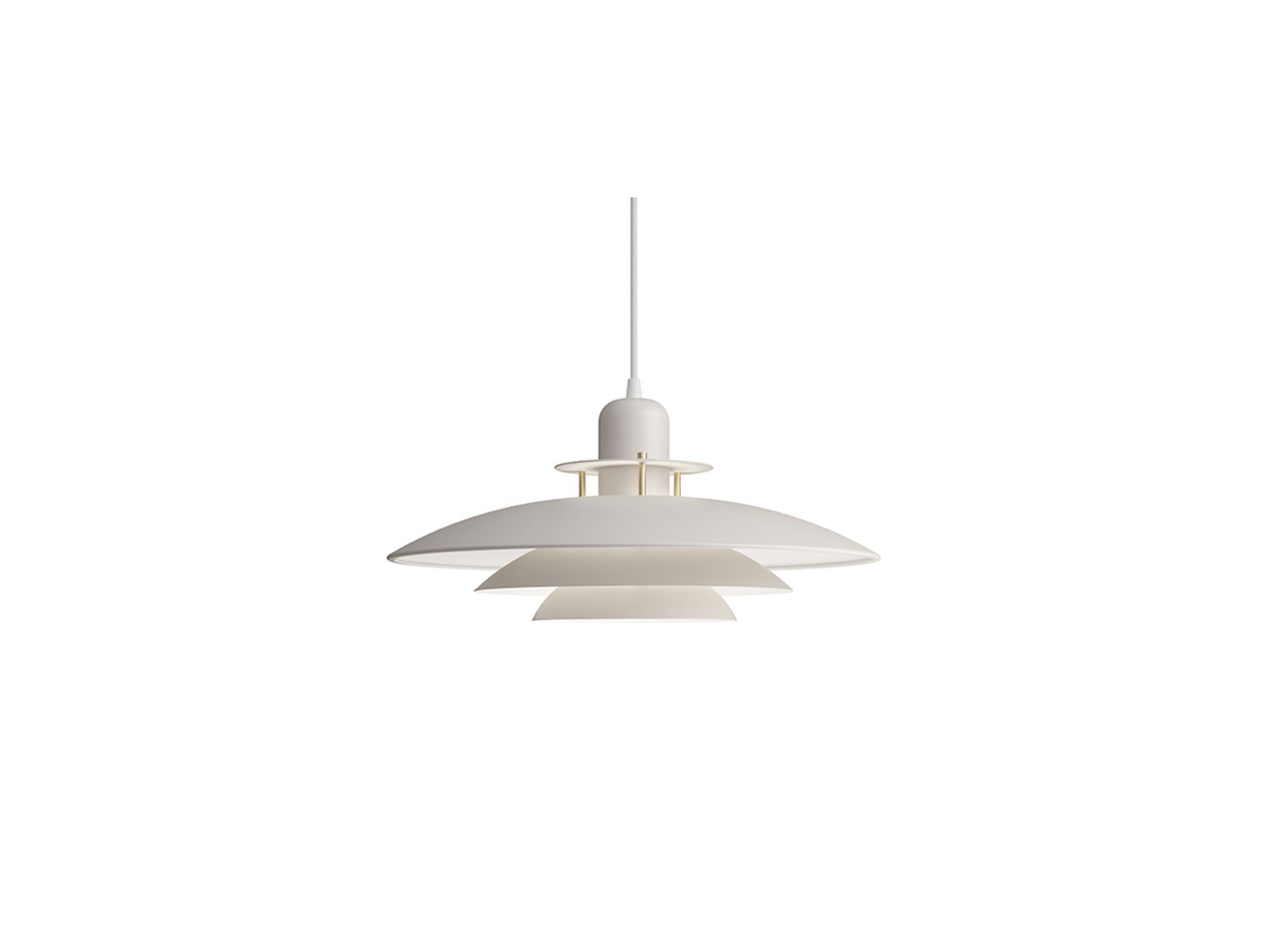
When hung above a dining table, a kitchen island, or a seating area, pendant lights draw the eye to the center of the room. A designer pendant light defines a room not only through its light, but also through its shape, color, and the way it is suspended. Sleek lines create a subtle look, large shades add visual weight to the interior, and transparent materials make it appear lighter. This creates an interplay with furniture, architecture, and existing light sources that tangibly influences the character of a room.
Designer pendant lights as a defining element in a room
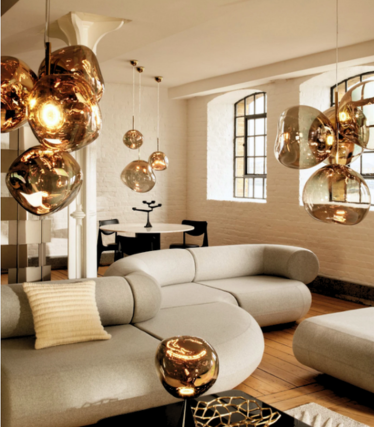
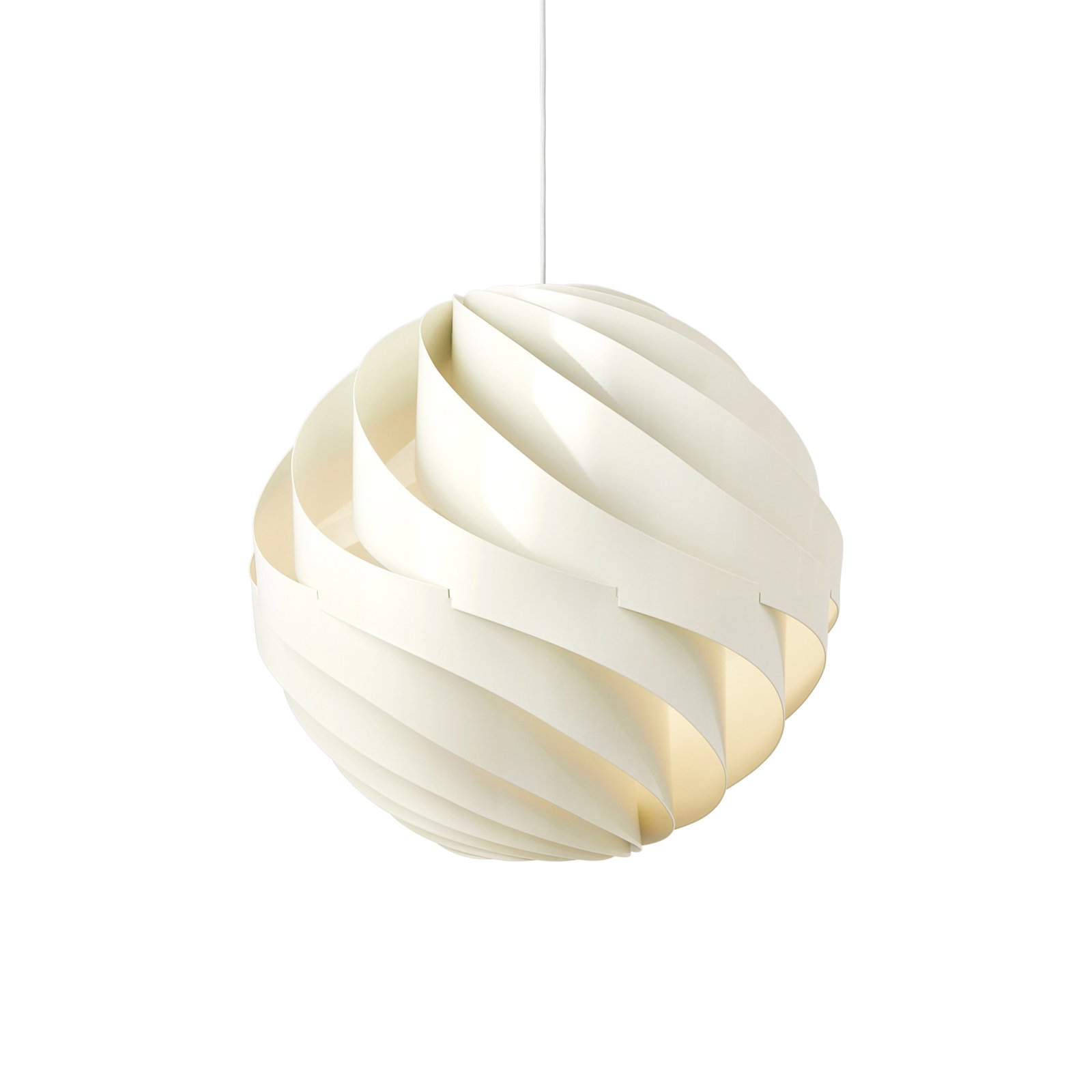
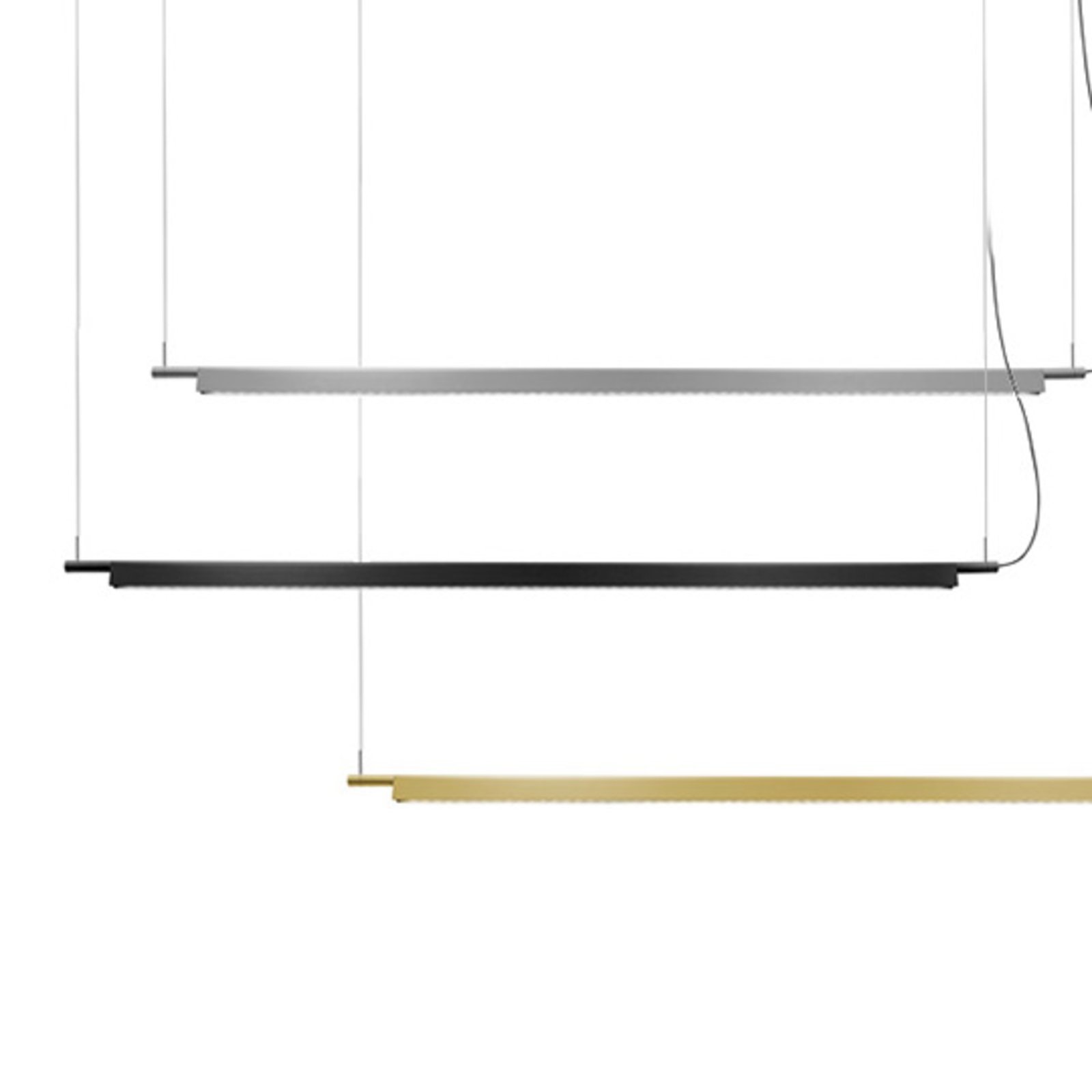
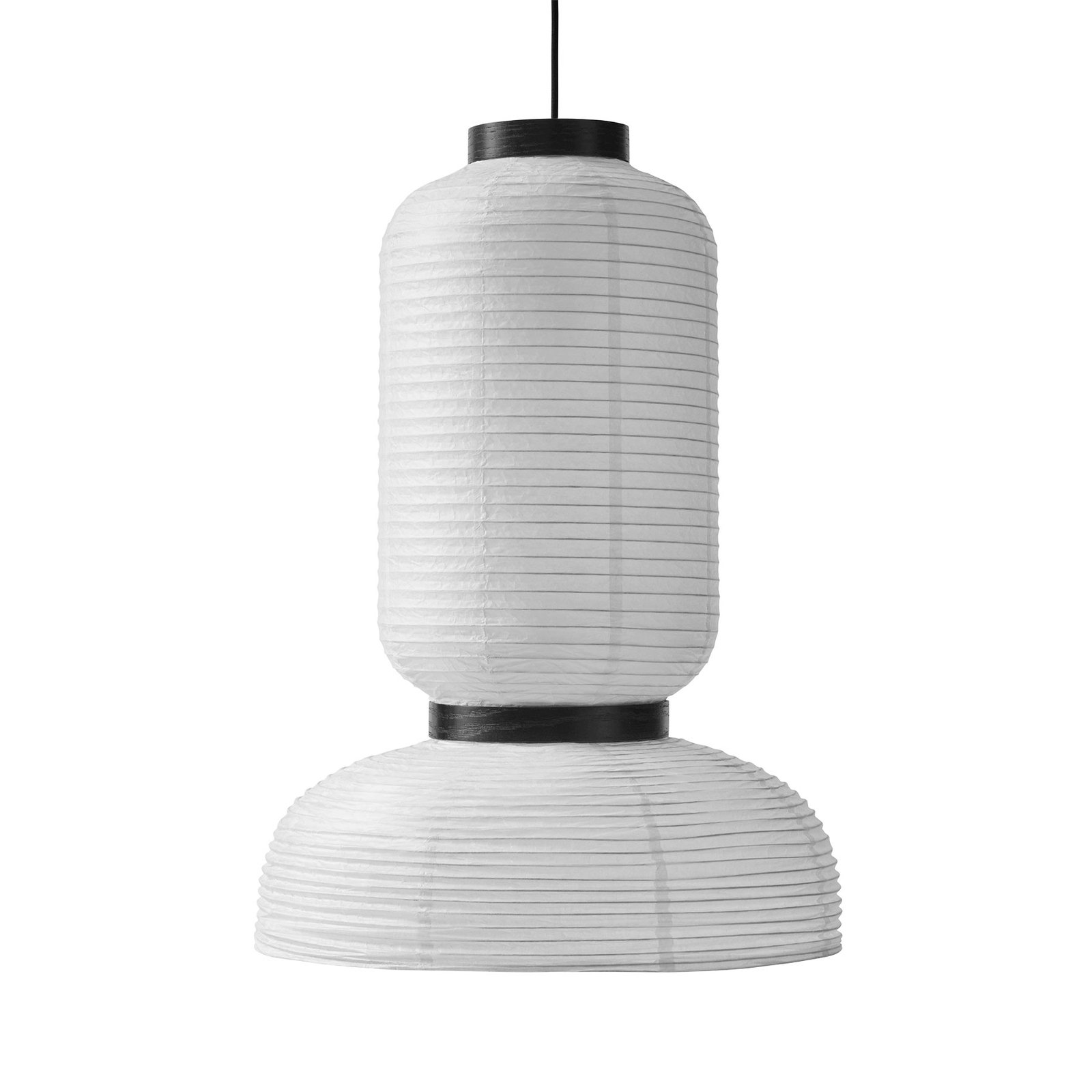
Even when turned off, a designer pendant light is still part of the decor. Spherical shades add soft contours to rooms with linear designs, while narrow or geometric designs can echo clean architectural forms. Large pendant lights have a stronger impact when used as standalone pieces. Smaller models blend in more discreetly or, when grouped together, take on a presence of their own. That doesn't make sense, since we're talking about the shape of the lamp, and yet it's listed on the same level as a table and other pieces of furniture.
The visible suspension also contributes to this impression. A long cable emphasizes the vertical dimension and can effectively define the space in high-ceilinged rooms. If the light fixture hangs closer to the table, the area below it appears more cohesive and takes on a clearer focal point in the design. In a Scandinavian-inspired interior, minimalist silhouettes and subdued colors can complement the design. In contrast, more striking designs create a deliberate contrast with simple furniture. Depending on the size and furnishings of the room, compact, large-format, linear, or multi-bulb pendant lights may be suitable. Key factors here include the ceiling height, the size of the furniture underneath, and the area to be illuminated.
Glass, Metal, and Color: How Materials Shape the Effect of Light
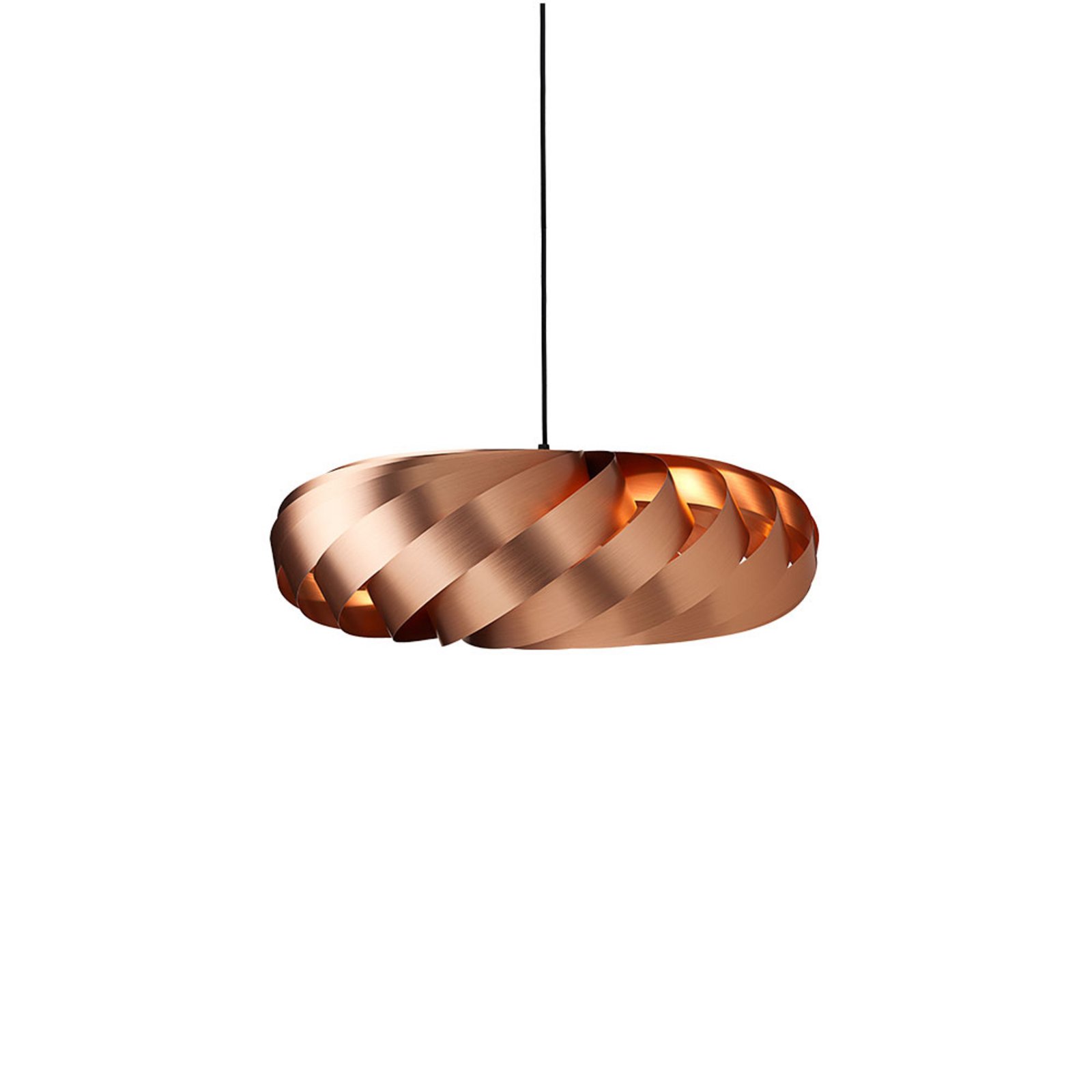
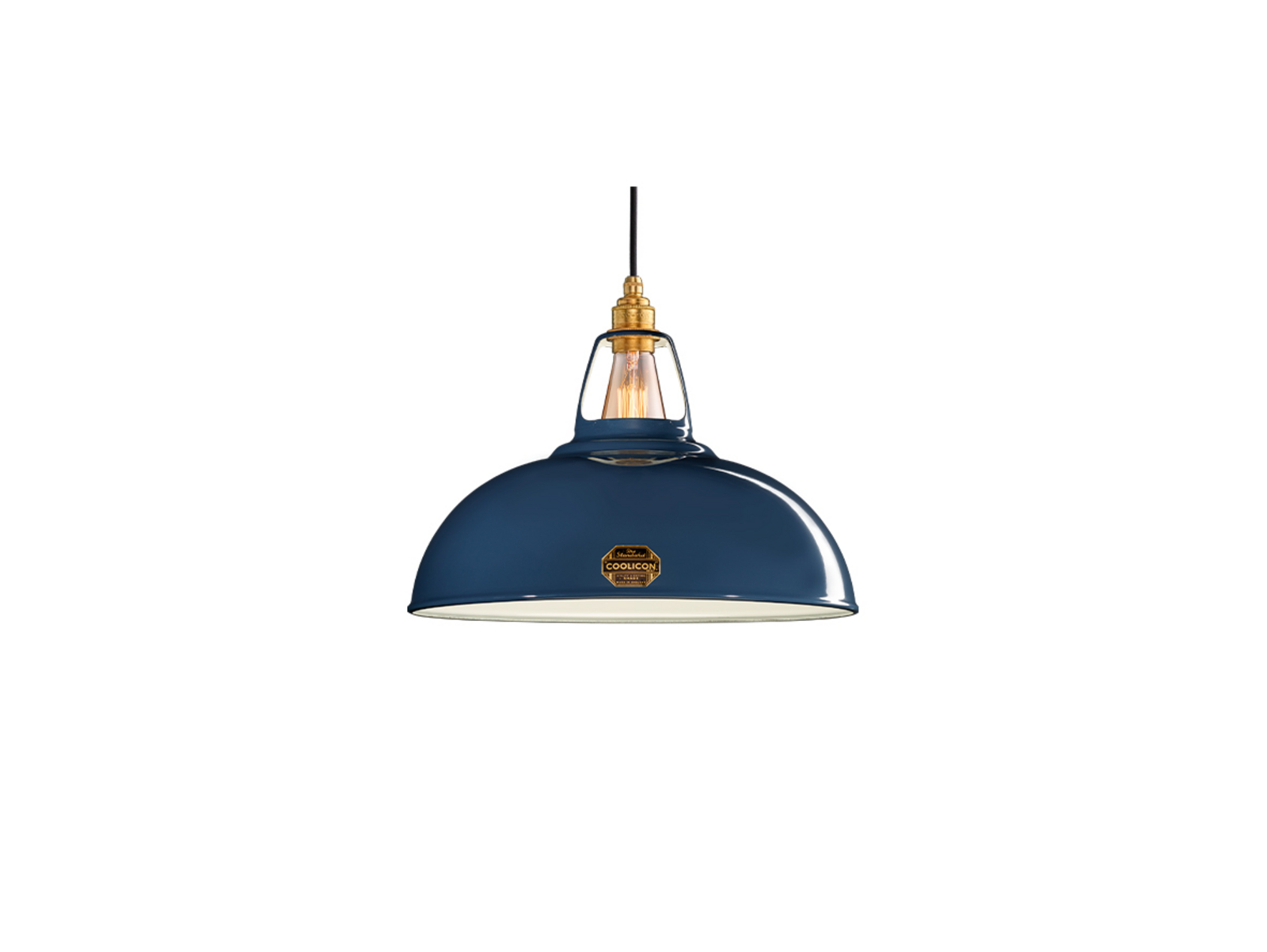
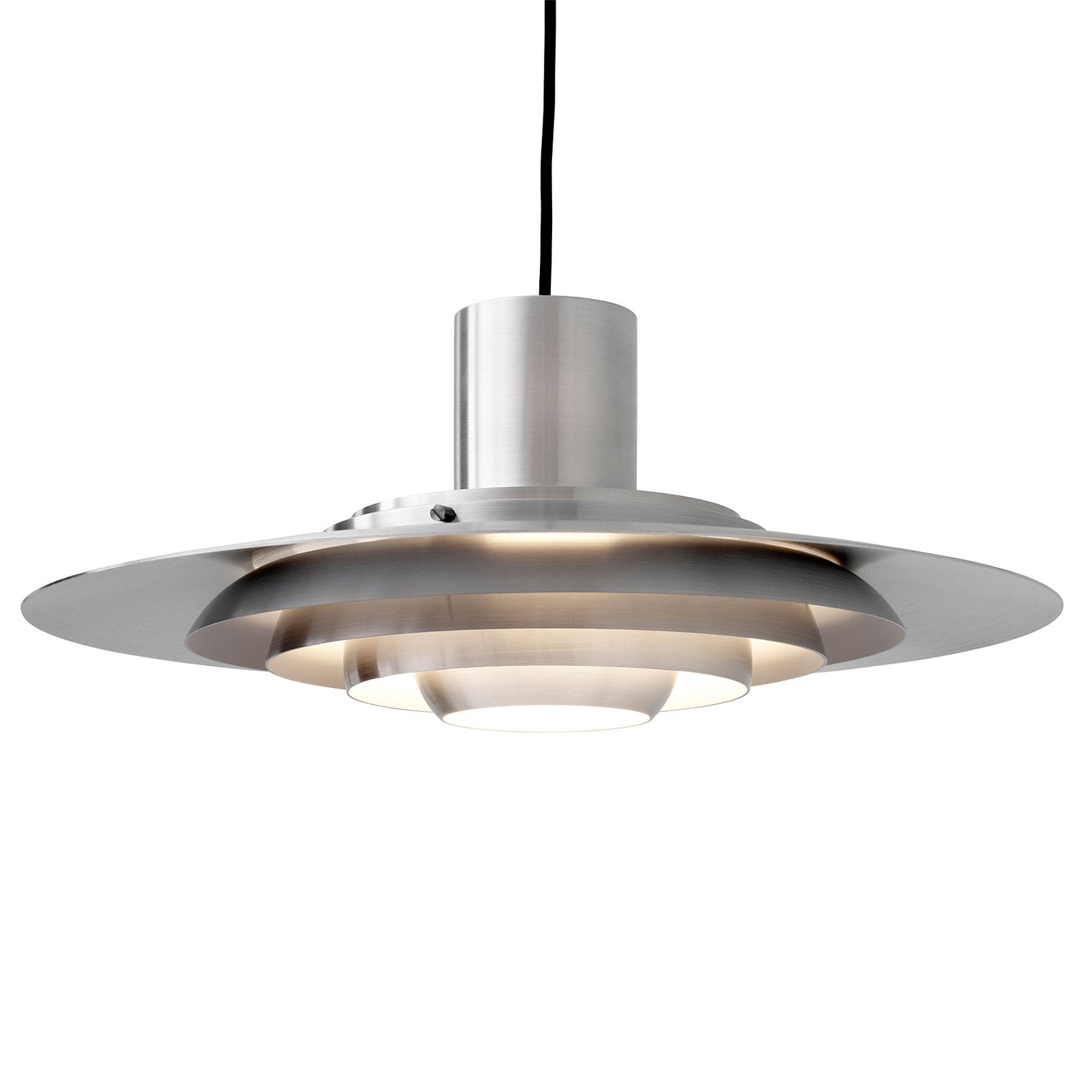
With pendant lights, the material and finish significantly influence how light is reflected, diffused, or transmitted. Clear glass allows the light source and structure to be visible and creates a light, airy look. Opal or tinted glass diffuses the light more softly while also altering the perceived color of the light fixture. Metallic surfaces make the lampshade appear more solid and substantial. Matte finishes reduce reflections, while glossy surfaces can reflect points of light and parts of the surroundings. Wood and other natural materials can also influence the feel of a room. They usually have a warmer, cozier feel and pair particularly well with furniture, flooring, or textiles in similar shades.
Color also affects how prominently a pendant light is perceived in a room. Black or dark shades create a distinct outline in the room, while light colors blend more seamlessly with a white ceiling or neutral walls. Warm hues can be coordinated with wood, textiles, or other natural materials in the interior. When the light is on, the inside of the shade also becomes visible. A light-colored interior reflects more visible light than a dark surface and can therefore alter the perceived light distribution. Material, finish, and color are therefore not merely decorative details; together, they determine how prominent a pendant light appears during the day and at night.
Above the Dining Table: Proportions, Height, and Arrangement of Pendant Lights
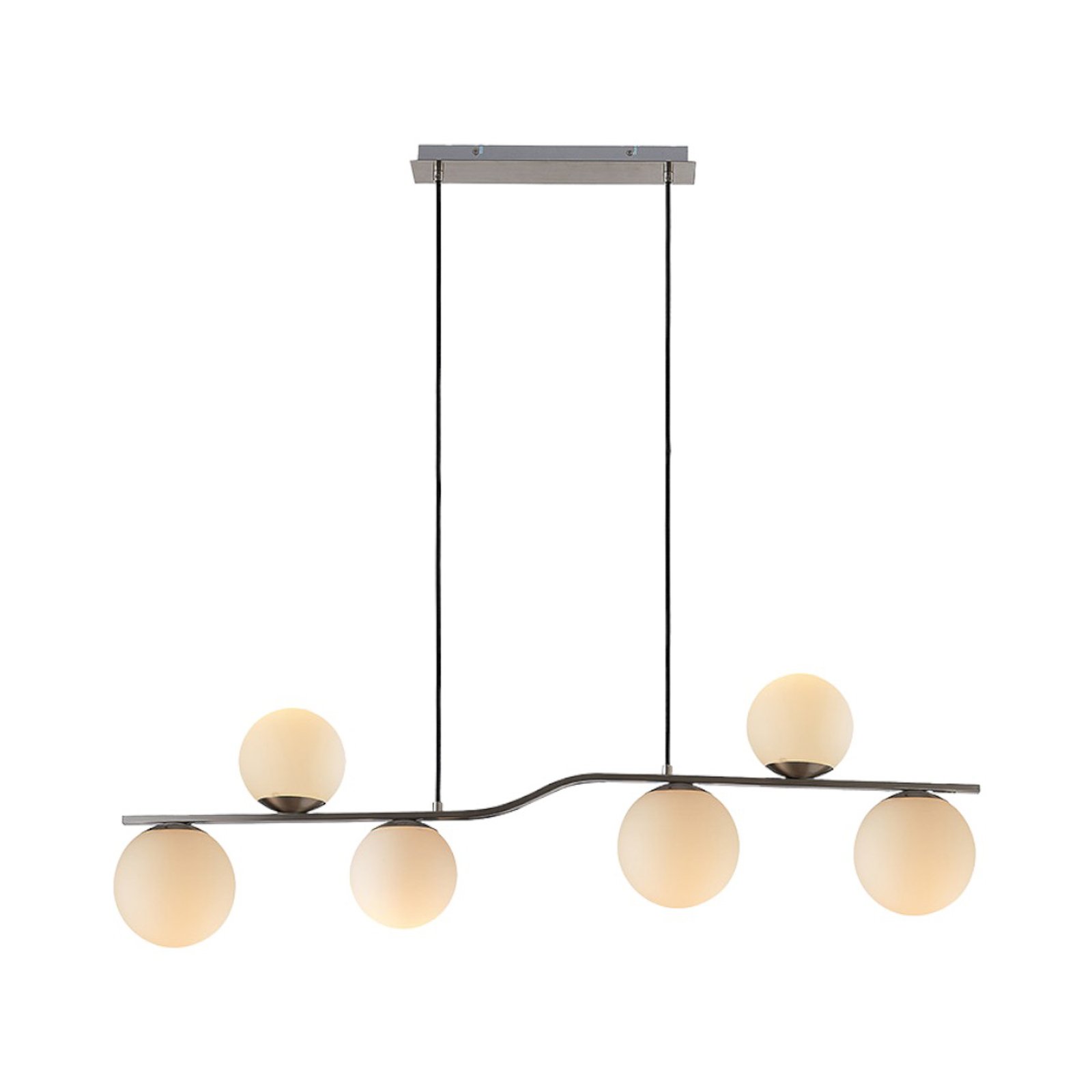
Above the dining table, it becomes particularly clear whether the size and shape of the pendant light match the table. A compact pendant light can quickly look too small when hung over a large table, while a very bulky shade can visually overwhelm a small table. Rounded shapes echo the contours of round tables, while linear pendant lights highlight the length of rectangular tables. Several smaller lights can create a more rhythmic pattern across the same area. When arranged evenly side by side, they create a calm line, while varying heights add variety to the arrangement.
The height of the pendulum also affects the impression it makes. Low-hanging lights bring the table and the light closer together and create a more defined area. Placing the pendant light farther from the tabletop makes it appear more visually integrated with the rest of the room. The pendant height affects both the unobstructed view across the table and the distribution of light across the tabletop. Above long dining tables or kitchen islands, a linear or multi-bulb lighting solution can distribute light over a larger area without a single large shade dominating the room. Dimmable lighting further expands the possibilities for use when the same dining area needs to be sufficiently bright during the day and more subdued in the evening.
Pendant lights for the living room, kitchen, and other rooms
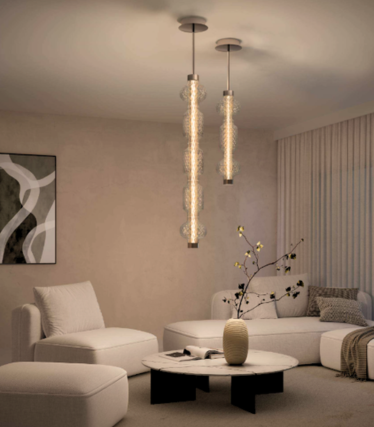
In the living room, a designer pendant light doesn't necessarily hang over a central table. Placed above a coffee table, it can visually unify a seating area; when placed next to a sofa, however, it tends to serve as a focused point of light. In open-concept living spaces, pendant lights help visually distinguish the dining area from the living area without physically dividing the space. The shape and height determine whether the light fixture stands out prominently or blends seamlessly into the interior design.
The kitchen, bedroom, hallway, and office also each have different design requirements for pendant lights. In the kitchen, clear lighting over an island or table can be combined with a striking silhouette. In the bedroom, a smaller pendant light next to the bed looks lighter than some table lamps and keeps the surface of the nightstand clear. In a hallway, compact shapes can guide the eye along the axis of the room, provided the ceiling height allows for sufficient clearance. In an office, pendant lights can help visually organize workspaces. Models with dimmable LED lighting offer additional flexibility between focused lighting and more subdued lighting in the evening.
Well-known design brands and design classics
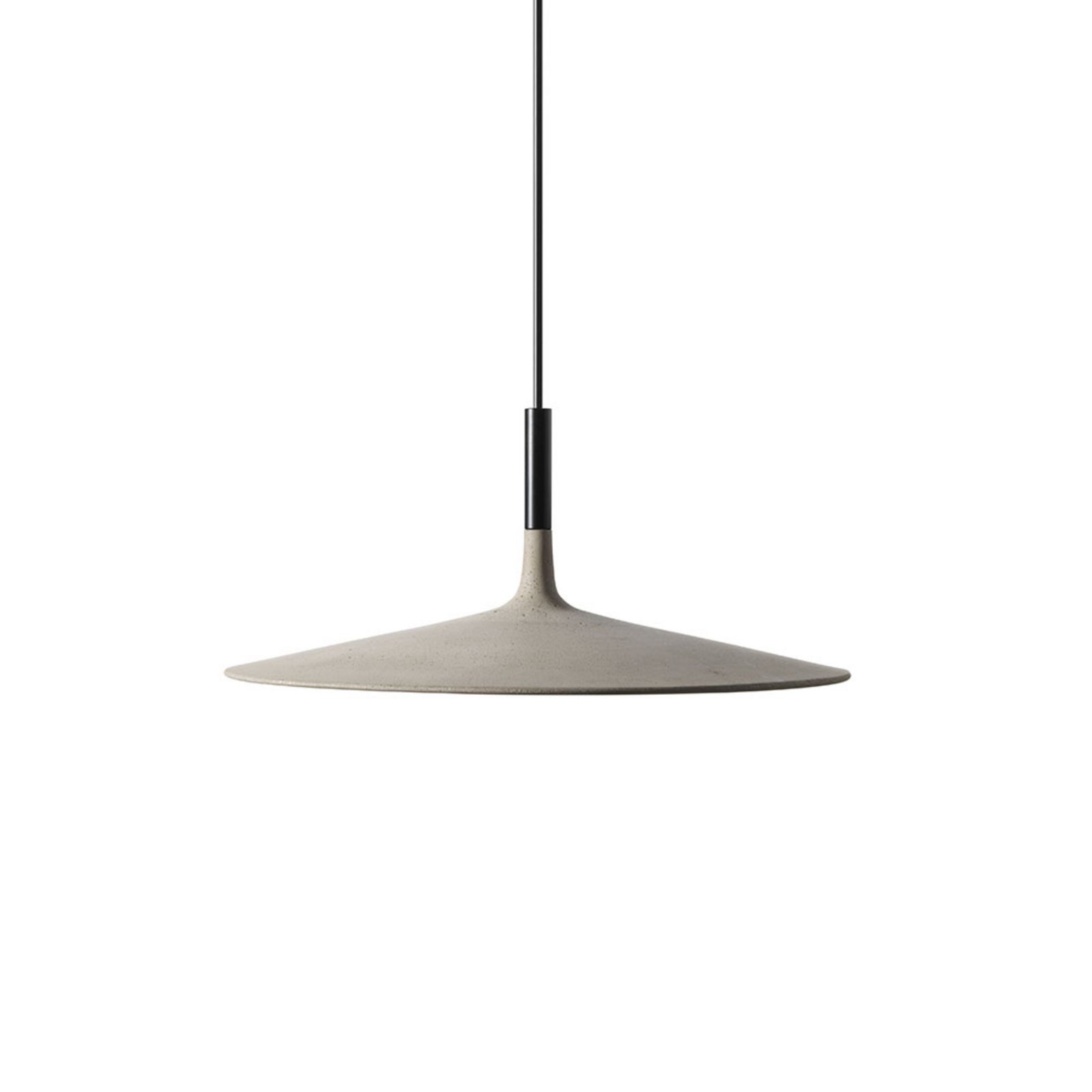
Well-known design brands demonstrate just how differently pendant lights can be interpreted in terms of shape, material, and lighting effect. The spectrum ranges from understated, functional designs to expressive, sculptural lighting fixtures. Brands such as Louis Poulsen, Foscarini, Artemide, Flos, and Audo Copenhagen represent different approaches within modern lighting design.
A design classic among pendant lights remains particularly appealing when its design is understandable even apart from fleeting interior design trends. Distinctive proportions, a clearly recognizable design, or a unique relationship between the shade and the light can be more important than decorative details. In modern living spaces, such designs do not need to be combined with other well-known design pieces. When paired with simple furniture, their shape can stand out even more clearly. The interplay of size, color, material, and space remains crucial. This gives the light fixture a distinct presence without overshadowing the rest of the decor.
© 2026 Lampemesteren GmbH