
Filter and sort
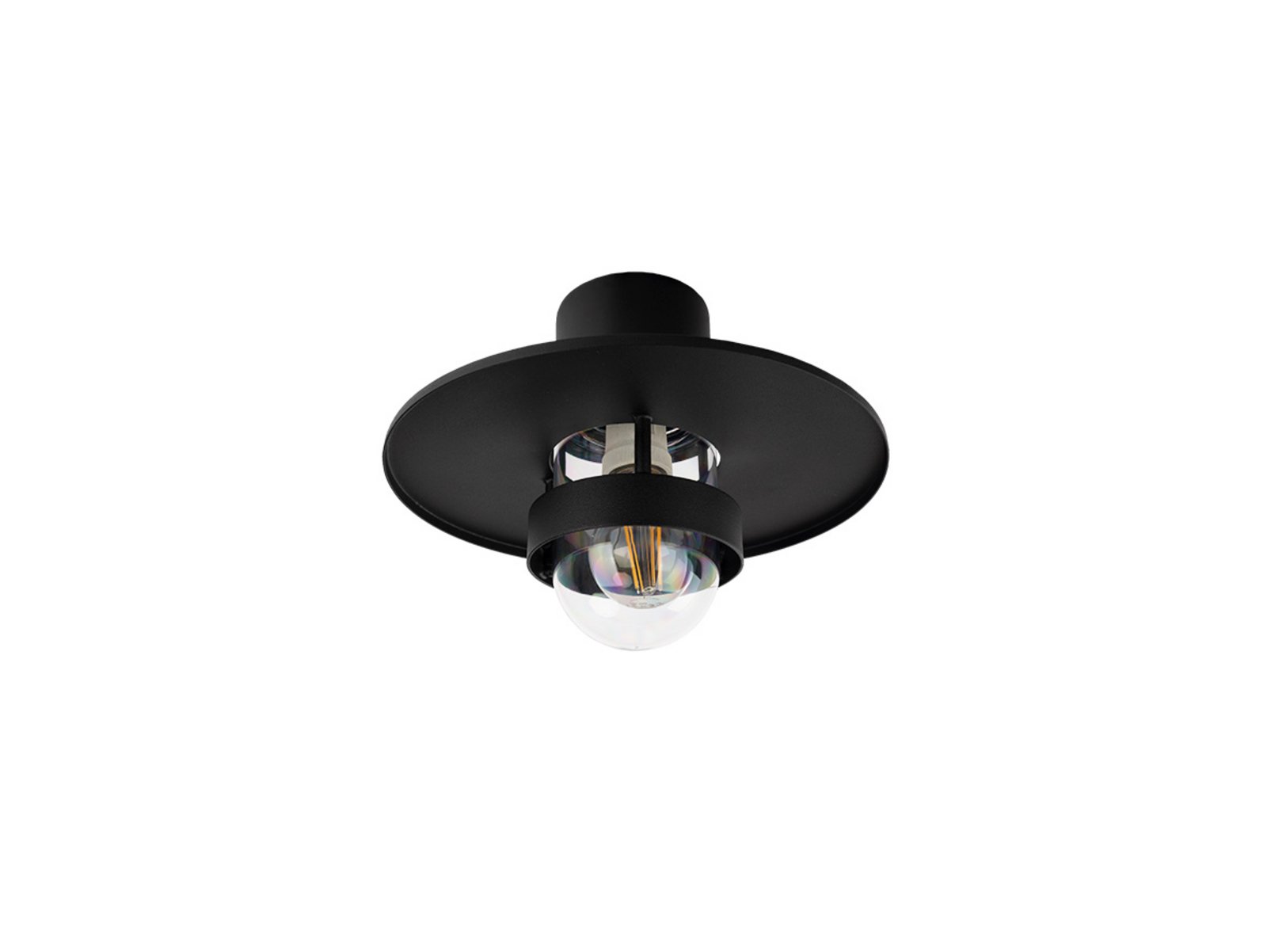
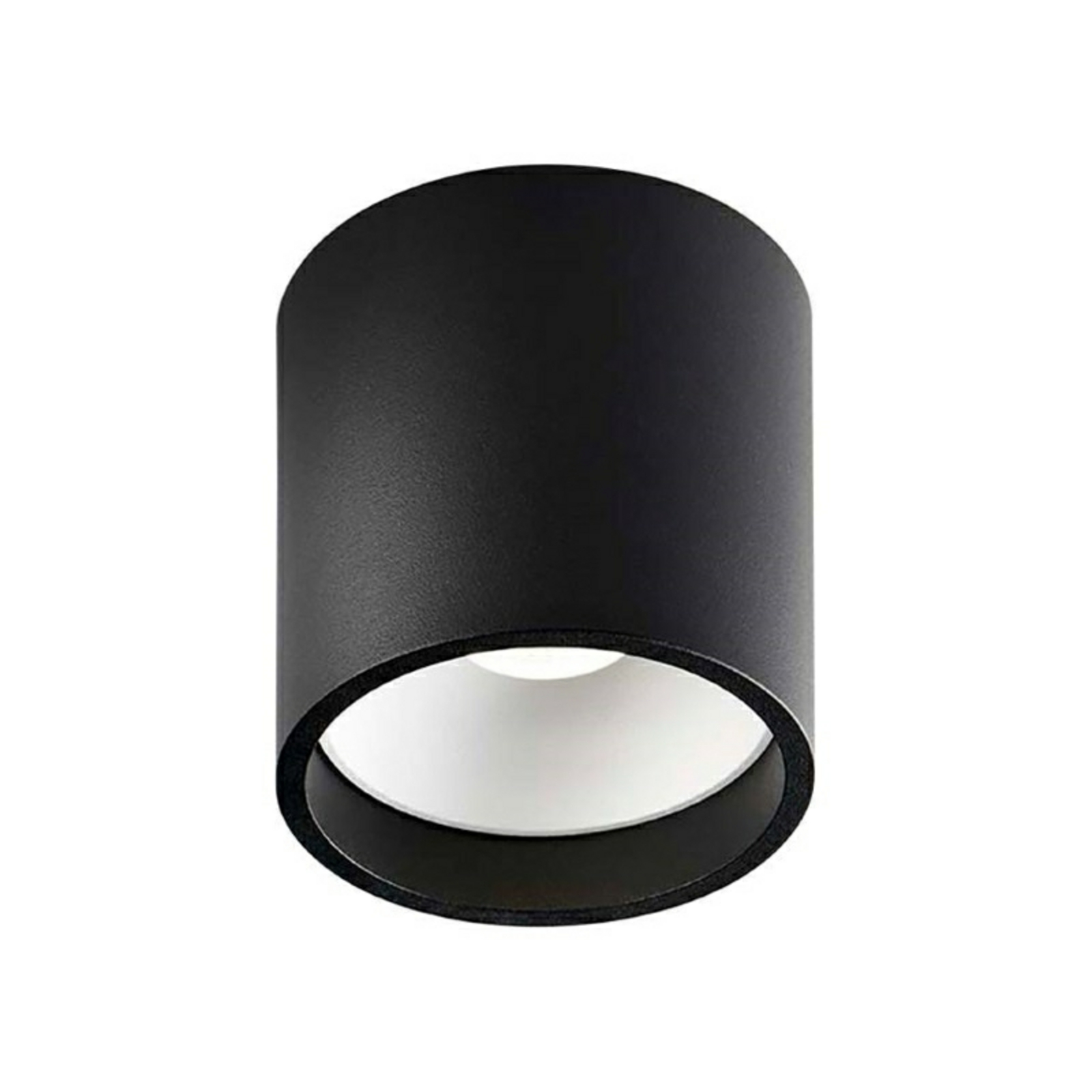
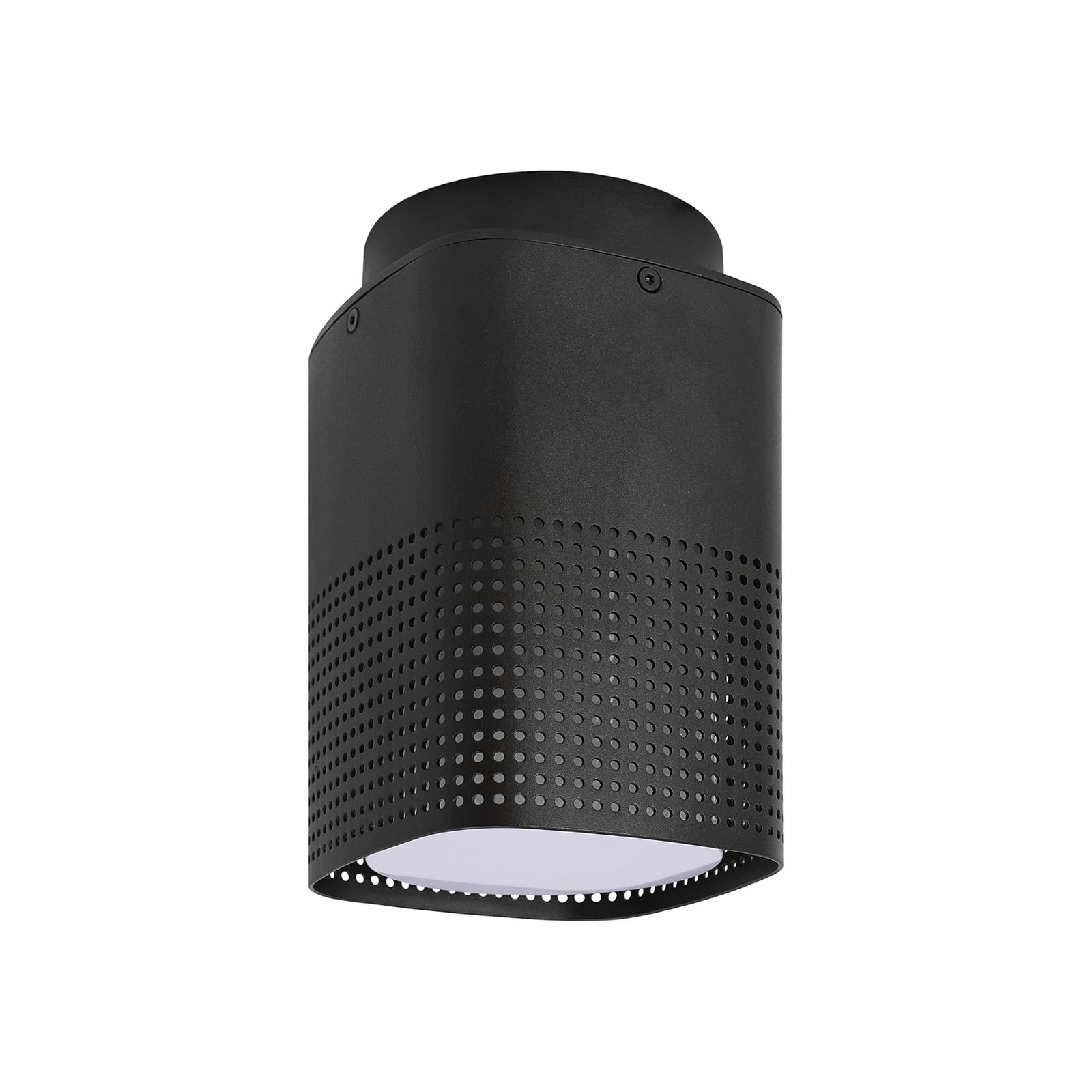
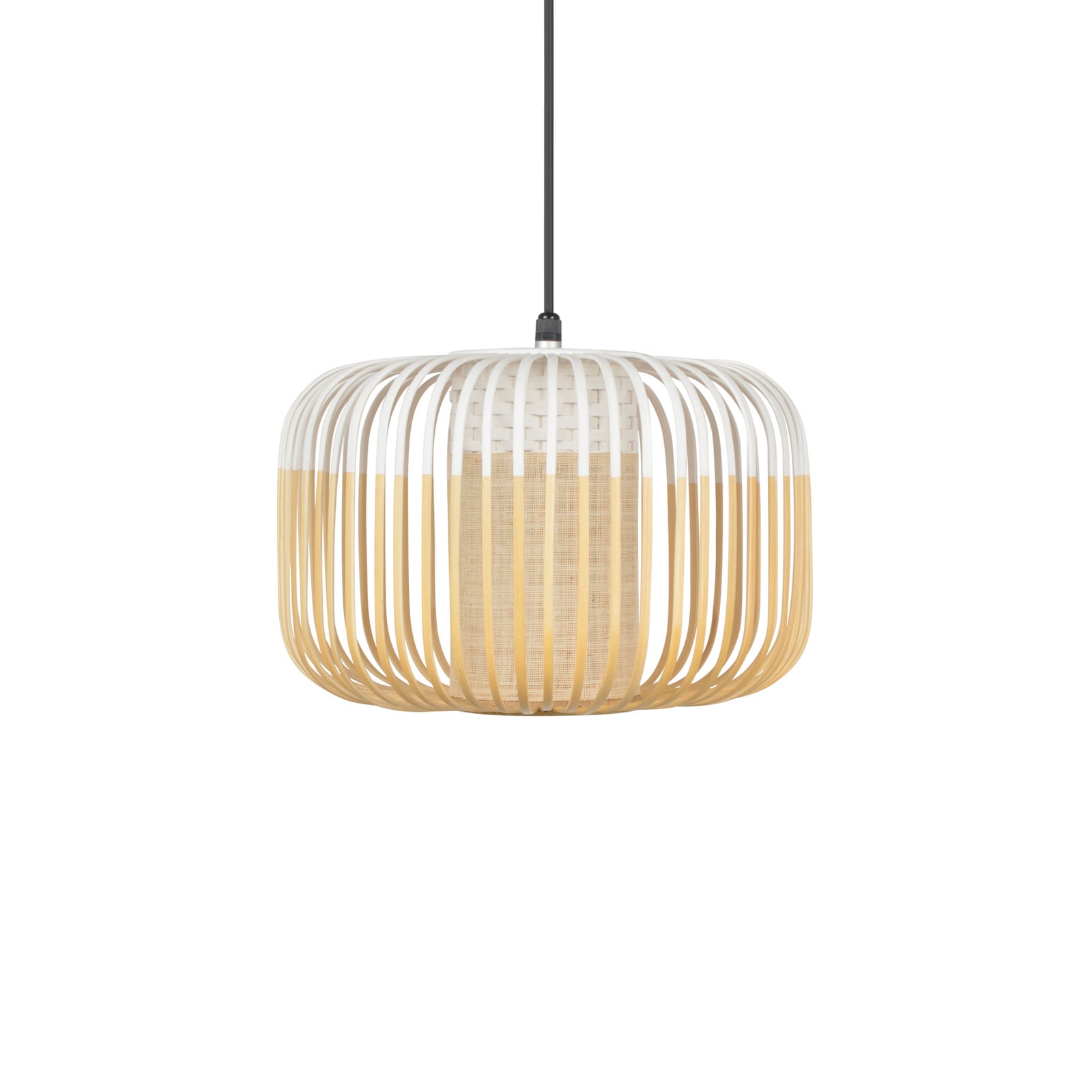
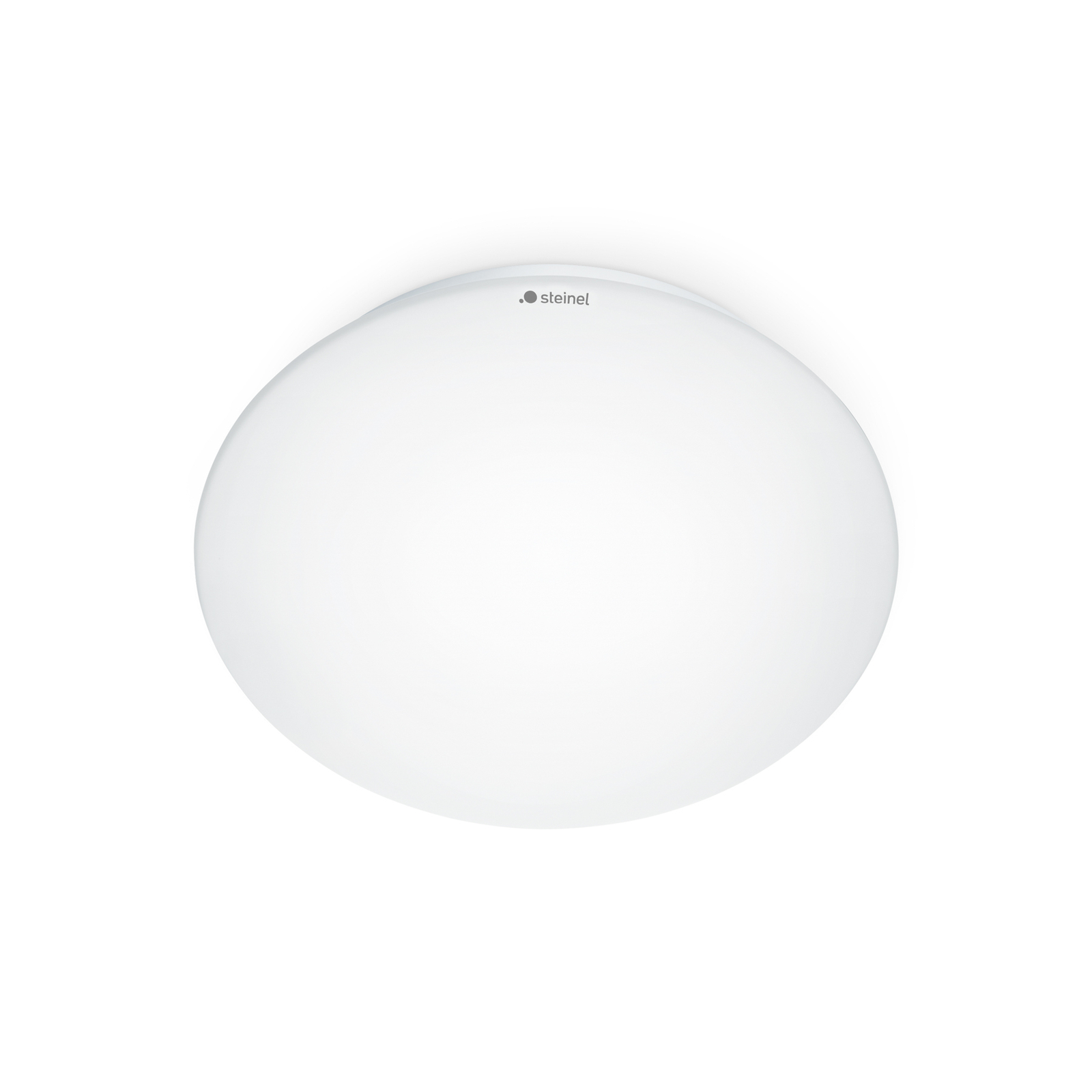
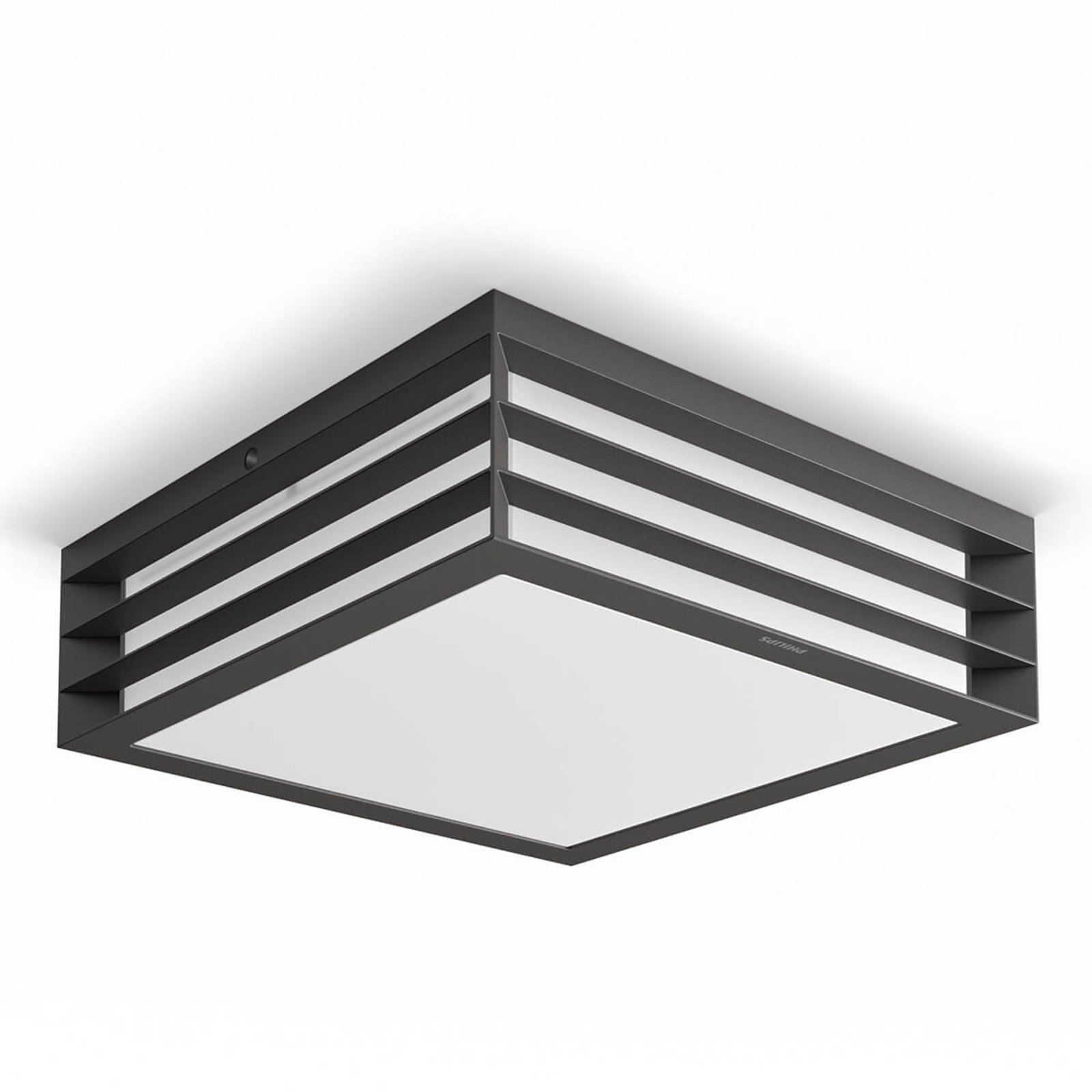
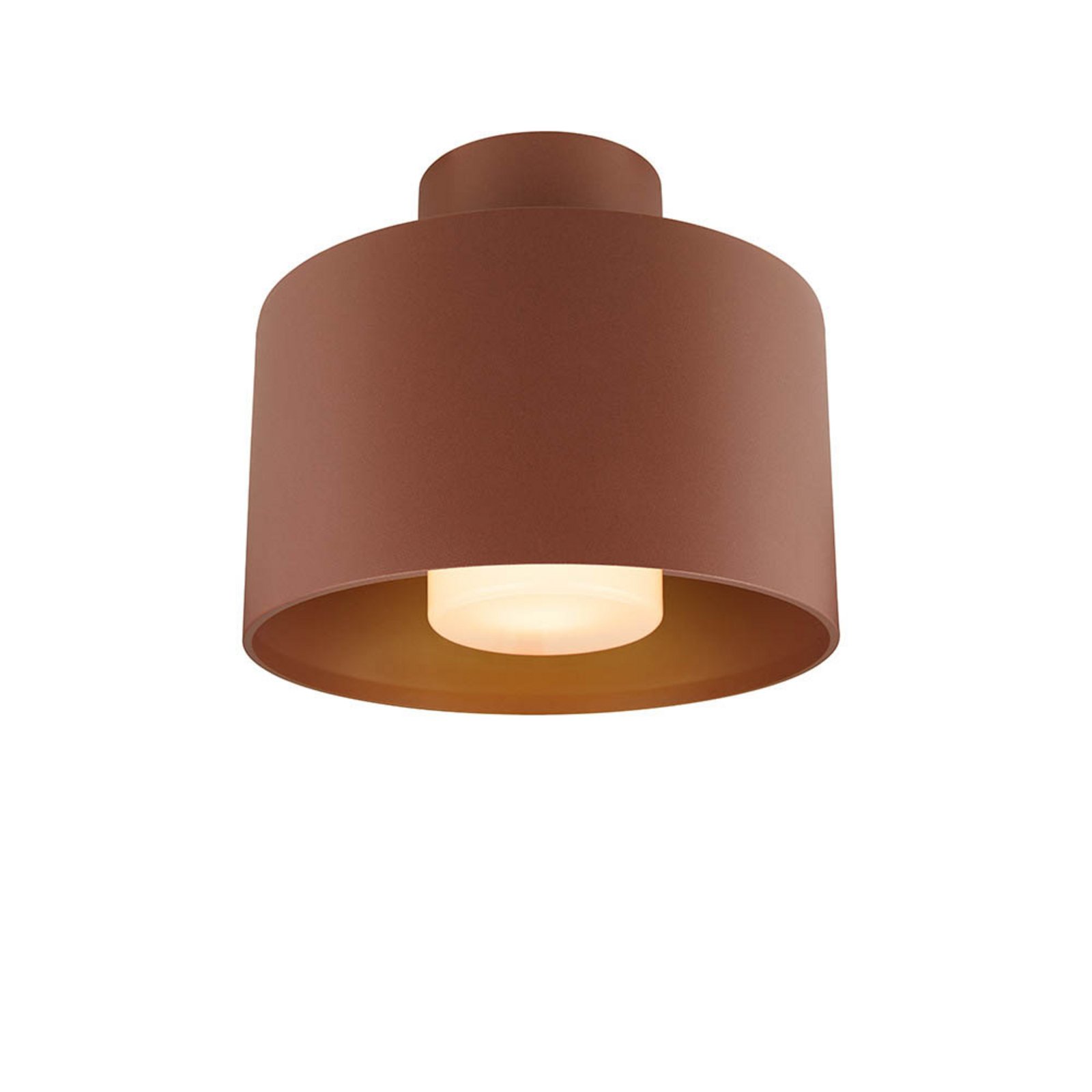
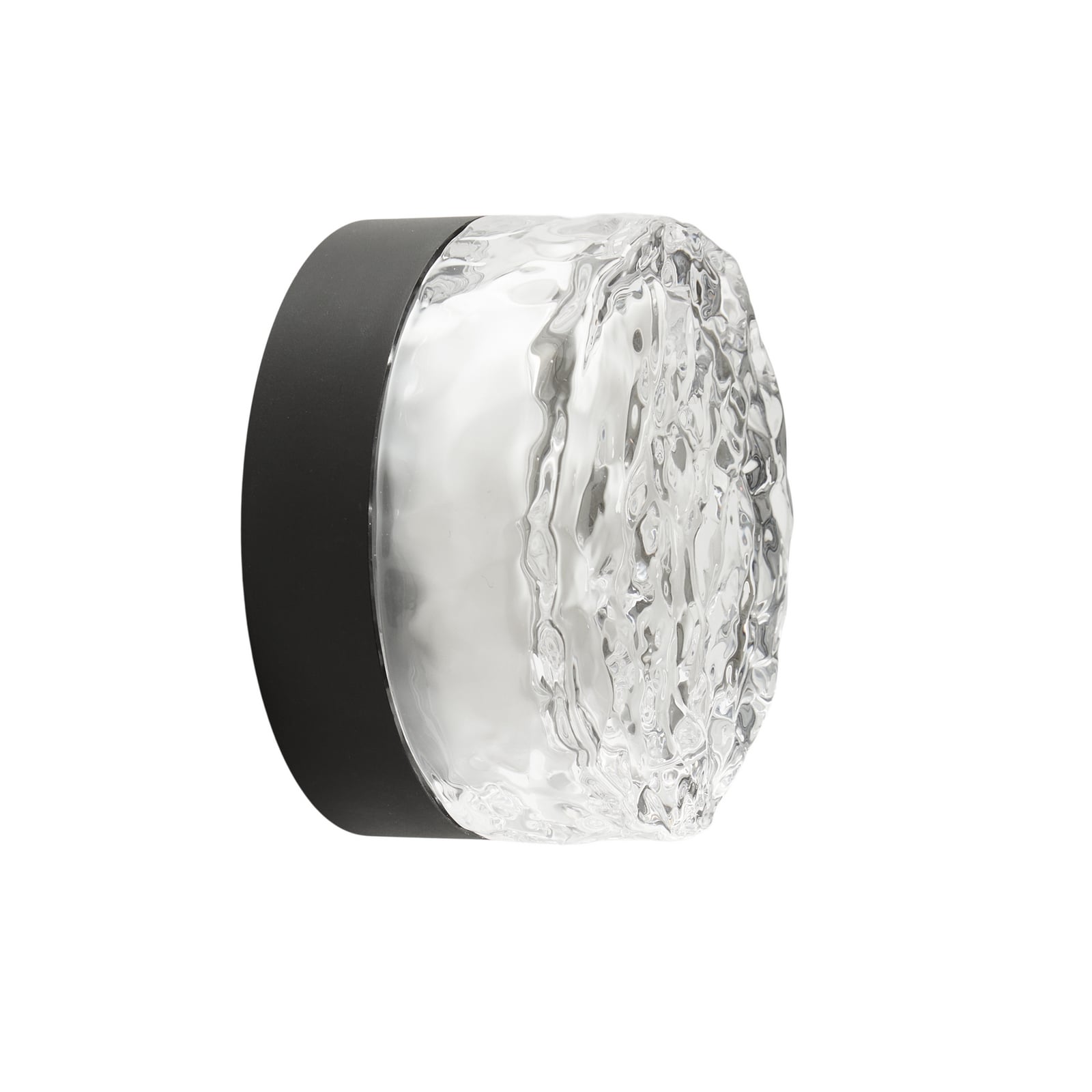
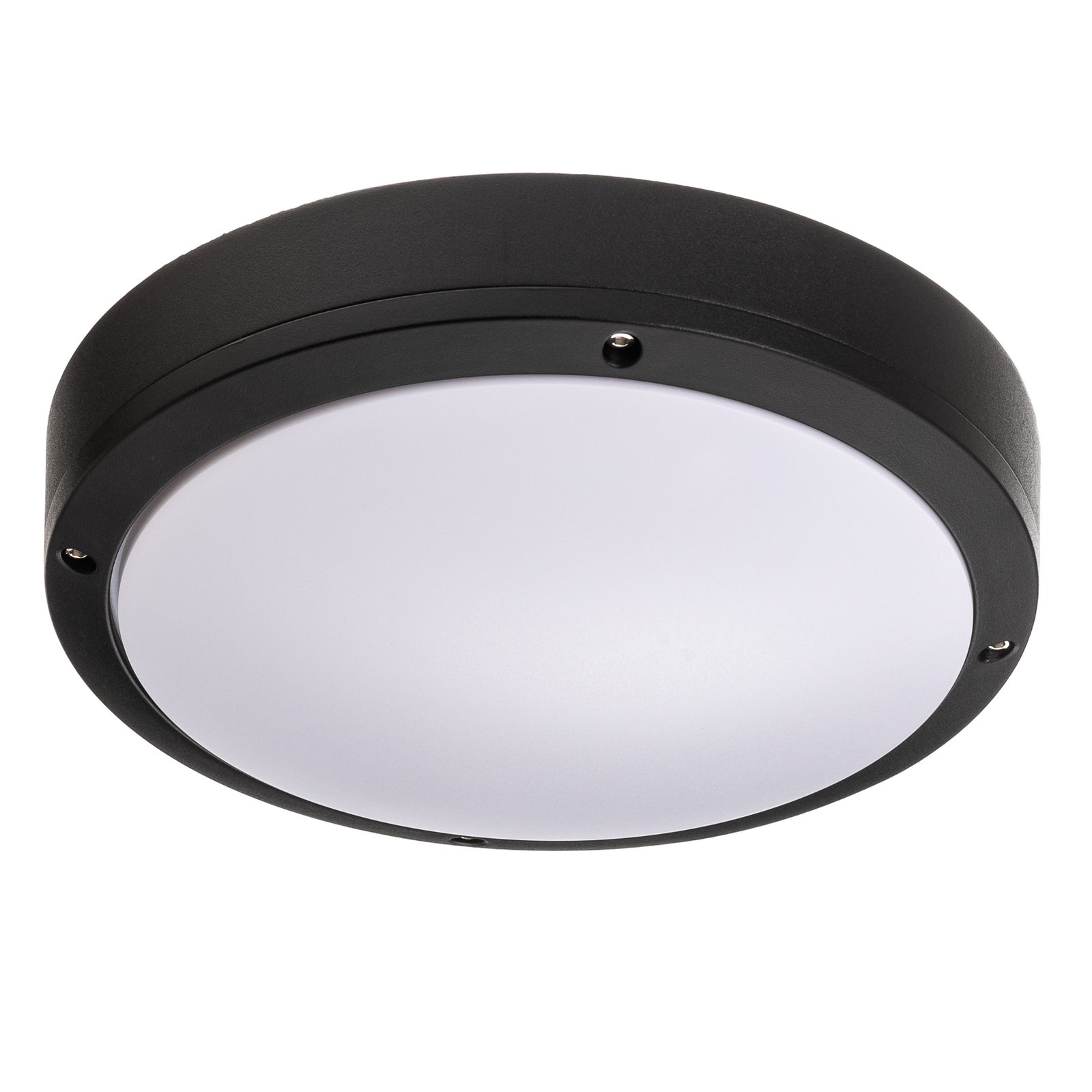
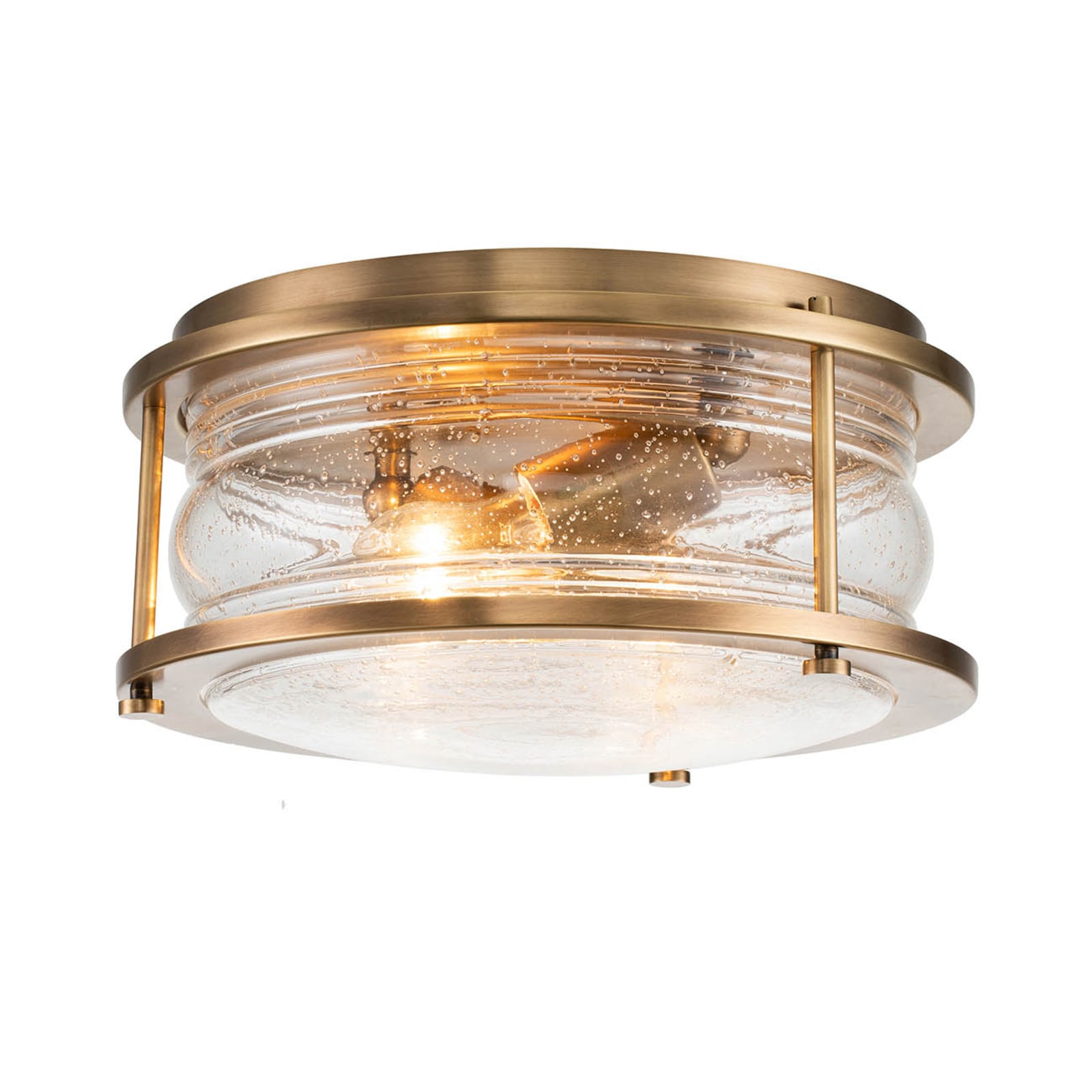
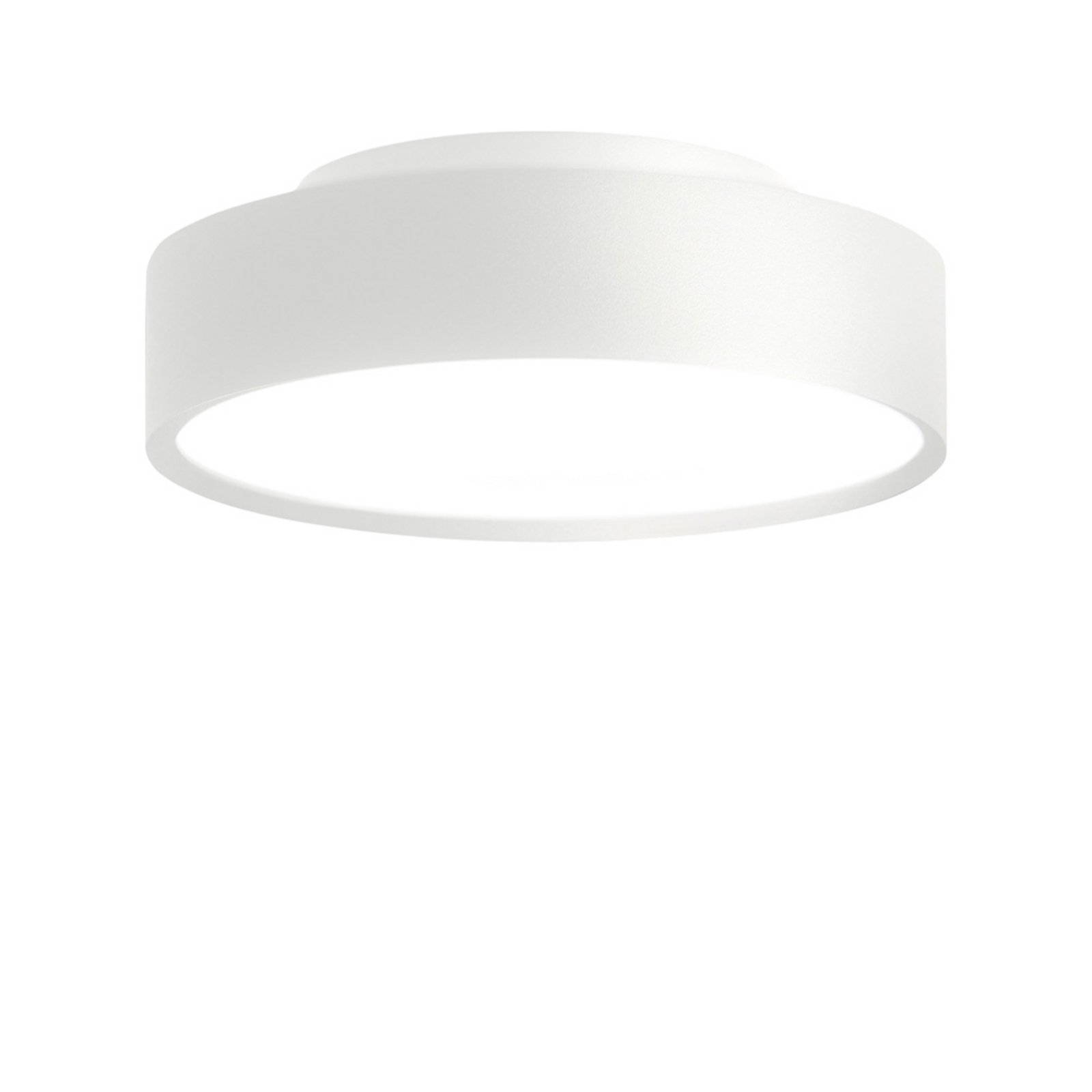
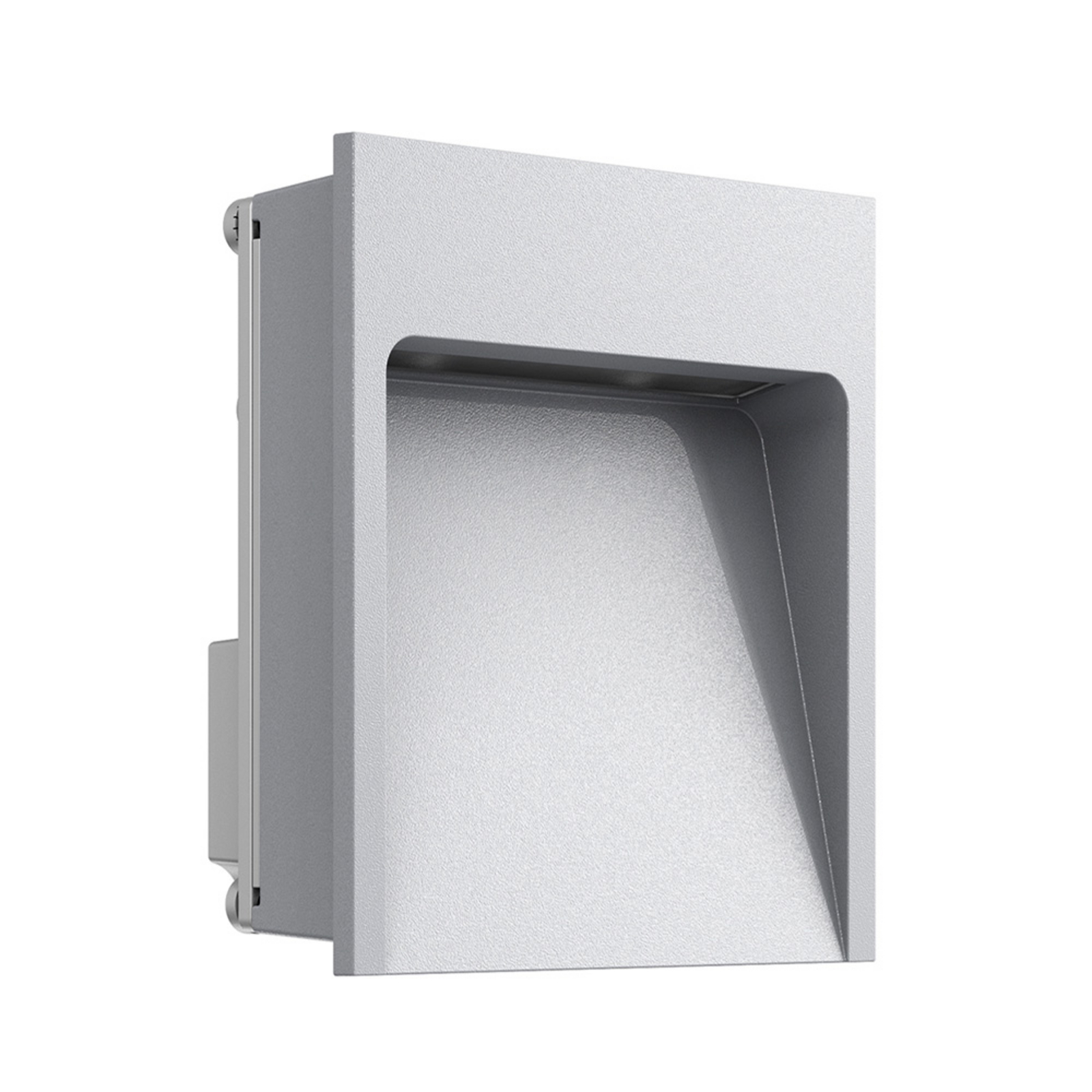
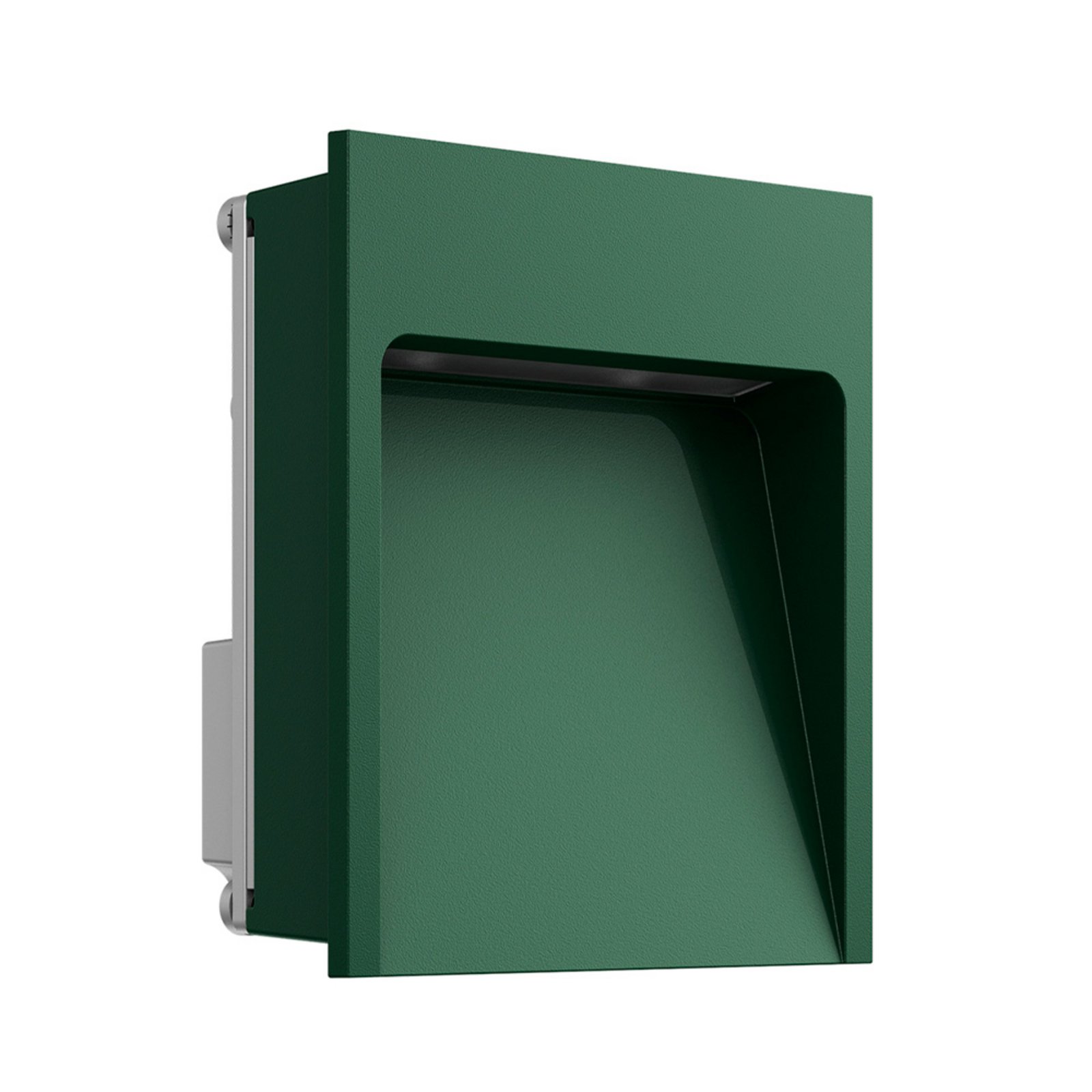
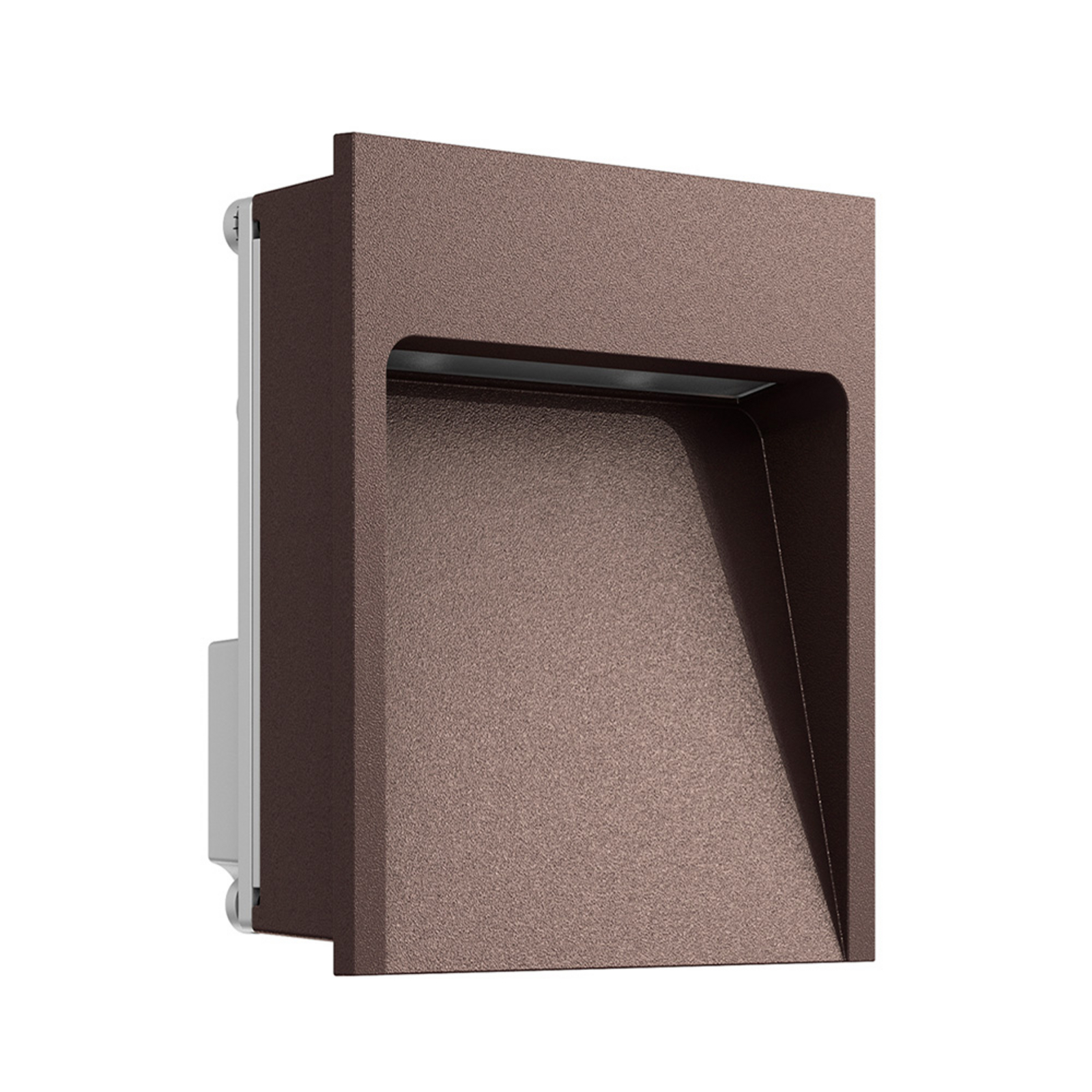
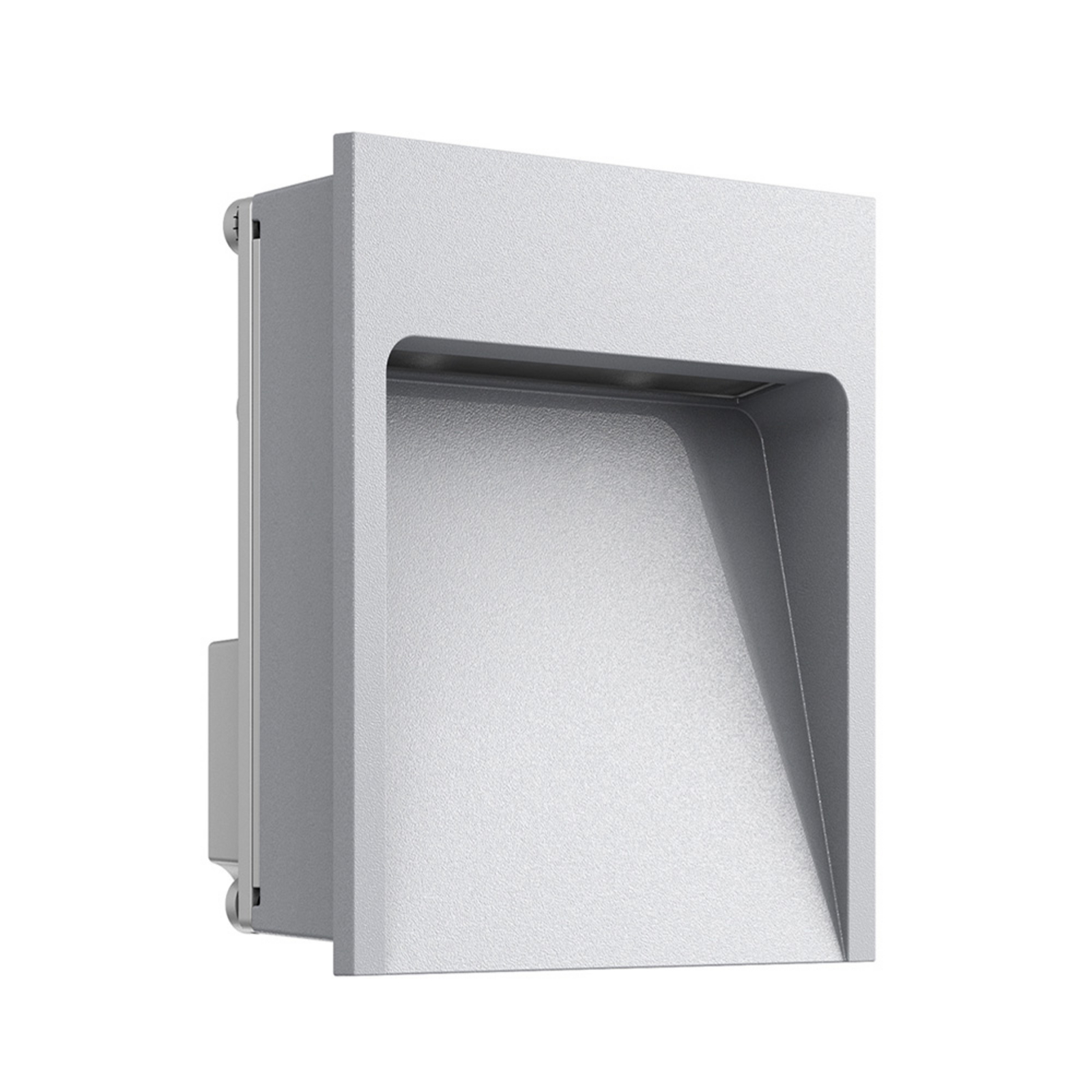
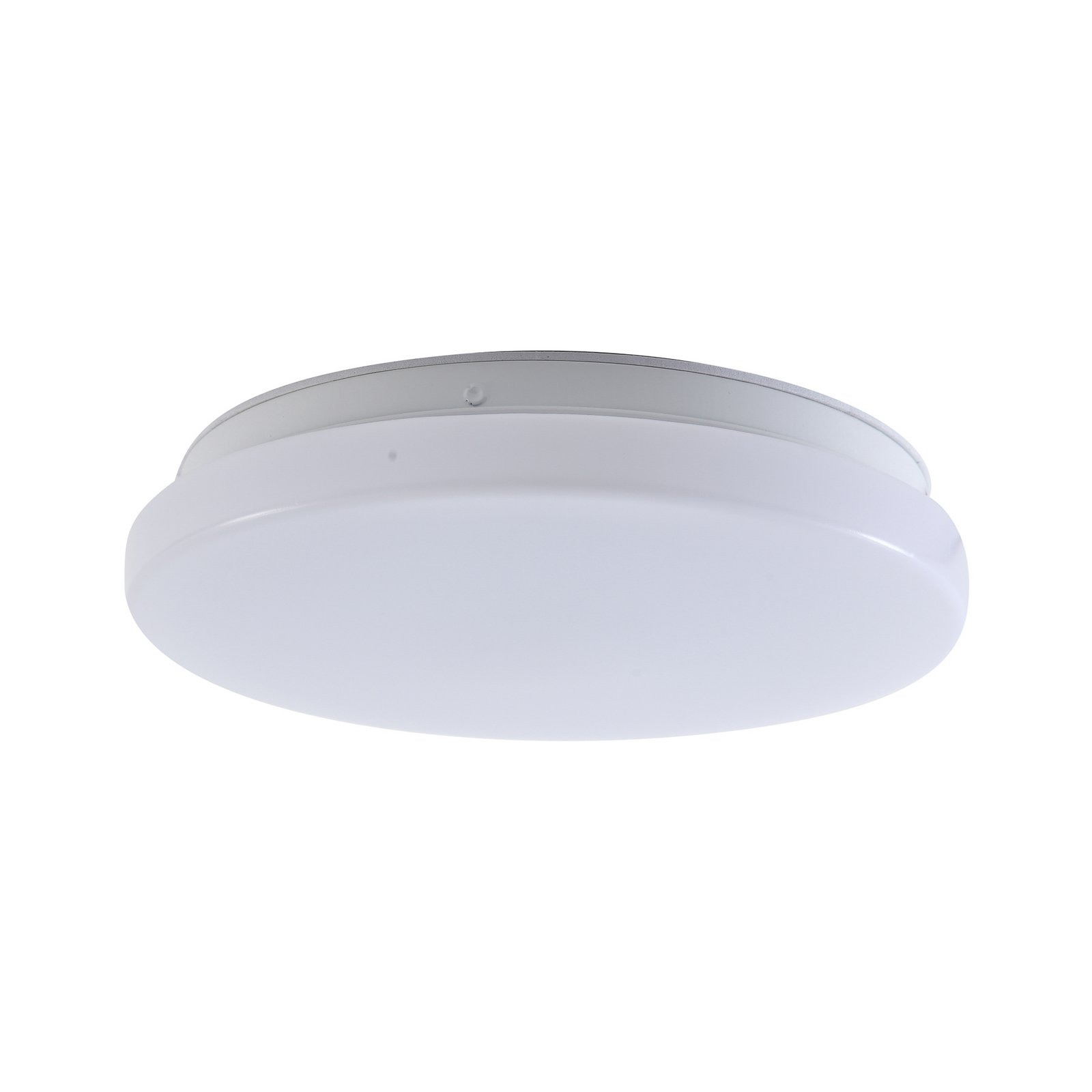
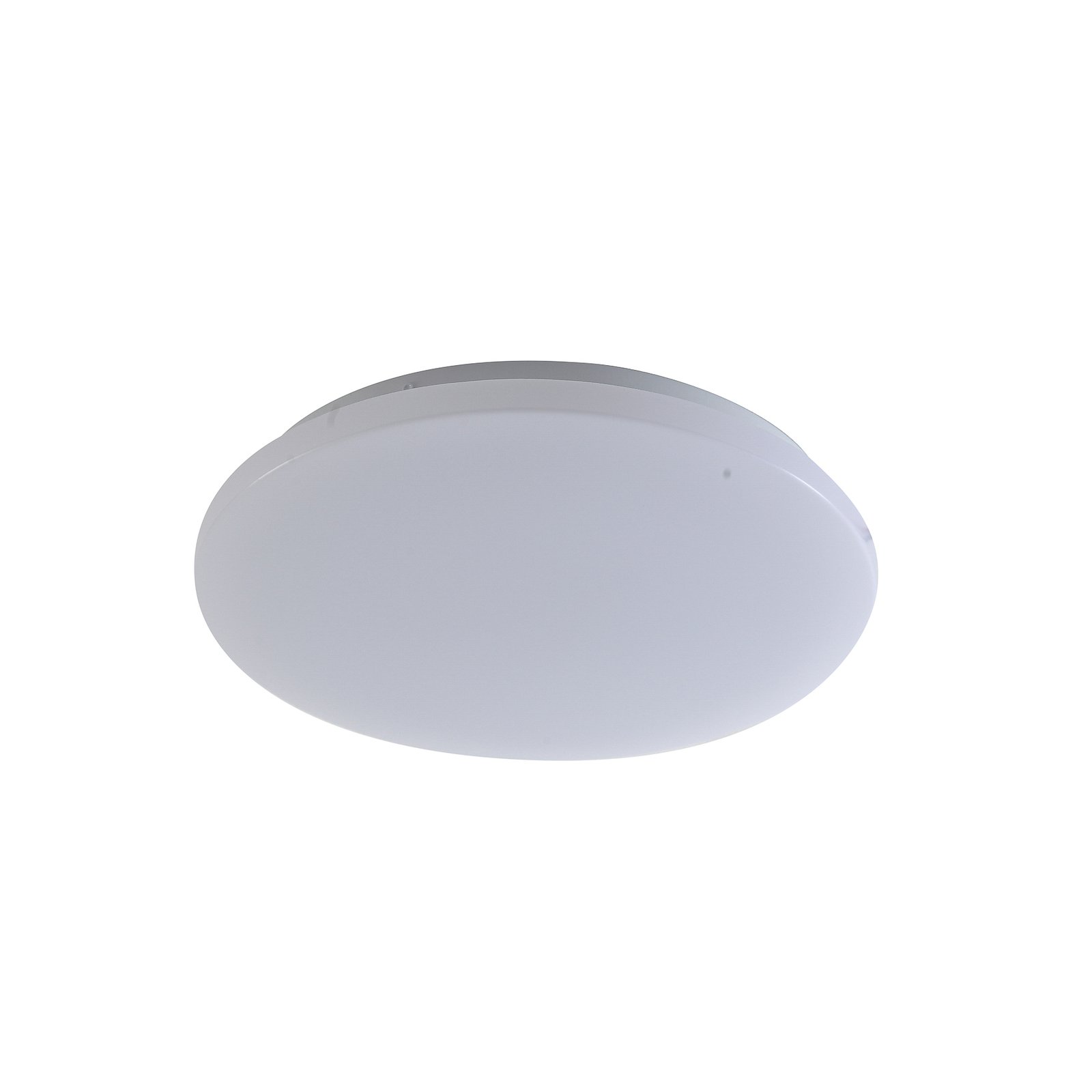

Share your pictures with @lampemesteren
Inspire and let yourself be inspired, from one unique home to another. Tag your pictures with #yesLampemesteren and you might see your home here!
Outdoor ceiling lights - design quality & lighting effect
An outdoor ceiling light is far more than just a functional necessity. It is the first design accent that a building sets after dark. Warm light that sweeps along the façade of a house, an illuminated terrace that extends seamlessly into the interior. Good outdoor lighting shapes spaces, creates atmosphere and makes architecture tangible even at night. The selection does not start with the technology, but with the creative attitude.
Outdoor ceiling lights - design language & materiality in the outdoor space
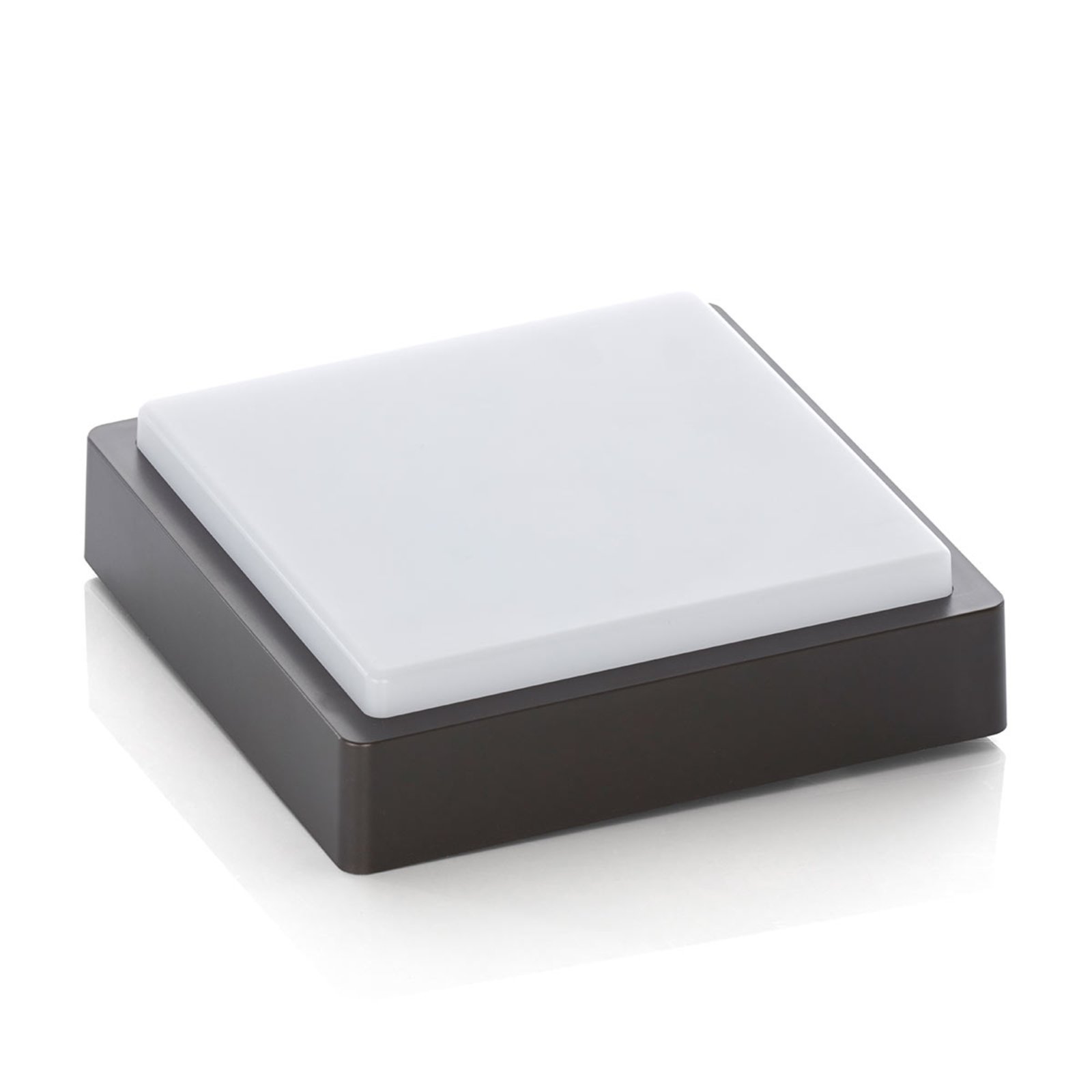
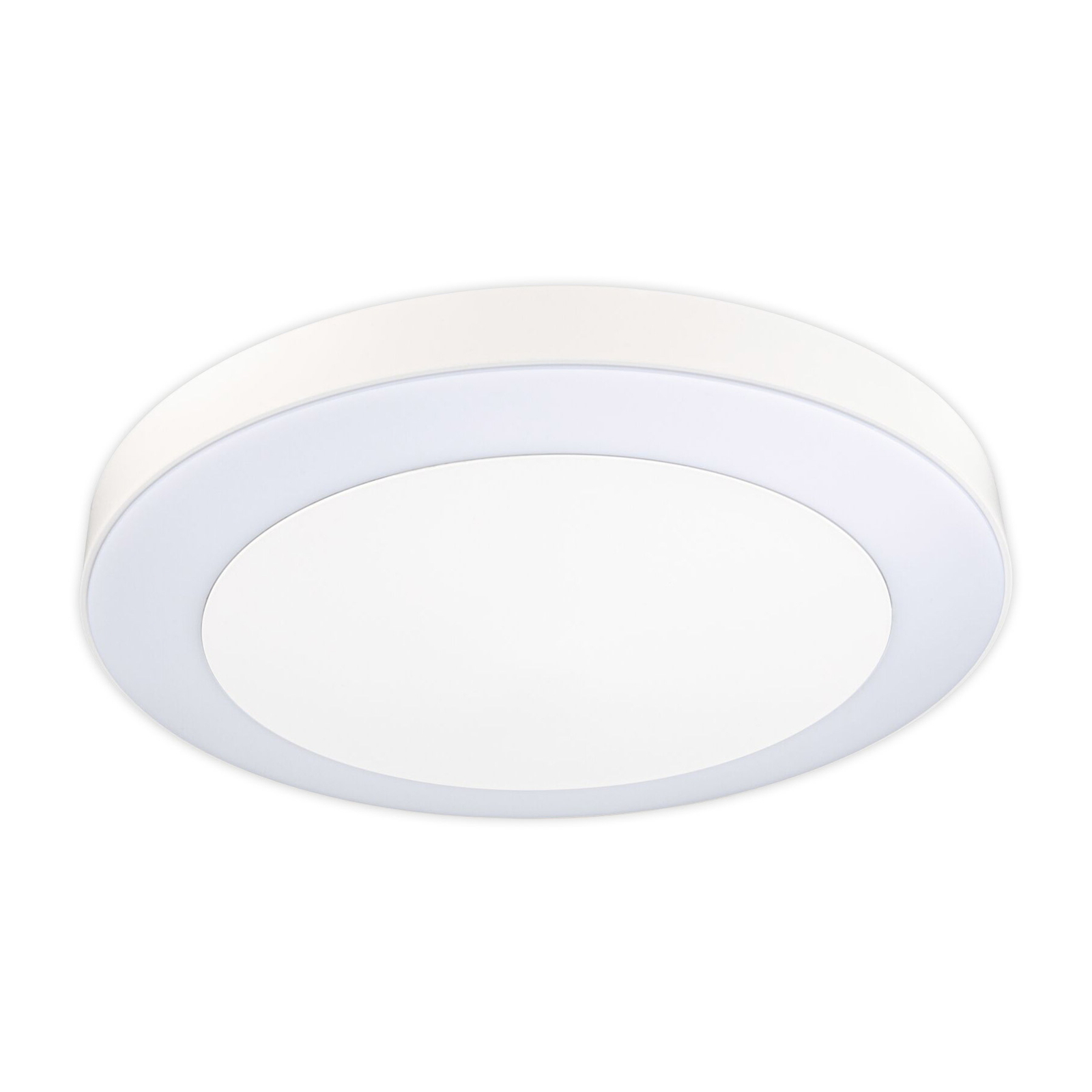
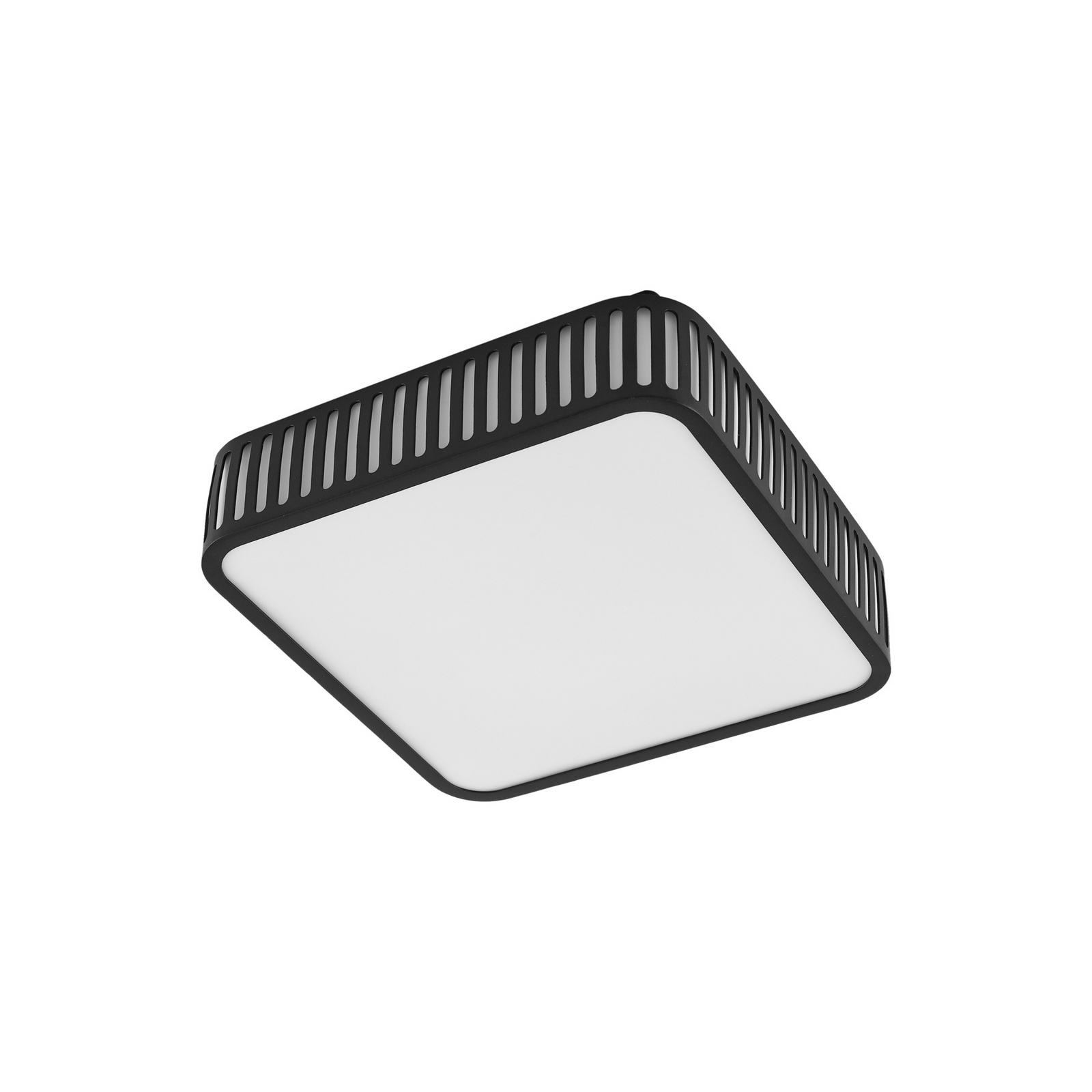
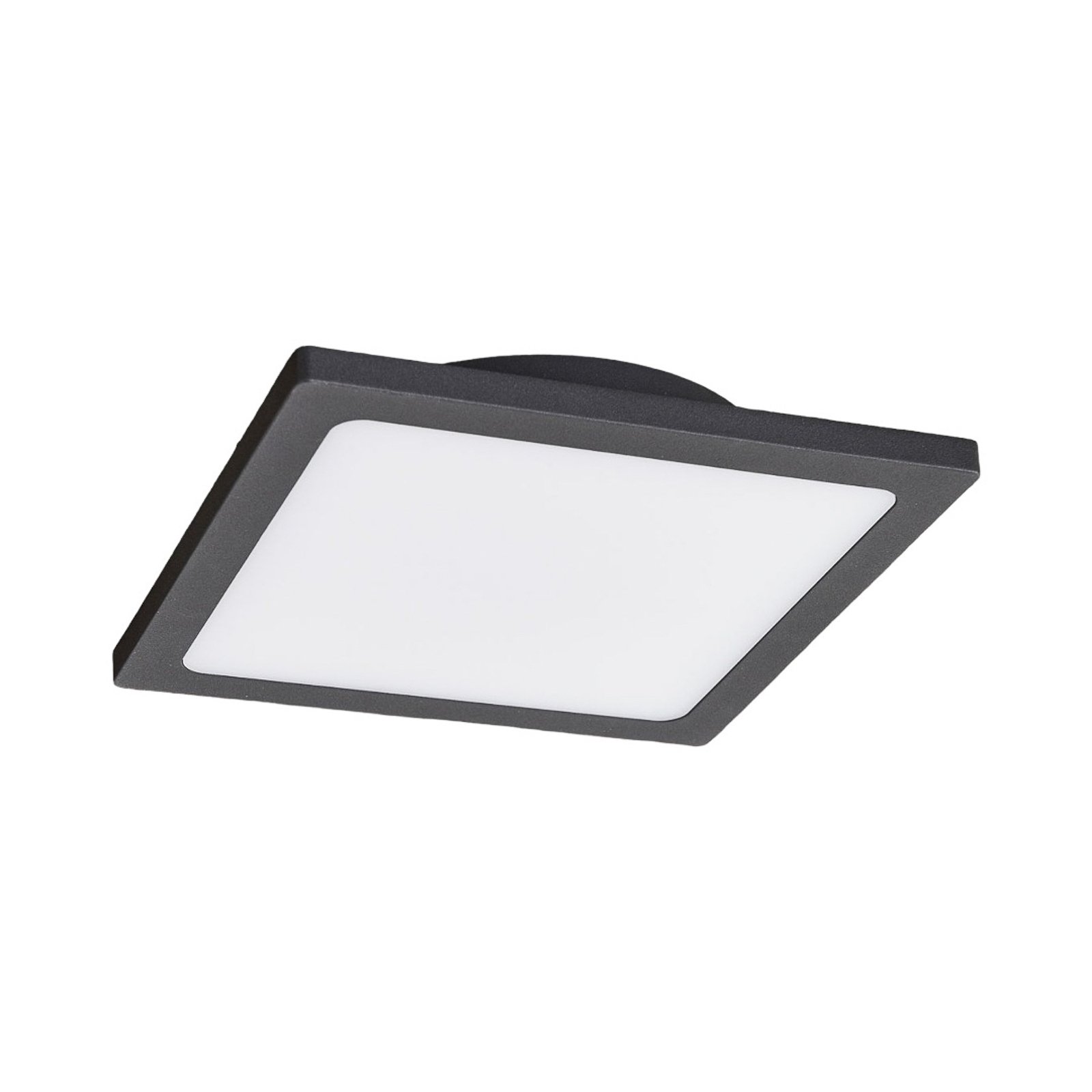
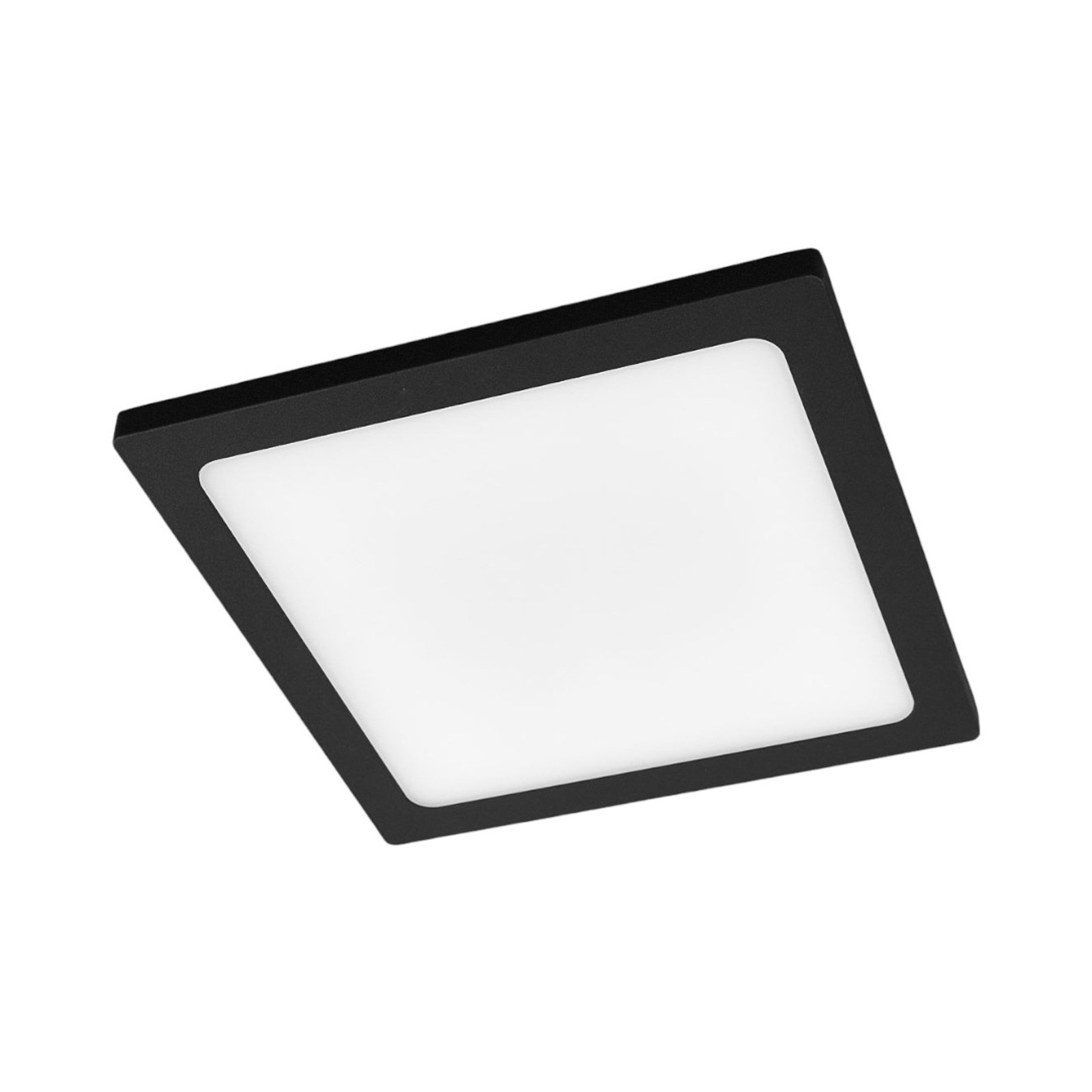
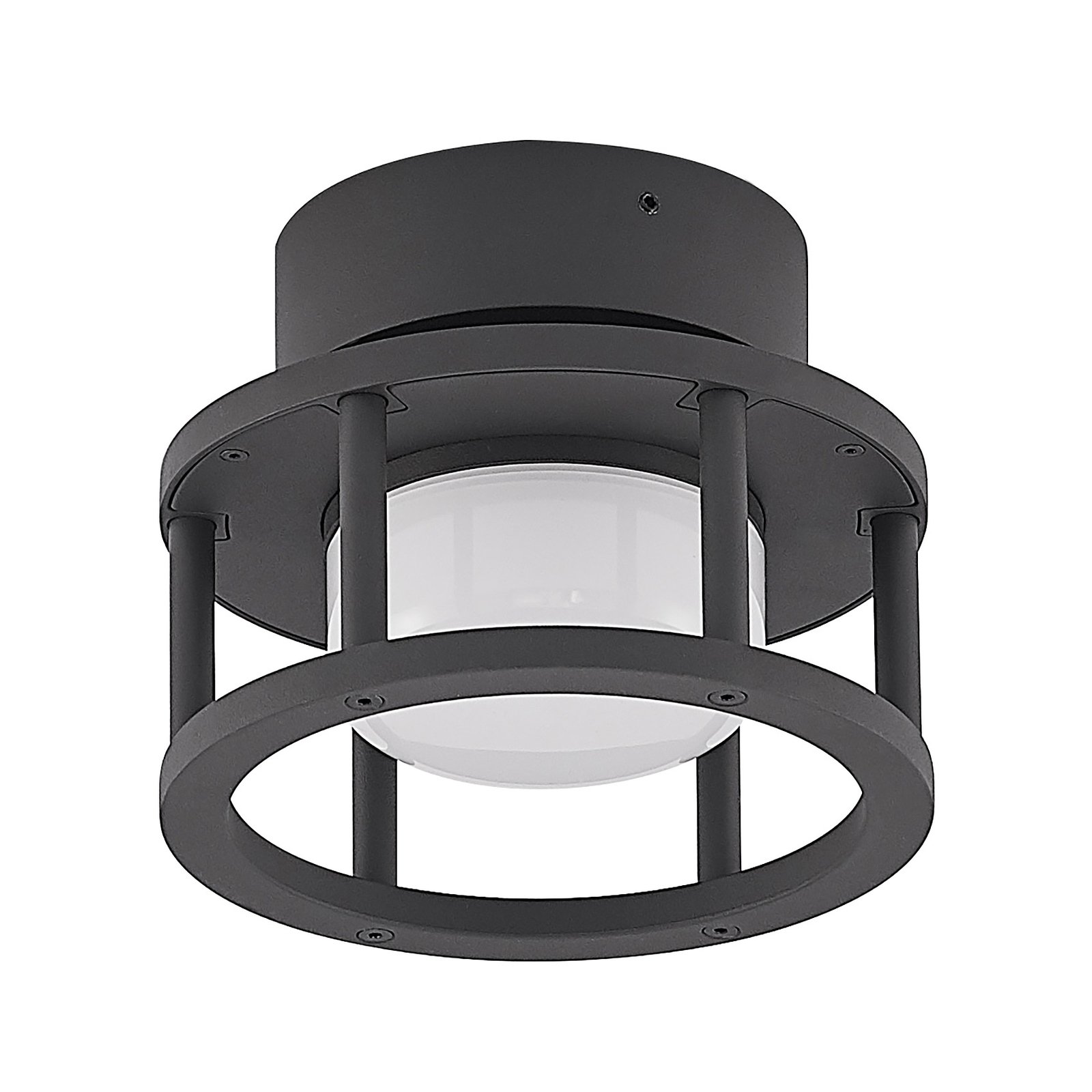
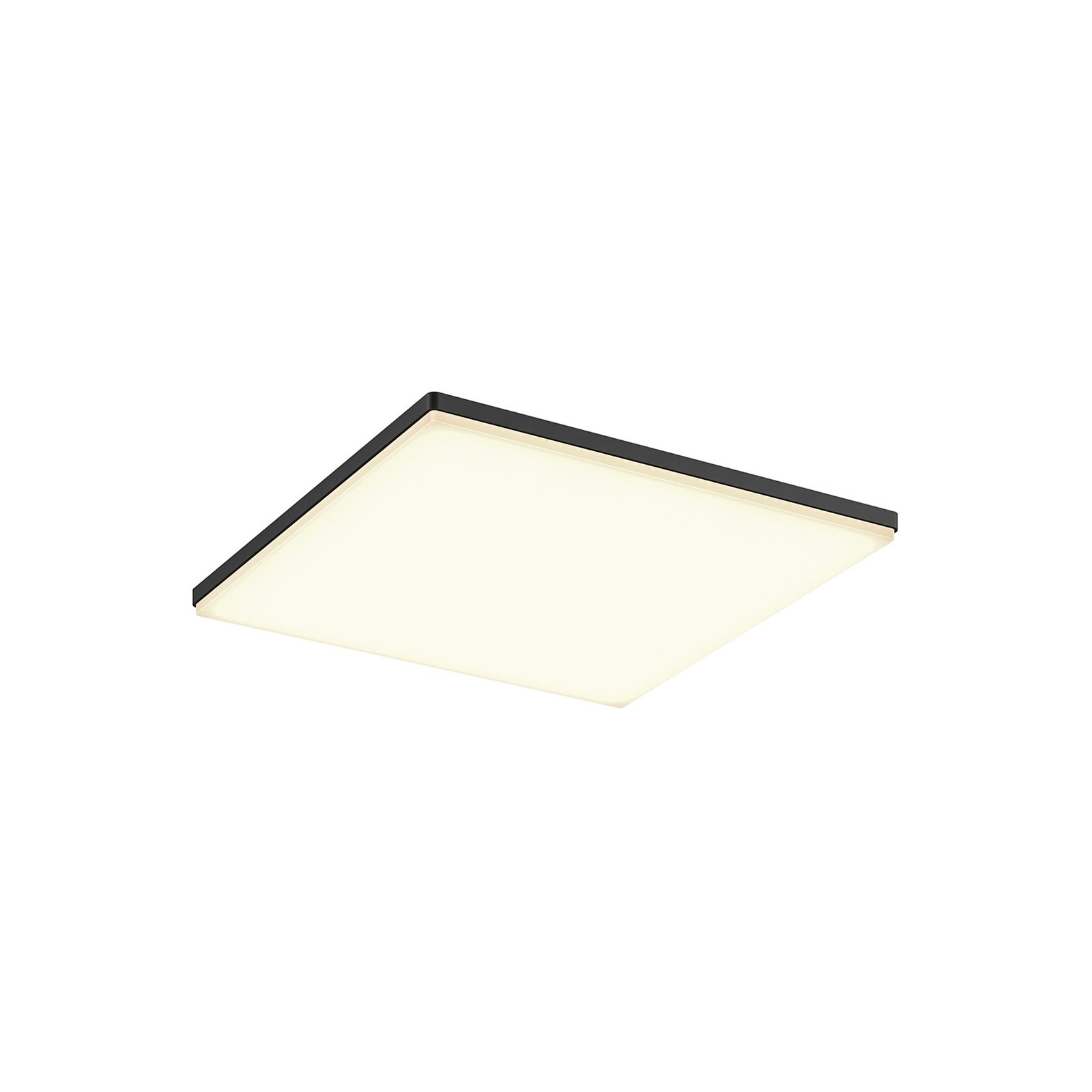
Outdoor ceiling lights play a dual role: they are both a source of light and an architectural detail. Its formal language does not have to take a back seat, it can be a defining feature. Clear geometric shapes with slender profiles blend in with contemporary façade designs, while organically curved or handcrafted variants lend a calm, harmonious touch to existing historical buildings. The design decision therefore begins with the question of whether the luminaire should continue the architecture or deliberately accentuate it.
Metal, glass and textured surfaces
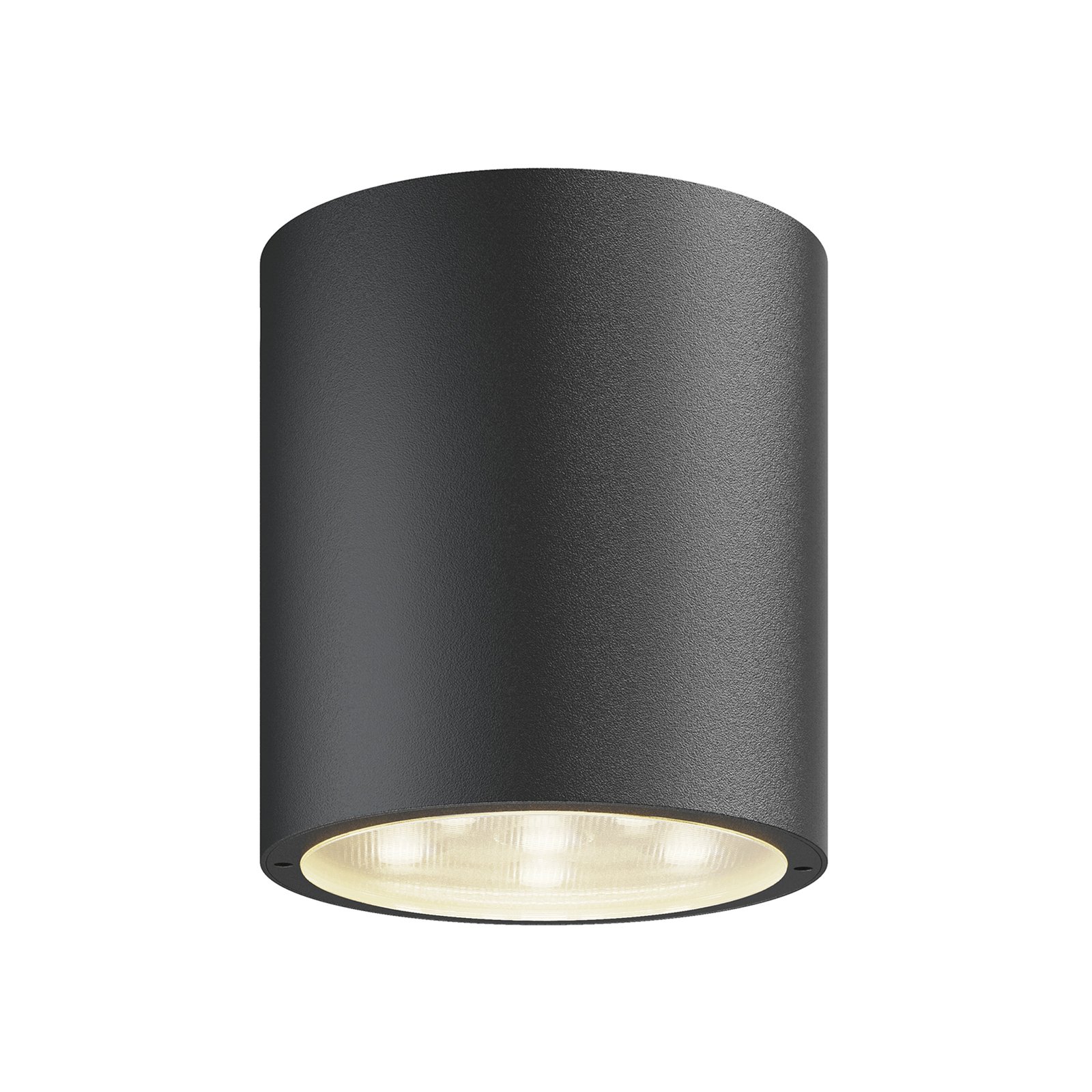
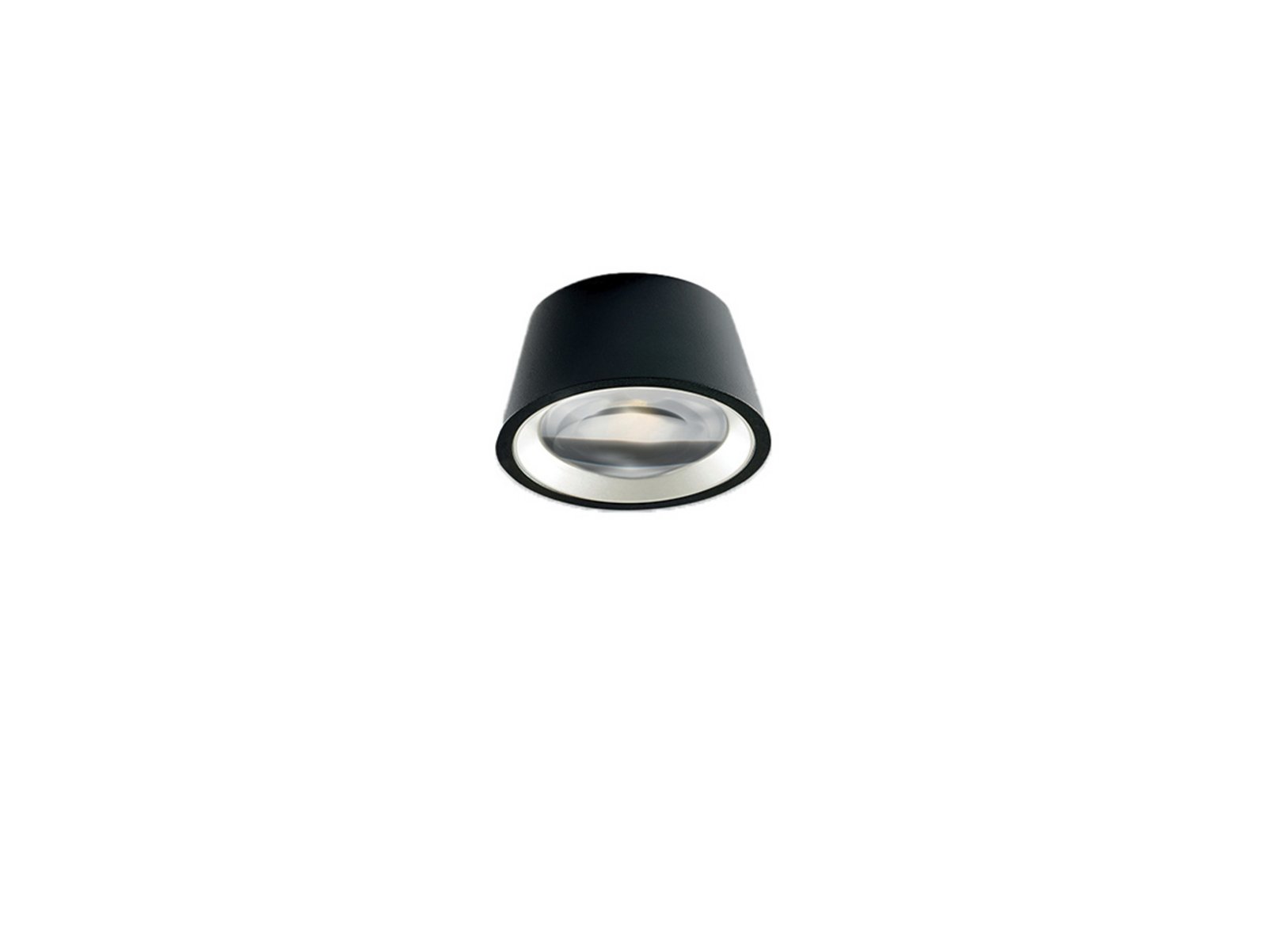
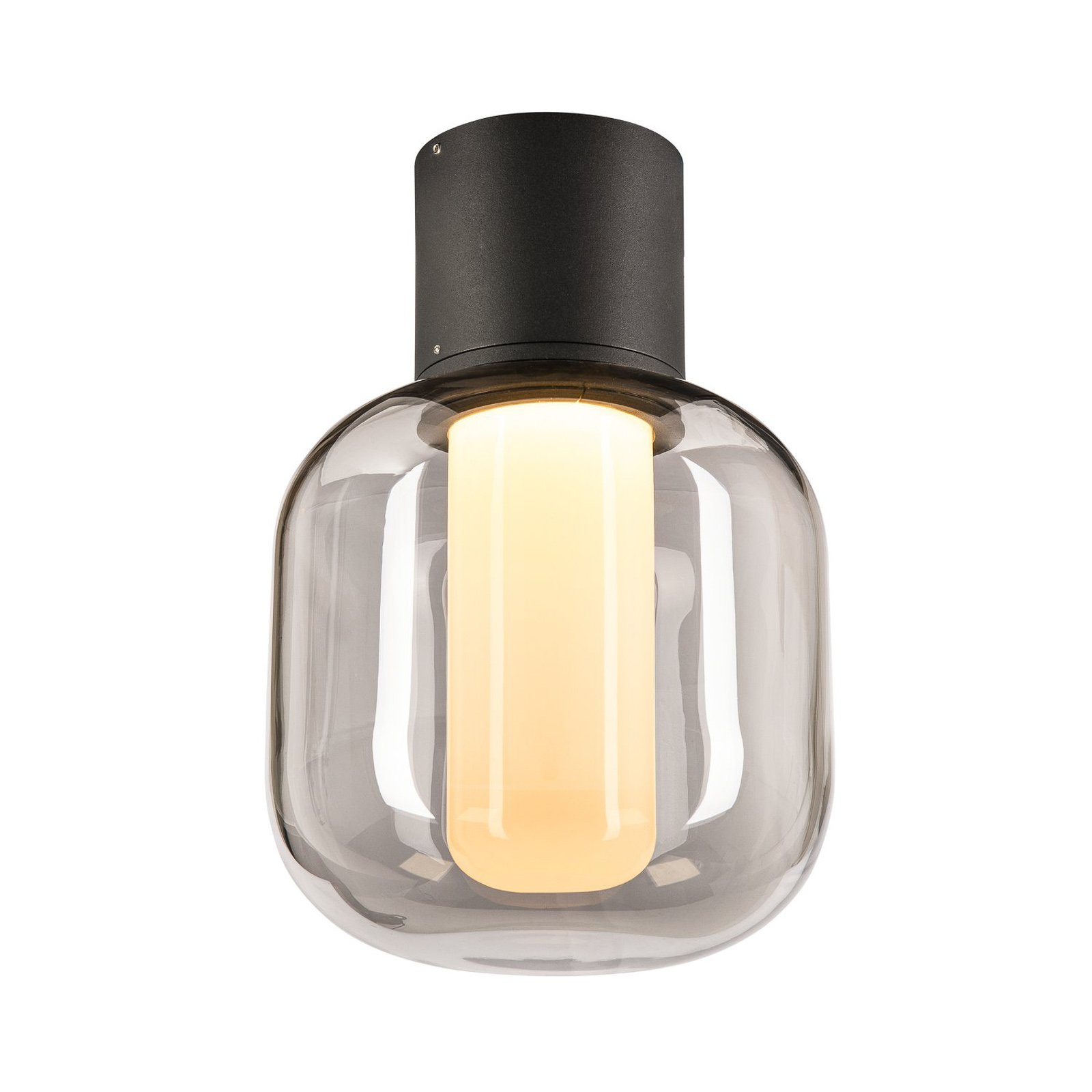
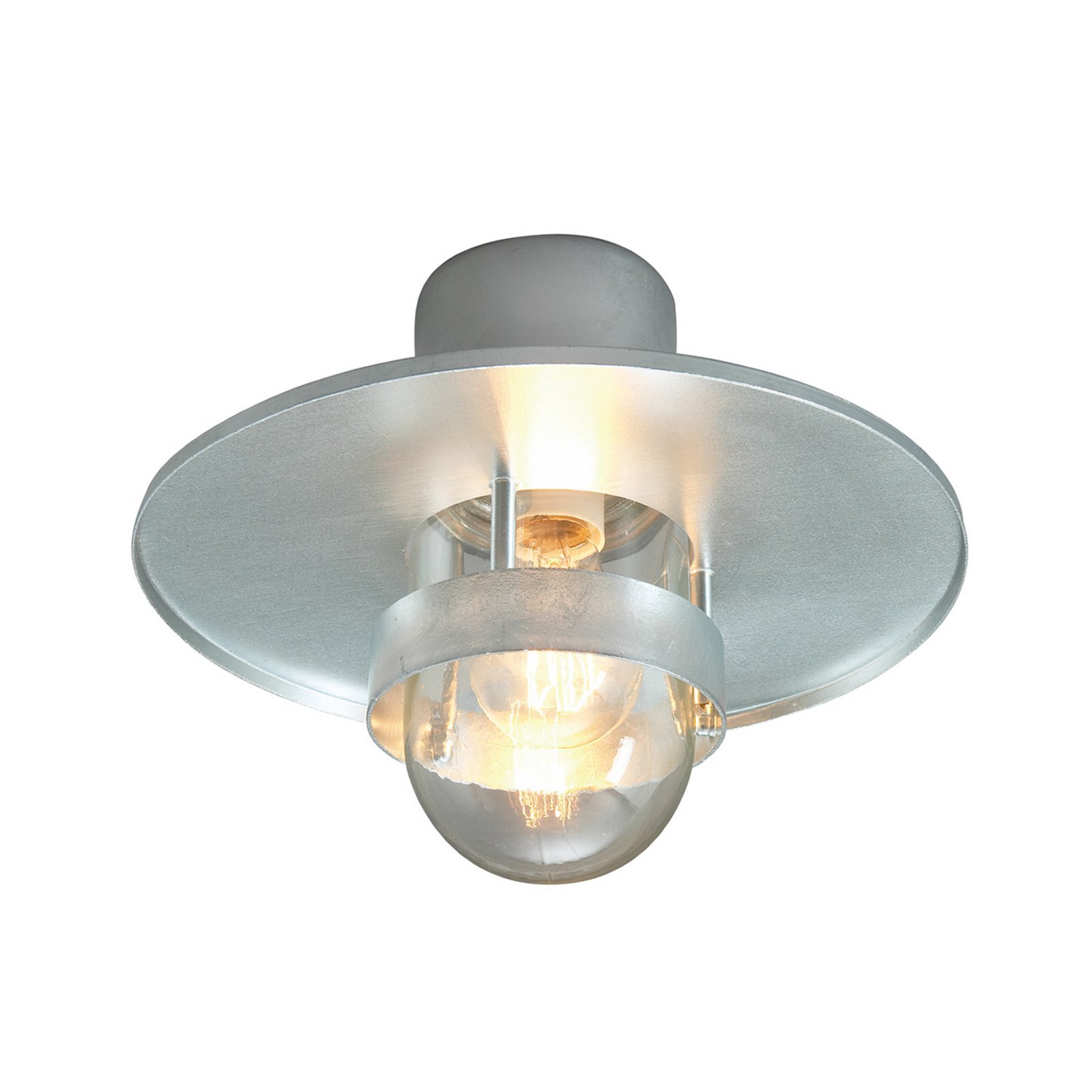
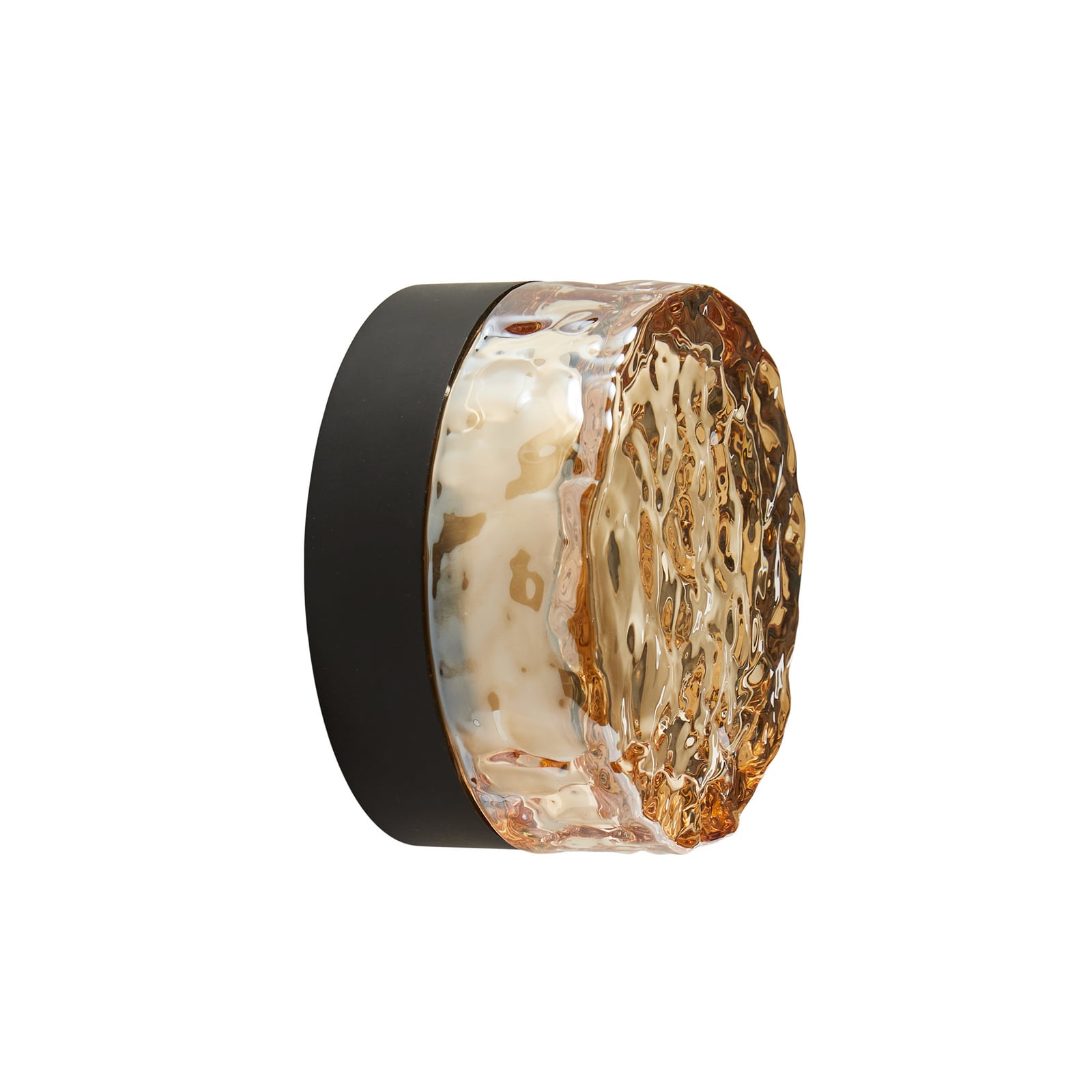
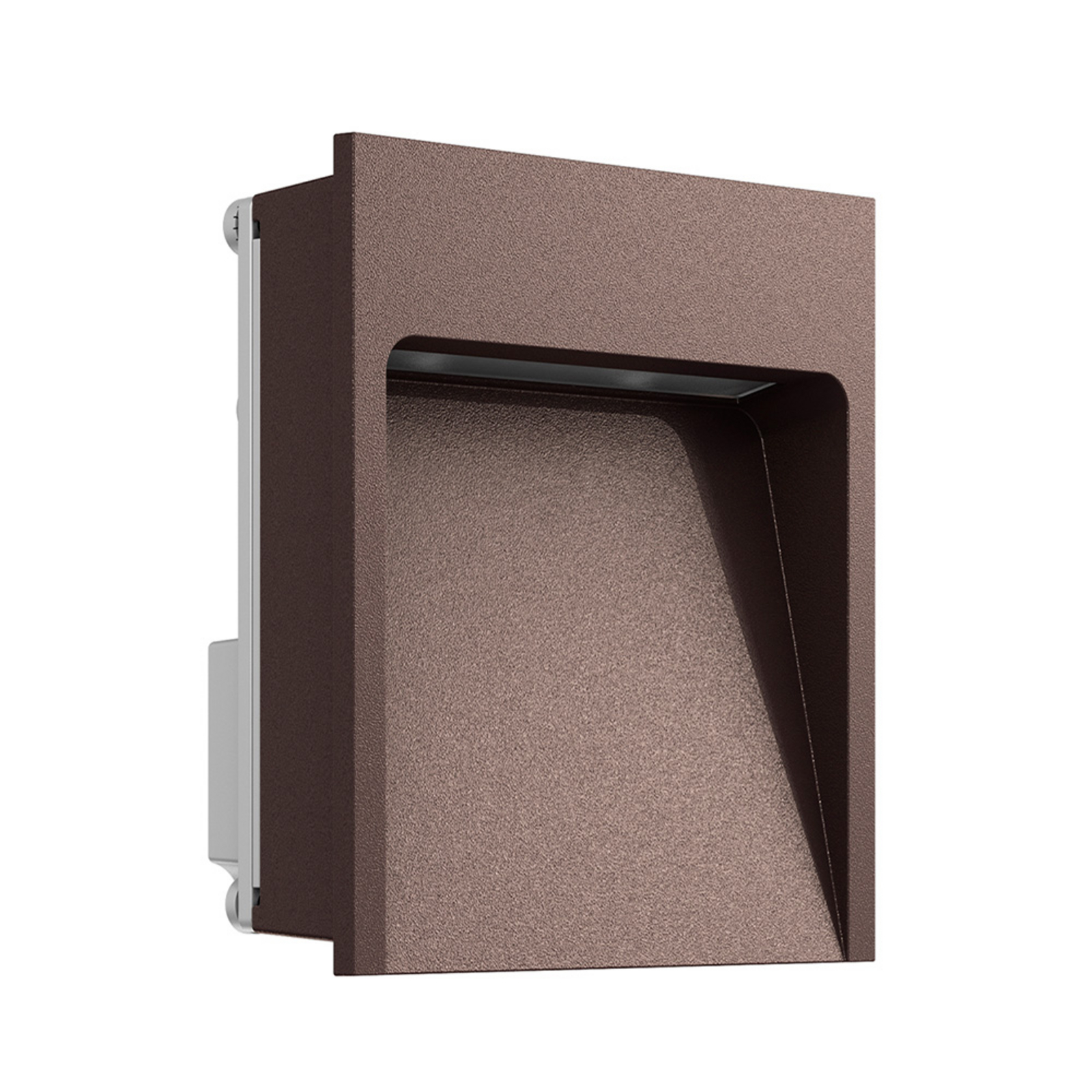
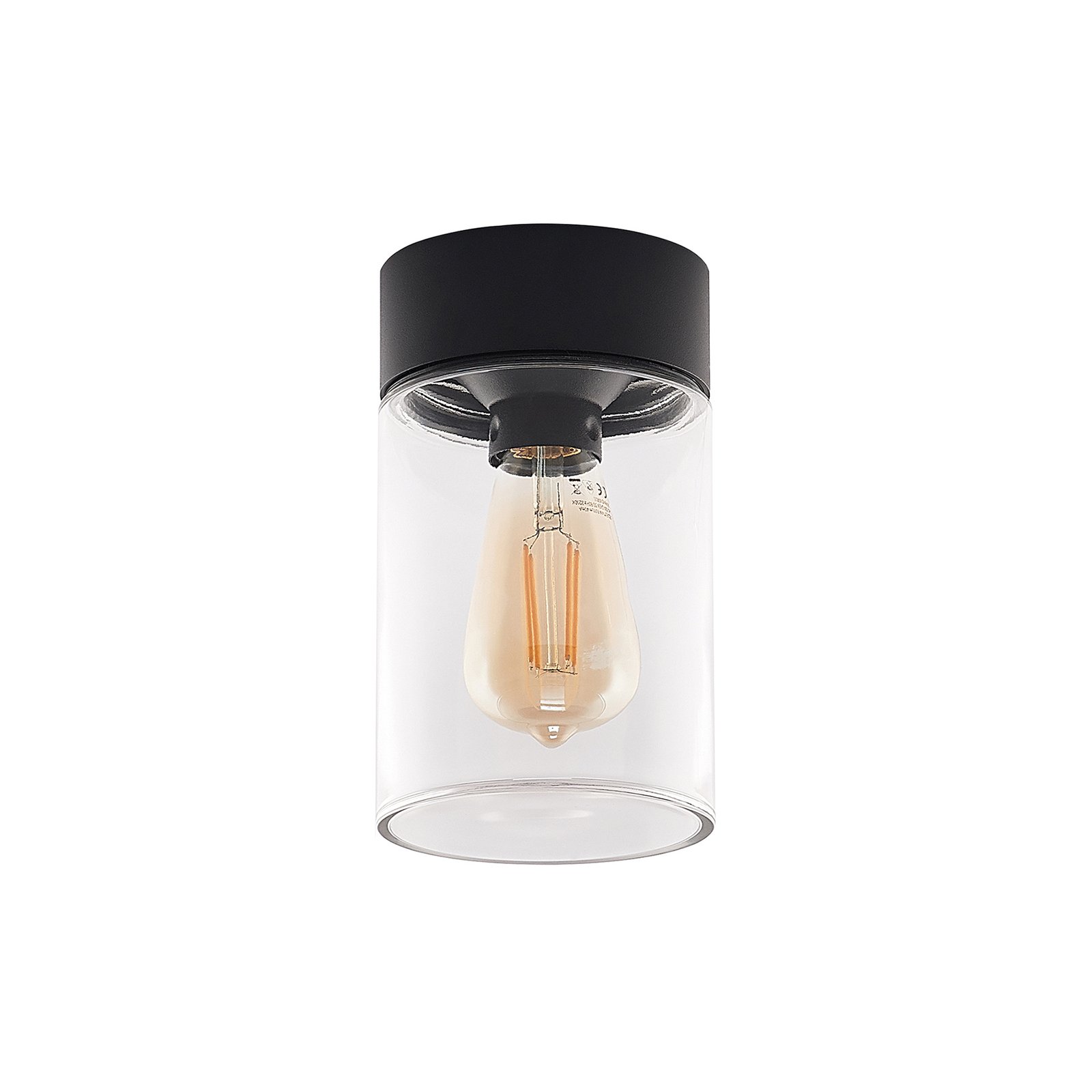
High-quality outdoor ceiling lighting is usually based on a careful choice of materials. Die-cast aluminum with powder-coated surfaces permanently withstands weather-related influences without losing contour or color depth. Brass develops a characteristic patina over the years, adding depth to the outdoor space. Clear glass sets the scene for the light source, while opal glass diffuses the light evenly and prevents glare even when viewed from a direct angle. Each combination of materials creates its own relationship between light, shadow and surface effect.
Outdoor ceiling lights - light as architectural design
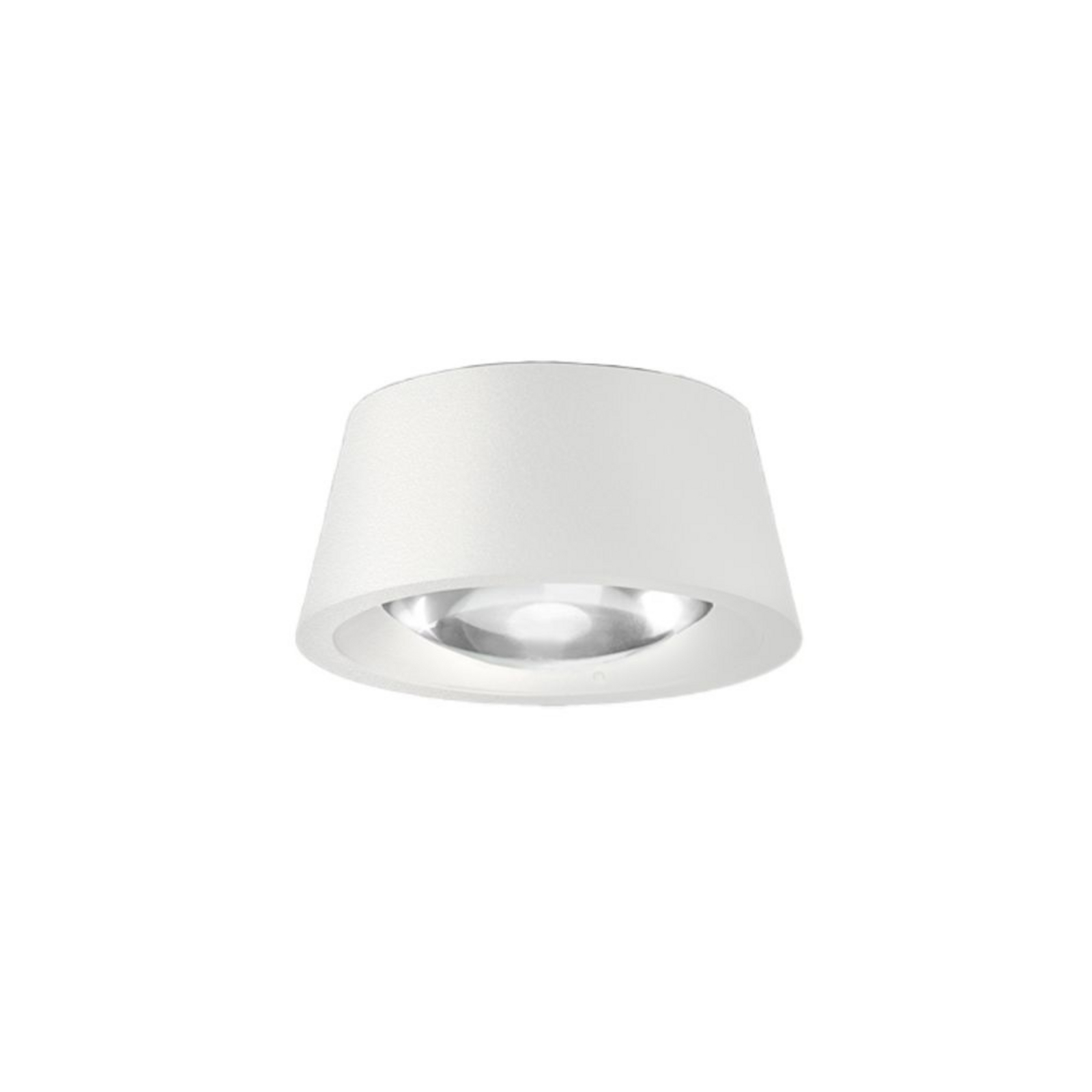
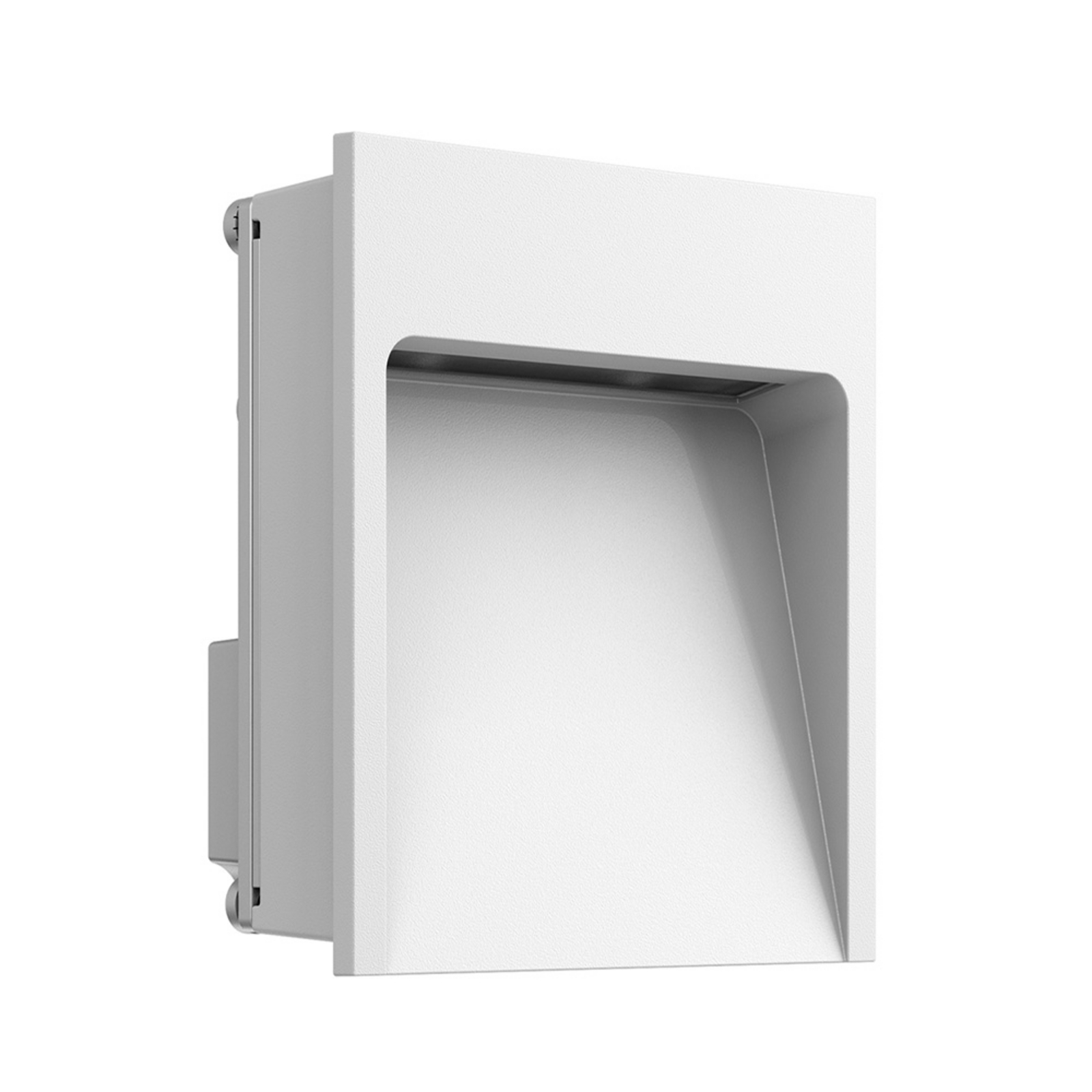
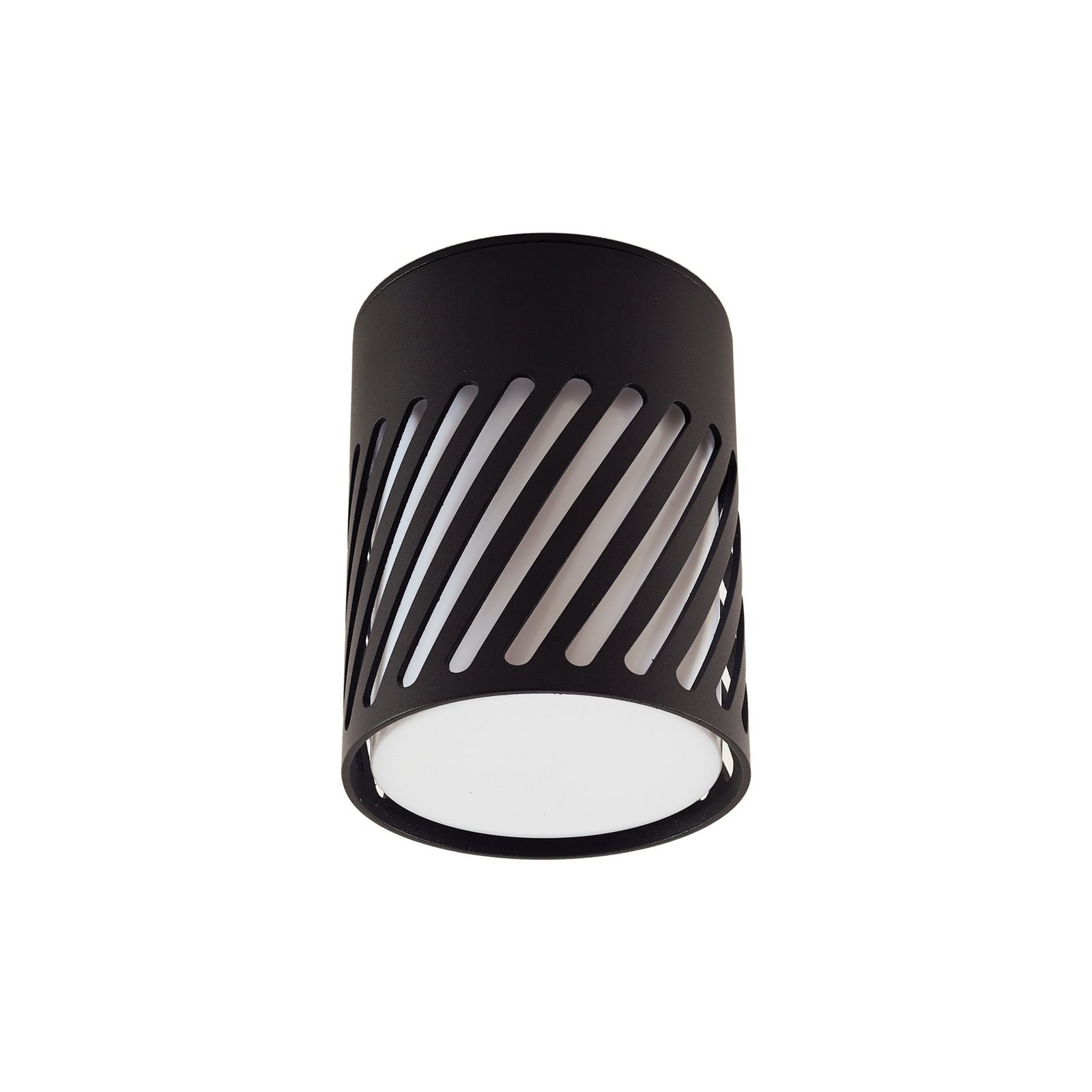
Outdoor lighting is not an end in itself. Well positioned, it shapes the perception of façade surfaces, pathways and room edges. Ceiling-flush models with wide light distribution emphasize horizontal architectural surfaces and create a uniform, expansive light pattern. Projecting shapes with directional light emission create targeted accents, for example at a house entrance niche or under a projecting canopy. The shape of the luminaire not only determines the light pattern, but also the architectural emphasis of the illuminated area.
Light color & lighting mood in the outdoor area
Warm white light around 2700 Kelvin creates an inviting, cozy atmosphere outdoors and harmonizes particularly well with natural materials such as wood, exposed concrete or natural stone. Neutral white light around 4000 Kelvin is suitable where clarity and precision are paramount, for example in prestigious entrance areas with a clear design language or on modern plaster facades. The light color influences how material surfaces appear in the dark and is therefore just as much a design tool as the shape of the luminaire itself.
Areas of application with a design approach - entrance, terrace & façade
The area of application of an outdoor ceiling light specifies the requirements for beam angle, housing size and light intensity. A generous canopy can accommodate a projecting outdoor ceiling light with wide light distribution, while narrow soffits or low ceiling heights require compact, flat models. The spatial situation therefore determines not only the technical suitability, but also the design weighting of the luminaire within the overall architectural picture.
Ceiling lamps for outside the house entrance
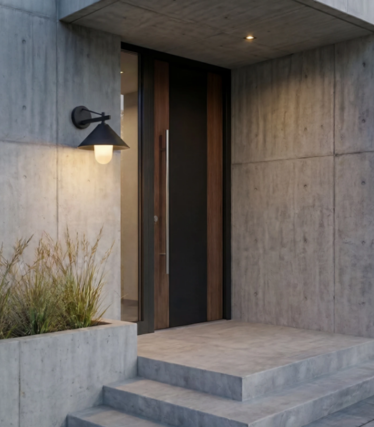
The house entrance is the most architecturally exposed position for this luminaire. Here it is in the direct field of vision of residents and visitors. Models with a clearly defined light cone emphasize the entrance situation without dazzling, while uniform illumination of the ceiling surface gives the entrance area a spacious feel. Symmetrically arranged luminaires emphasize prestigious entrances, while a single, formally strong luminaire creates a deliberate design focus.
Terrace & loggia - light in the transition area
On the terrace and loggia, the ceiling lamp takes on a space-defining function. It defines the transitional area between inside and outside and extends the quality of living into the outdoor space. Warm white light creates an evening atmosphere that invites you to linger. Several smaller luminaires in a uniform arrangement create a calm, two-dimensional light pattern that makes the ceiling construction legible as a design element.
Weather resistance & protection class in the design context
An outdoor ceiling light is permanently exposed to the weather. The IP protection class provides information about the degree of impermeability to moisture and dust. For covered areas such as canopies or loggias, IP44, which protects against splashing water from all sides, is usually sufficient. Exposed mounting positions without weather protection require IP65 or higher to maintain long-term function and surface quality. It is crucial that the degree of protection does not come at the expense of the quality of the shape. High-quality manufacturers consistently integrate technical requirements into the housing design so that seals and closures do not detract from the aesthetics of the luminaire.
Lighting design & LED quality
For uniform basic lighting in outdoor areas, lighting design is based on 100 to 150 lumens per square meter - a guide value that should be adjusted upwards or downwards depending on the façade material and room situation. LED light sources with a high color rendering index ensure that material surfaces, façade structures and plants are perceived in their true colors. Dimmable versions of an outdoor ceiling light extend the staging options and allow light intensity to be adapted to the time of day and season. The light image remains stable for years because high-quality LED modules only minimally reduce their luminous flux.
© 2026 Lampemesteren GmbH