
Filter and sort
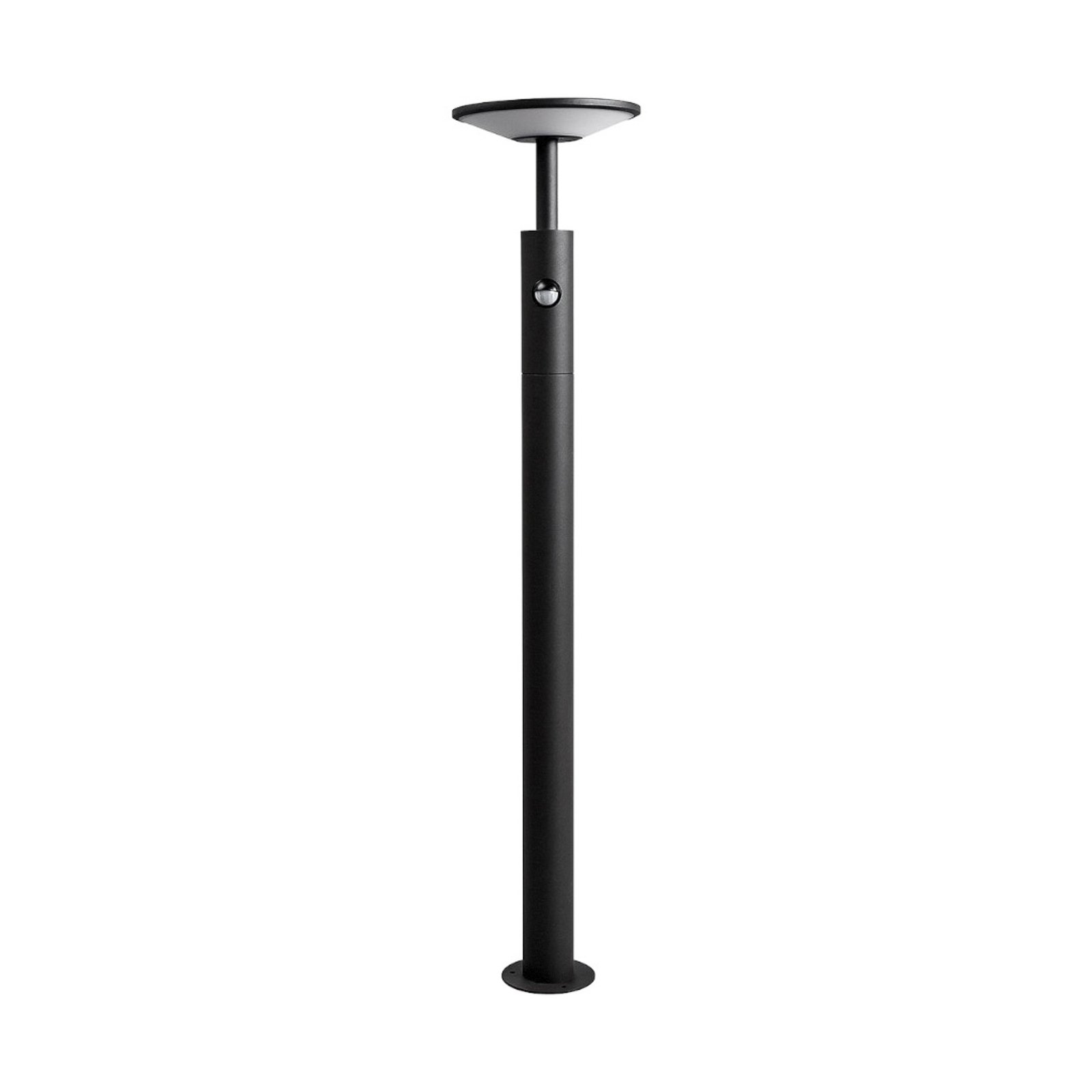
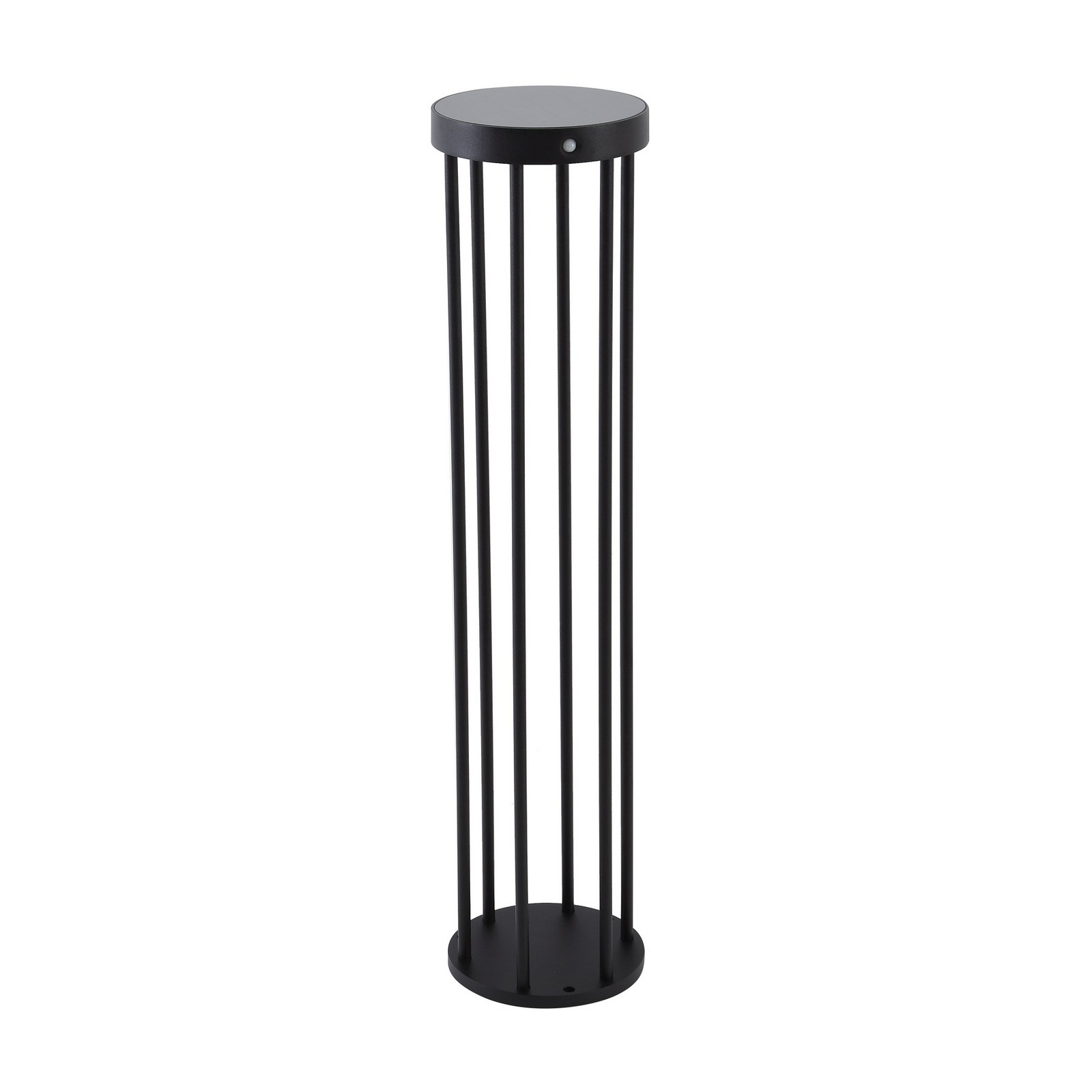
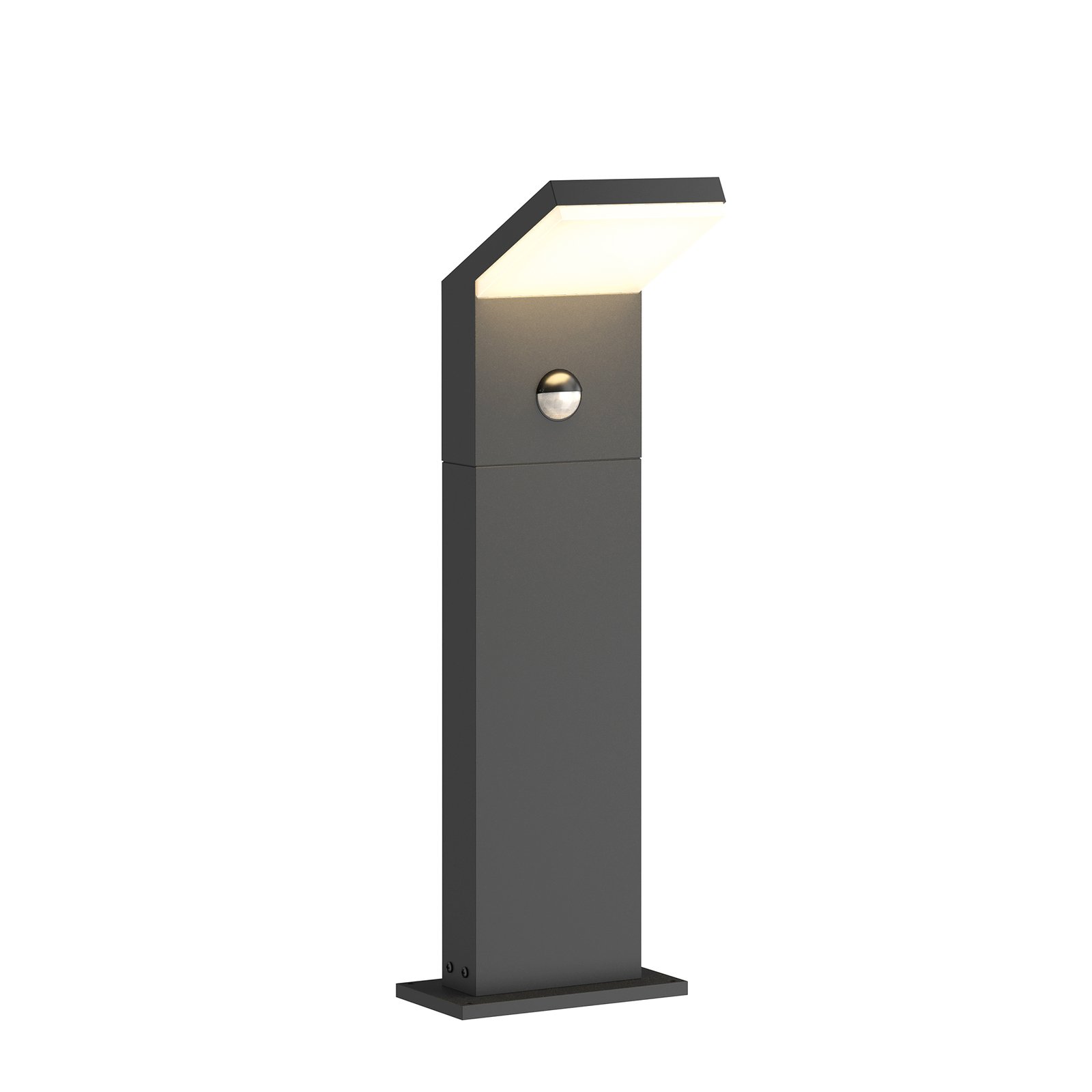
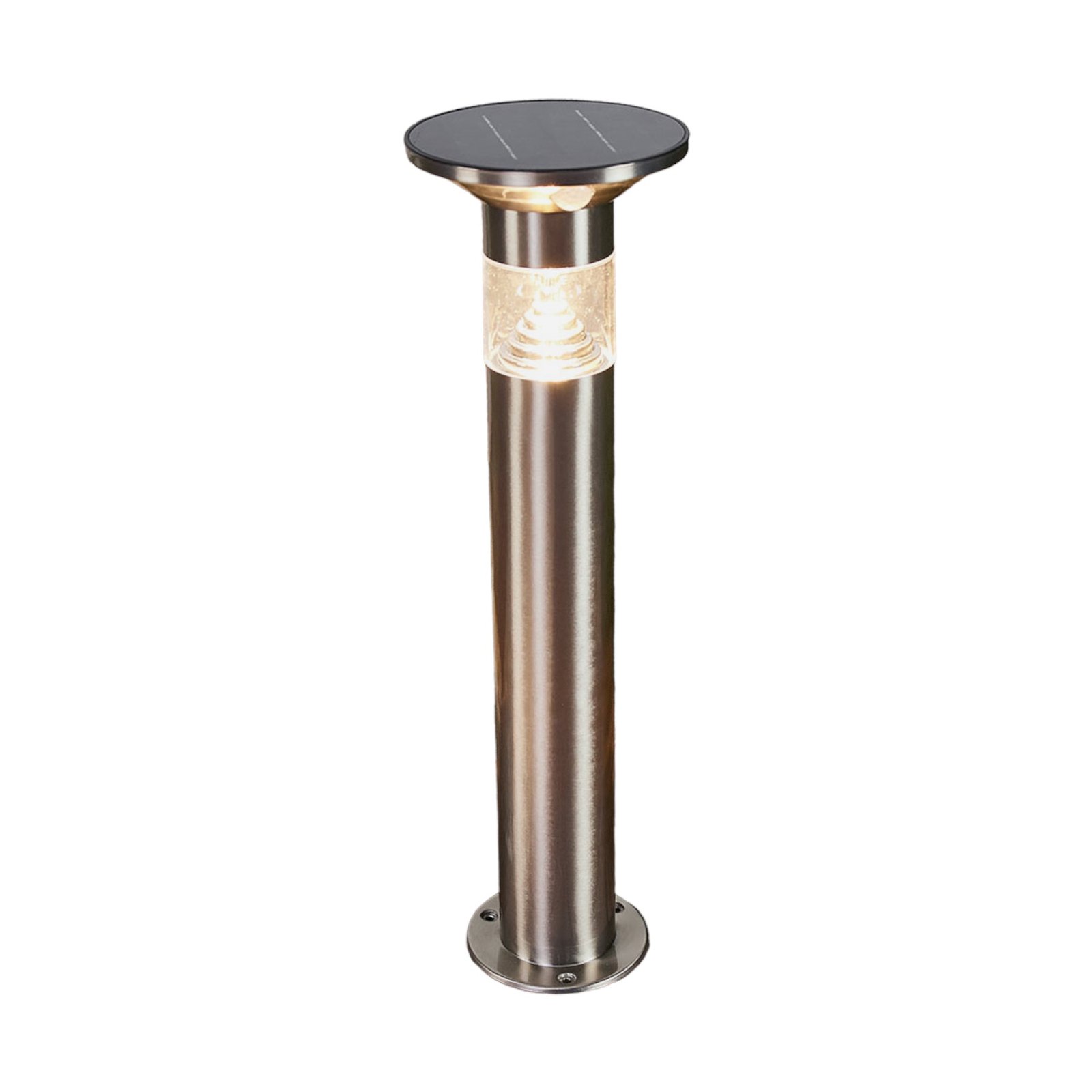
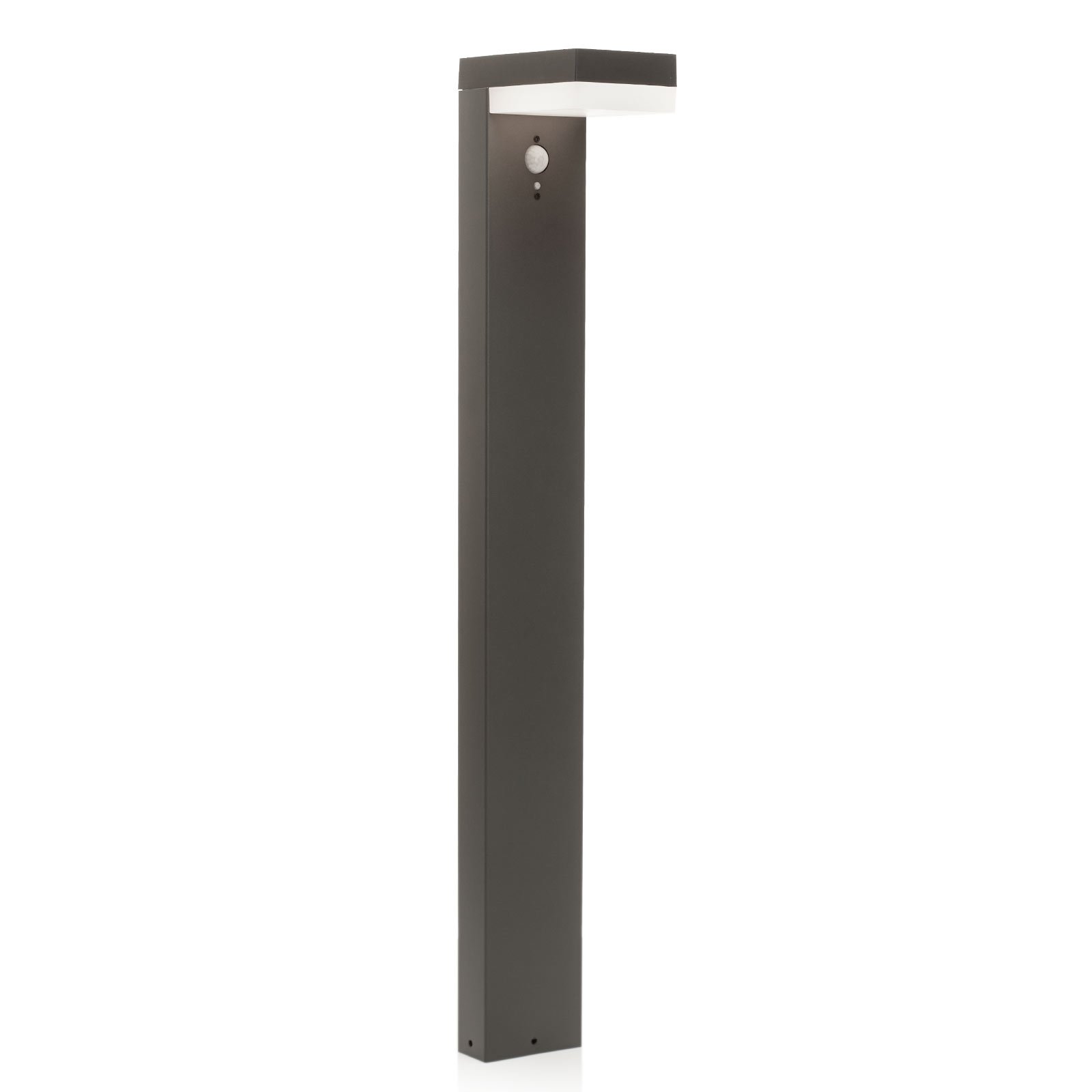
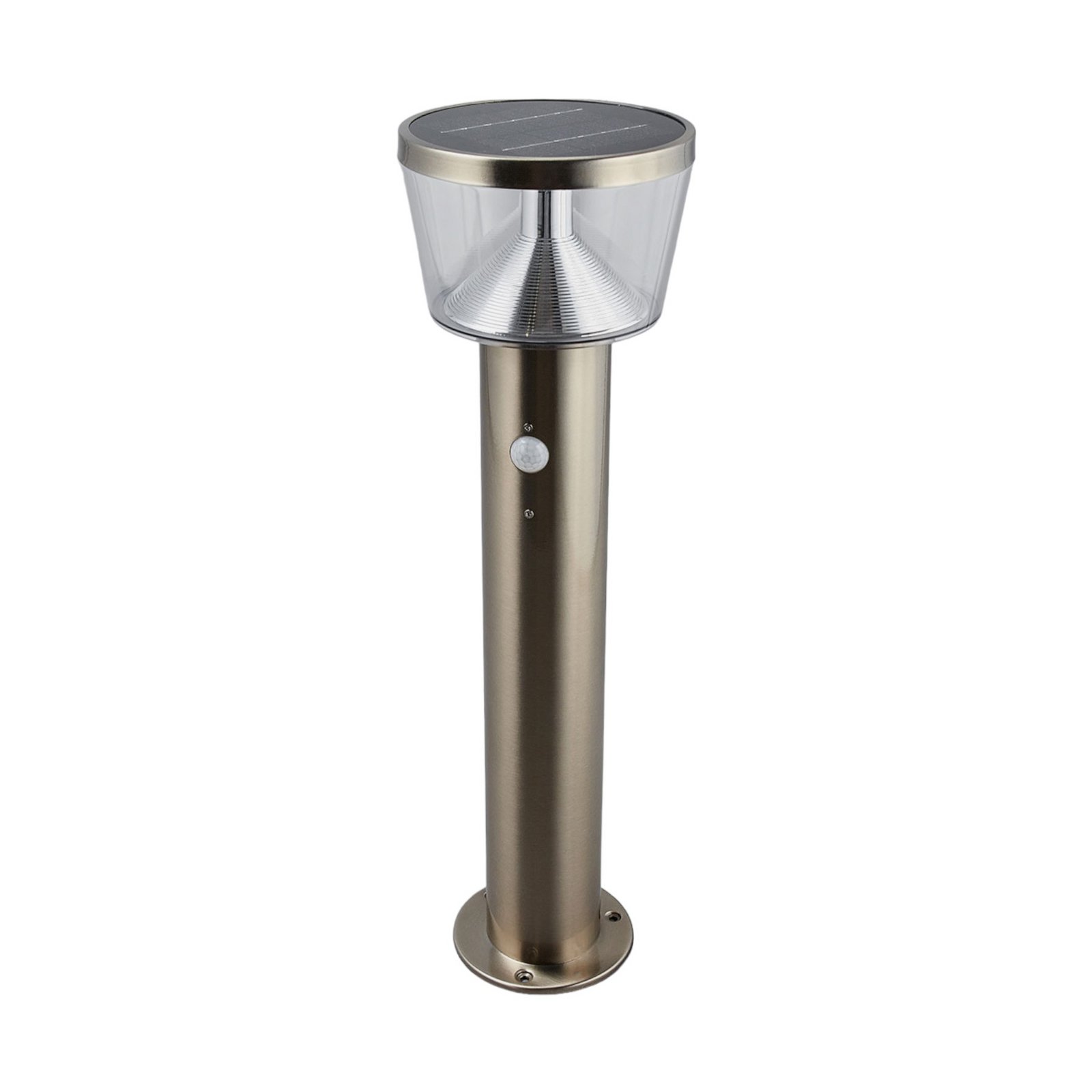
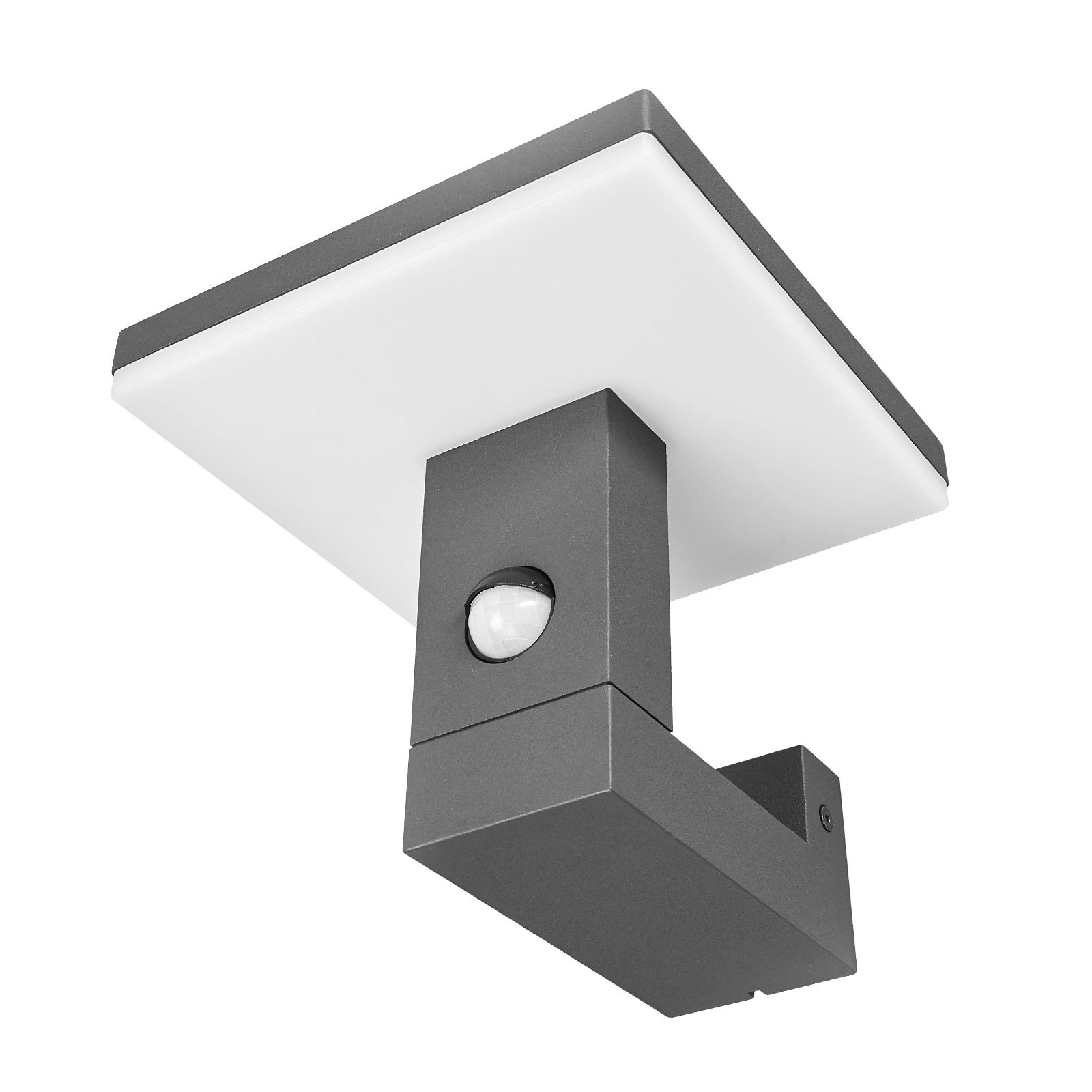
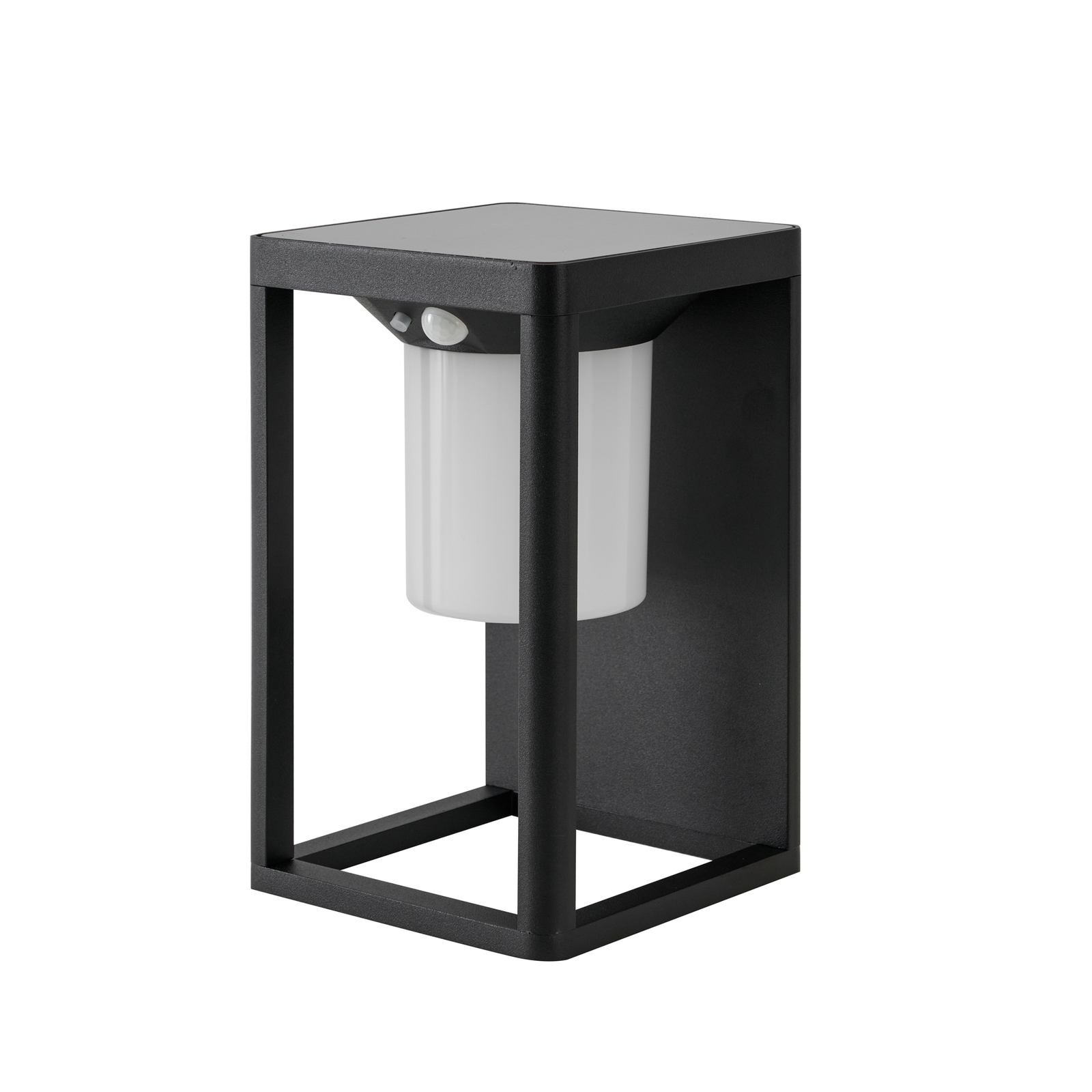
Share your pictures with @lampemesteren
Inspire and let yourself be inspired, from one unique home to another. Tag your pictures with #yesLampemesteren and you might see your home here!
Outdoor lights with motion detectors - function and design in outdoor spaces
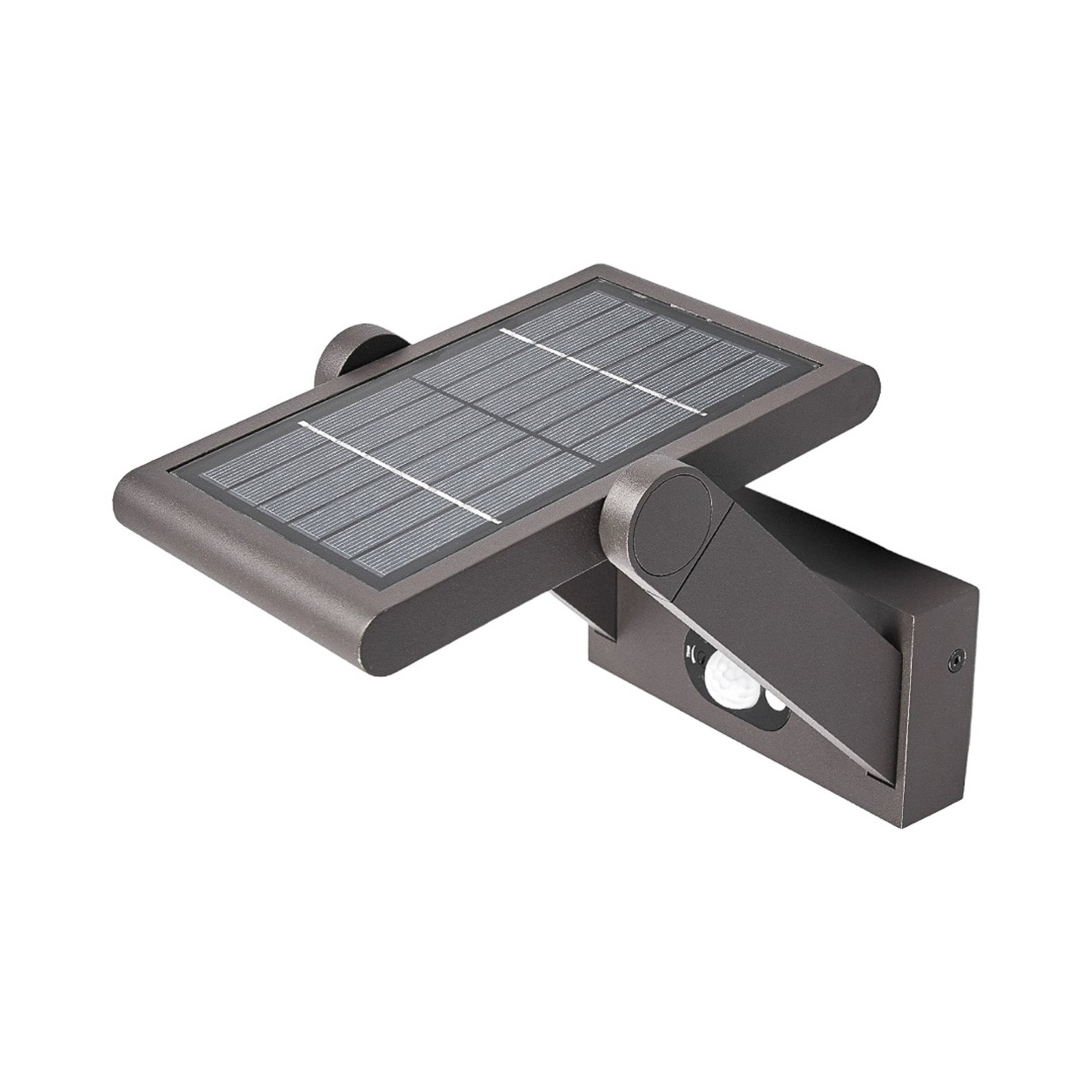
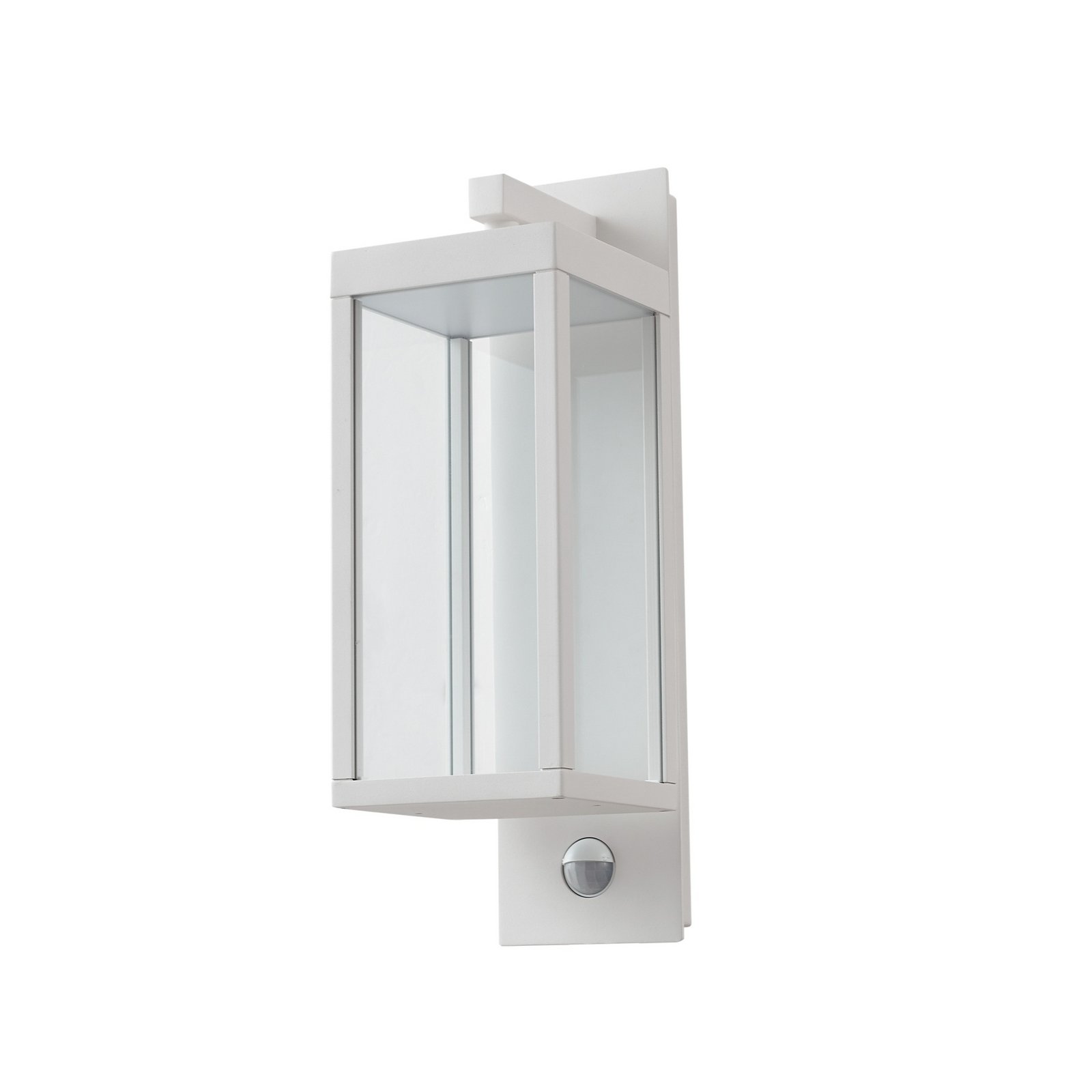
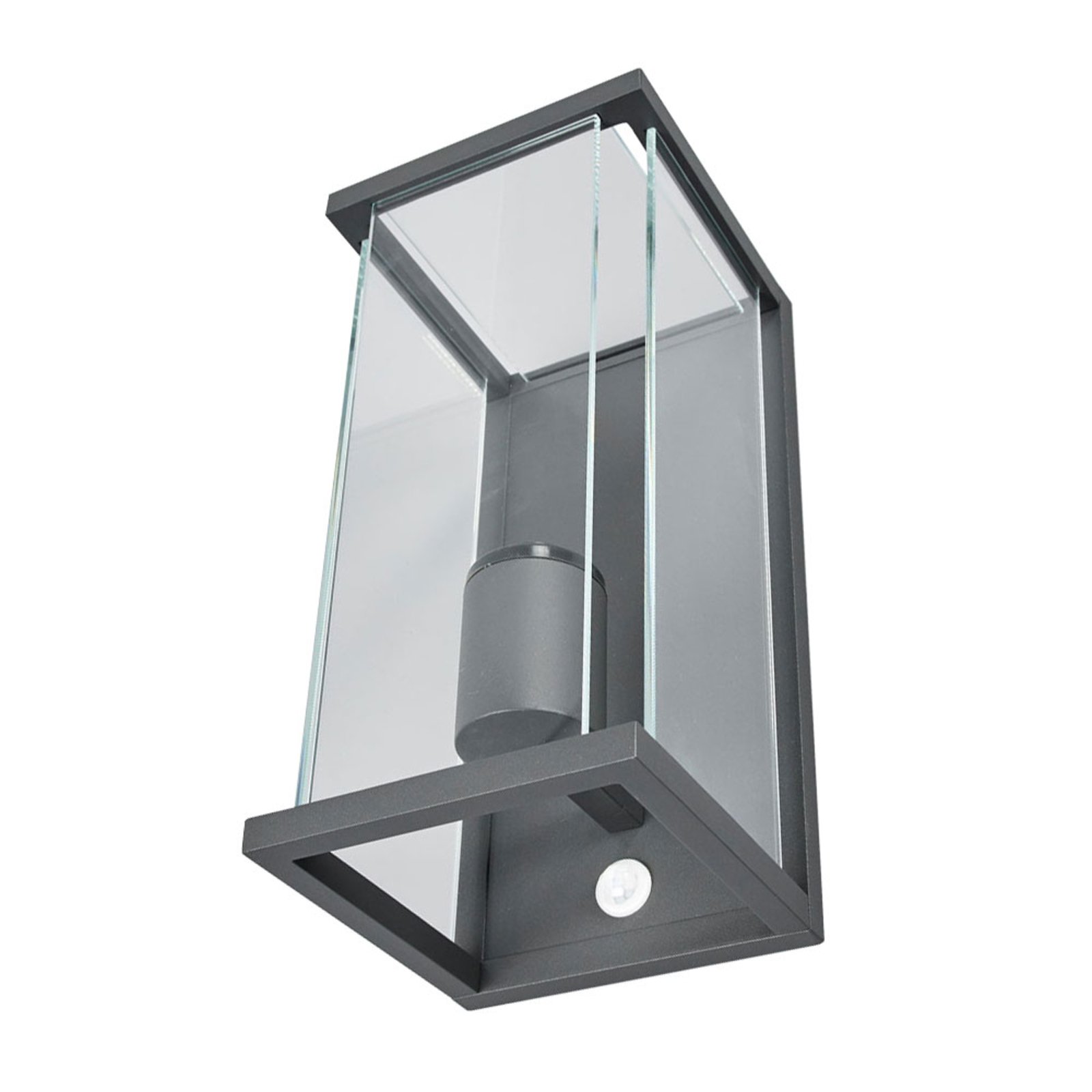
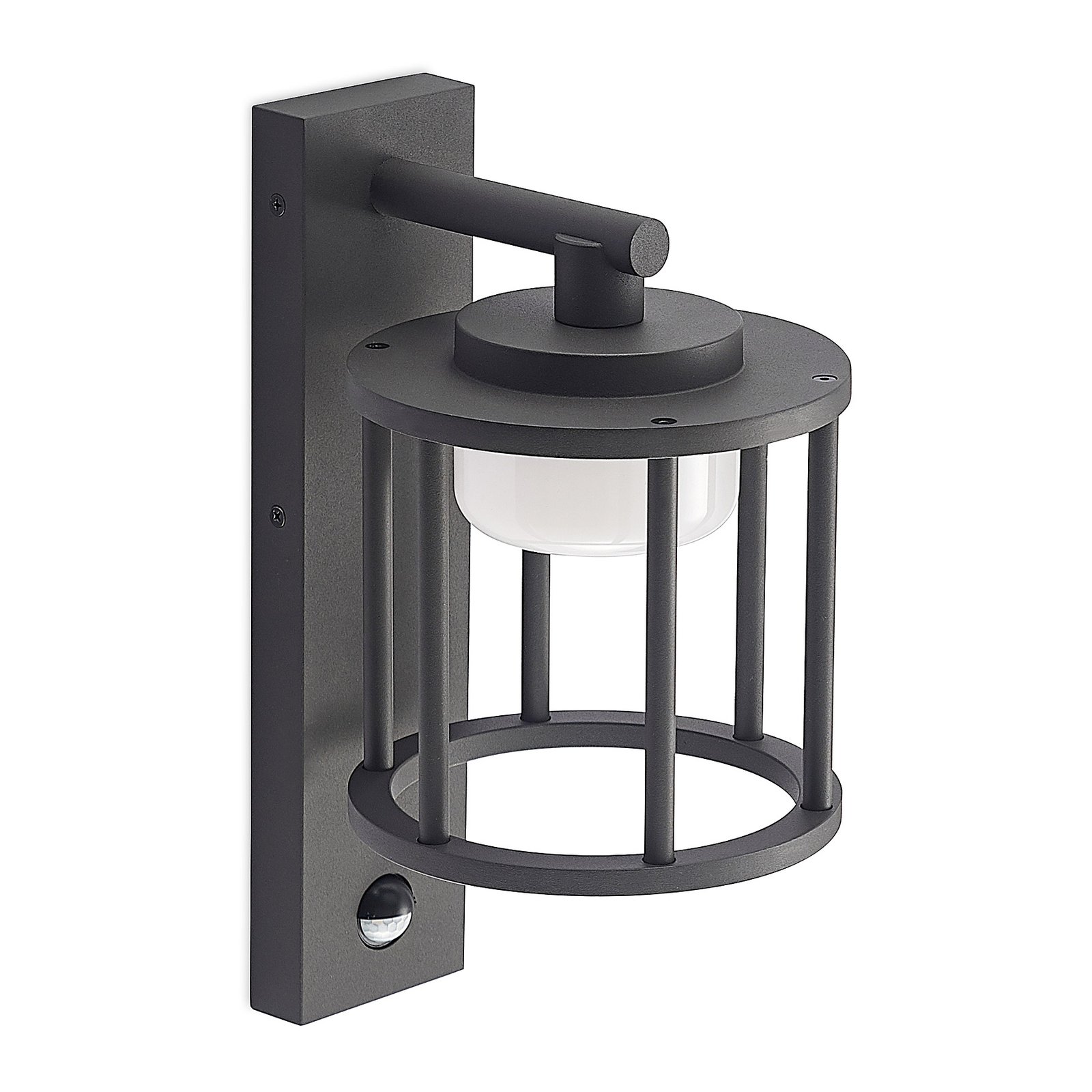
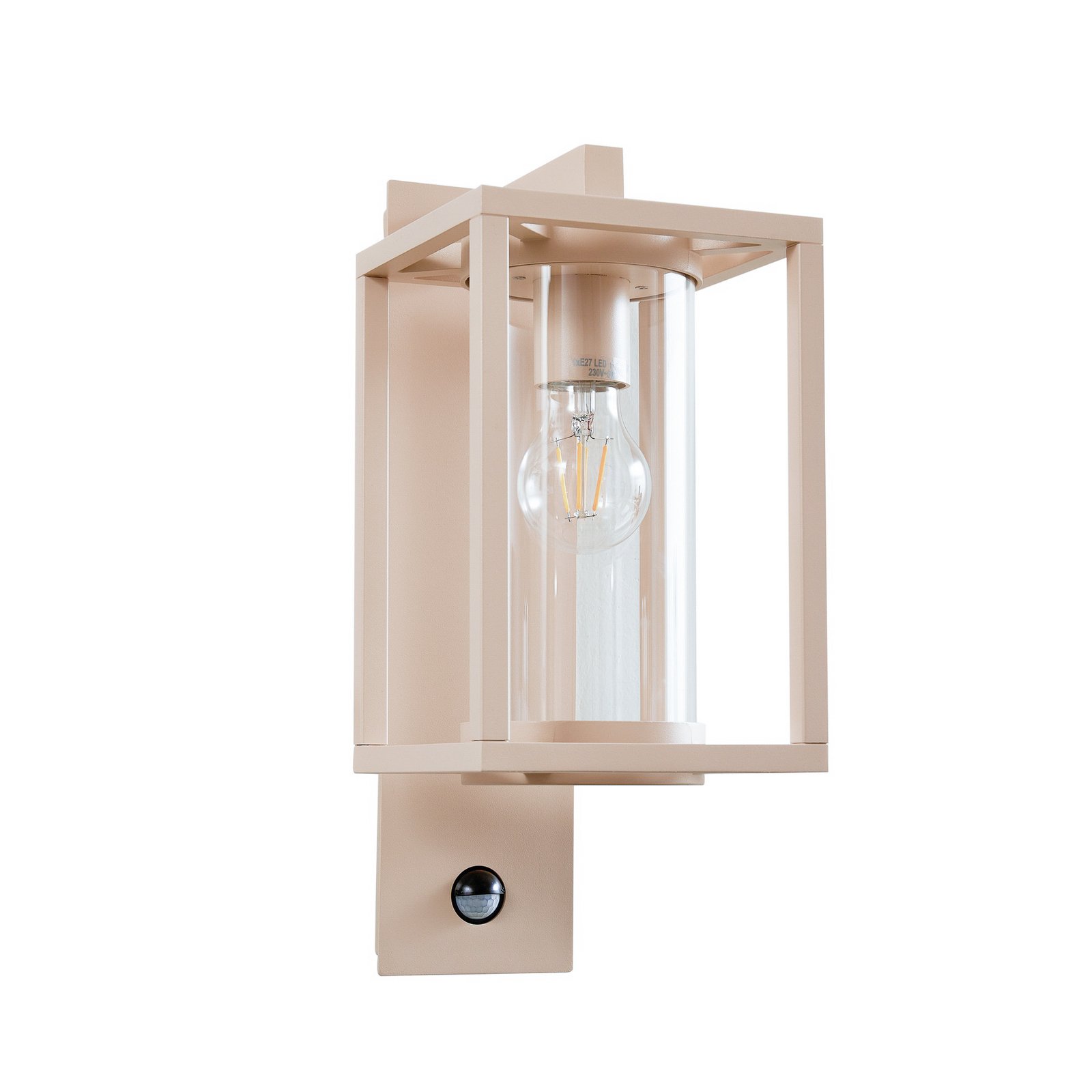
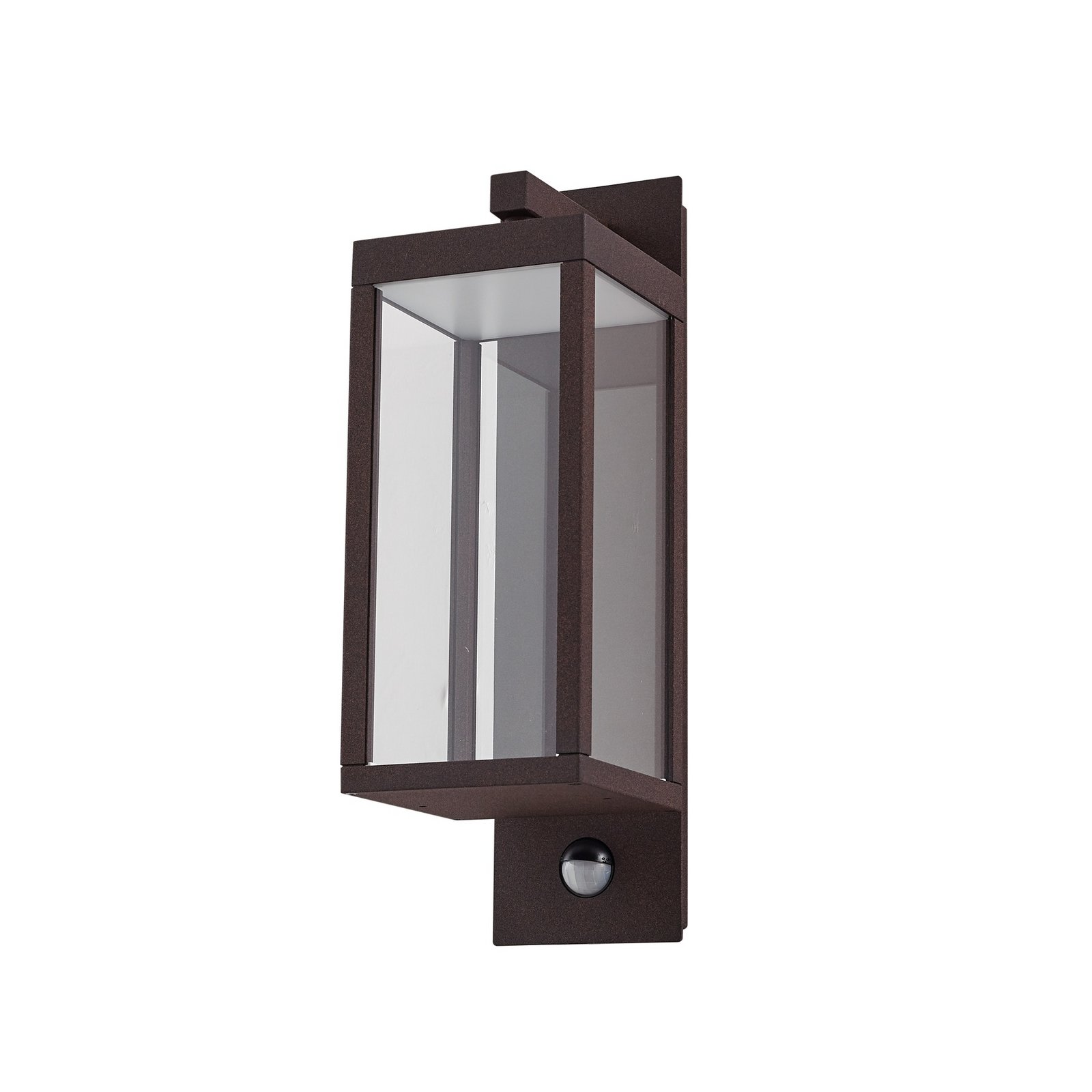
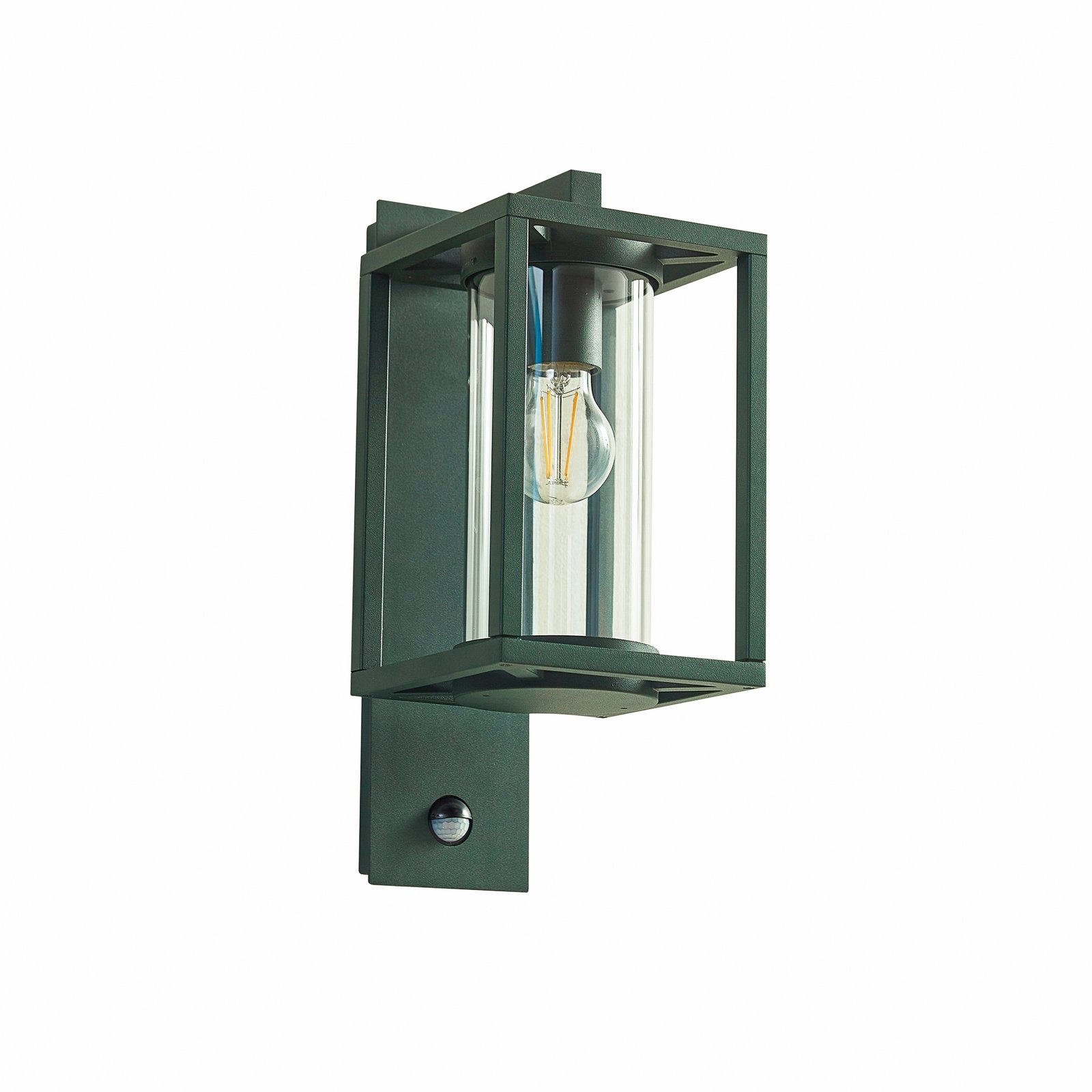
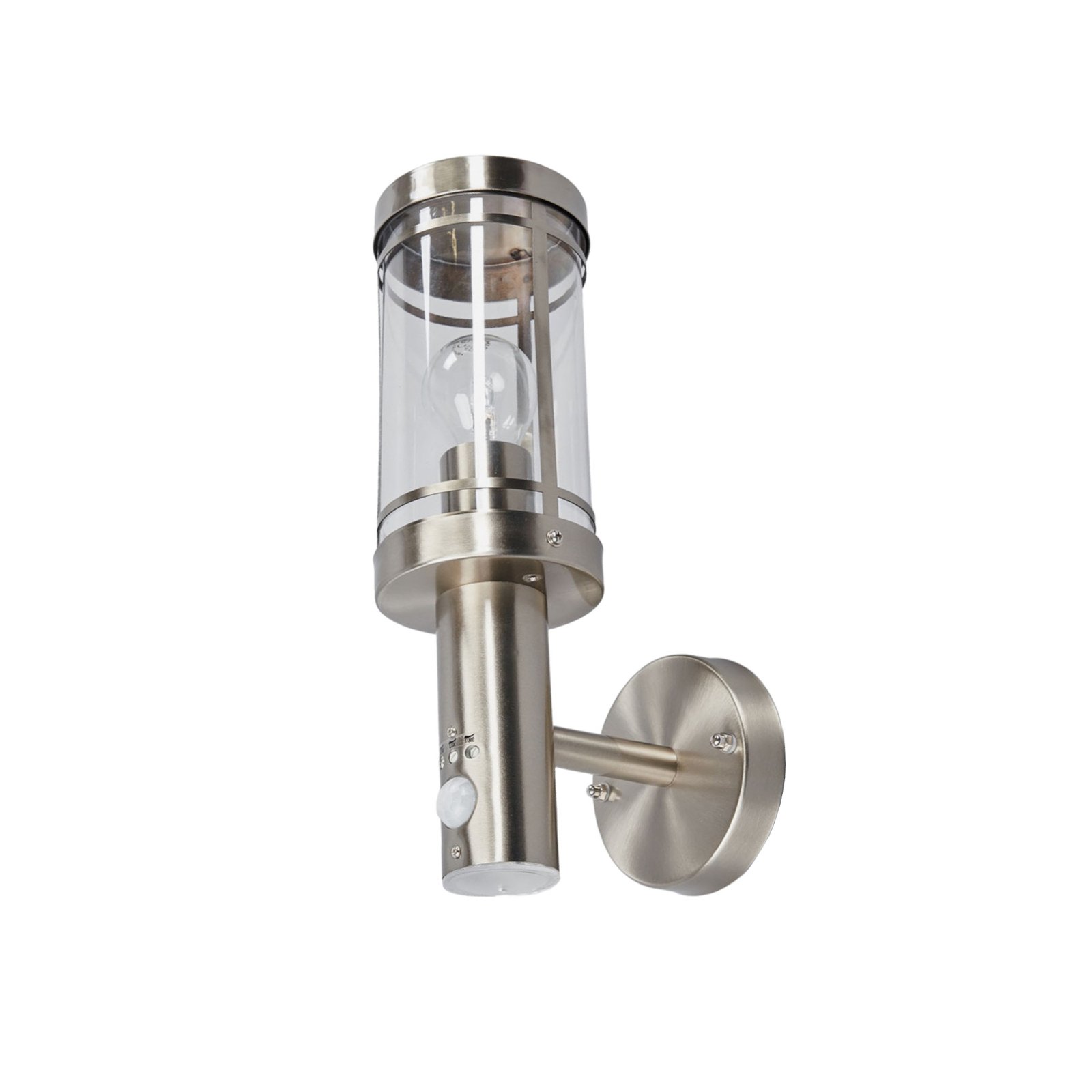
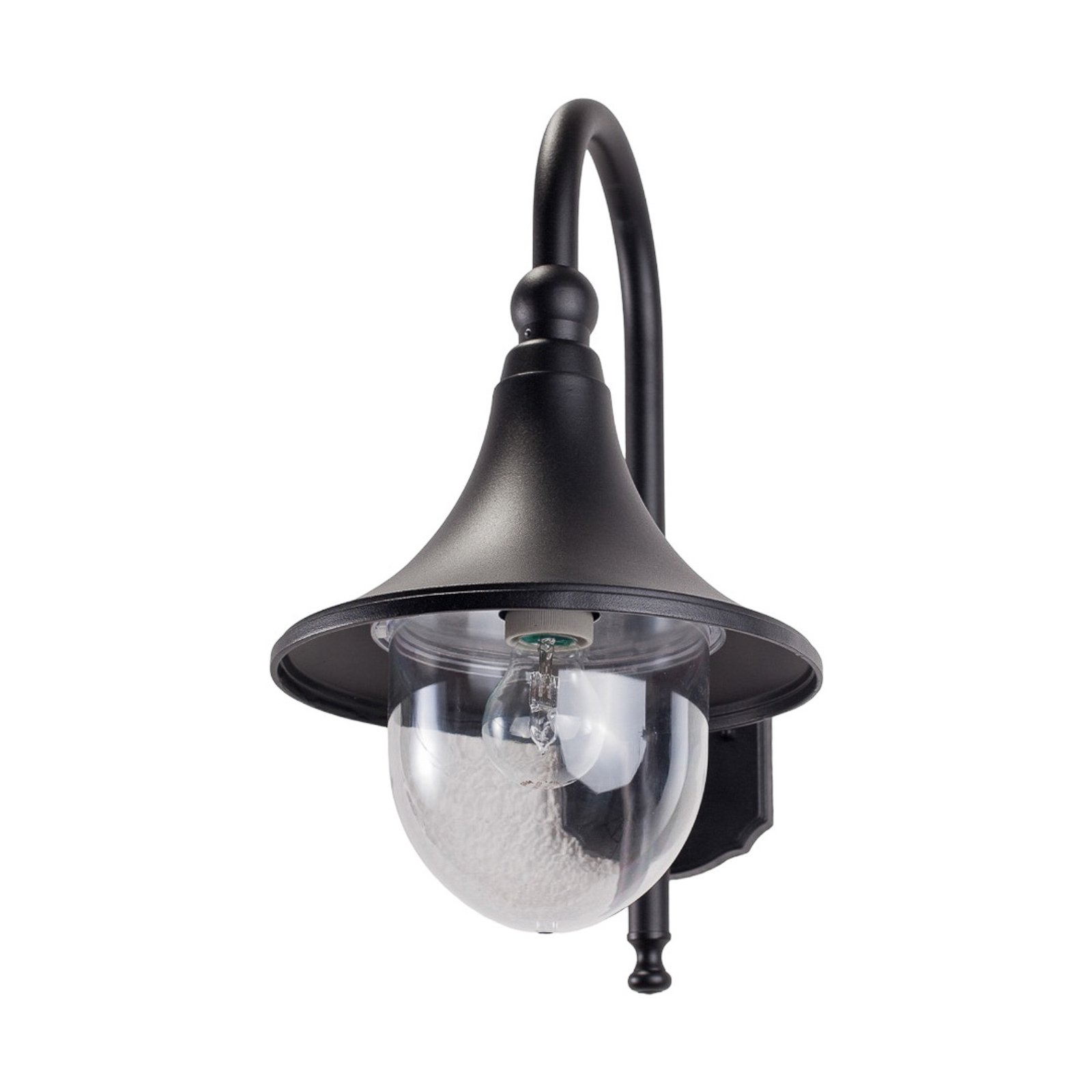
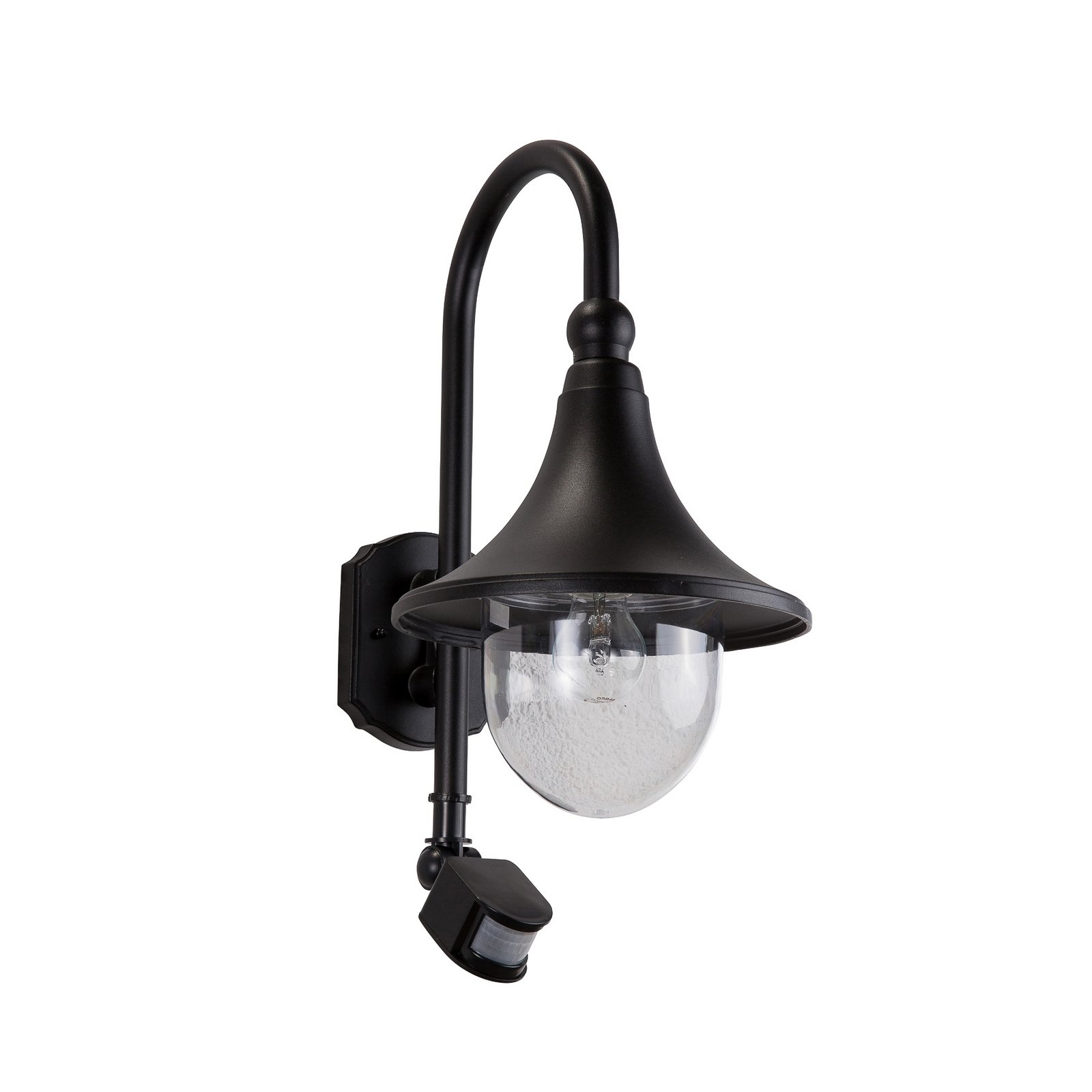
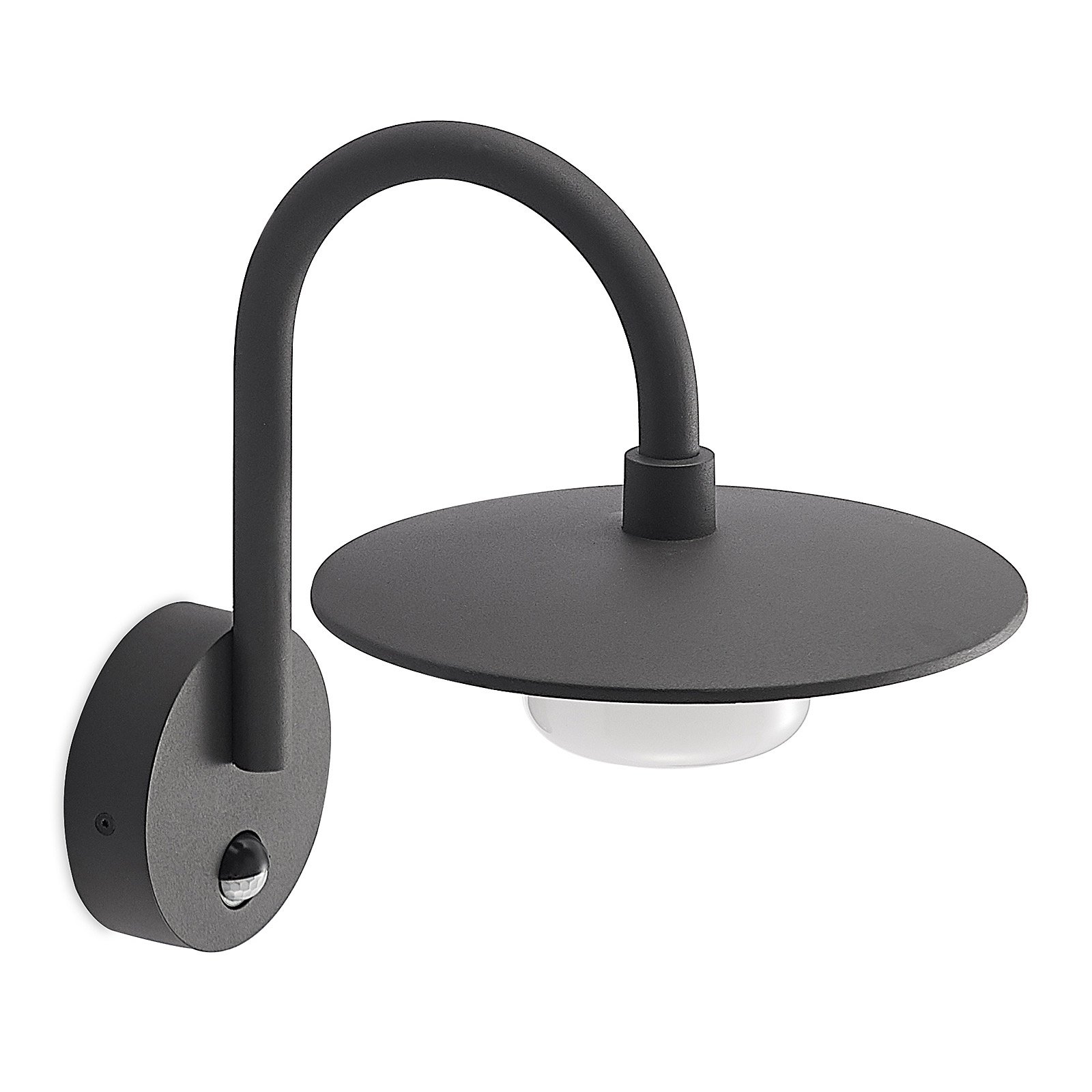
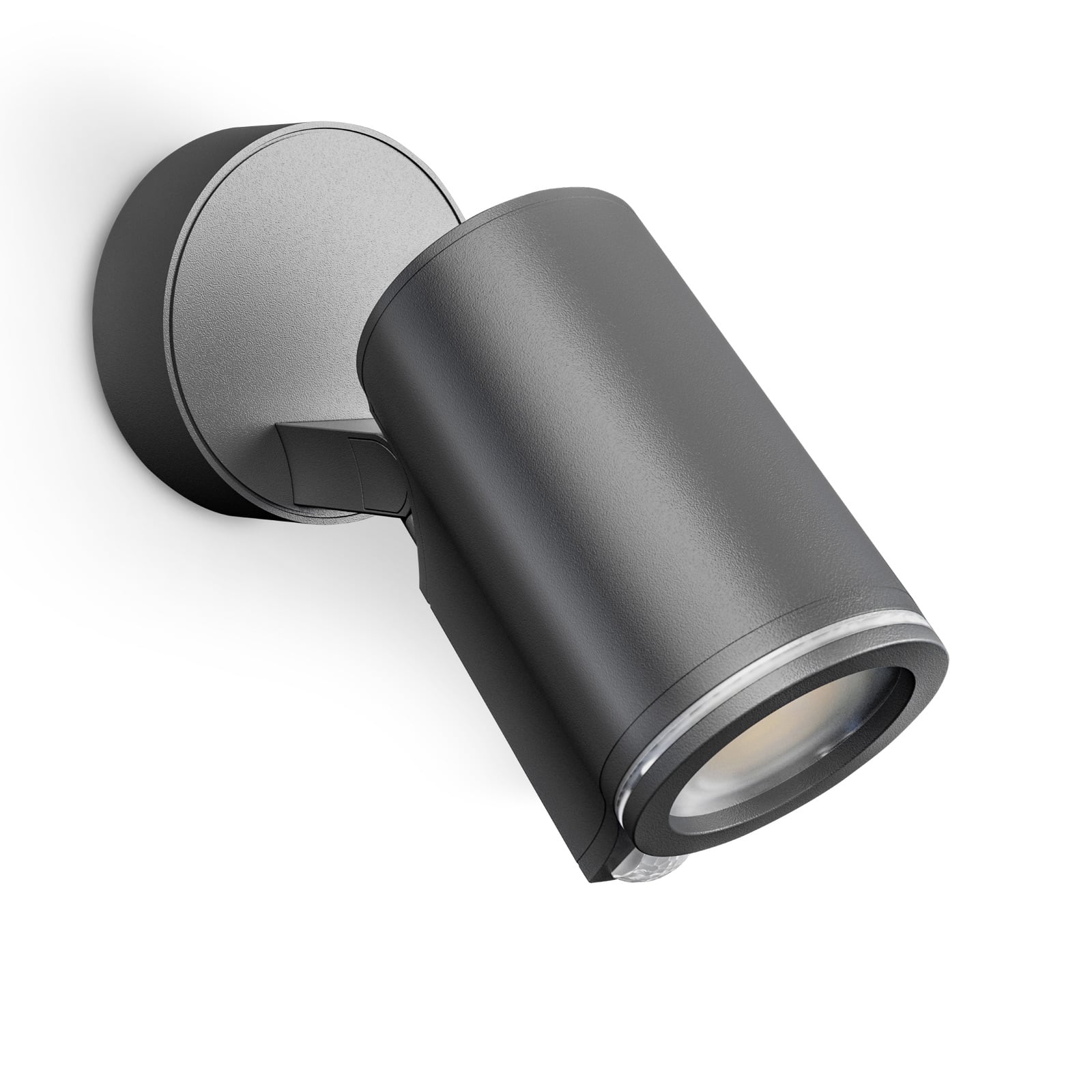
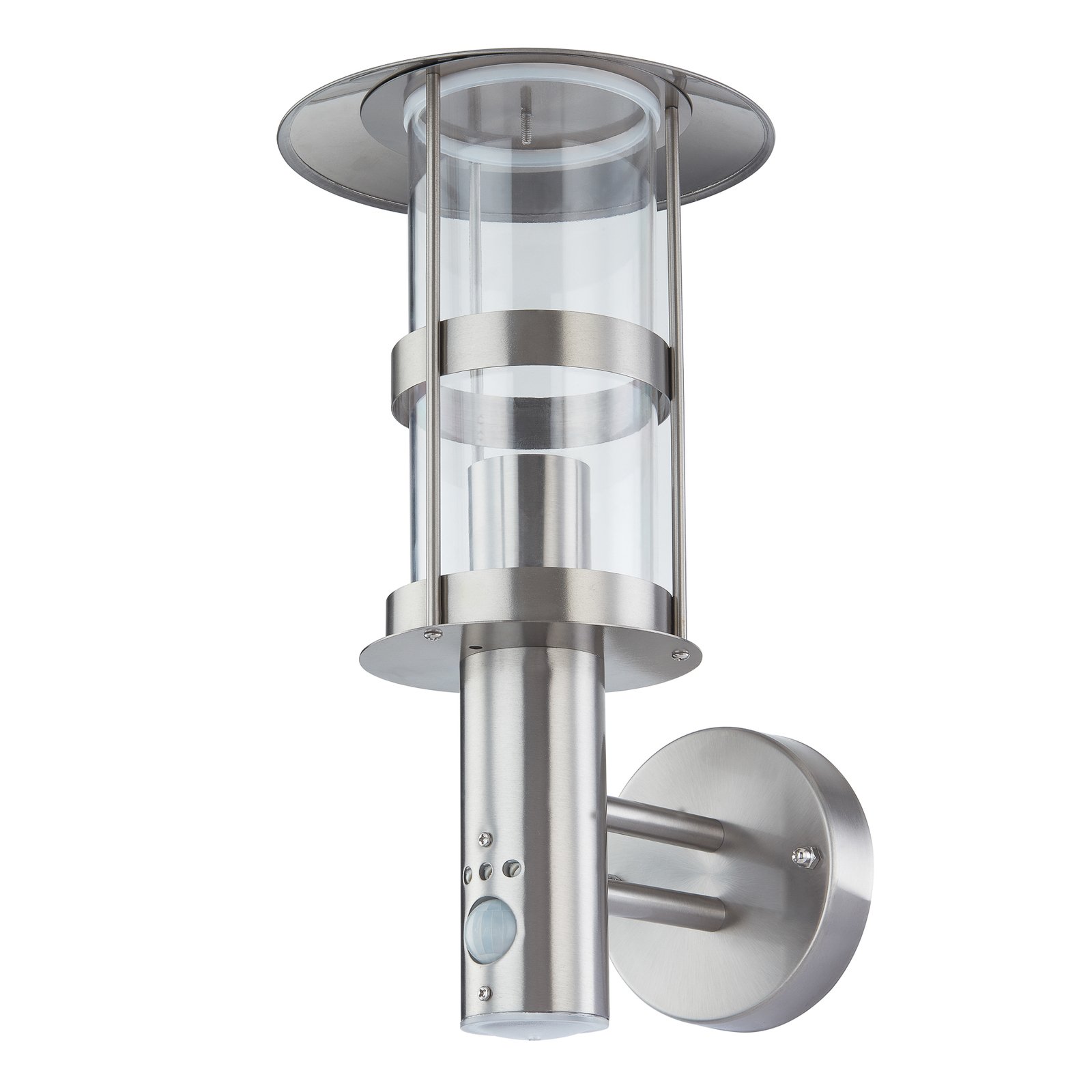
An outdoor light with integrated motion detector structures the transition between the path, façade and entrance. It makes access points clearly recognizable and structures the area.In outdoor spaces, it is not only the reaction to movement that counts, but also how form, material and light image fit into the architecture. A well-chosen solution also looks harmonious during the day and gives the house entrance, terrace or side access a clear effect.
How light and proportion interact at the house entrance
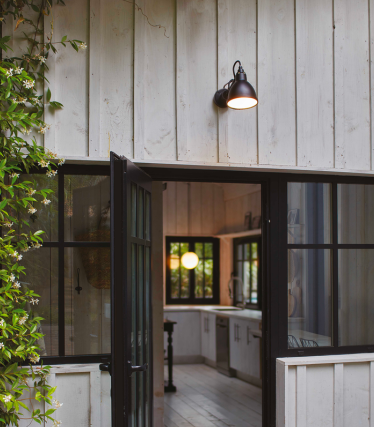
At the entrance to the house, light makes the first impression.The luminaire should capture the door, entrance area and transition as a coherent space. This creates a calm, clearly defined arrival situation - instead of an isolated point of light.A solution that directs its light downwards or softly emphasizes wall surfaces looks particularly harmonious. With a recessed door, a light positioned to the side can frame the entrance more calmly than a model directly above the door leaf. In combination with the door frame, handle and plinth, light becomes part of the overall concept.
The proportions of the lamp determine whether a narrow door zone is emphasized or a wide entrance is illuminated in a balanced way.For smaller entrances, a single model is often sufficient if it is precisely positioned and follows the lines of the façade. Wider entrances, on the other hand, benefit from a symmetrical solution, because this arrangement gives the entrance to the house more calm and defines the transition to the house wall more clearly.It is crucial that the position, proportions and light pattern are matched to the door zone.
Outdoor lights with motion detectors as a quiet addition to the façade
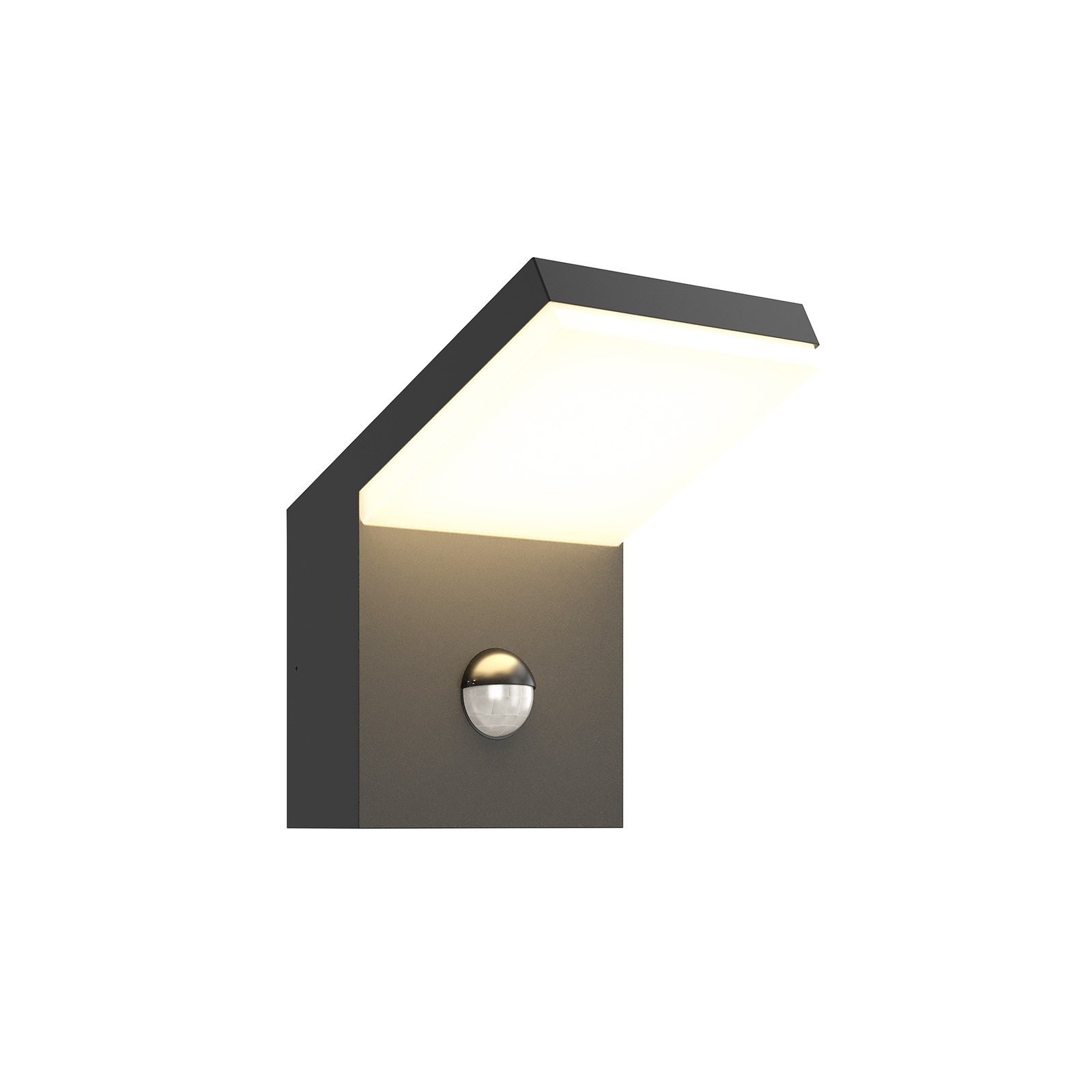
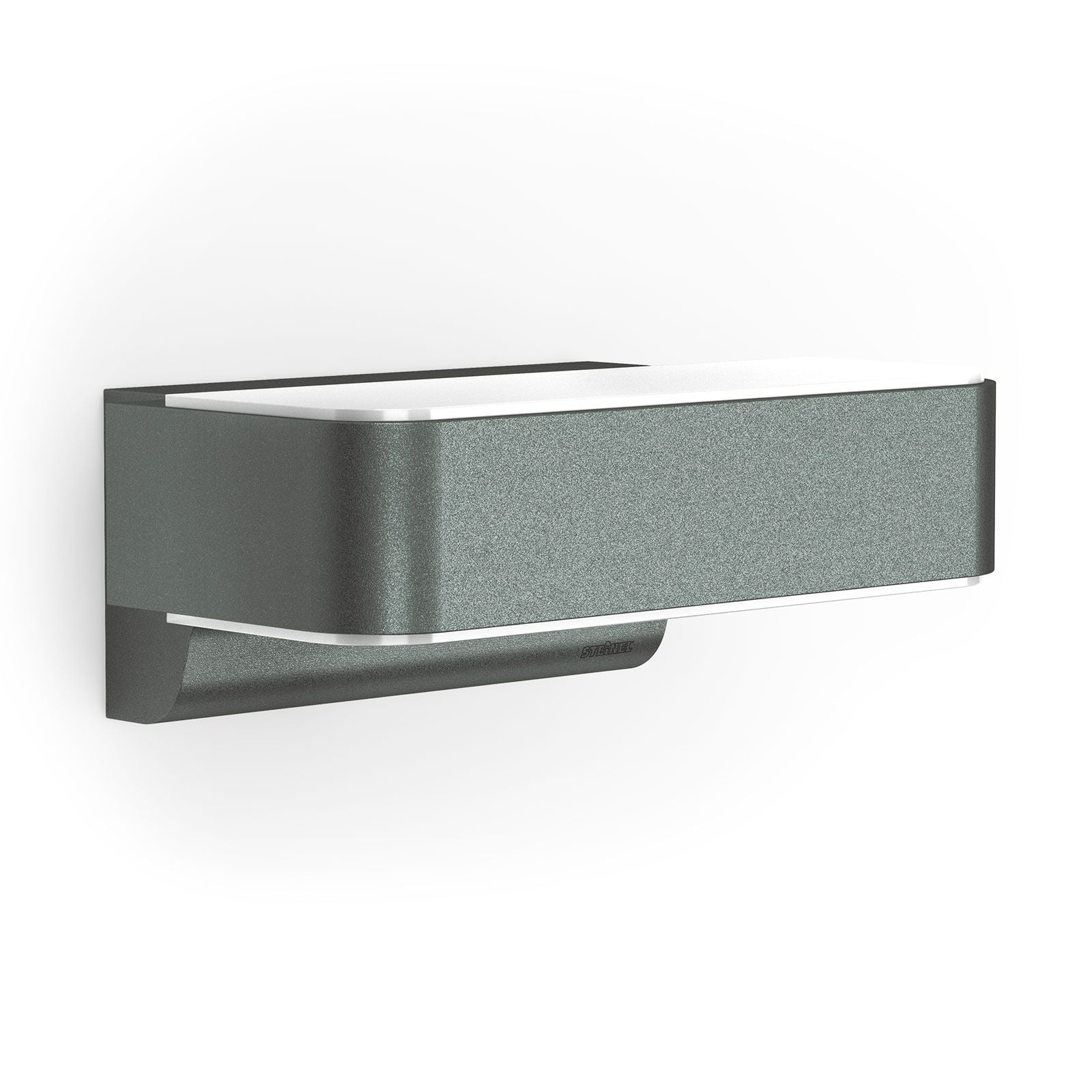
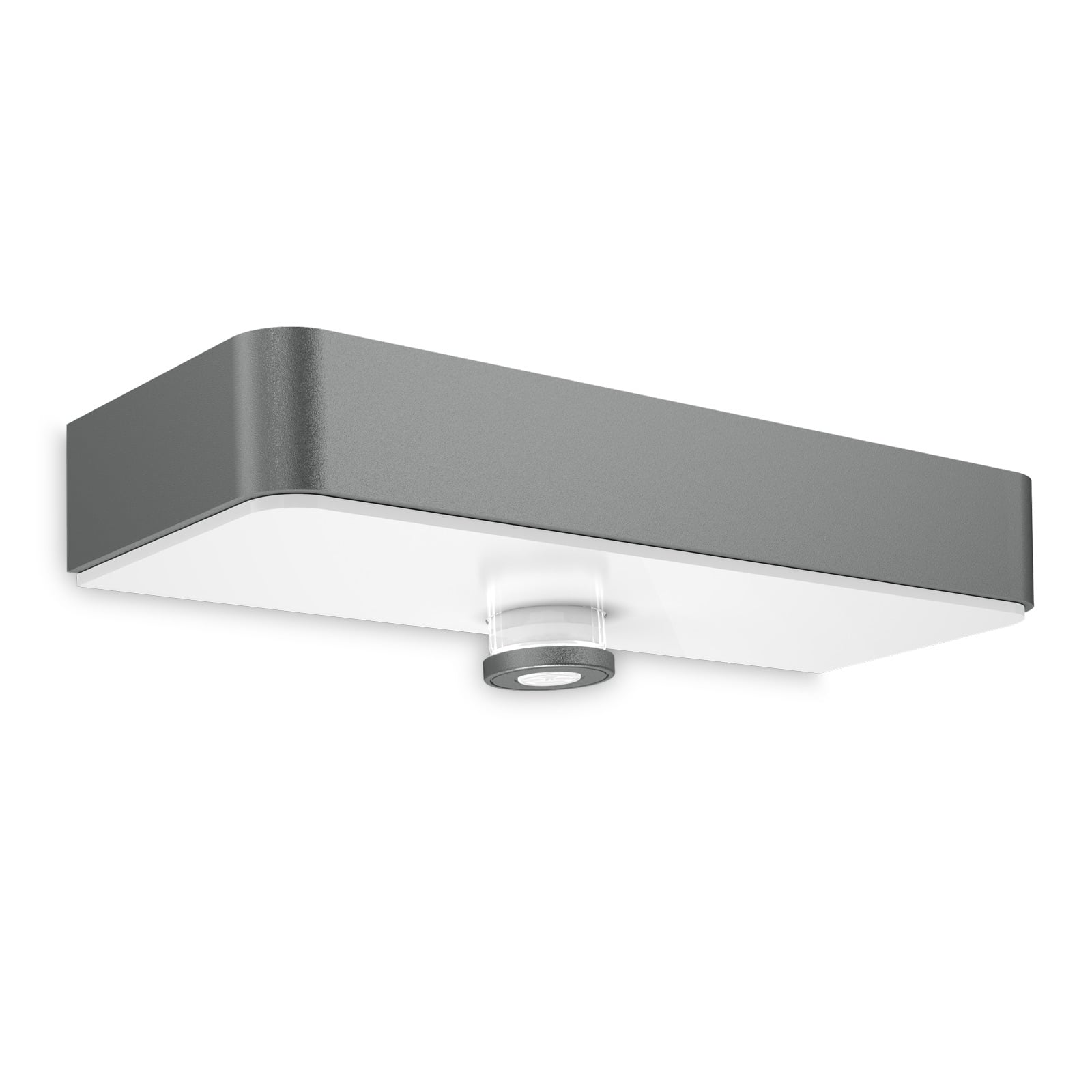
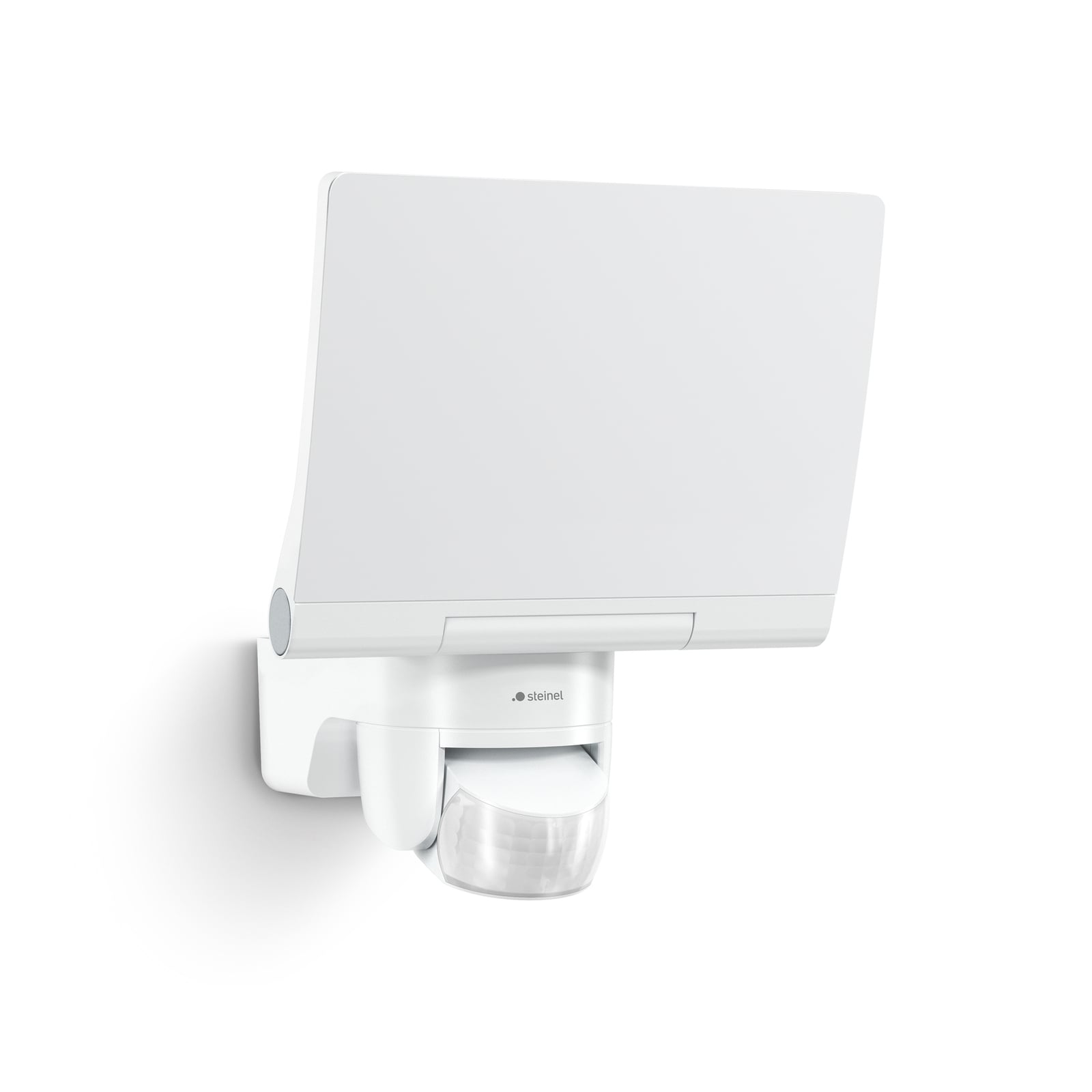
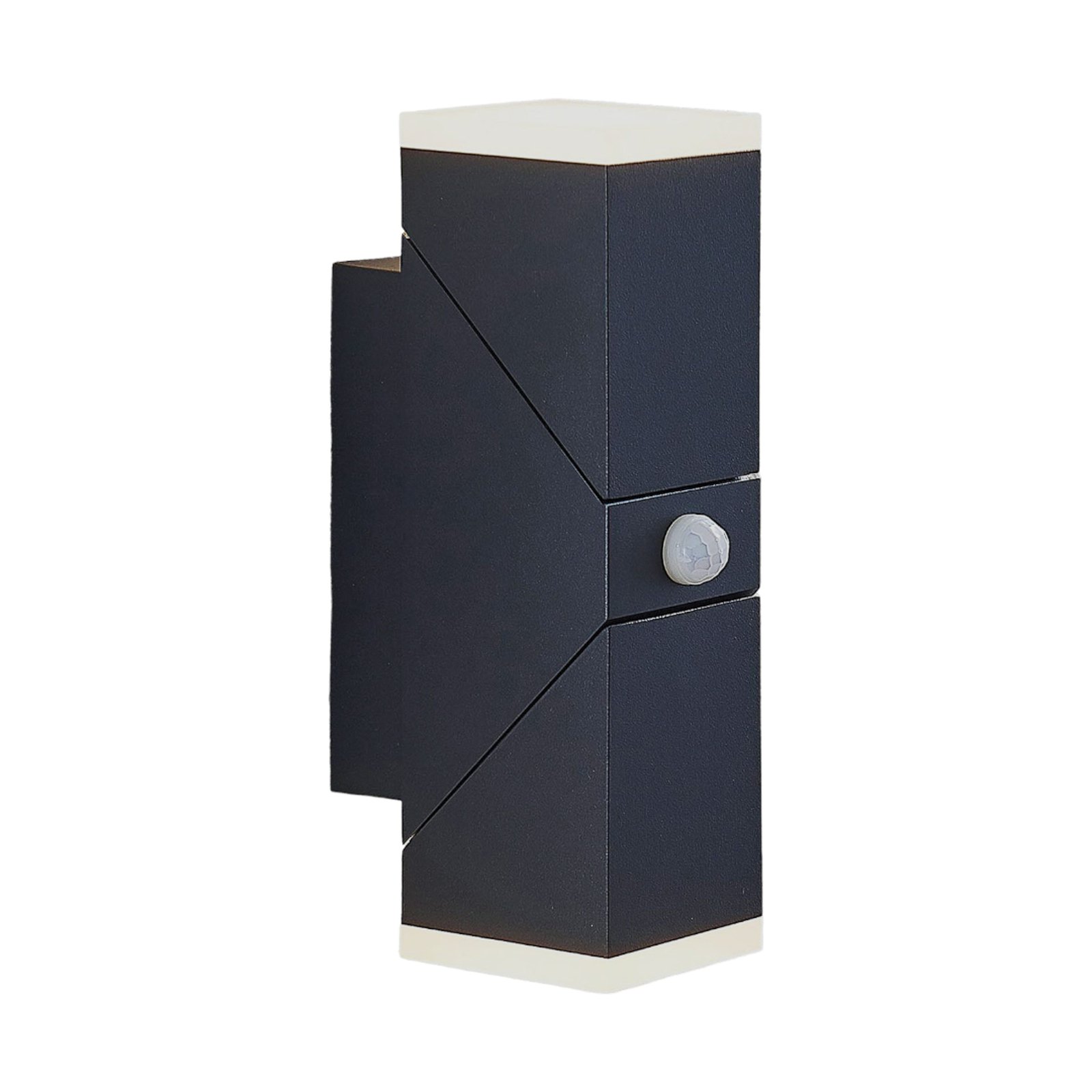
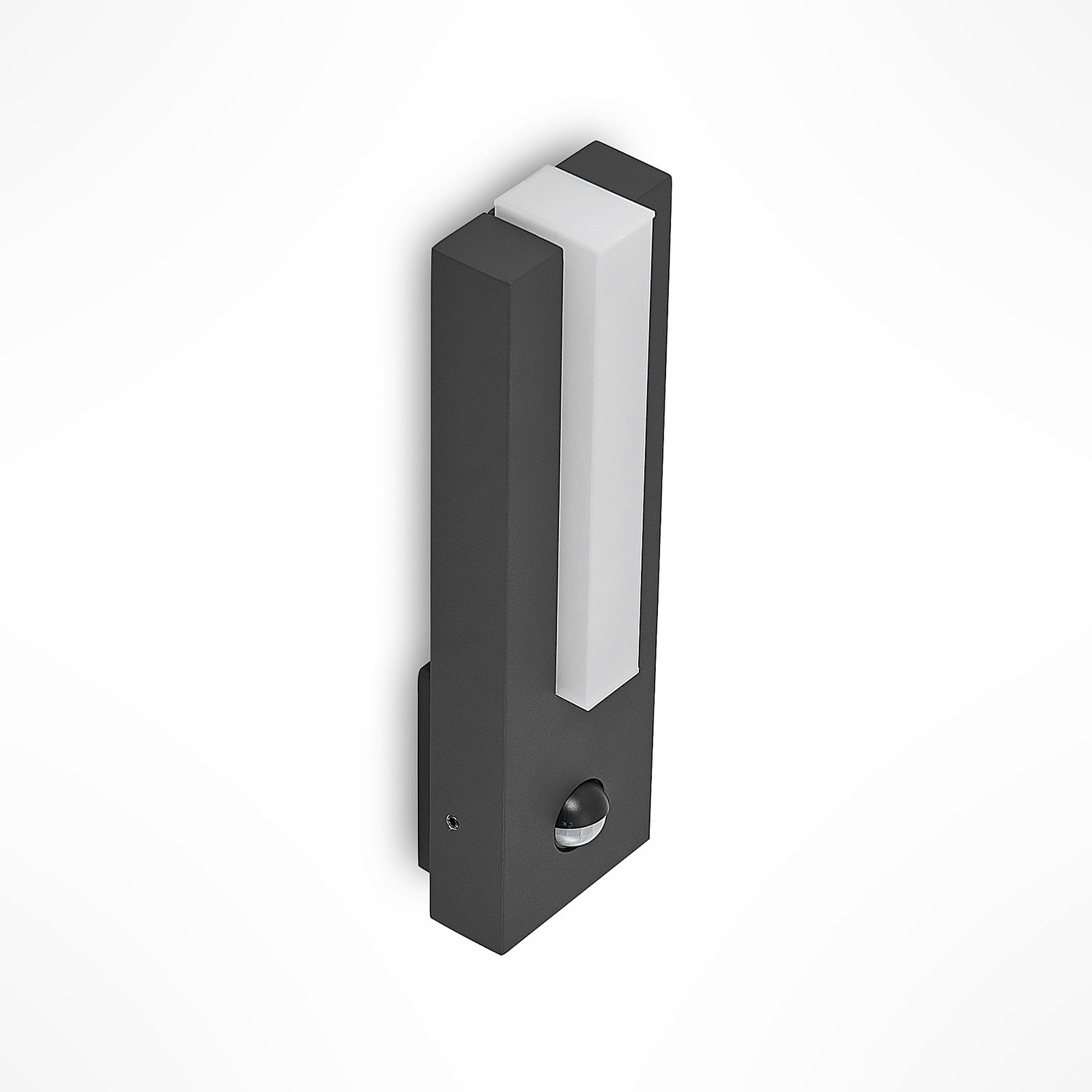
On the side façades and paths along the building, integration into the architecture is what counts most.The wall surface, walkway and movement area should be coordinated in such a way that the façade surface remains visually organized and the sensor does not stand out as a separate component.This is achieved when the sensor, housing and light cone act as a unit.With a reduced wall light, the technology recedes visually, while the housing, the fall of light and the surface continue the lines of the façade. This is particularly suitable for smooth plastered surfaces, clinker bricks or vertical wooden façades.
Equally important is the effect in daylight.A housing in matt anthracite, black or aluminum usually blends more discreetly into the house wall than a glossy version. A housing with clear edges sets an accent on light-colored facades.On darker surfaces, it may appear almost identical in tone. In everyday life, it is crucial that the luminaire detects movement at entrances, passageways and side paths without making the outdoor area appear cluttered.
Outdoor lights with motion sensor: clear form for modern architecture
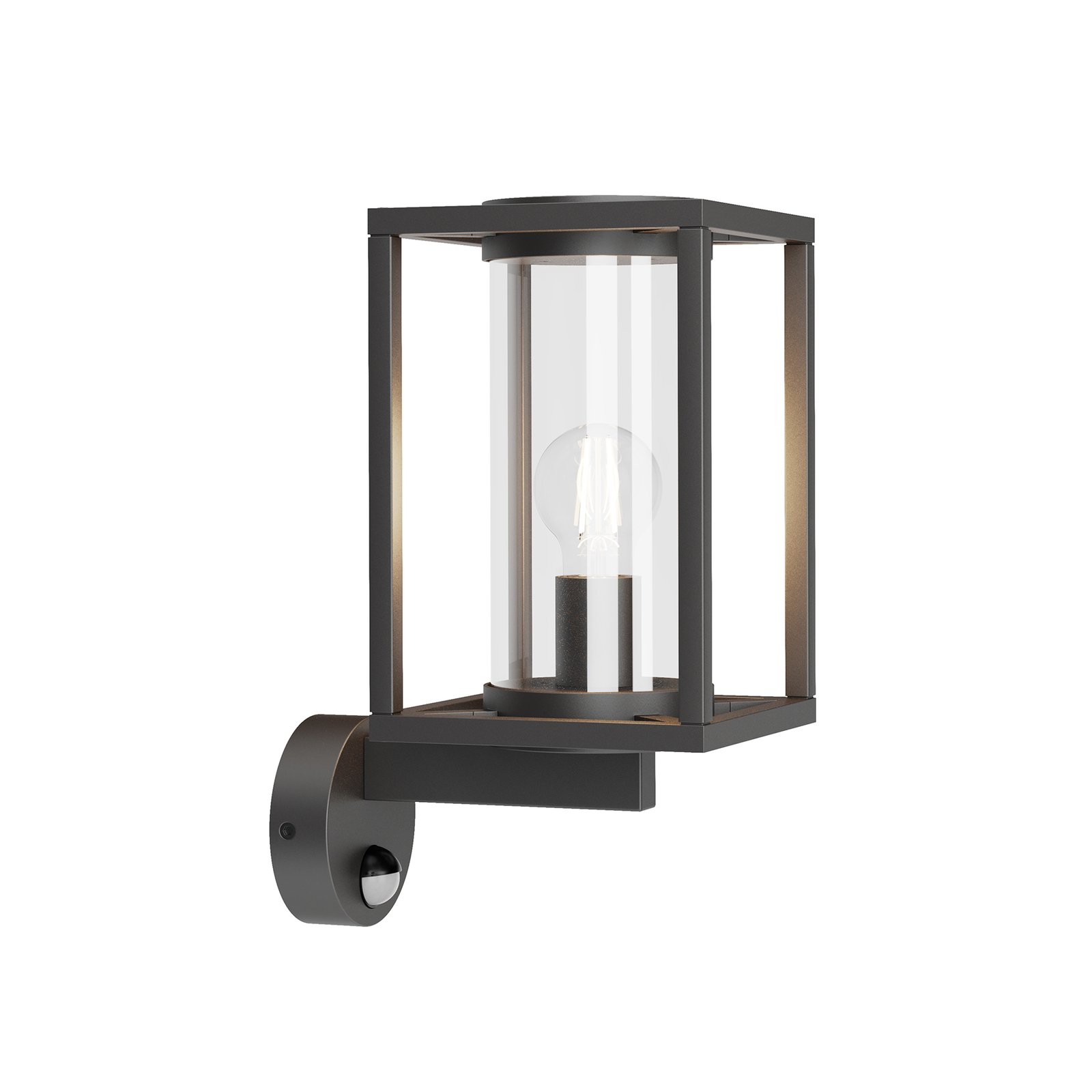
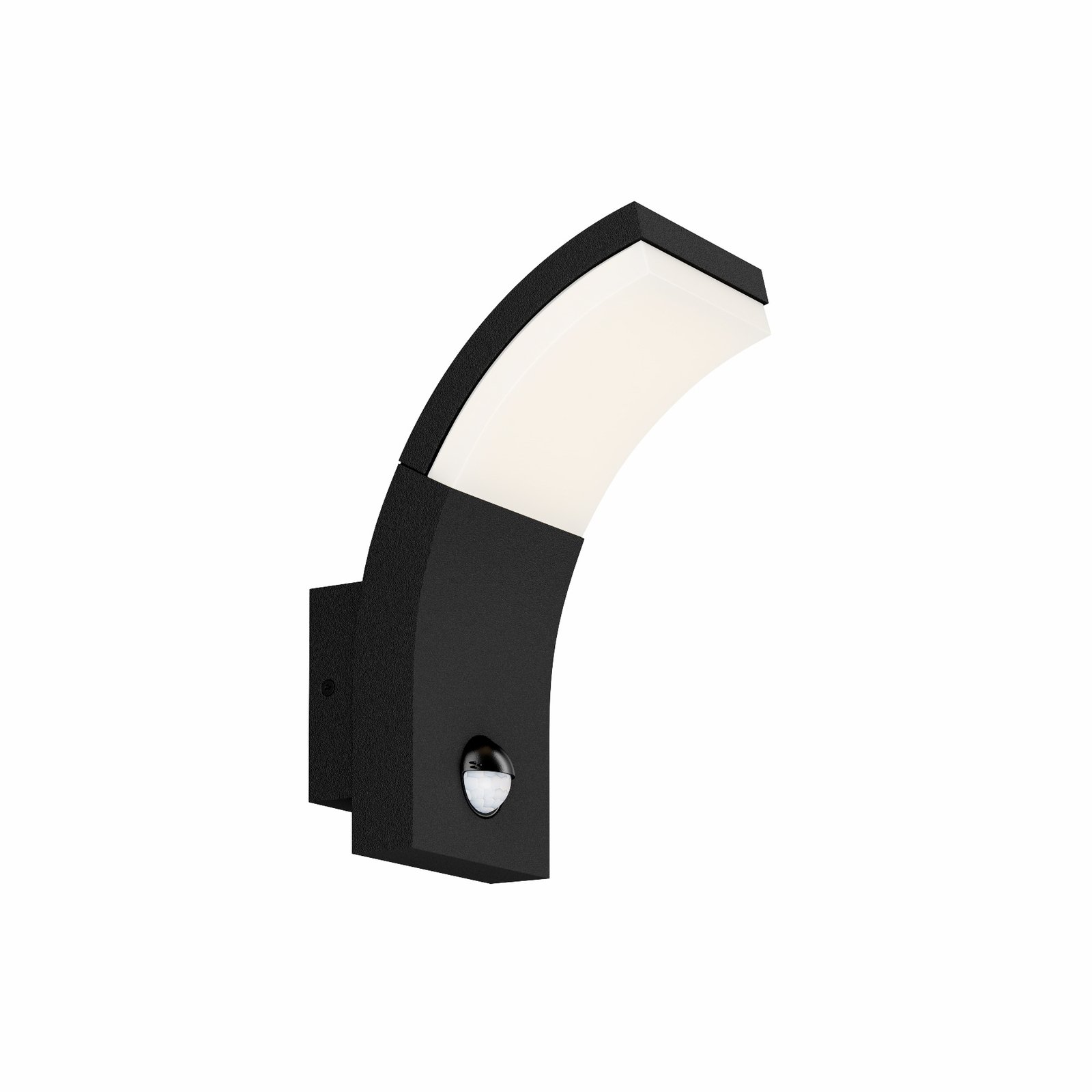
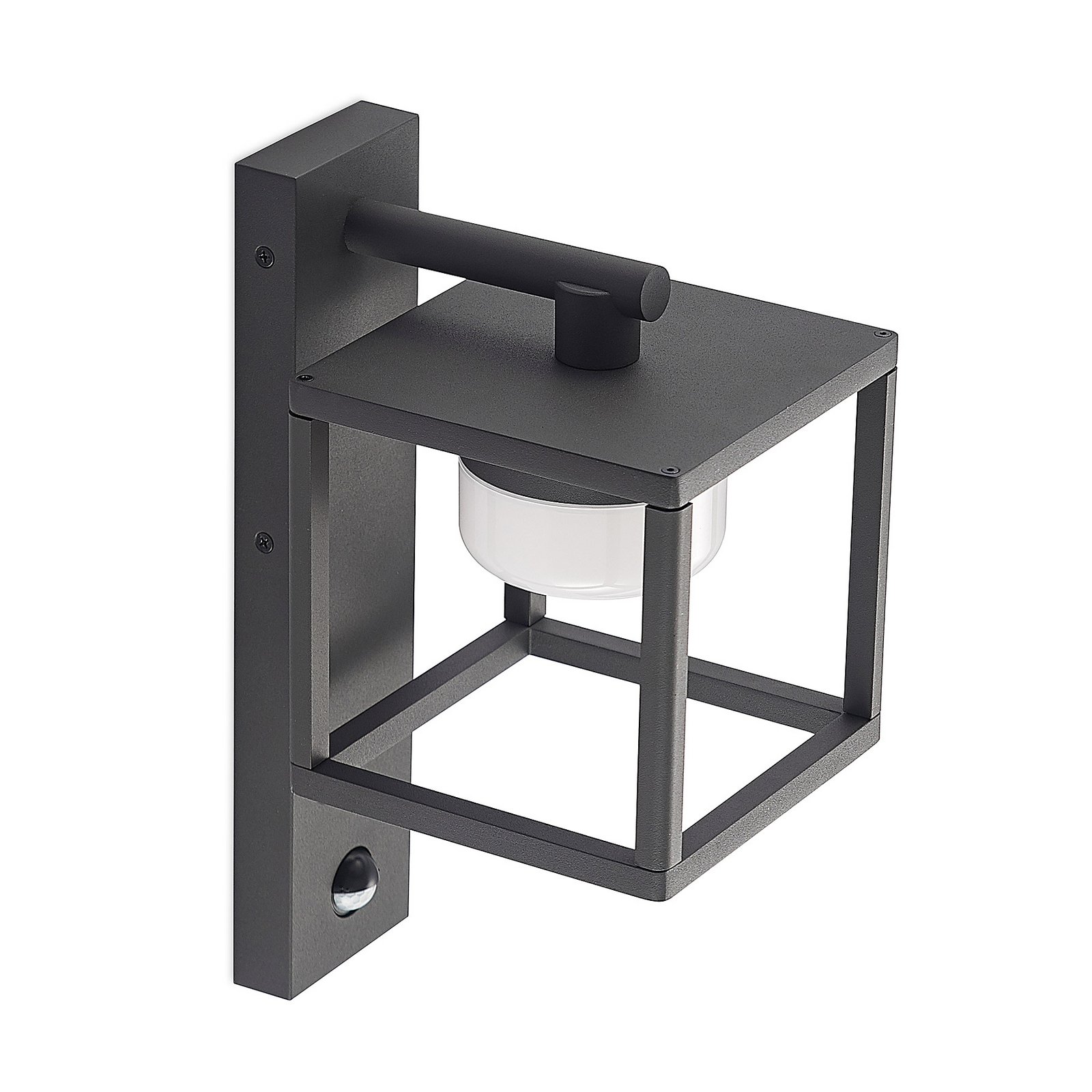
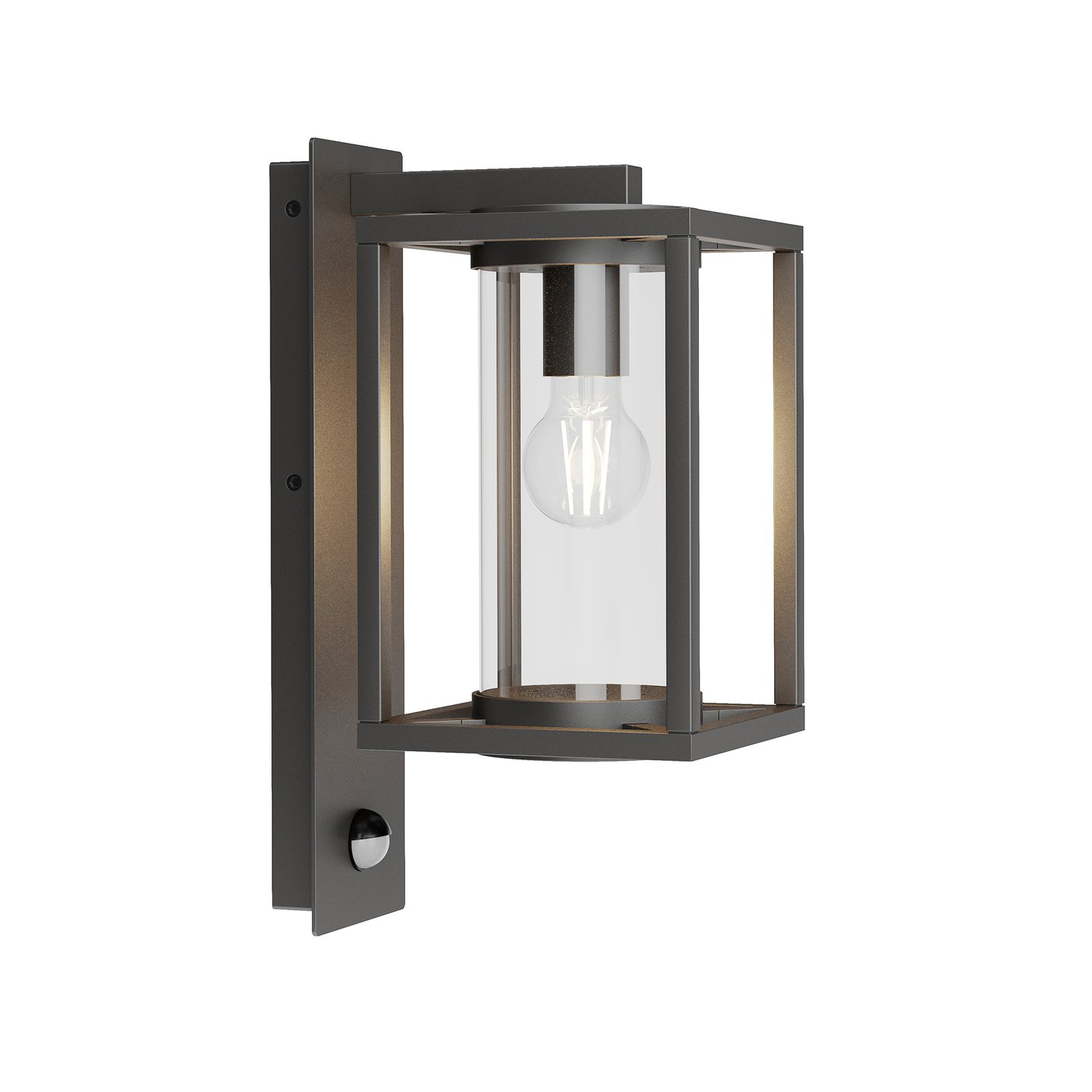
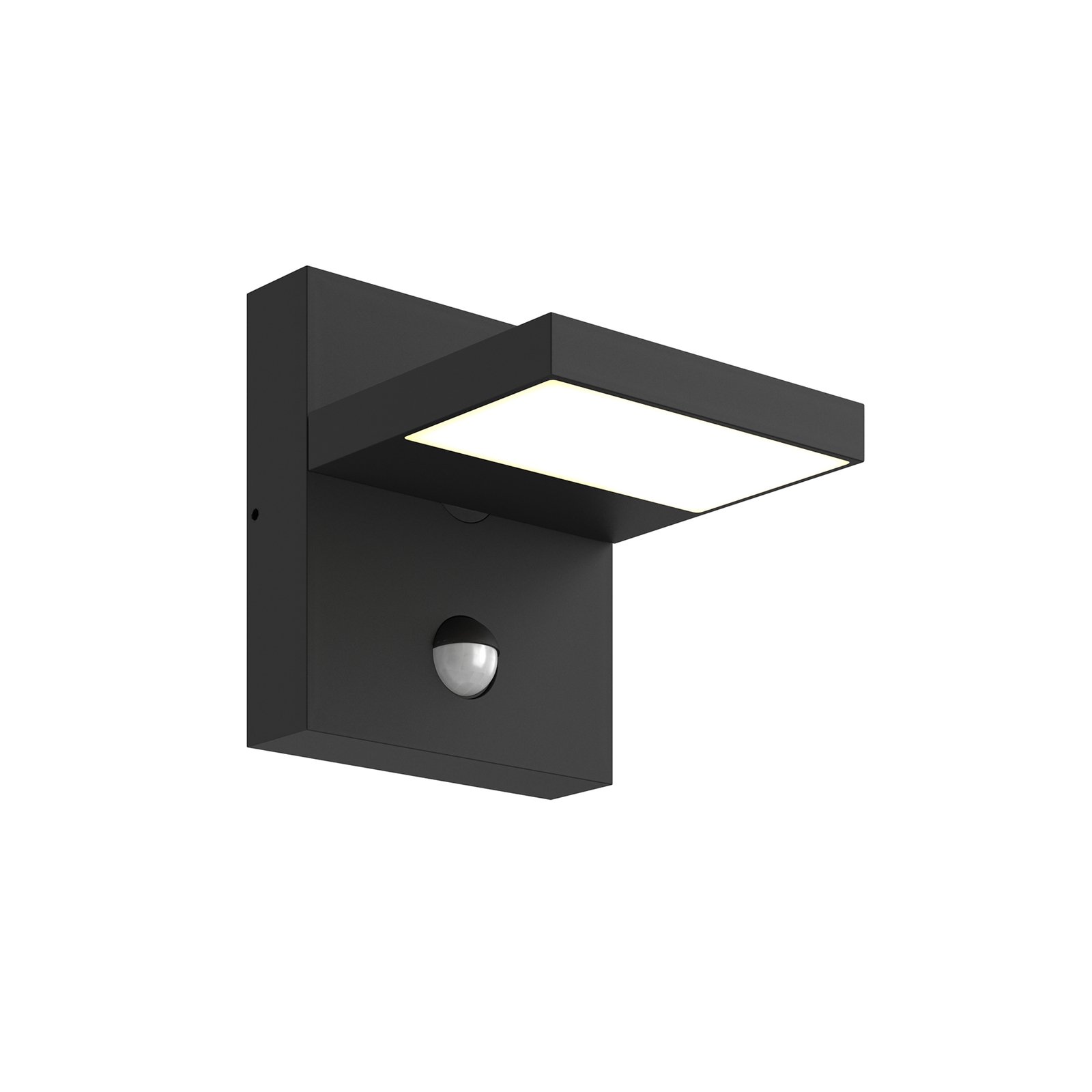
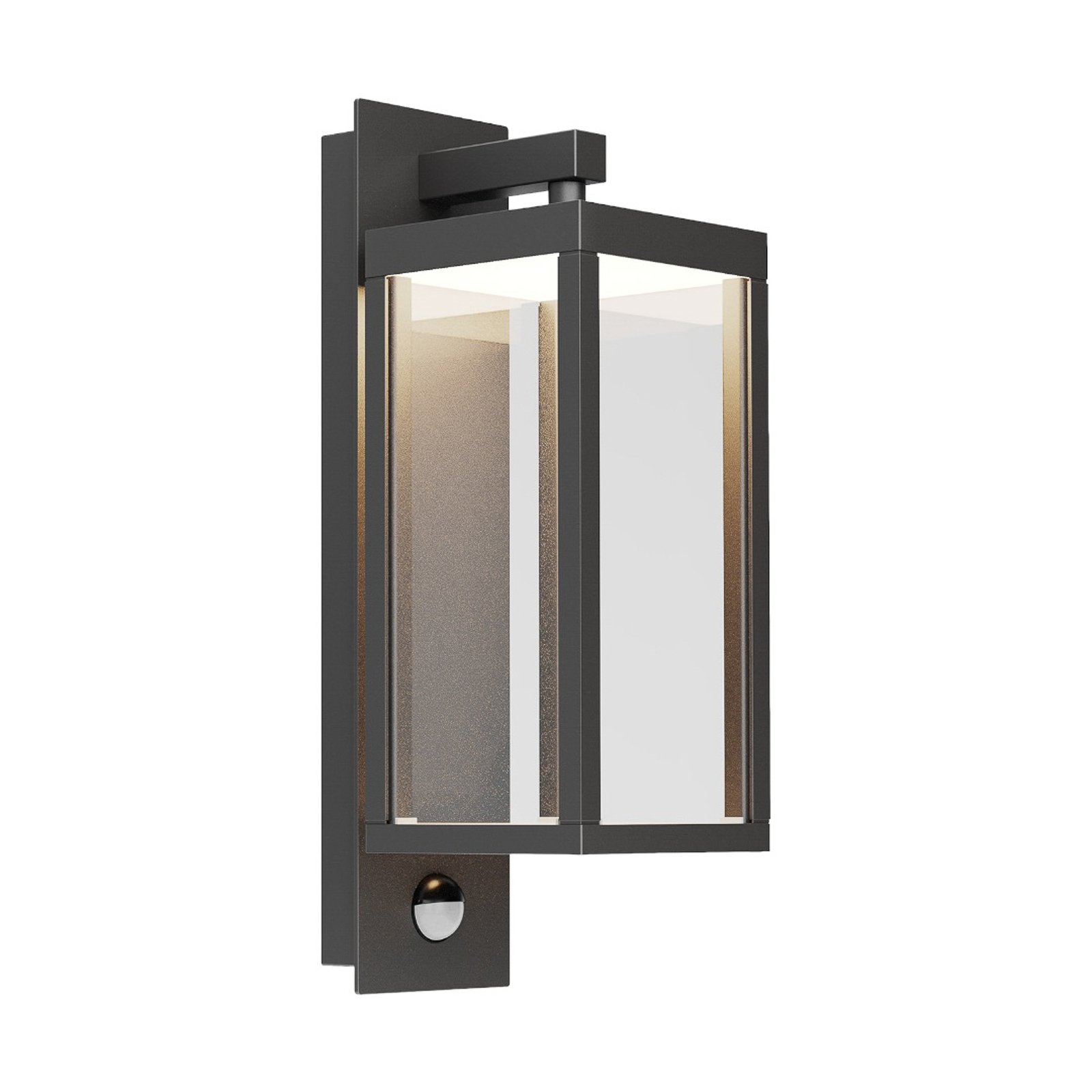
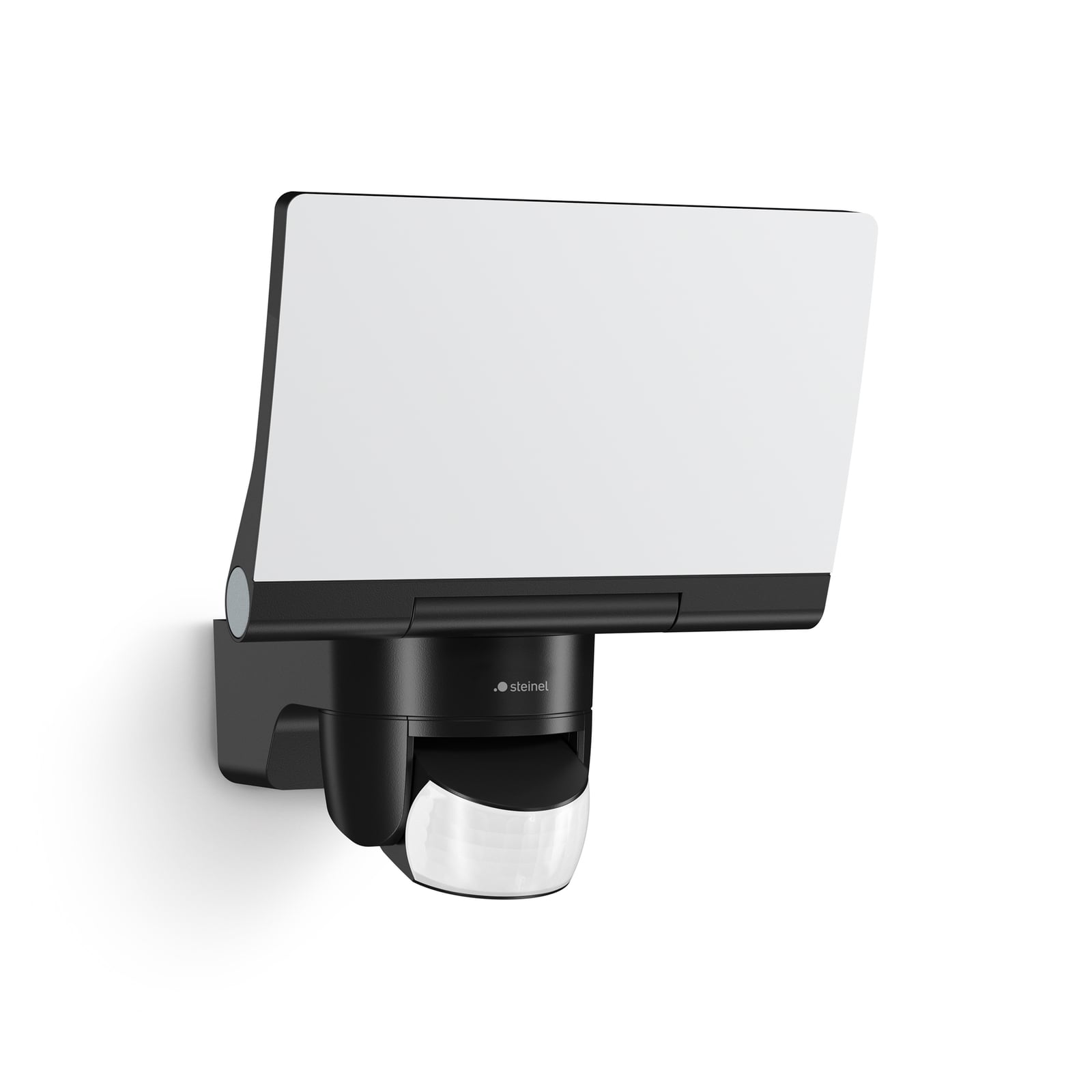
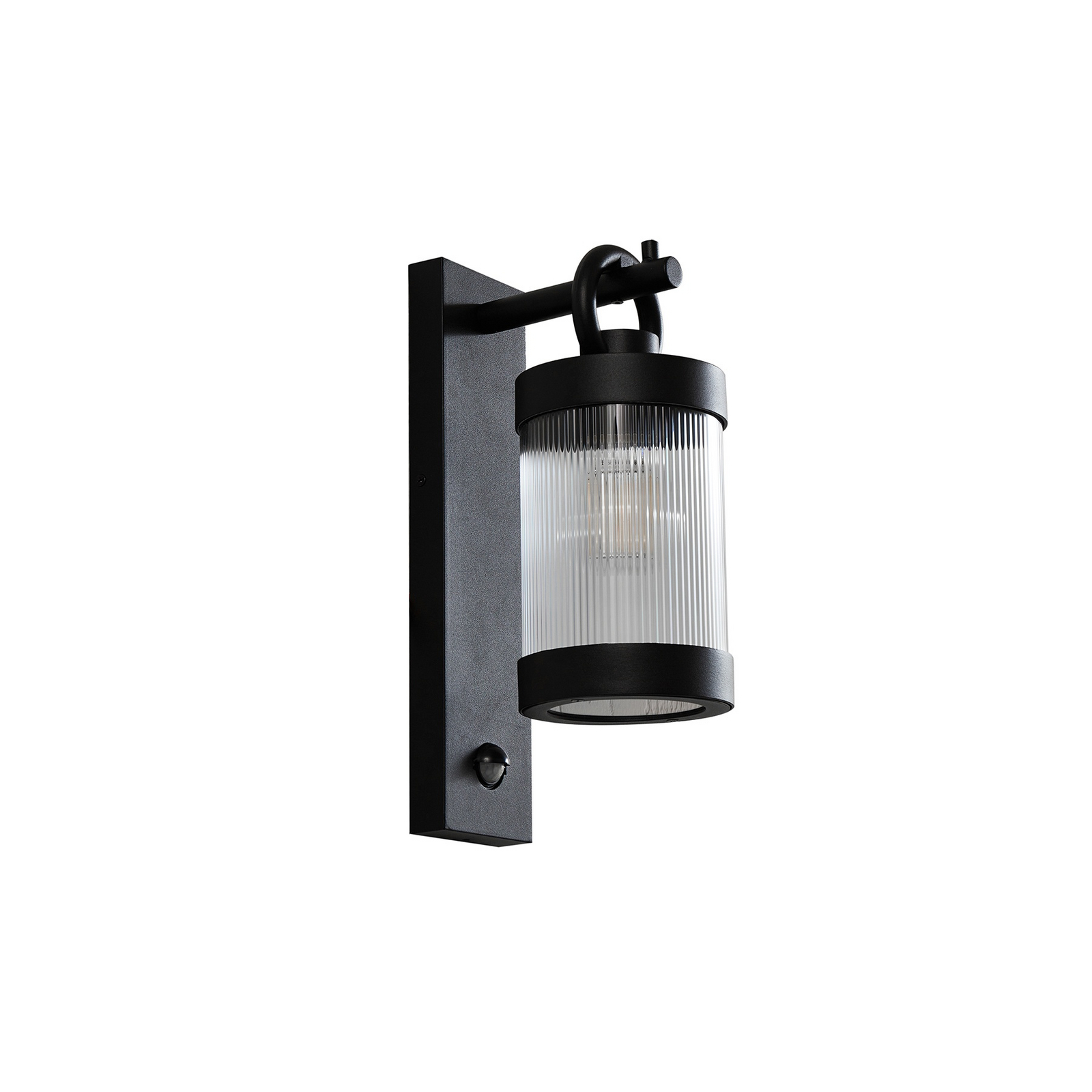
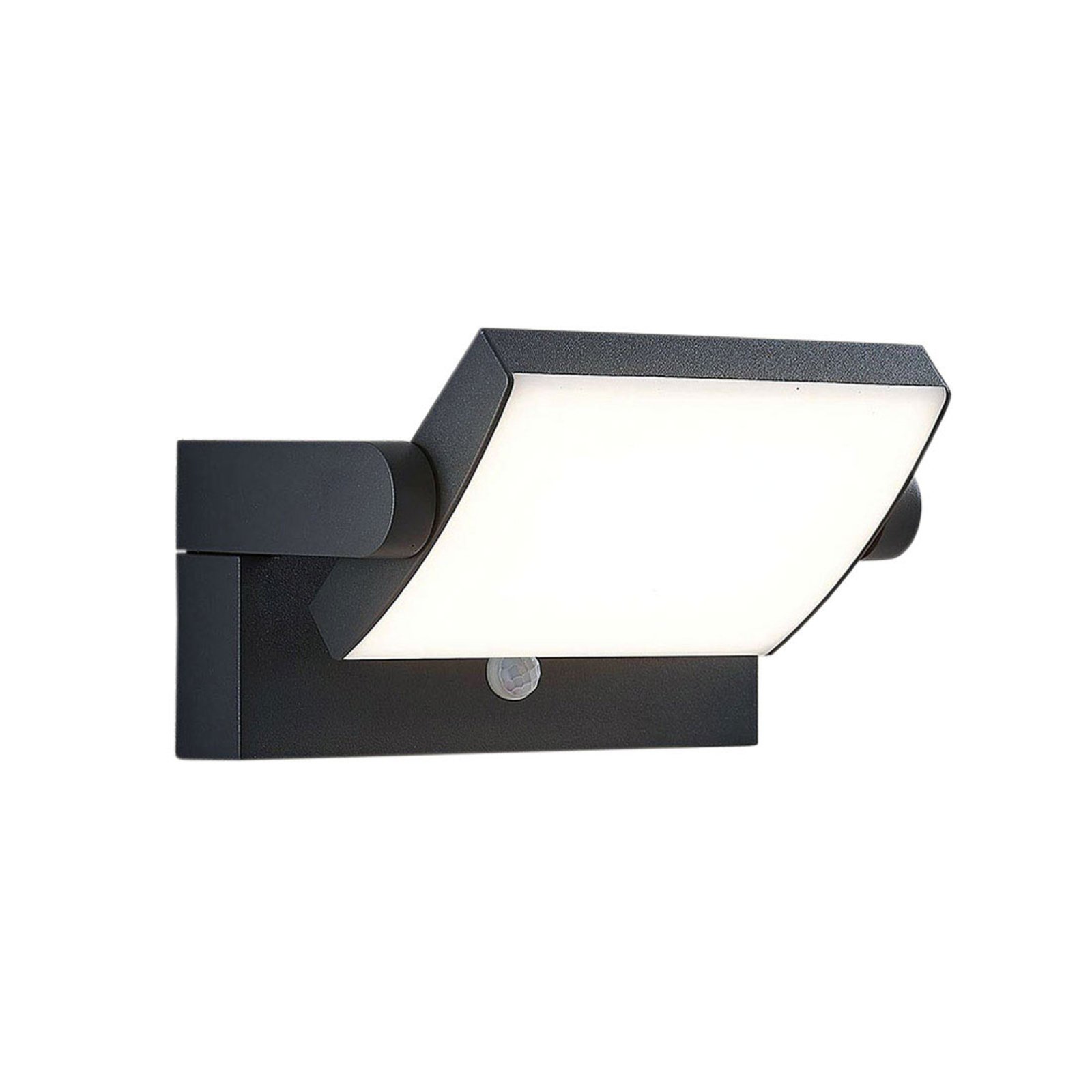
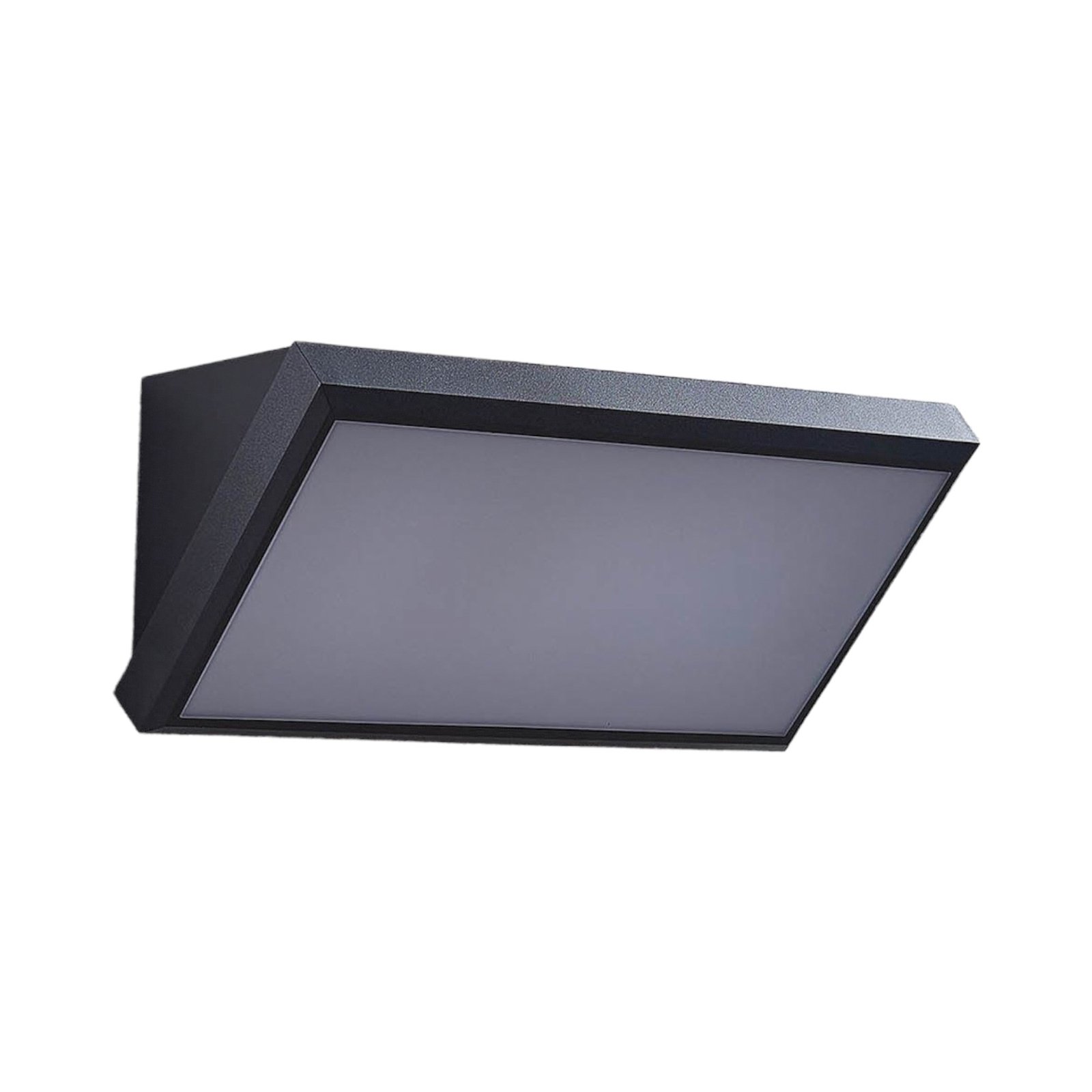
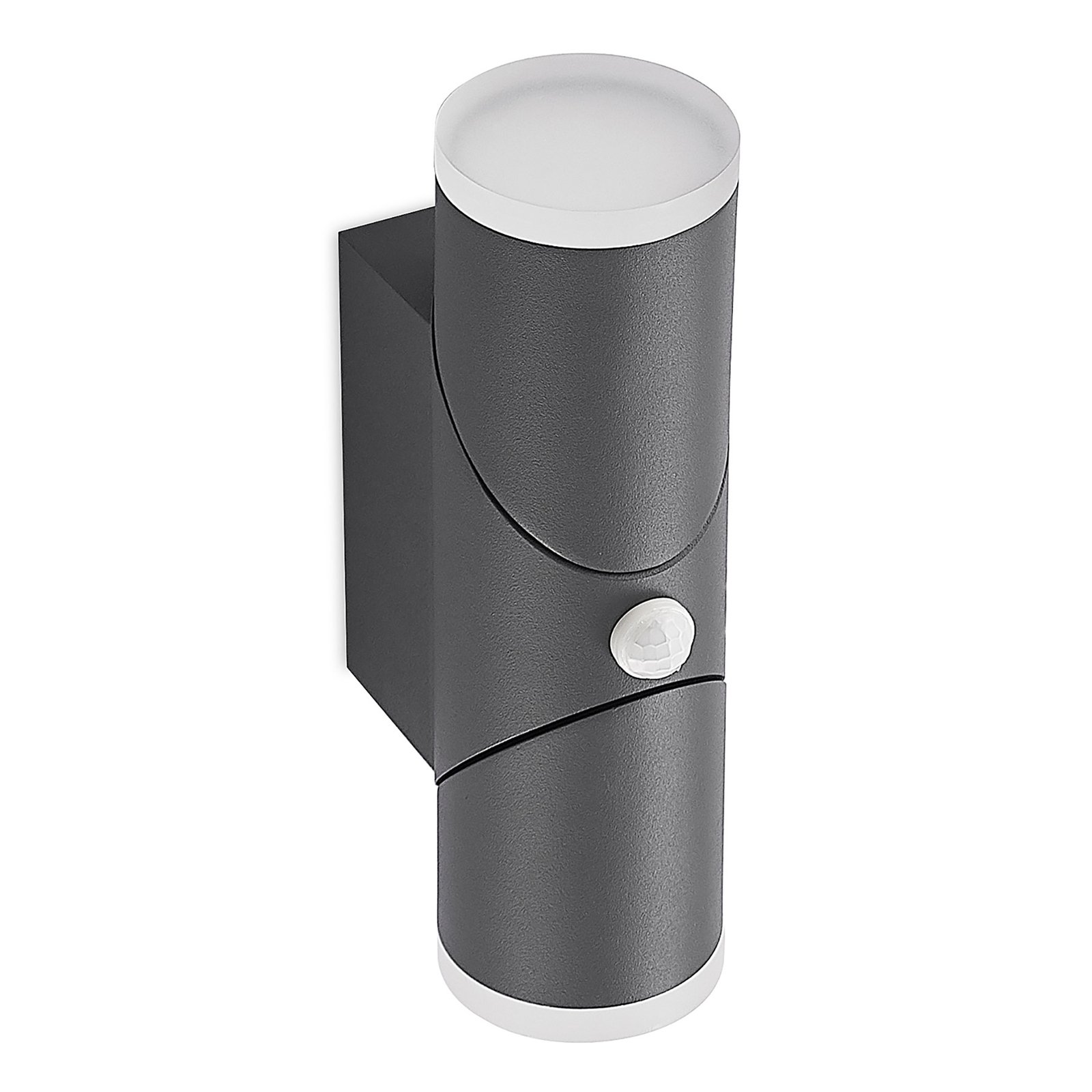
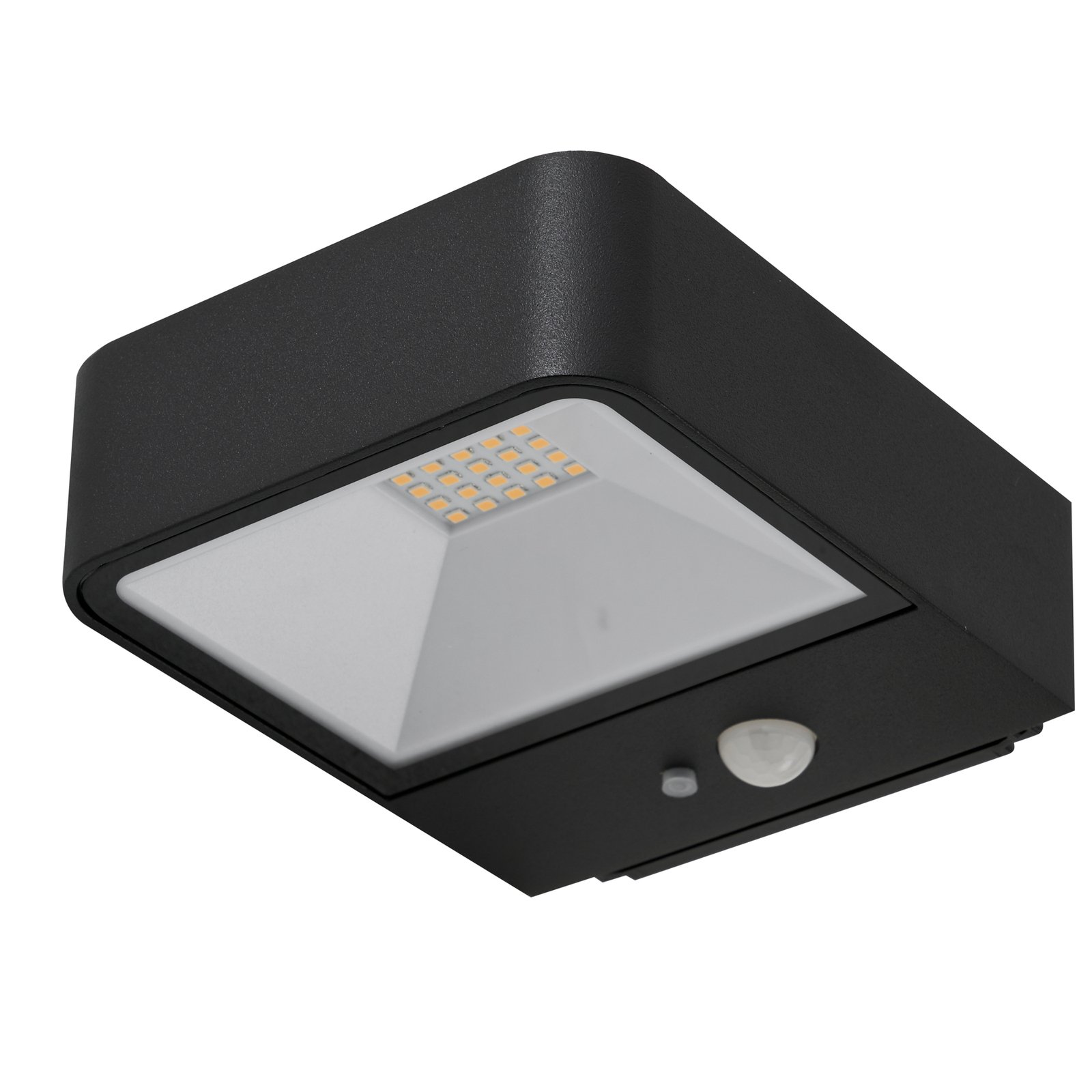
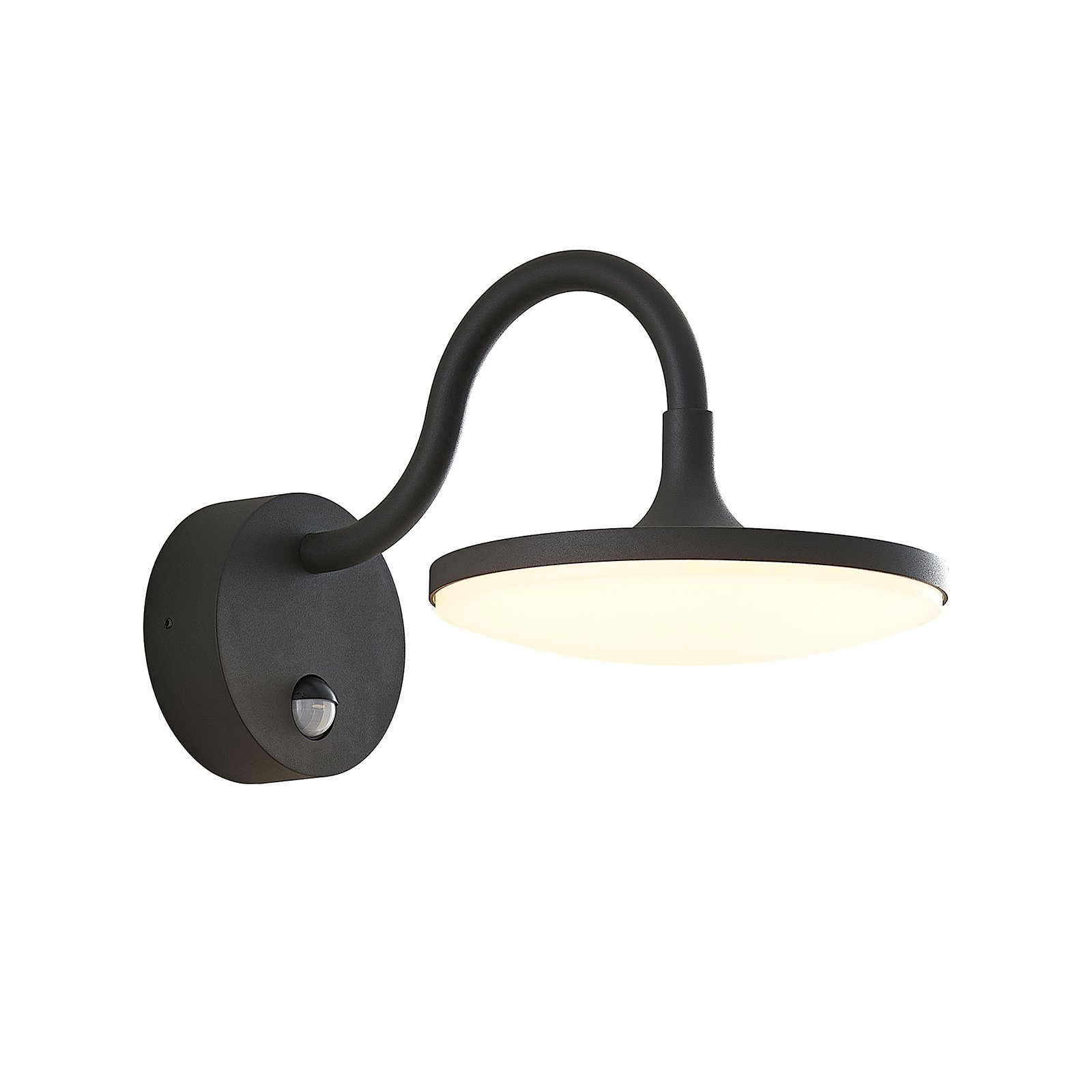
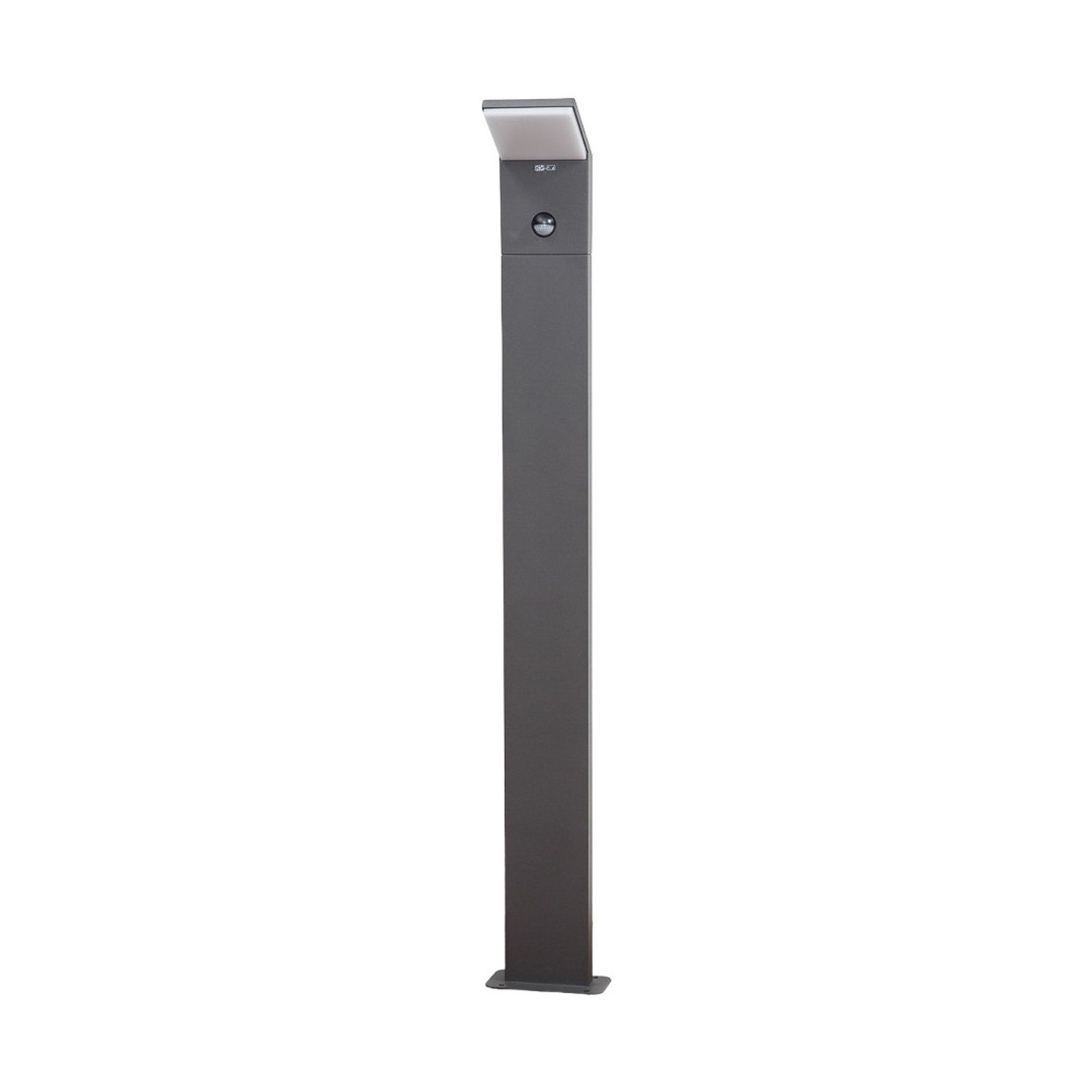
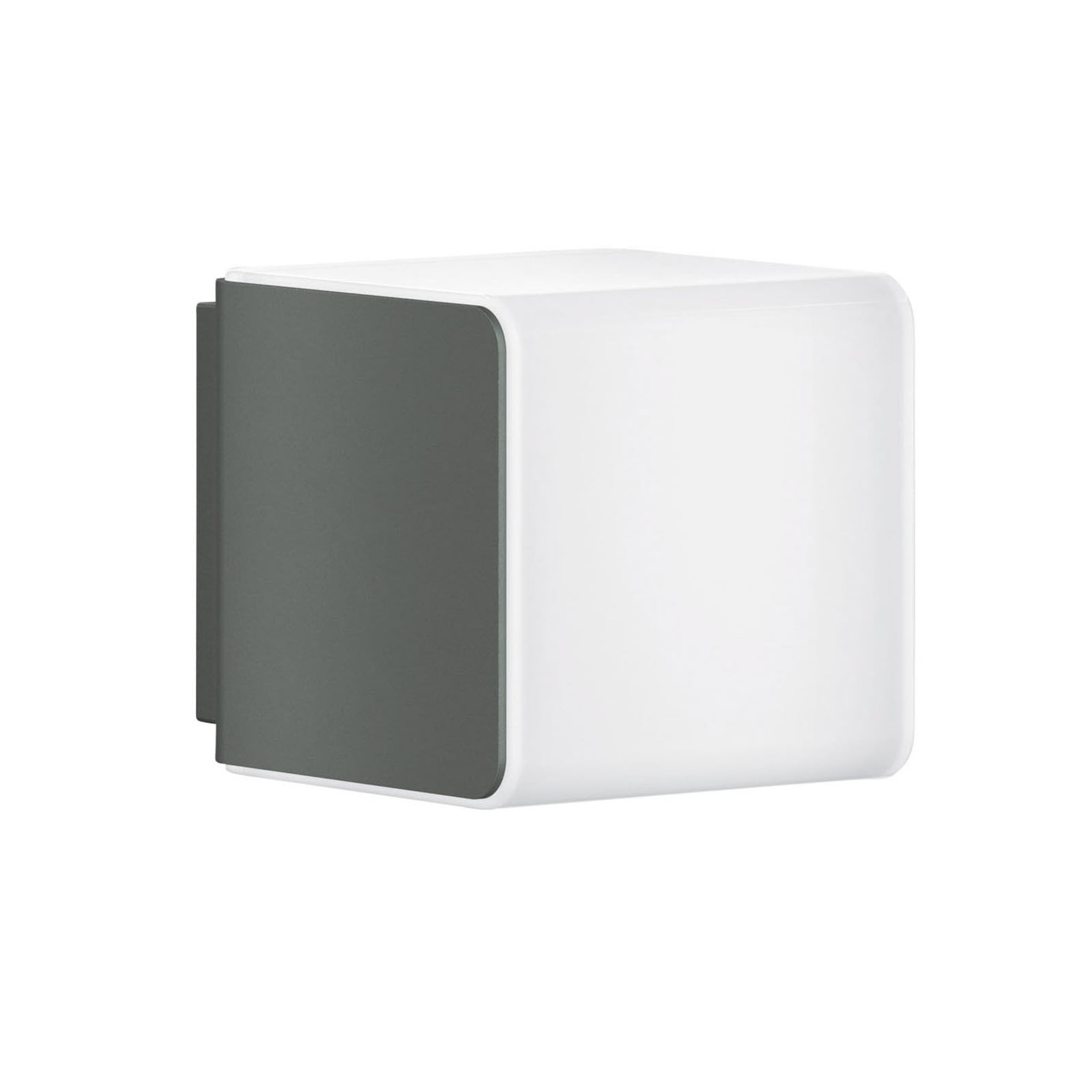
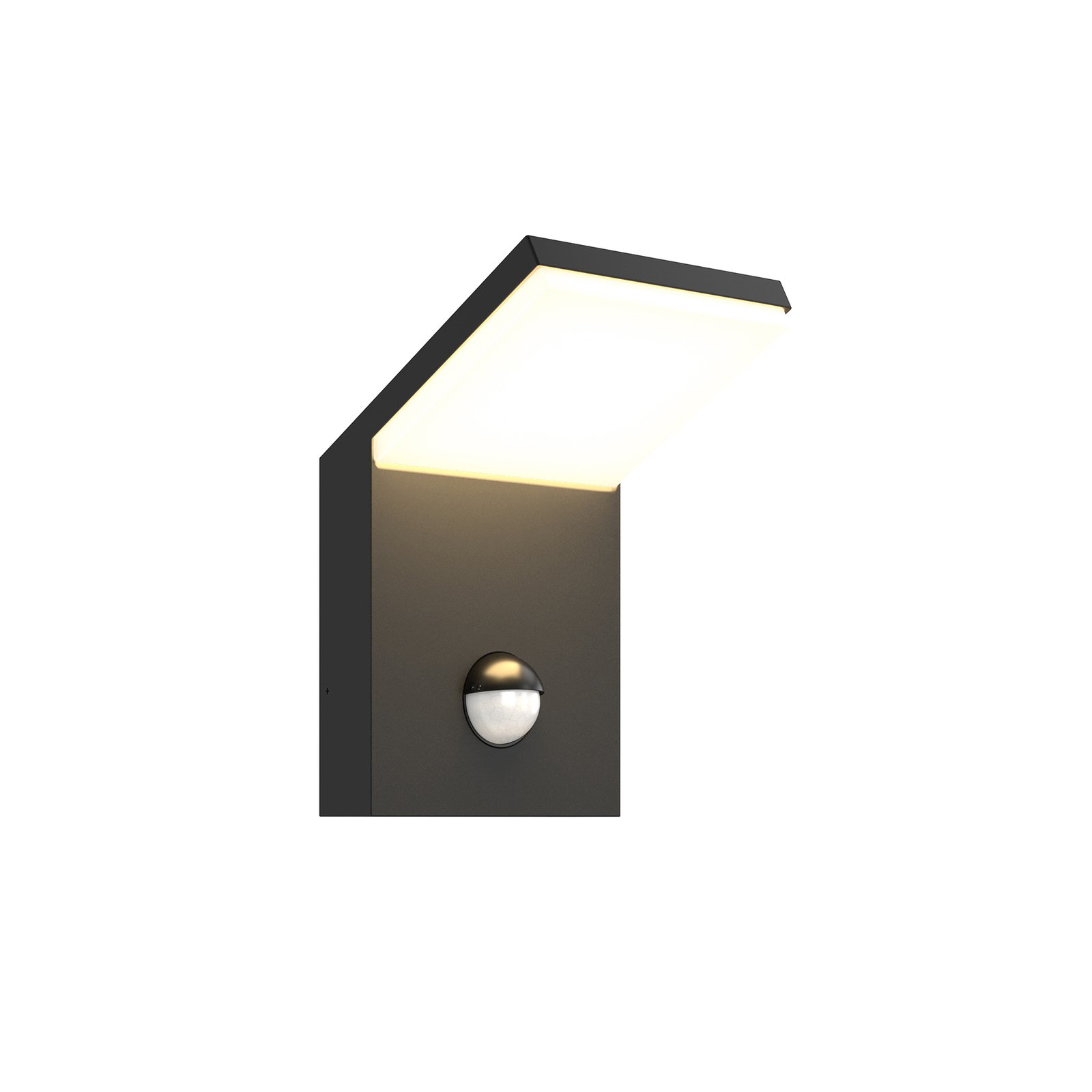
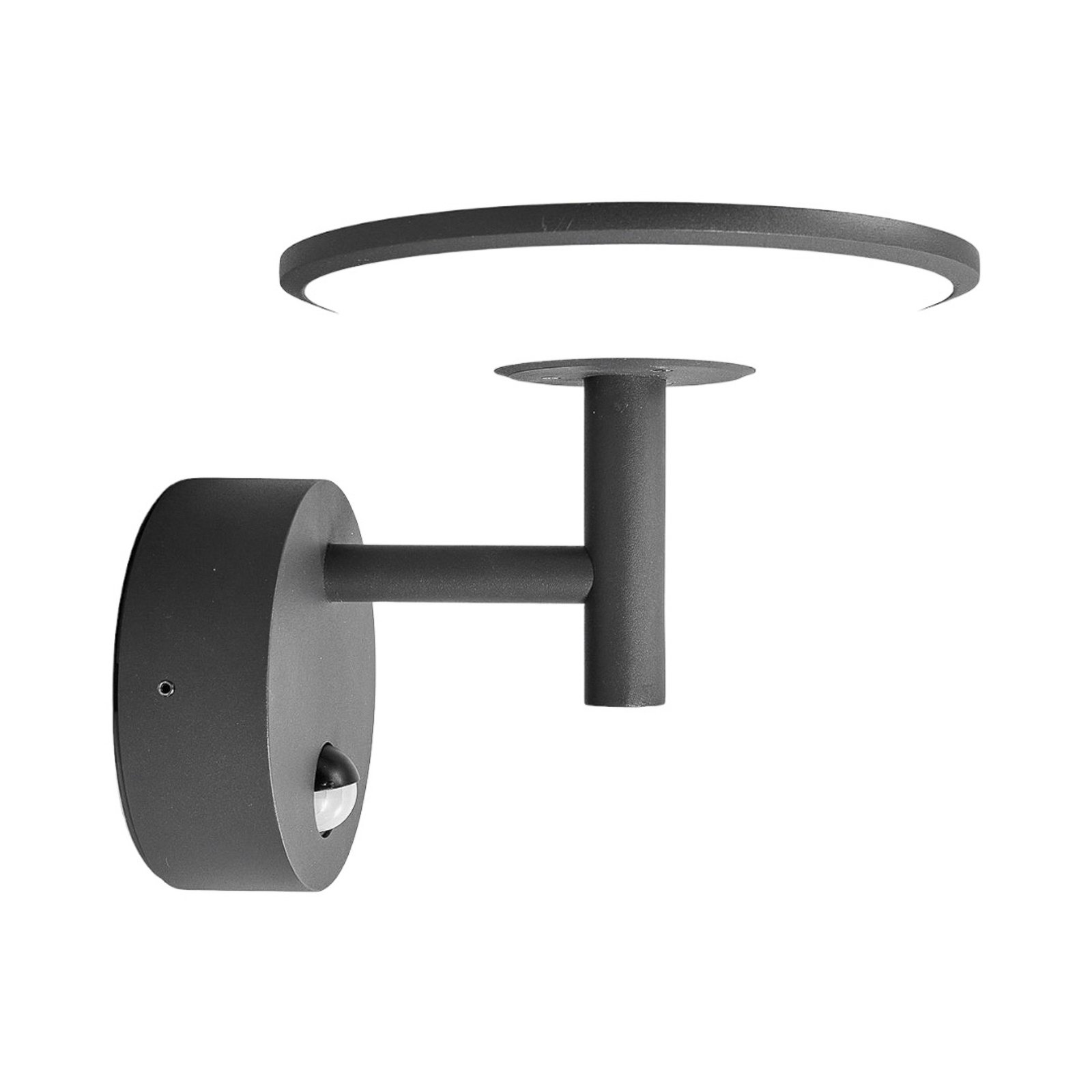
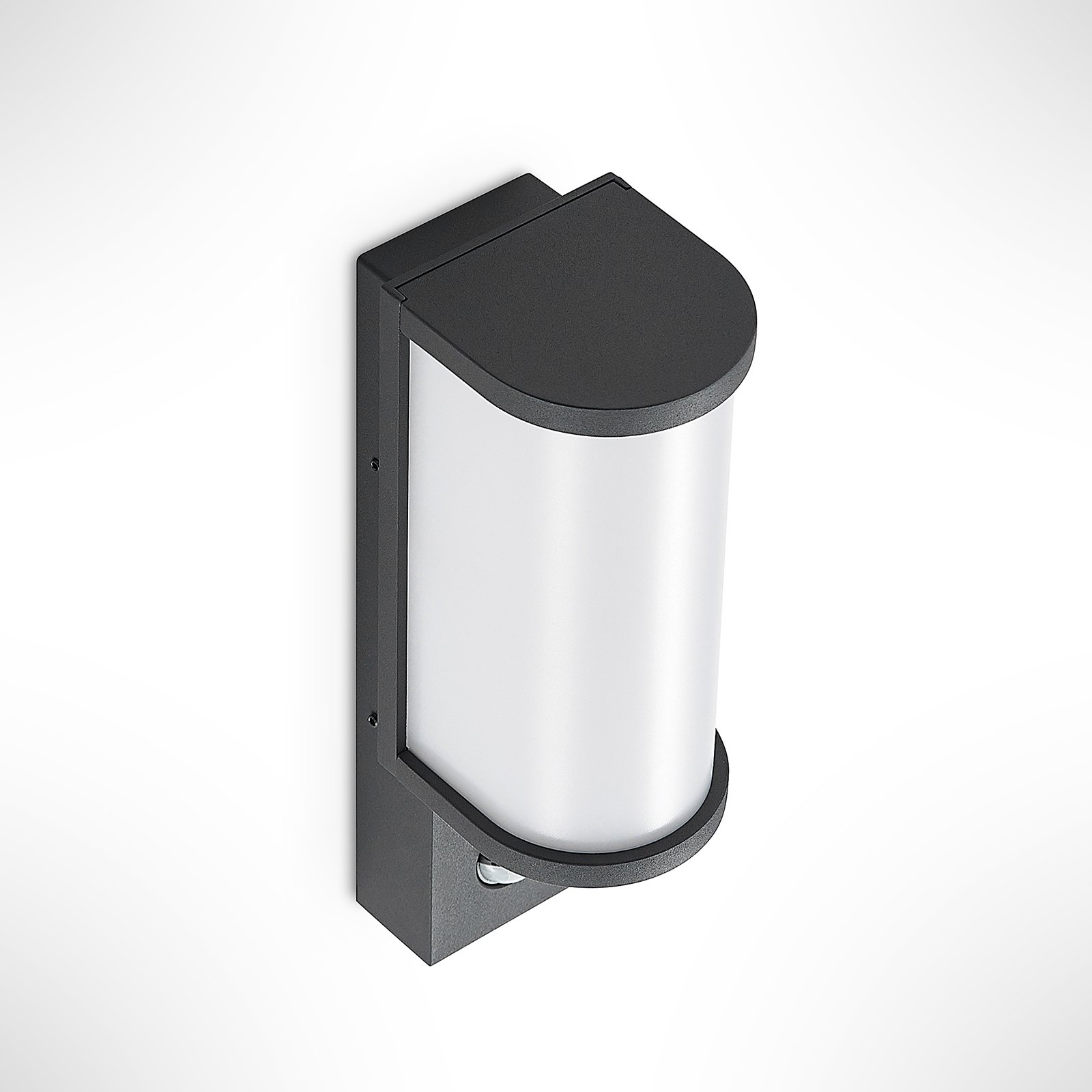
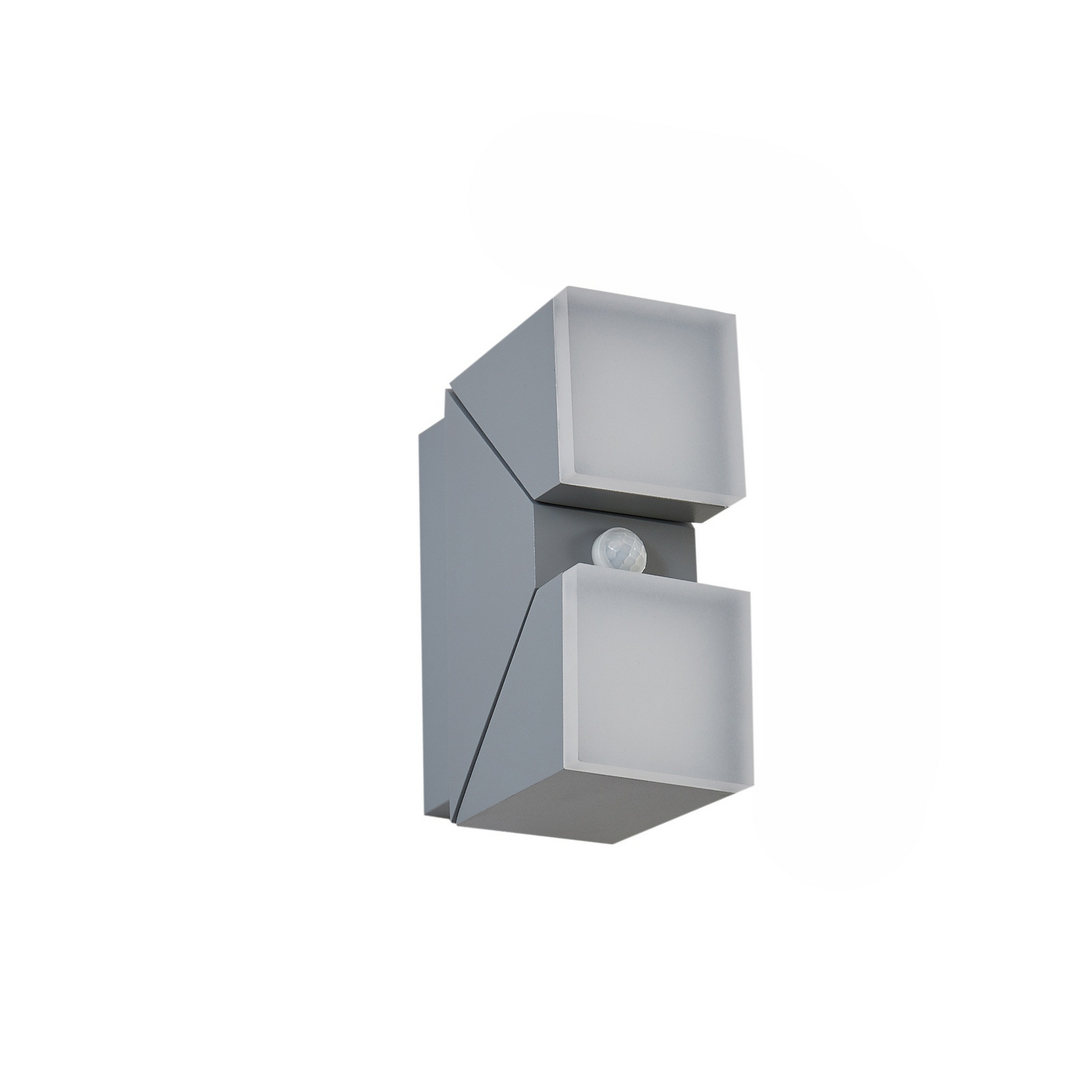
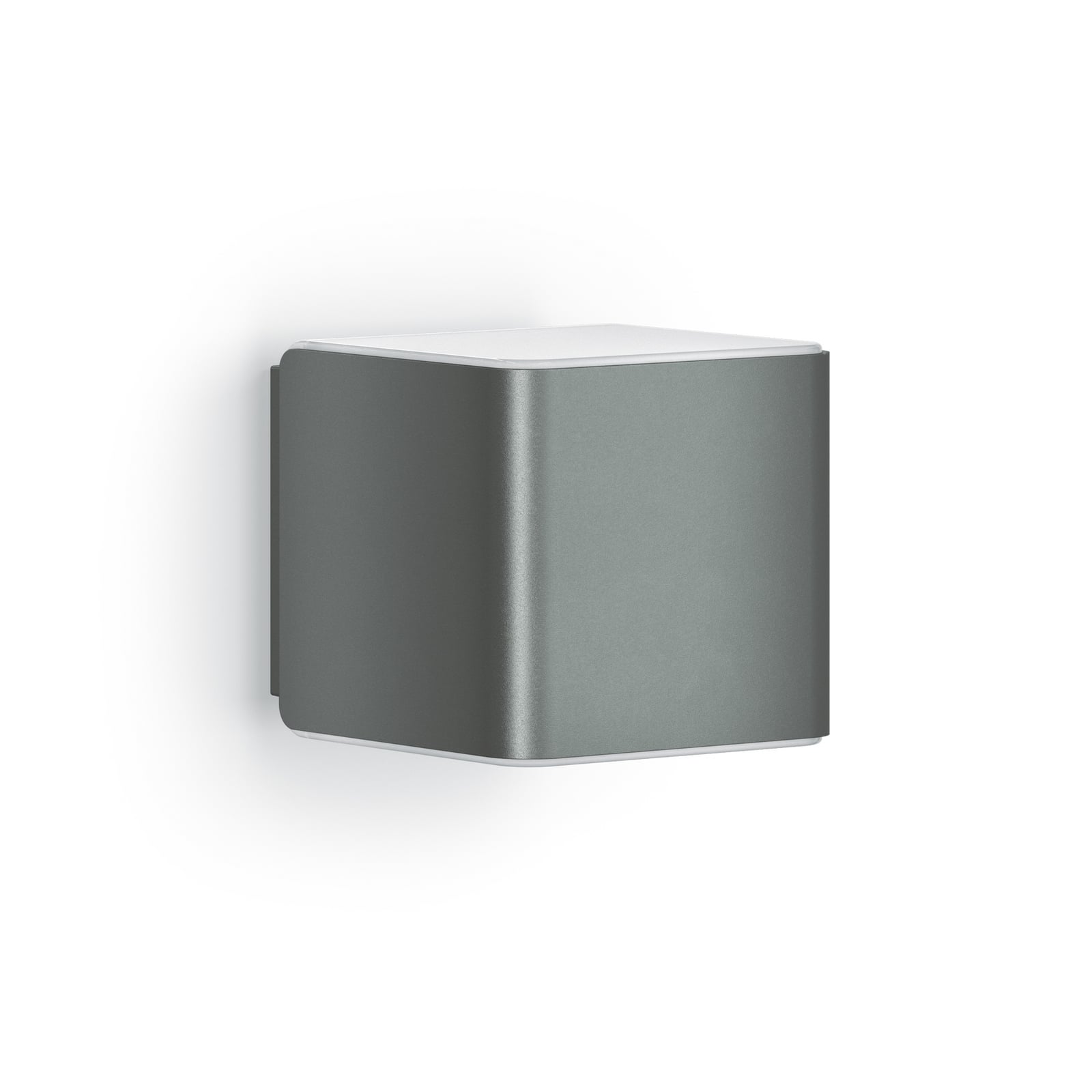
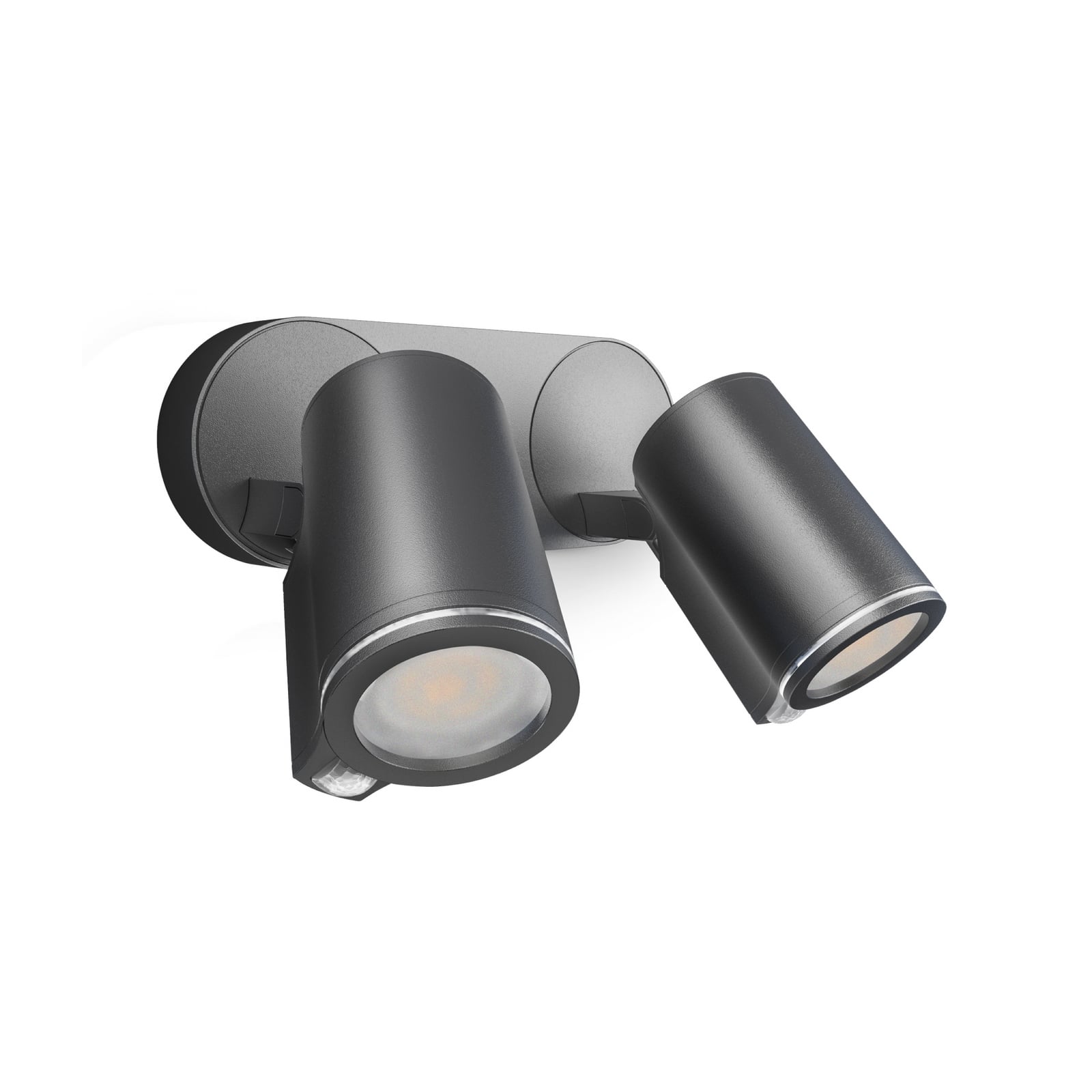
In modern architecture, luminaires with an integrated sensor impress with their clear edges, restrained proportions and precise light emission. Slender verticals, reduced cubes or softly rounded housings echo the lines of the building without overloading the façade. The decisive factor is how the luminaire body, sensor integration and light emission relate to each other. A compact shape can precisely accompany a narrow entrance, while longer models make wide wall sections appear more orderly. In the modern outdoor space, quality is not created through conspicuousness, but through dimensions, proportions and a form that appears harmonious even when switched off.
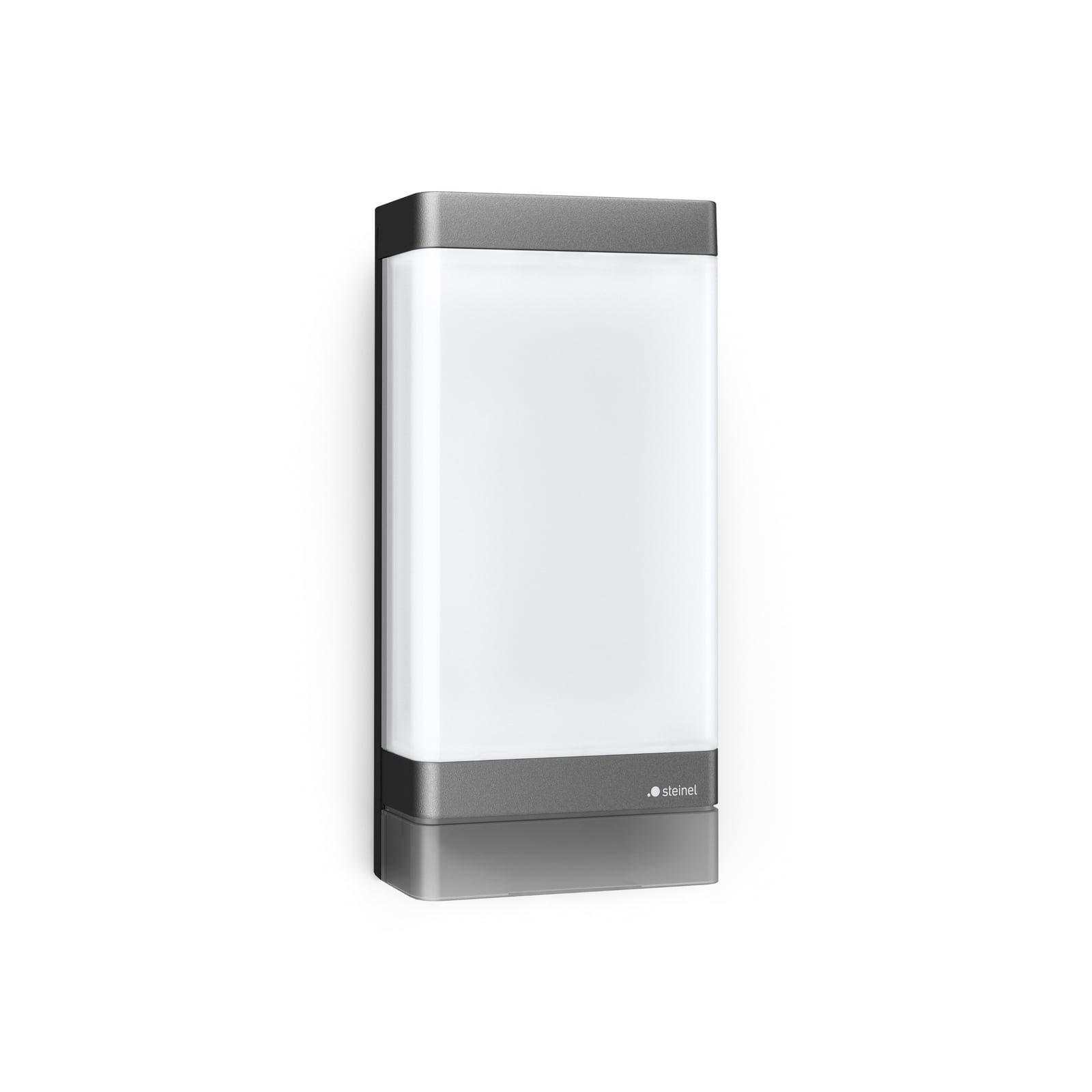
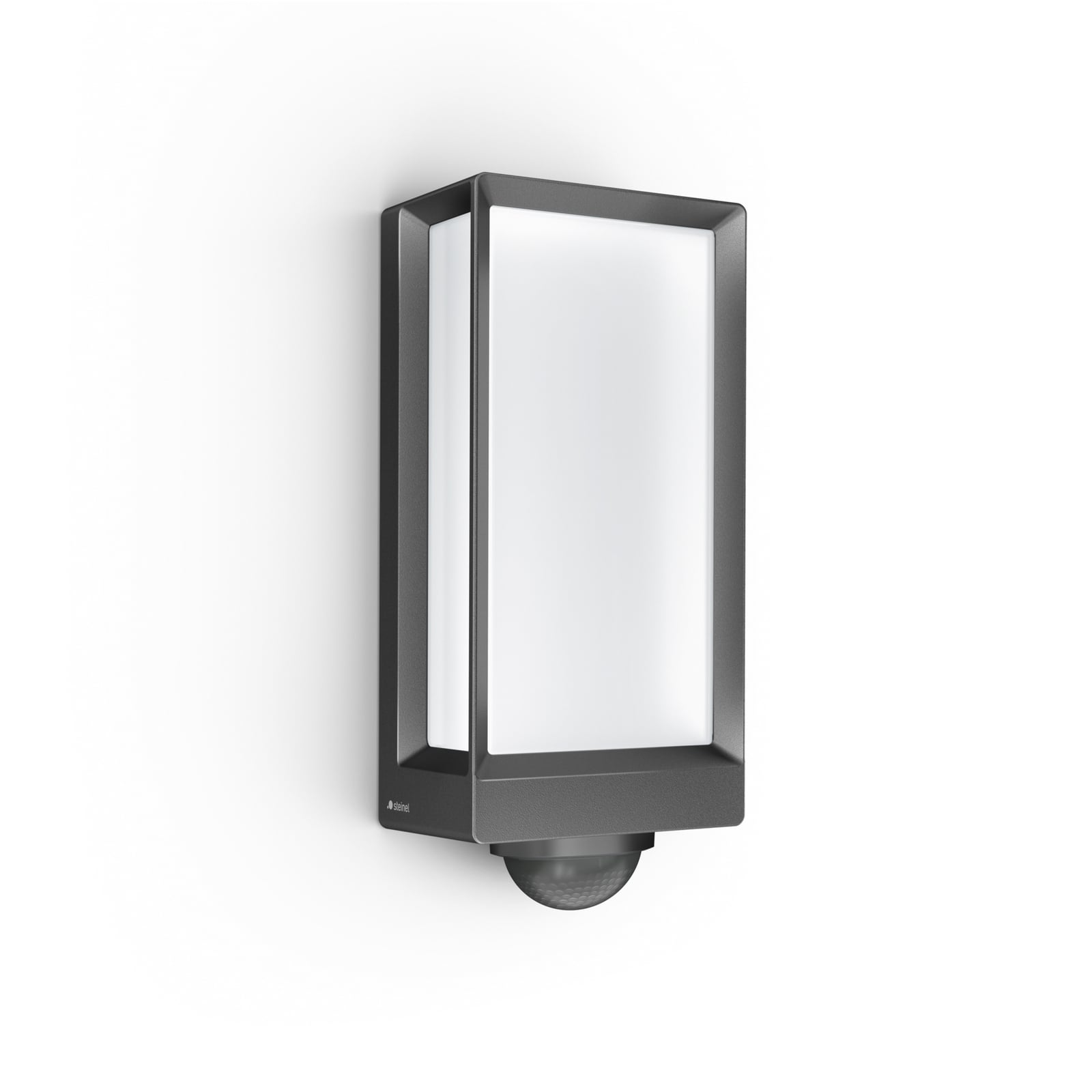
It is important that the luminaire remains clearly recognizable as an independent object.A calm front, a cleanly framed diffuser and a discreetly integrated sensor ensure visual order. This means that the shape remains precise - even when the luminaire is visibly part of the architecture.The interplay with door zones, wall surfaces or side entrances shows whether an outdoor luminaire only provides light or continues the architectural line of the house.
House and garden lights in an ensemble
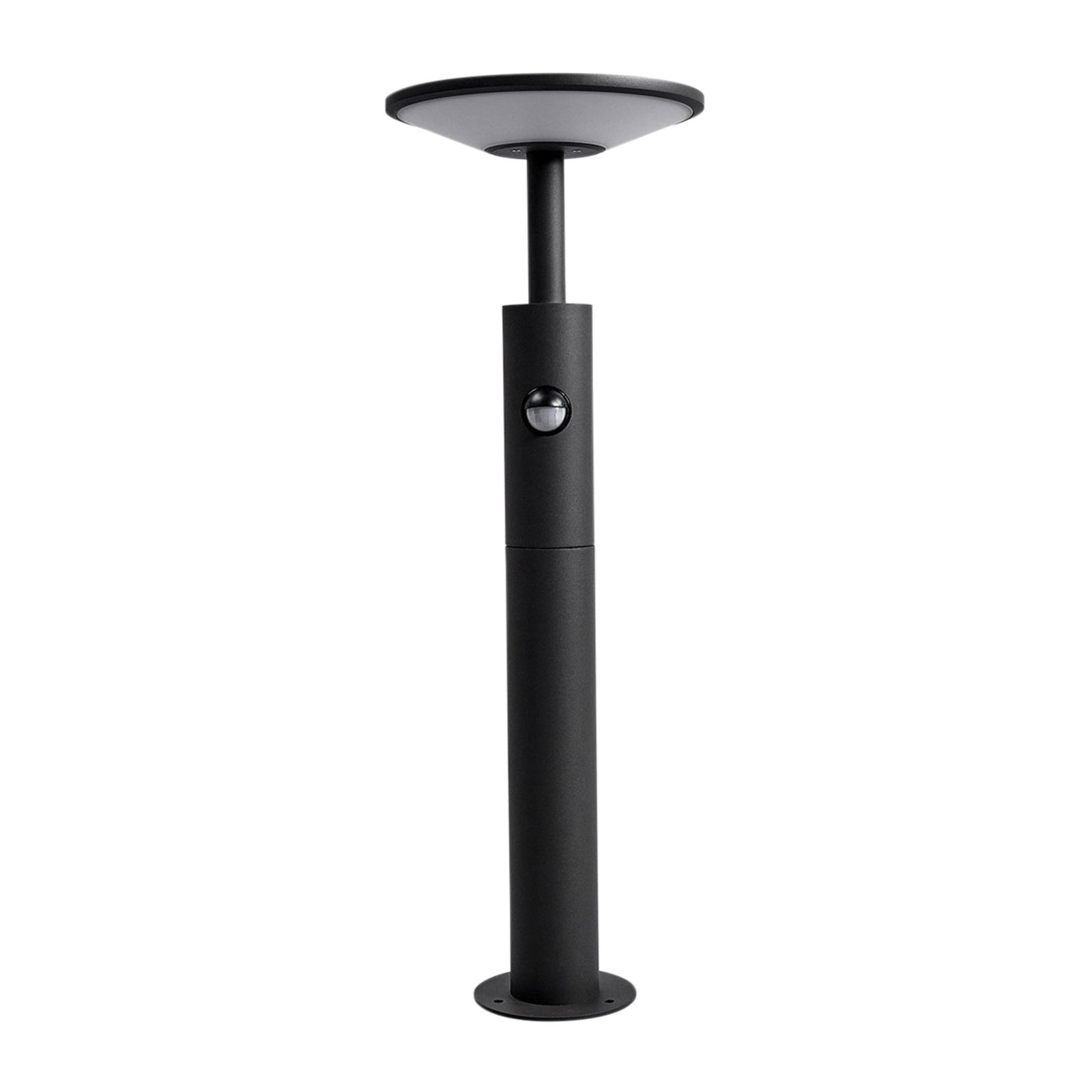
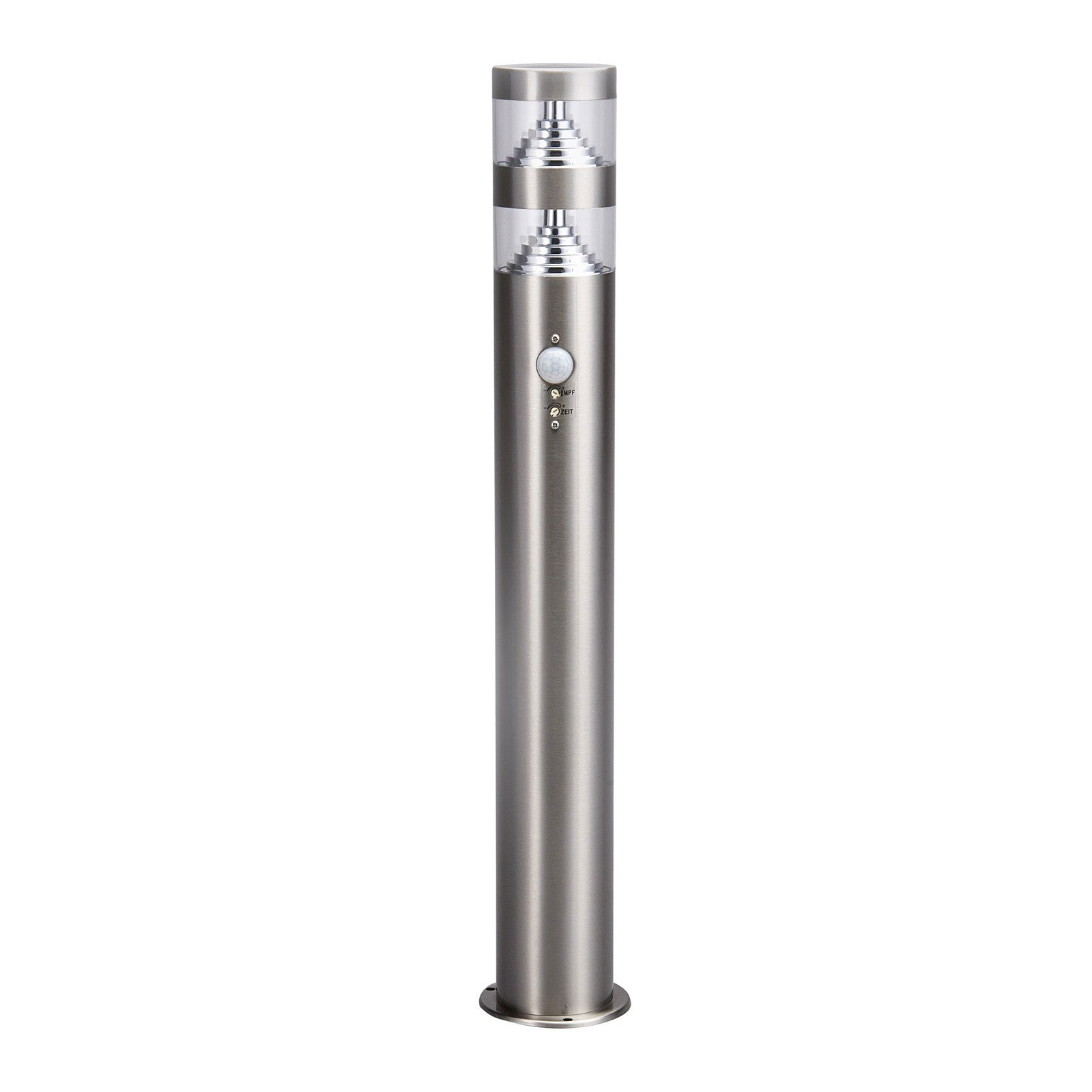
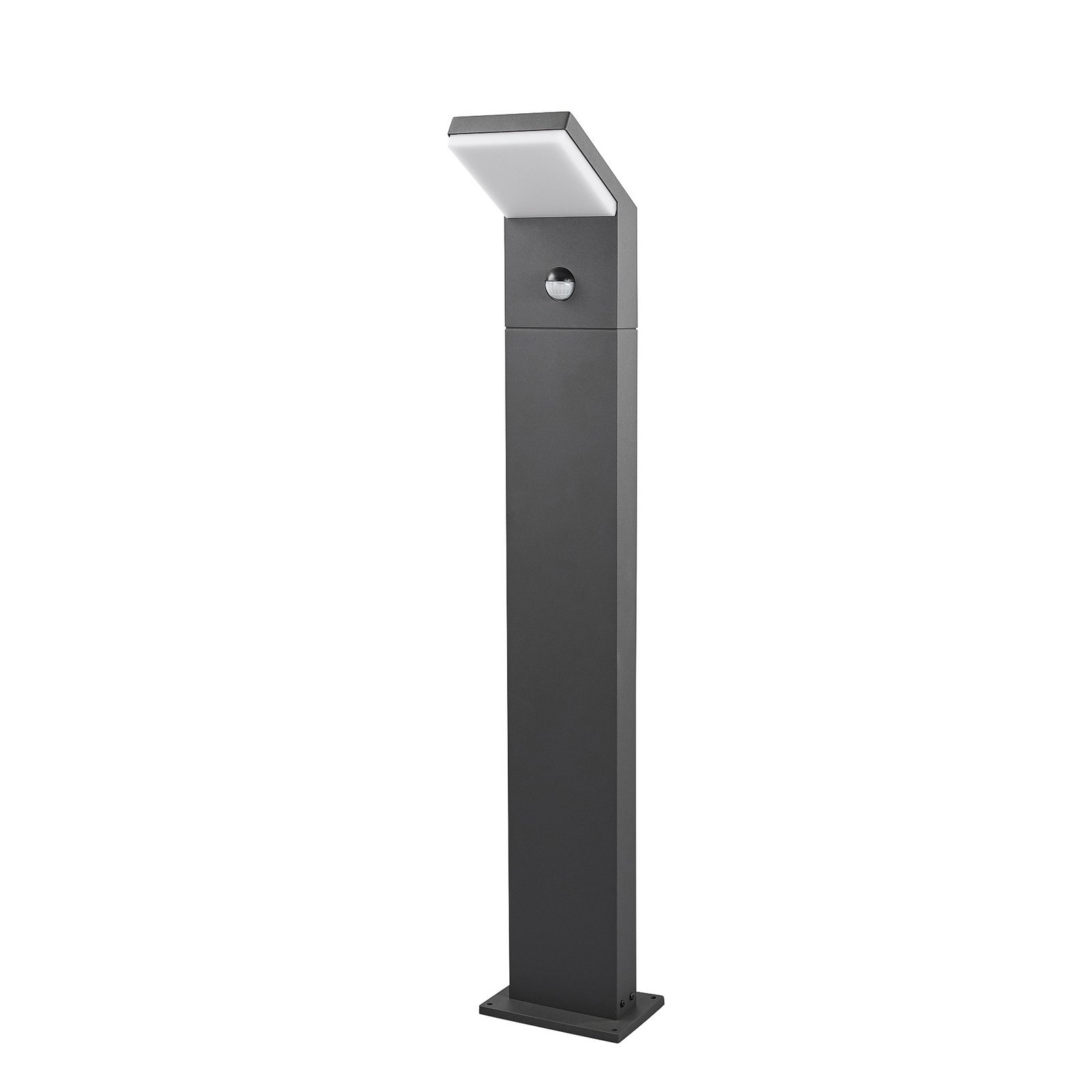
Outdoor lamps with motion detectors are particularly effective when they are part of a graduated light distribution between the entrance, paths and garden. The luminaire at the house provides the initial orientation, while garden luminaires continue this along paths, flowerbeds or terraces. This creates light zones with a clear hierarchy. The entrance area is given presence, side paths remain legible and the garden is not dominated by a single light source. Particularly in the case of open front gardens or longer entrances, this staggering is often more important in terms of design than an eye-catching individual model.
When selecting individual models, the ensemble of house and garden lights should be considered together. An LED outdoor light with motion detector is suitable for frequently used entrances, paths and side entrances where a uniform lighting effect is required. However, the actual light quality and energy requirements remain model-dependent.In high-quality outdoor areas, LED light should neither appear too cool nor too harsh, but should make façade surfaces easy to read and match the other luminaires on the building. A dimmable luminaire is useful where the entrance, patio and side transitions need to be coordinated in a differentiated way.
Outdoor lights with motion detector in the Lampenmeister range
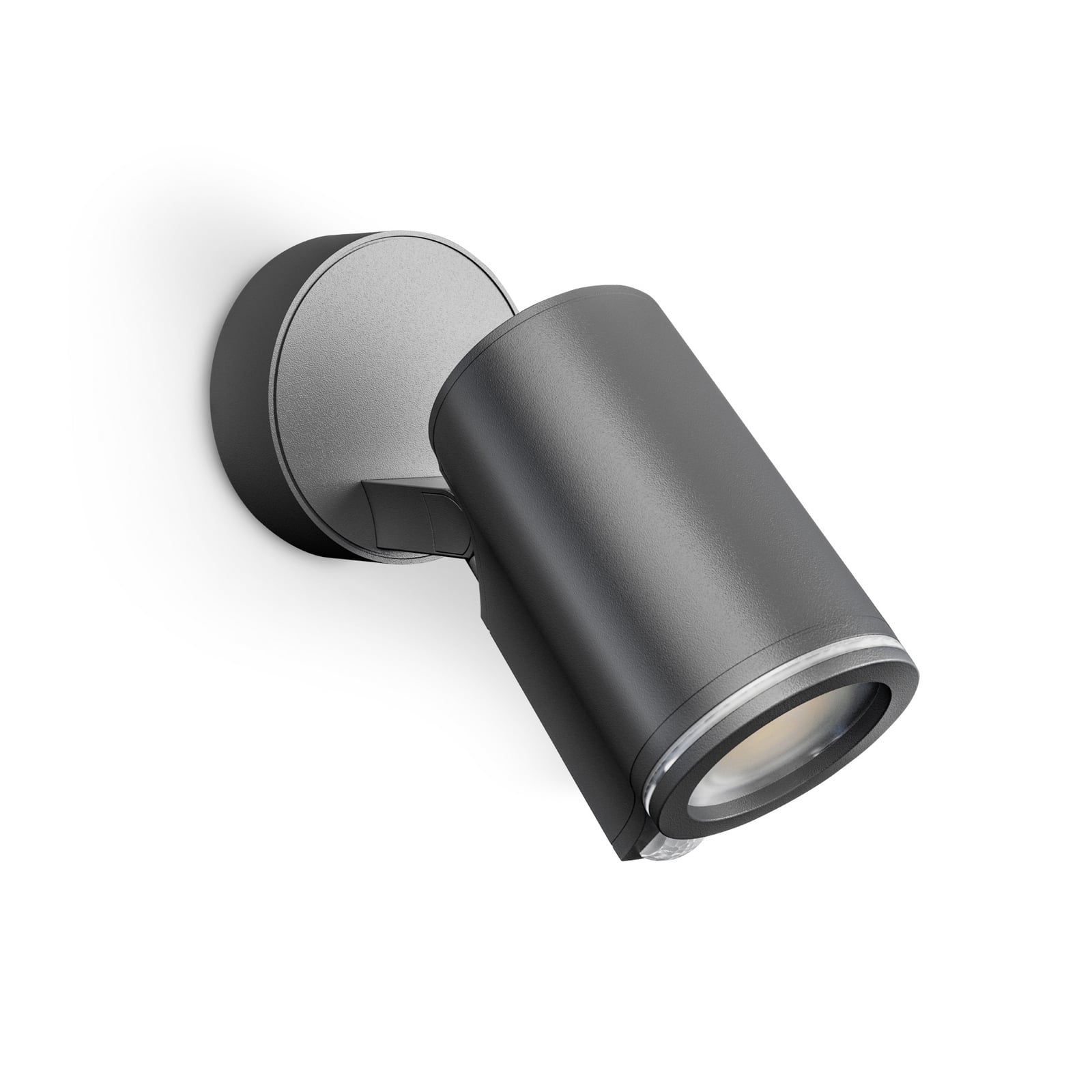
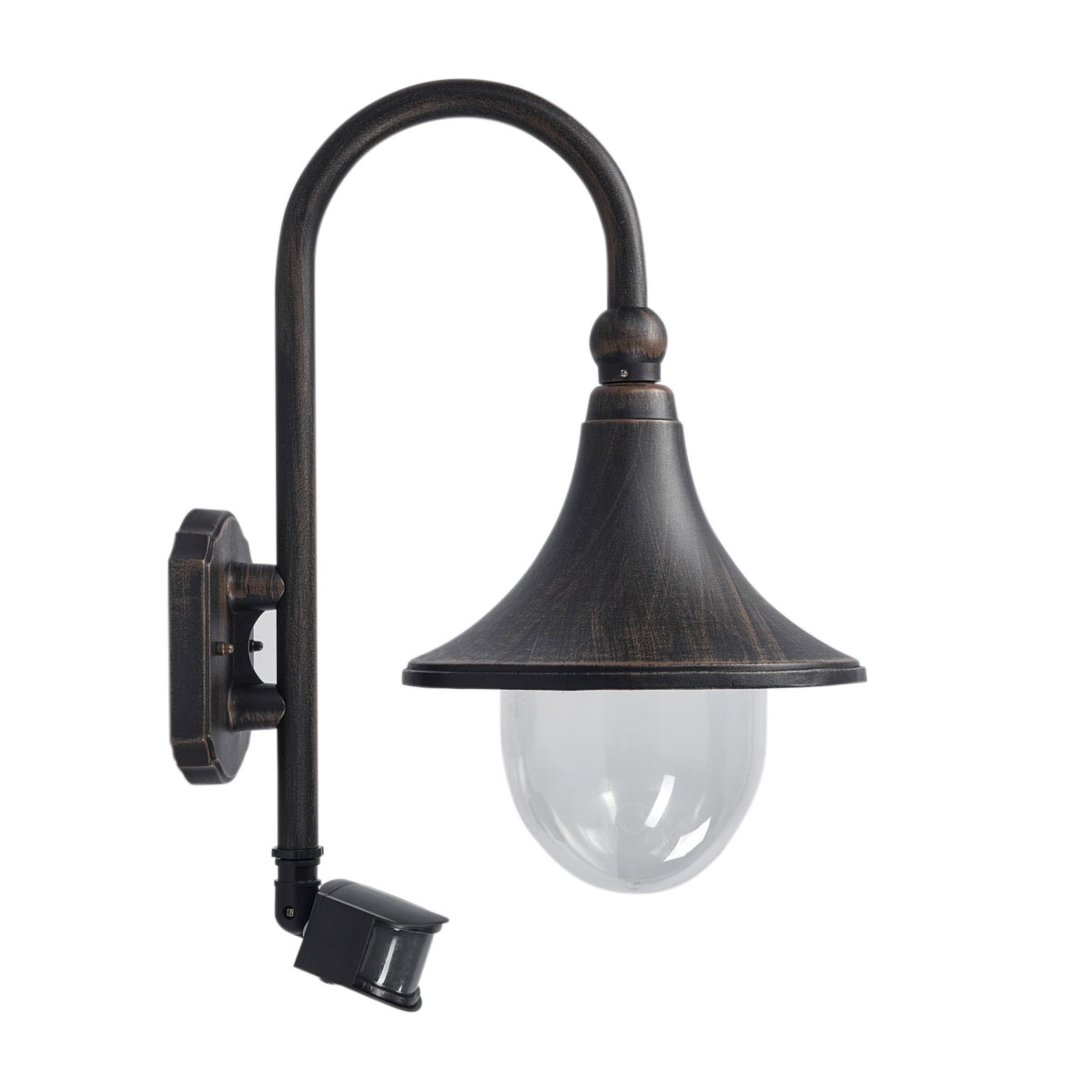
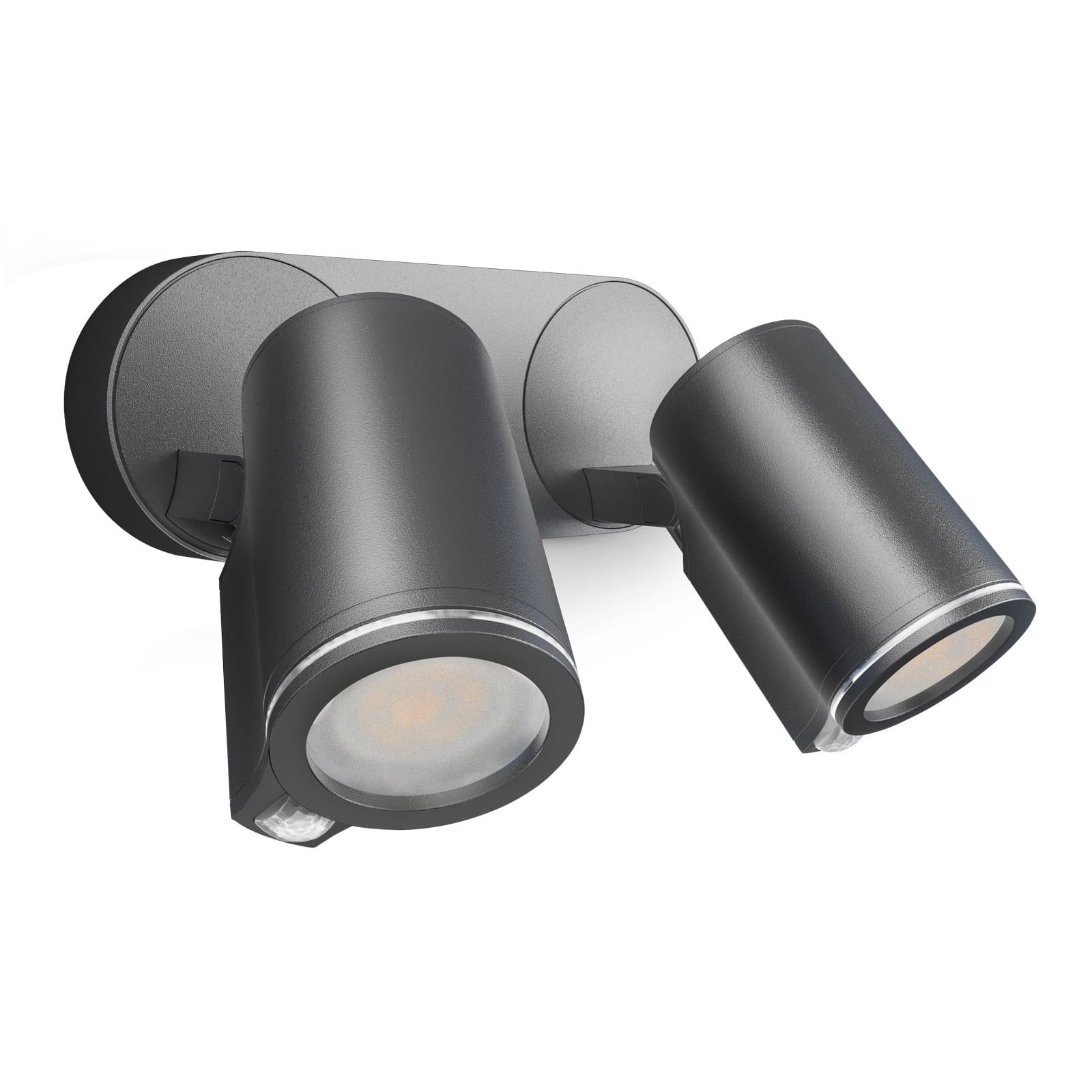
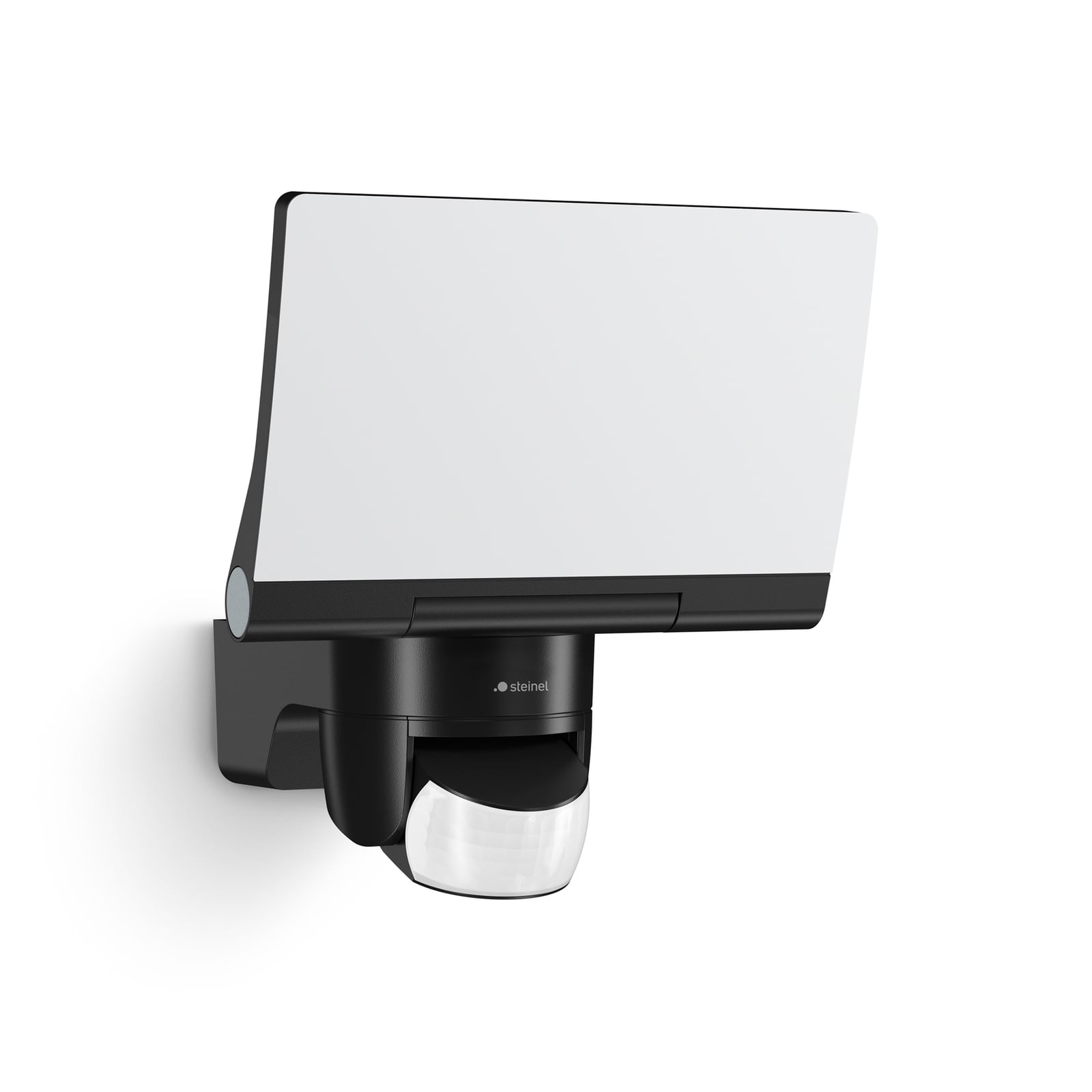
Lampenmeister offers outdoor lights with motion detectors that combine function and design in an architecturally clear design language. The range includes compact, elongated and deliberately minimalist models that blend harmoniously into different façade designs and outdoor areas.Compact solutions with a calm presence are usually suitable for narrow entrances, while more spacious entrance areas, paths and patios benefit from longer models or coordinated luminaires. This means that the outdoor lighting can be selected not only according to function, but also according to proportion, surface effect, light emission and the design integration of the sensor.
A design-oriented range looks particularly harmonious when luminaires with similar surfaces, related shapes and coordinated lighting effects can be combined. This is precisely the strength of a curated selection: Outdoor luminaires are not thought of in isolation, but as part of a coherent overall picture.If you want to maintain a calm and high-quality design in outdoor areas, you should therefore not only pay attention to the sensor, but also to the design proximity between the luminaire body, material effect and light image. As a result, the outdoor lighting with motion detector does not appear like a technical add-on, but like a natural part of the outdoor space.
© 2026 Lampemesteren GmbH