
Filter and sort
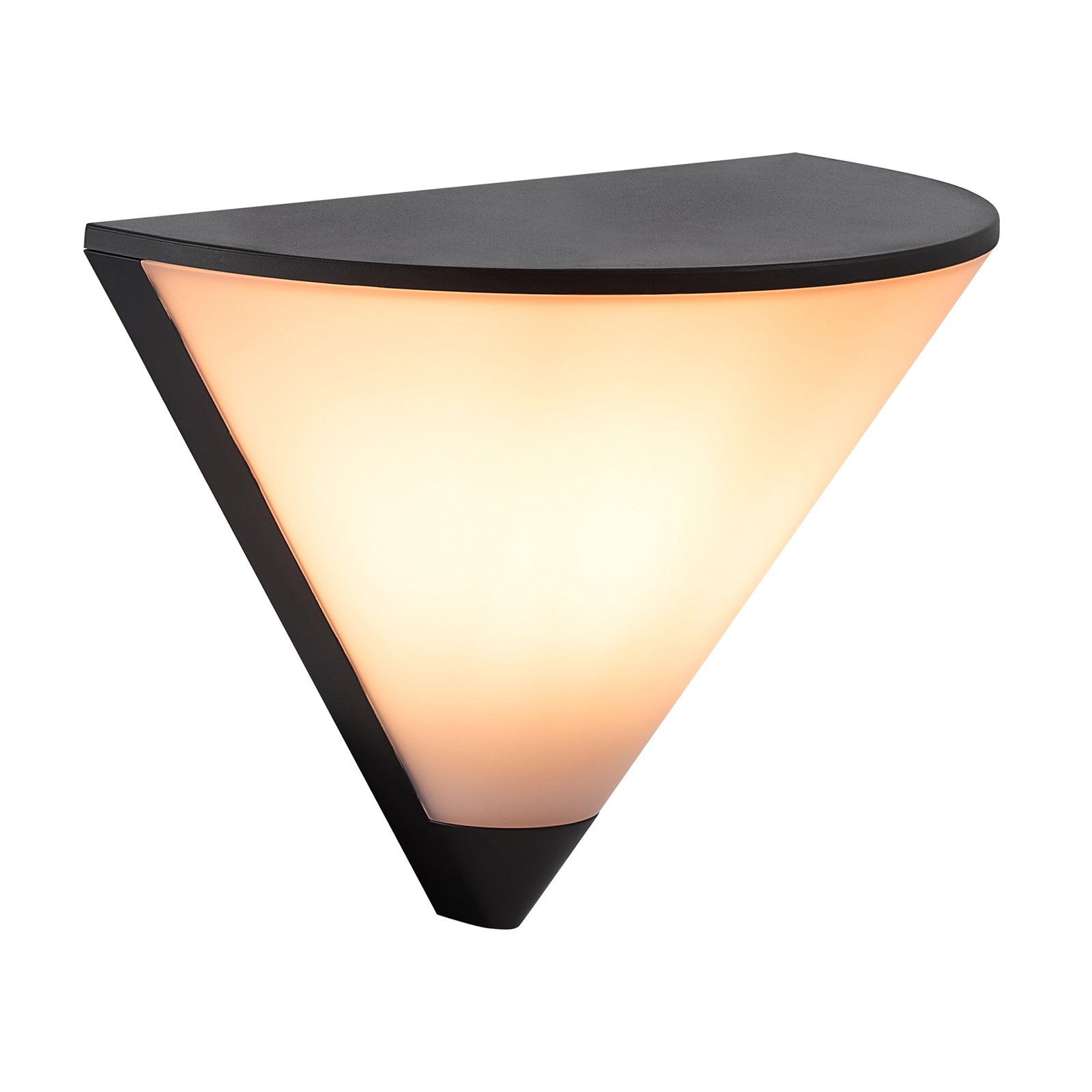
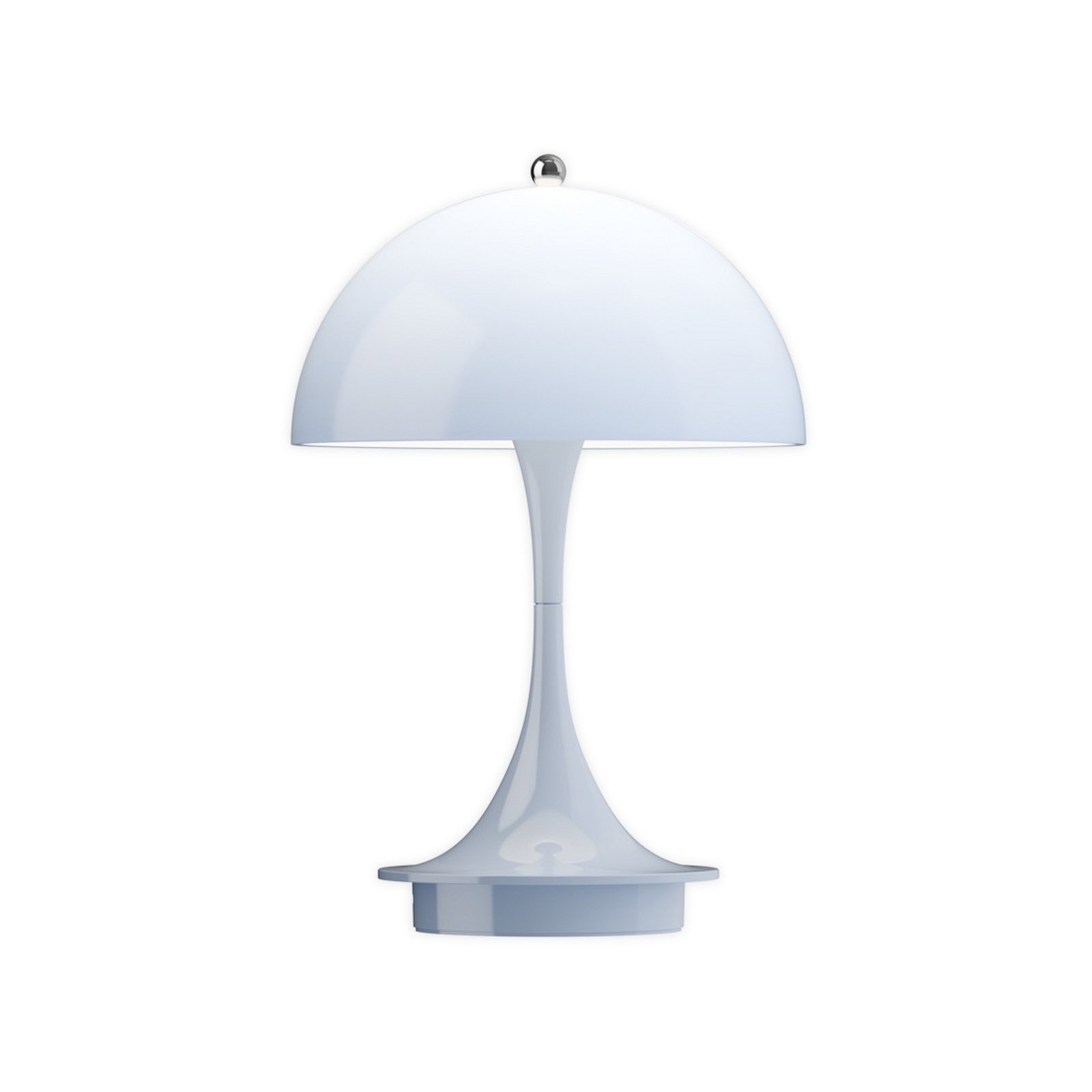
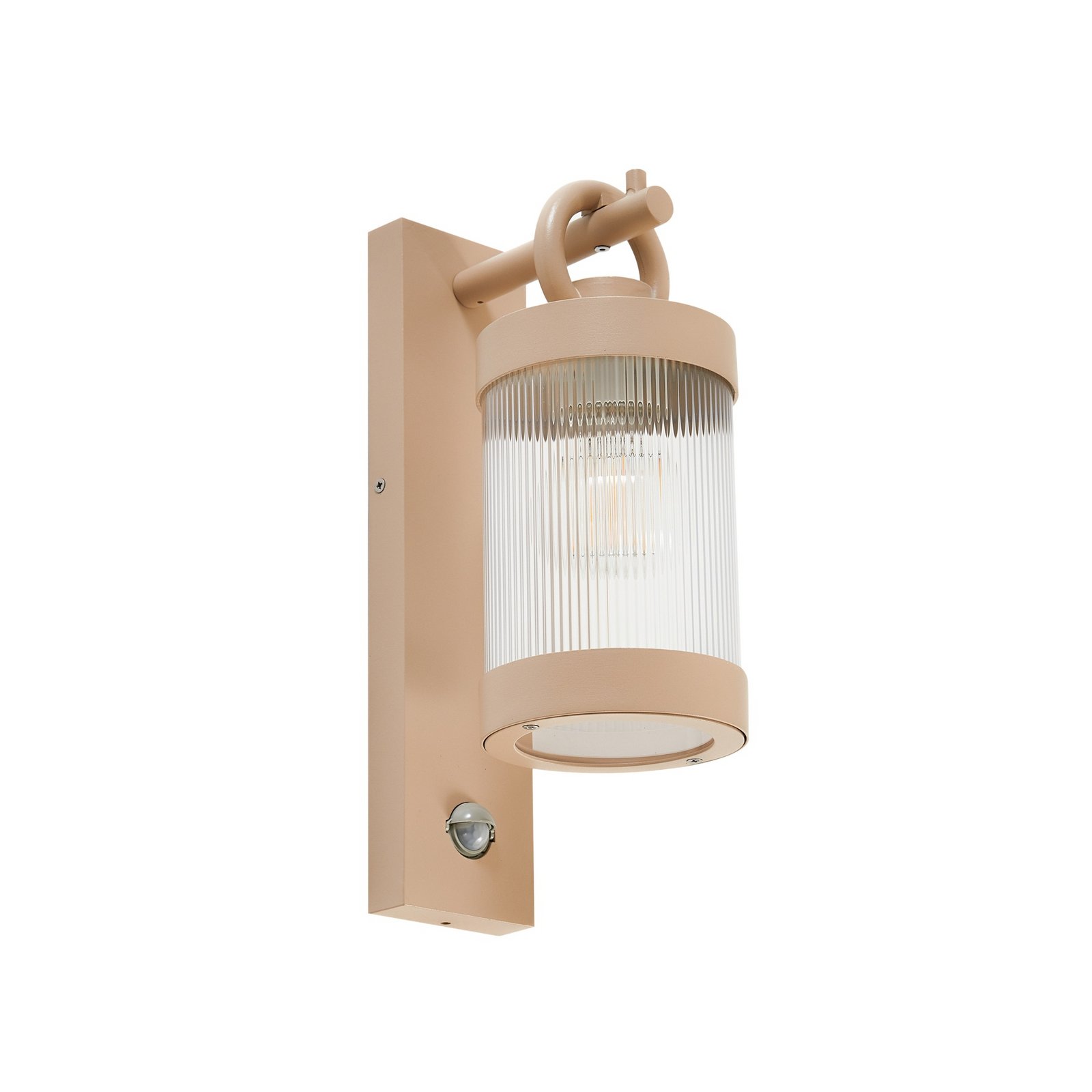
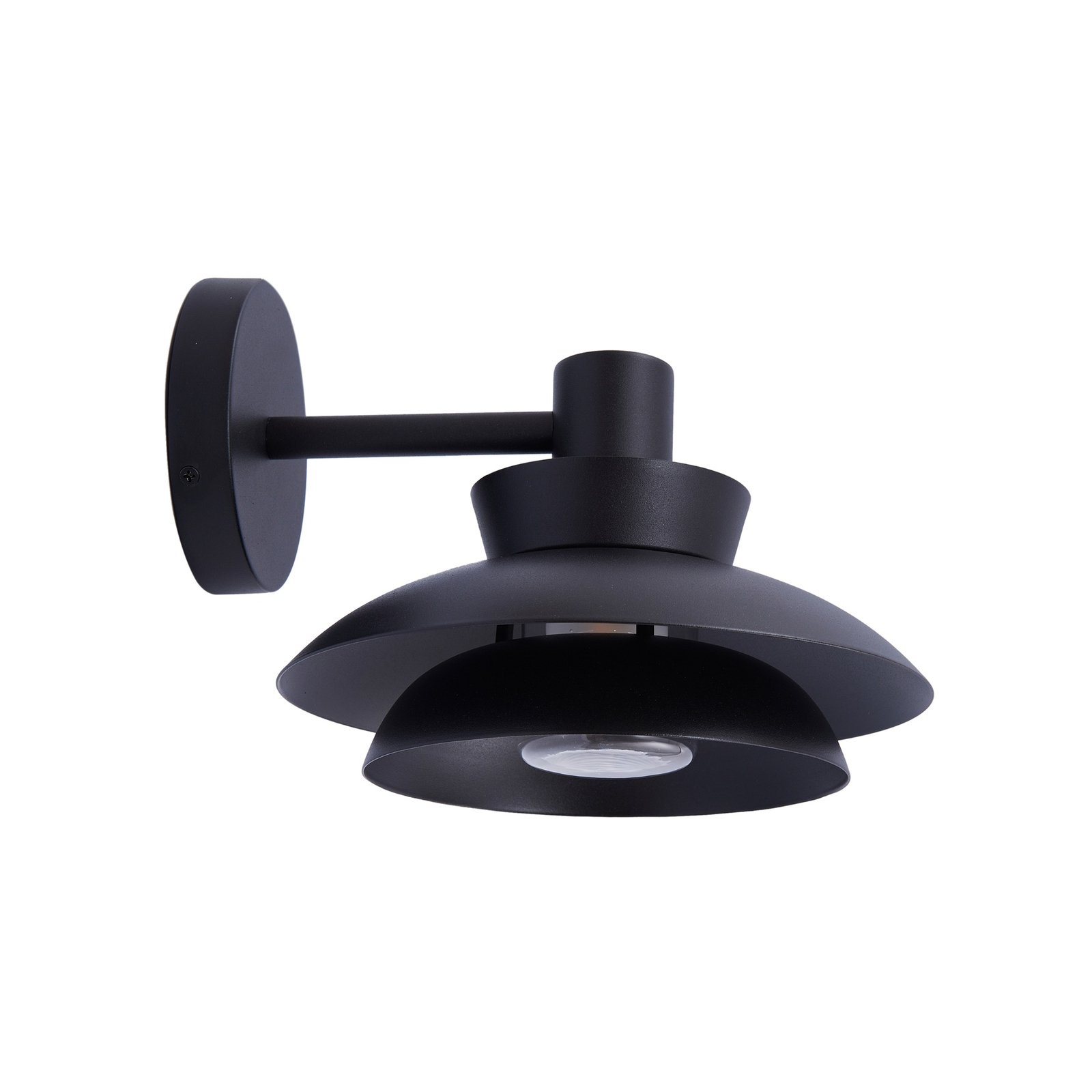
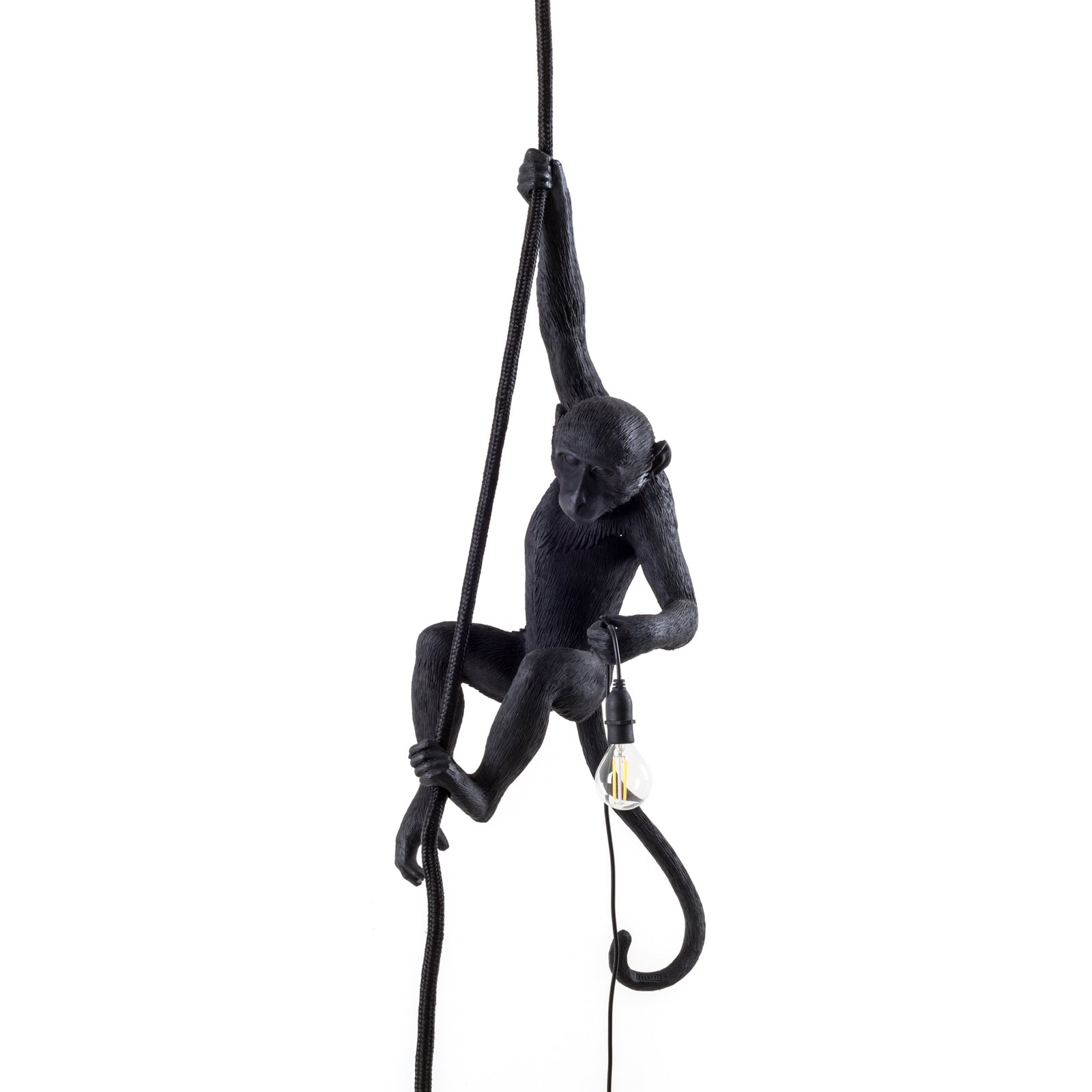
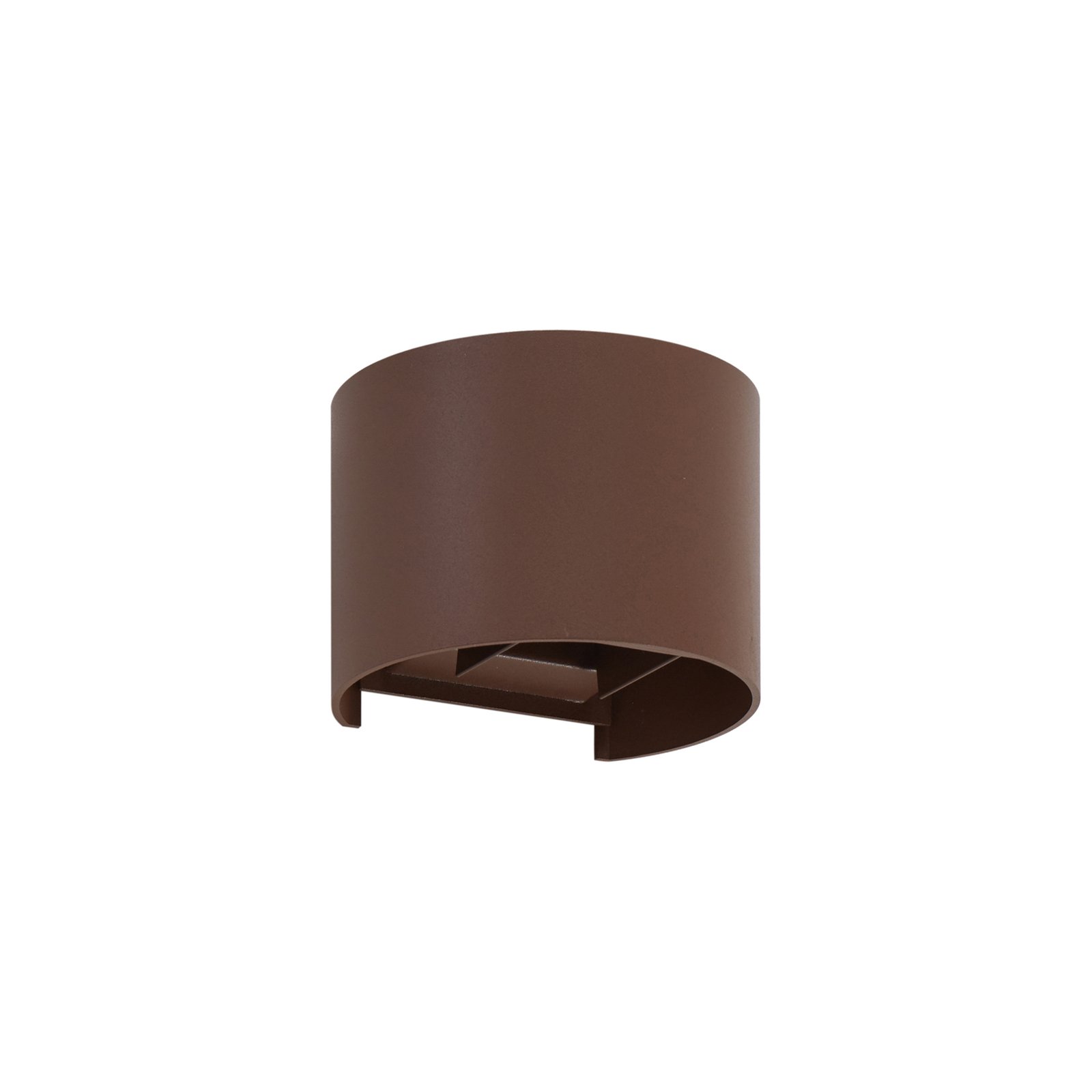
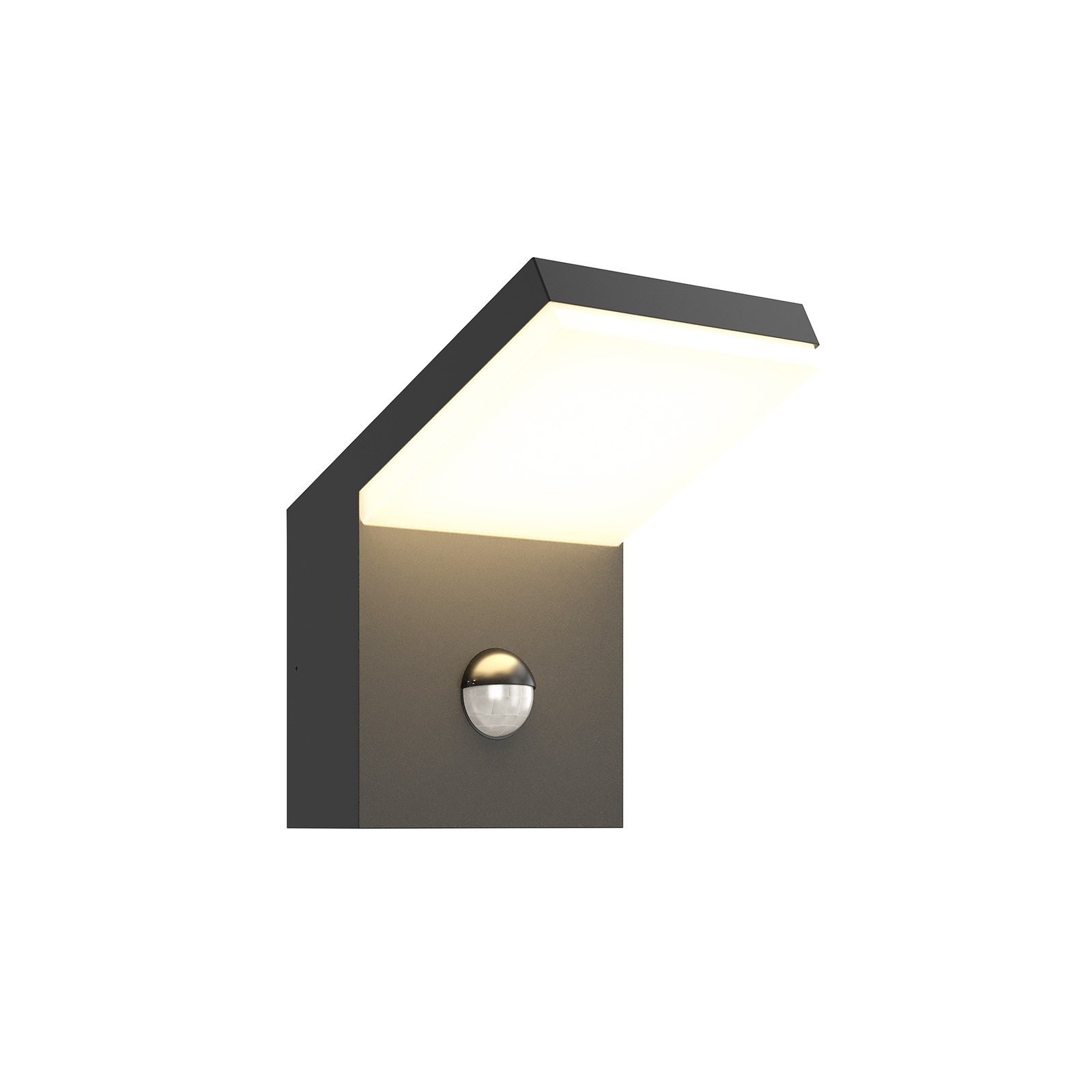
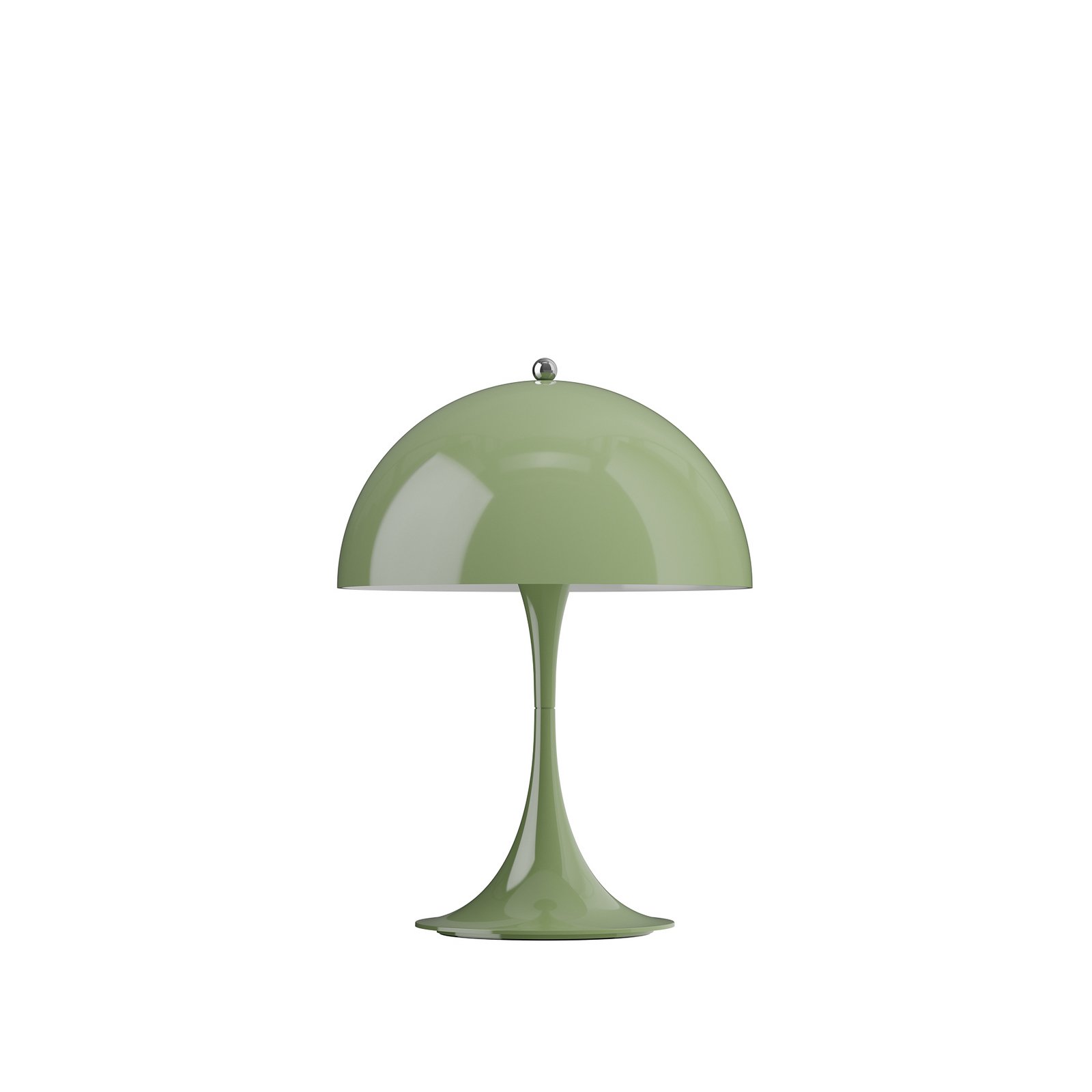
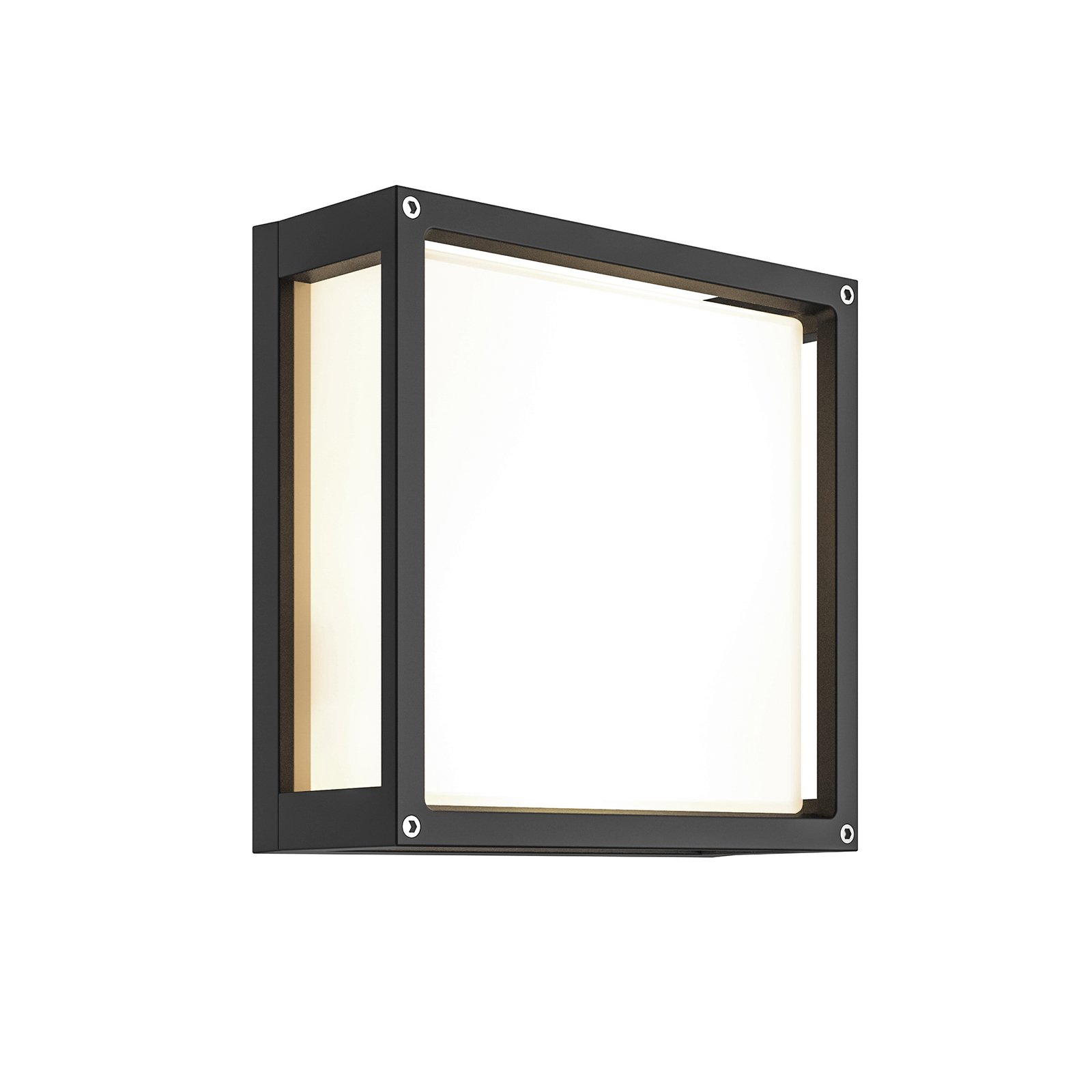
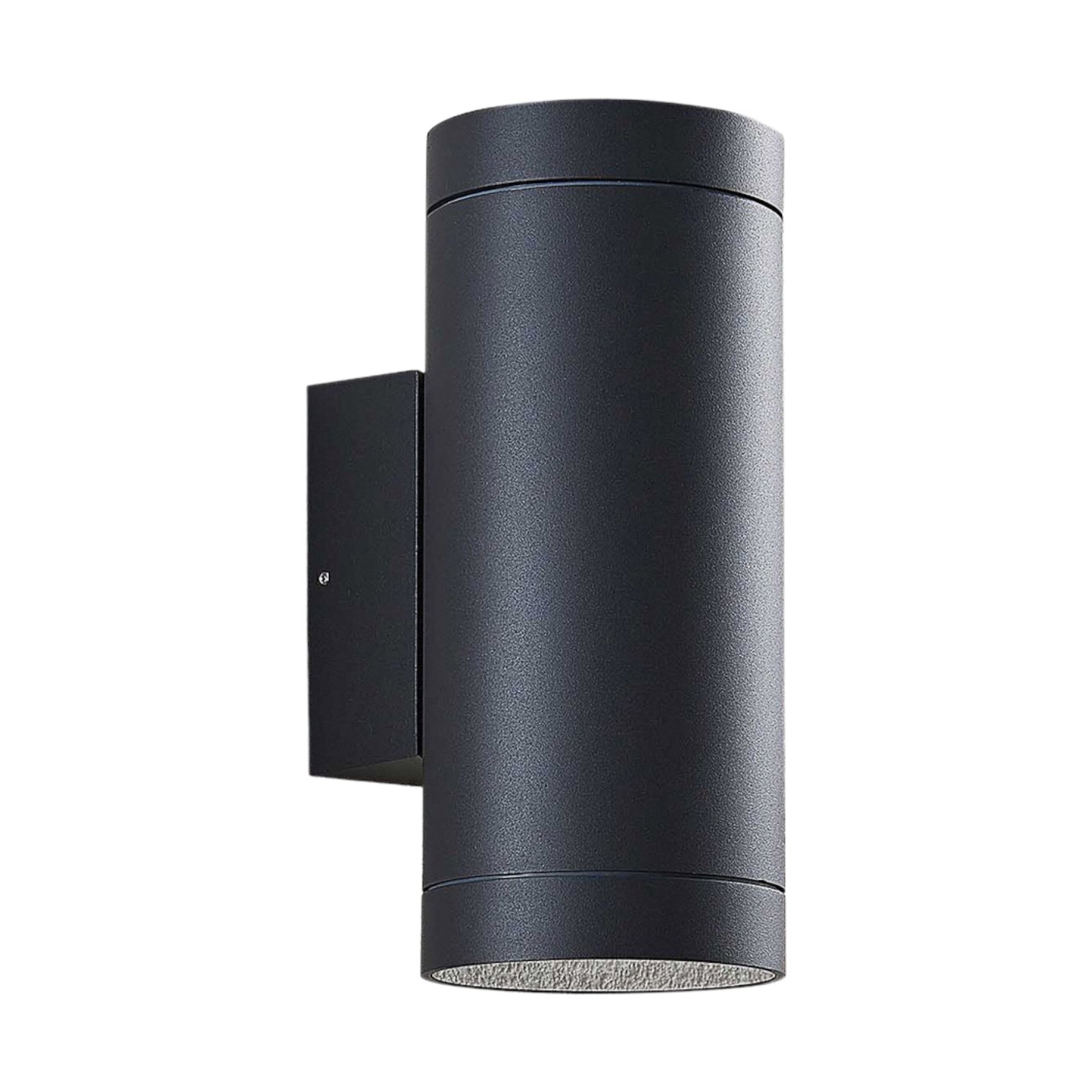
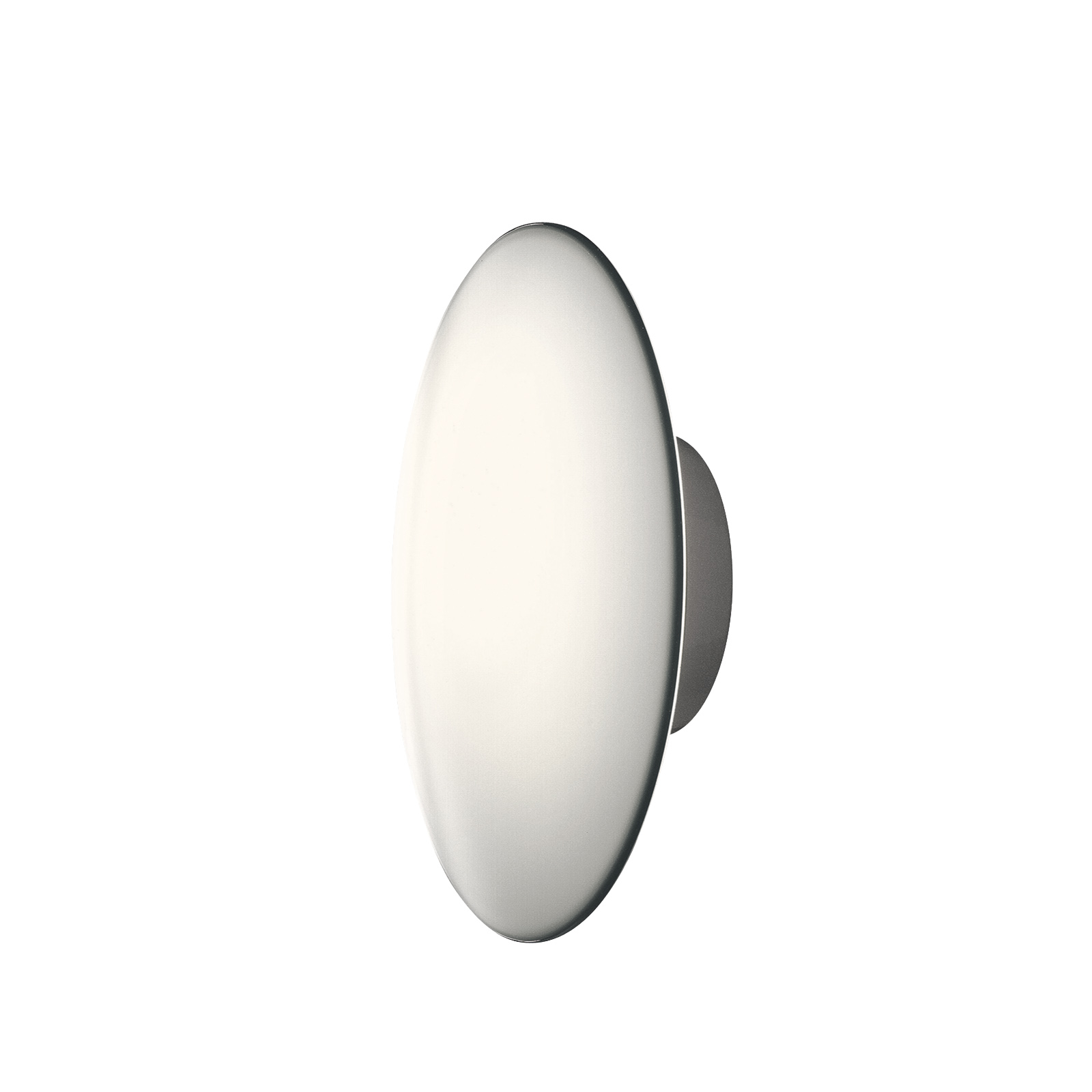
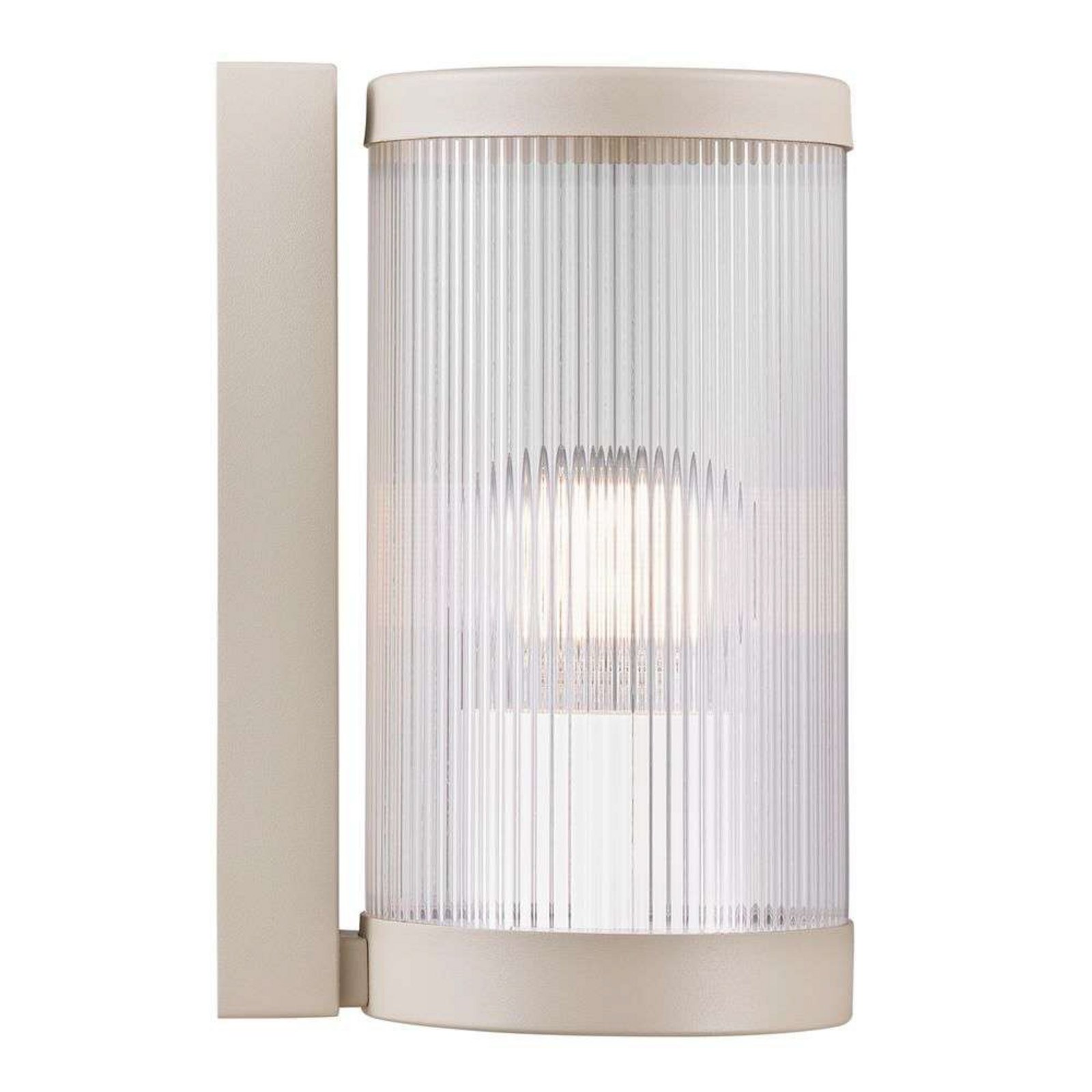
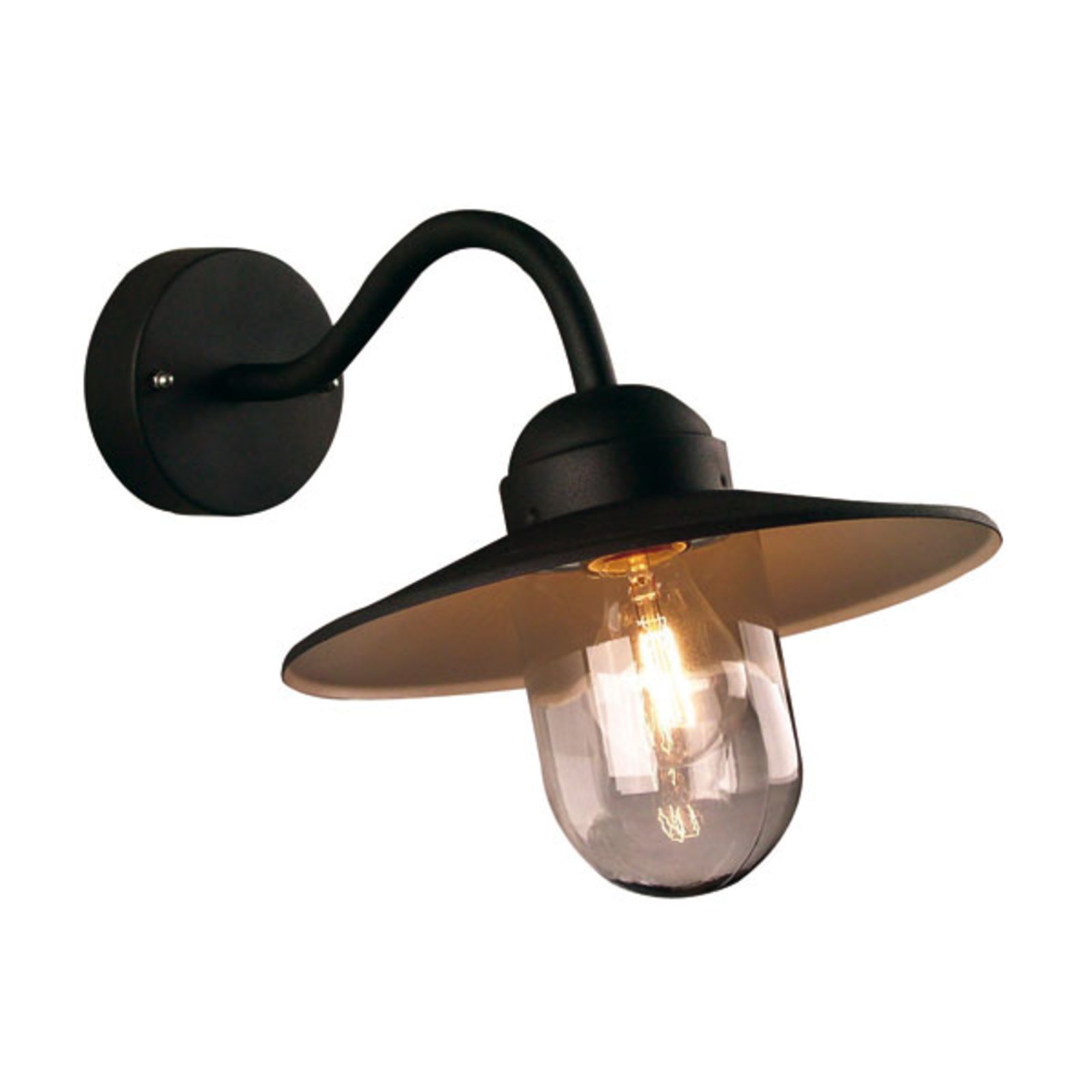
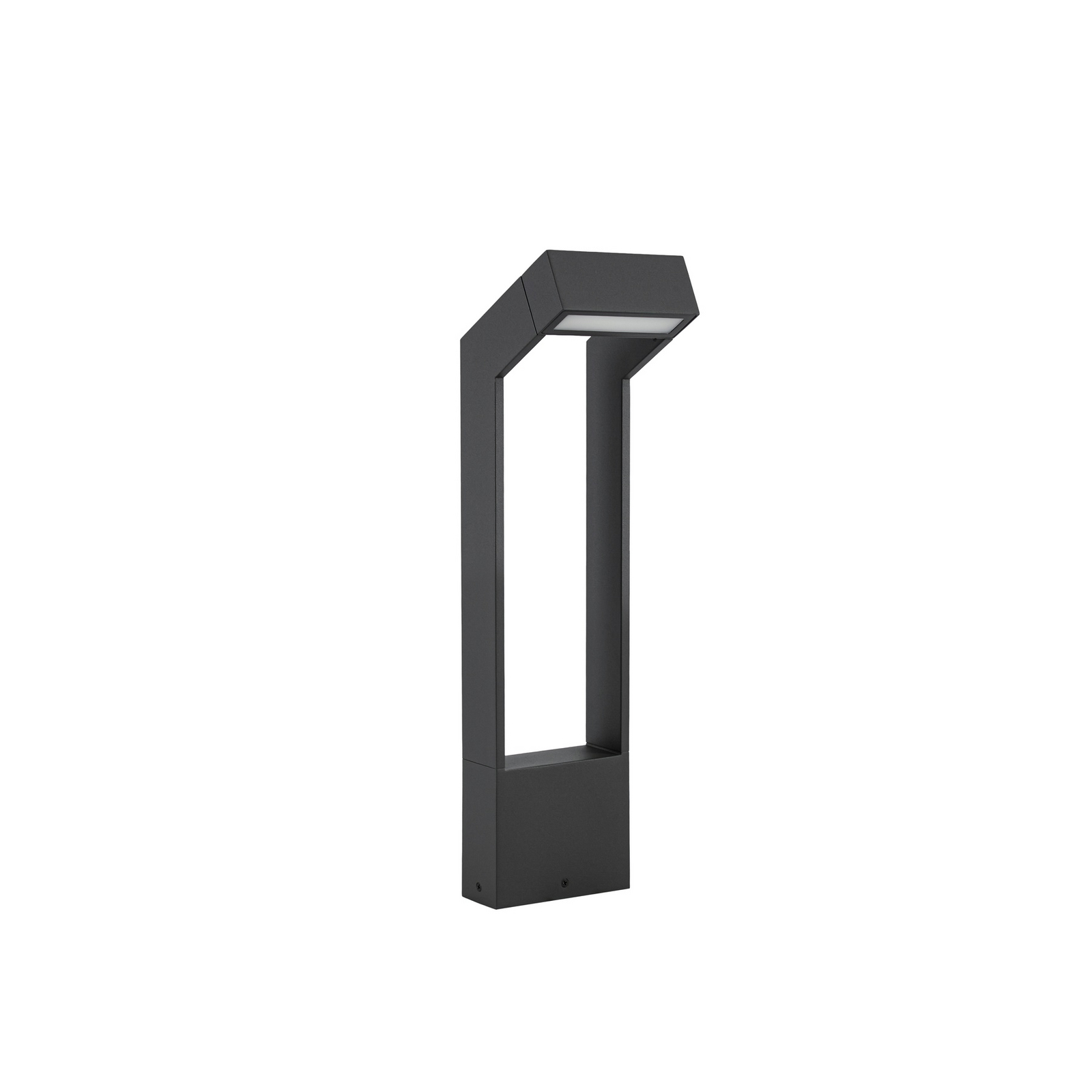
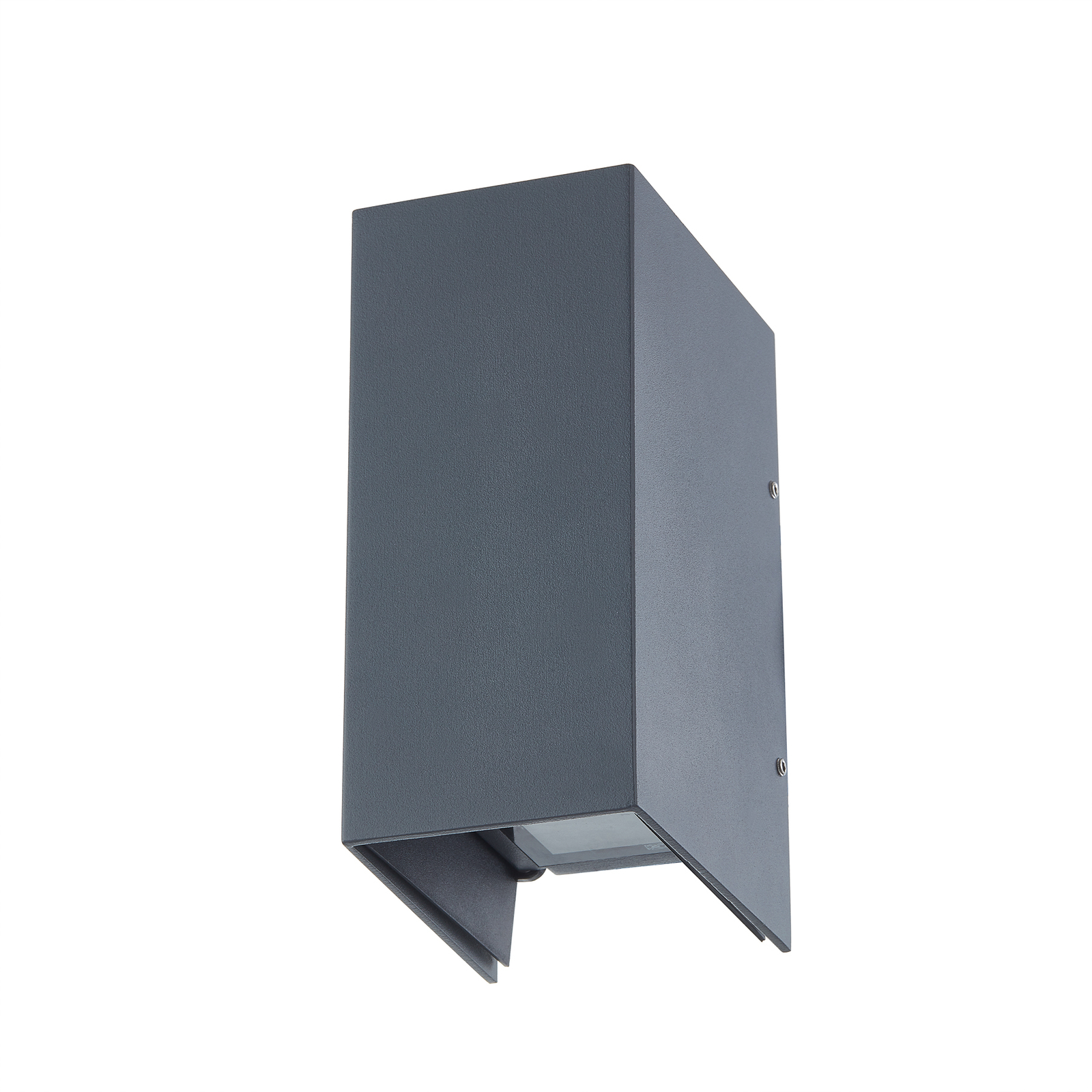
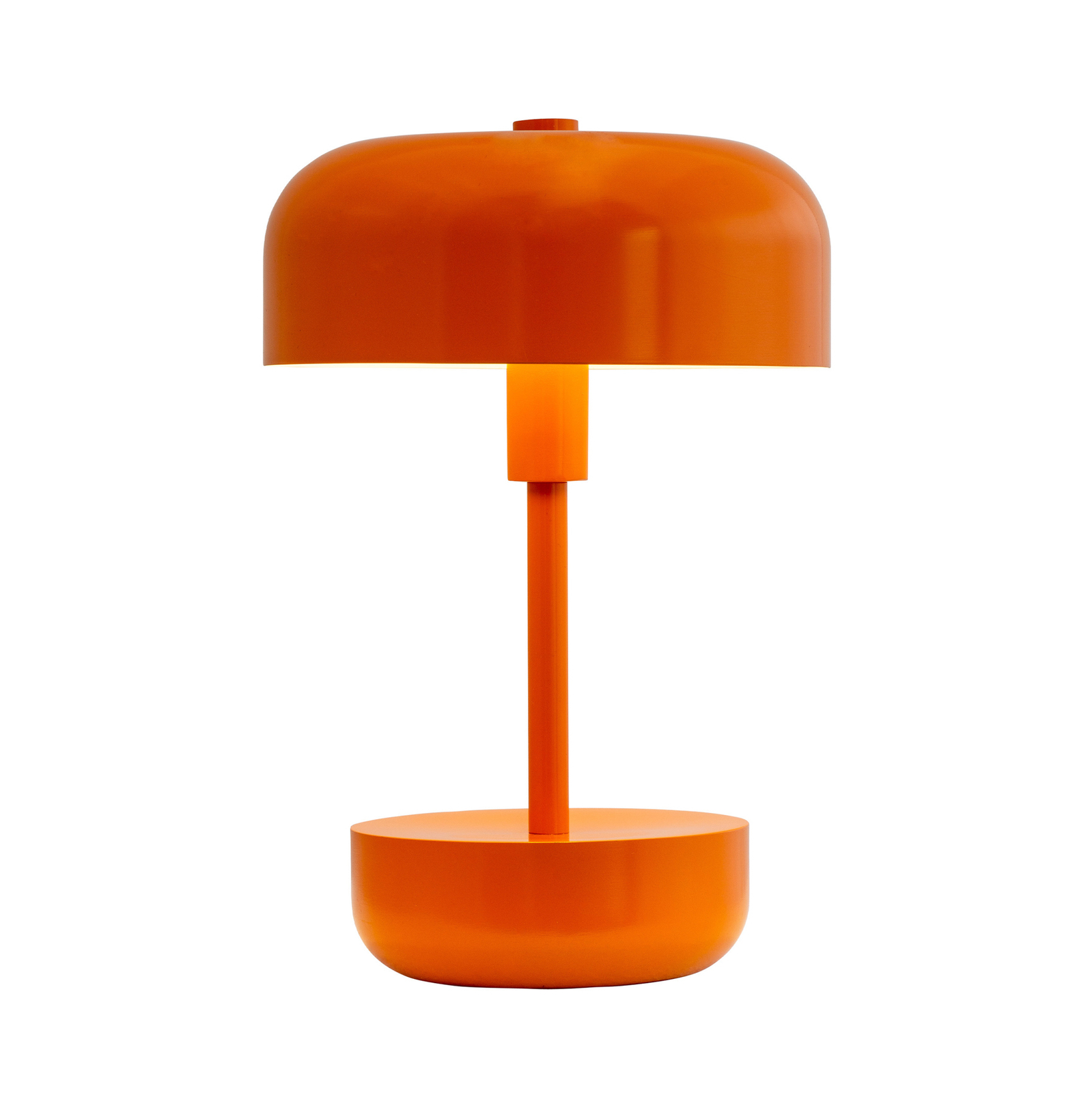
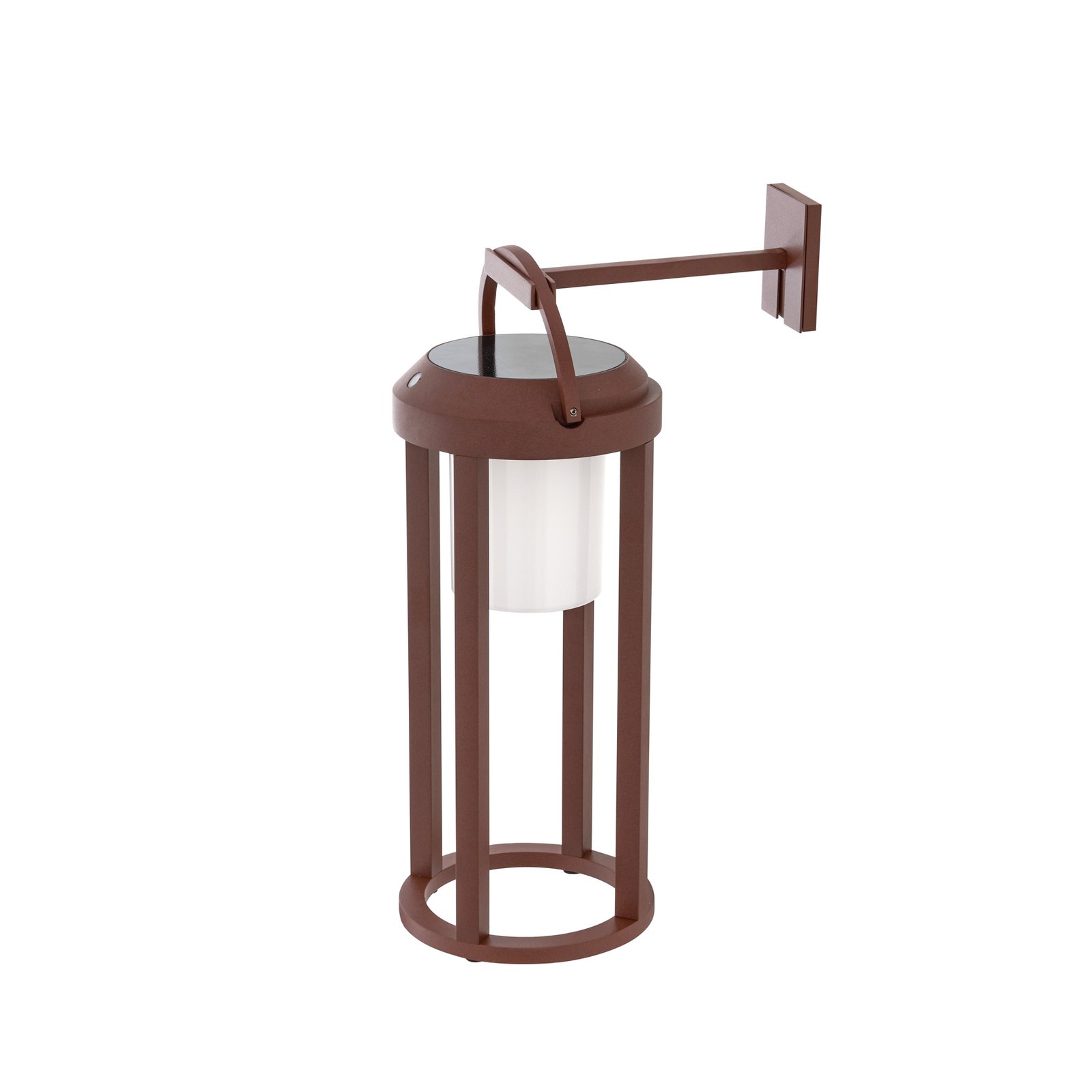
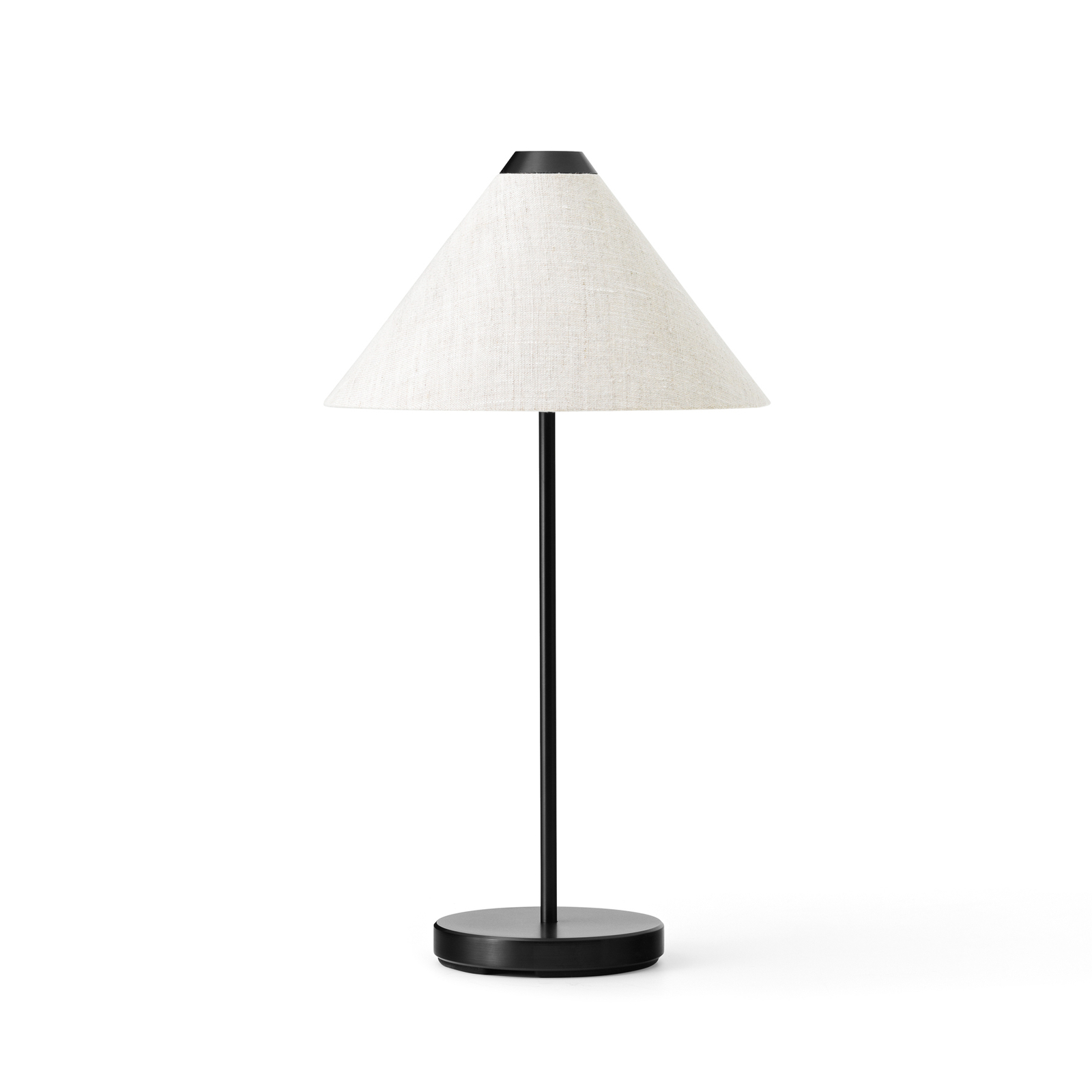
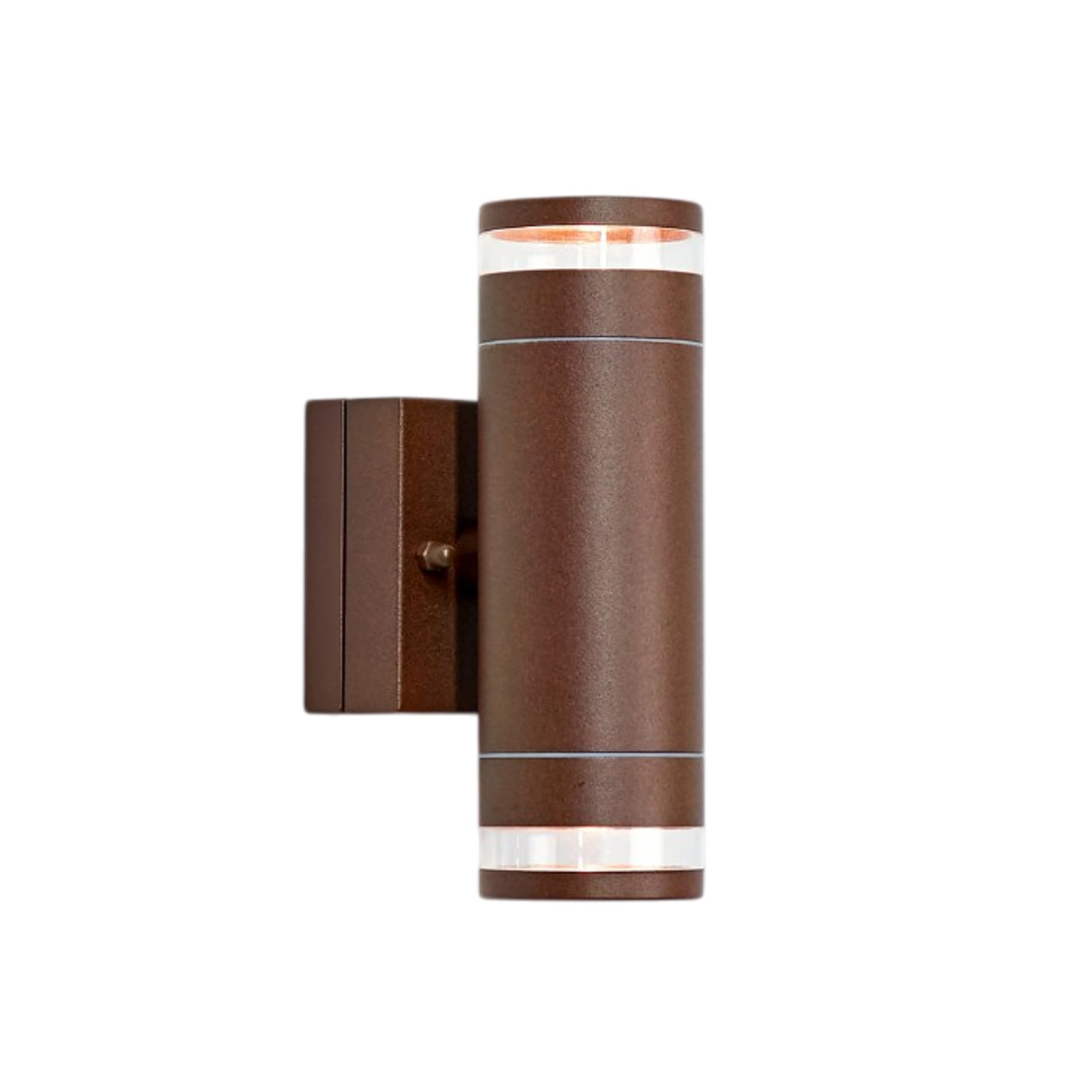
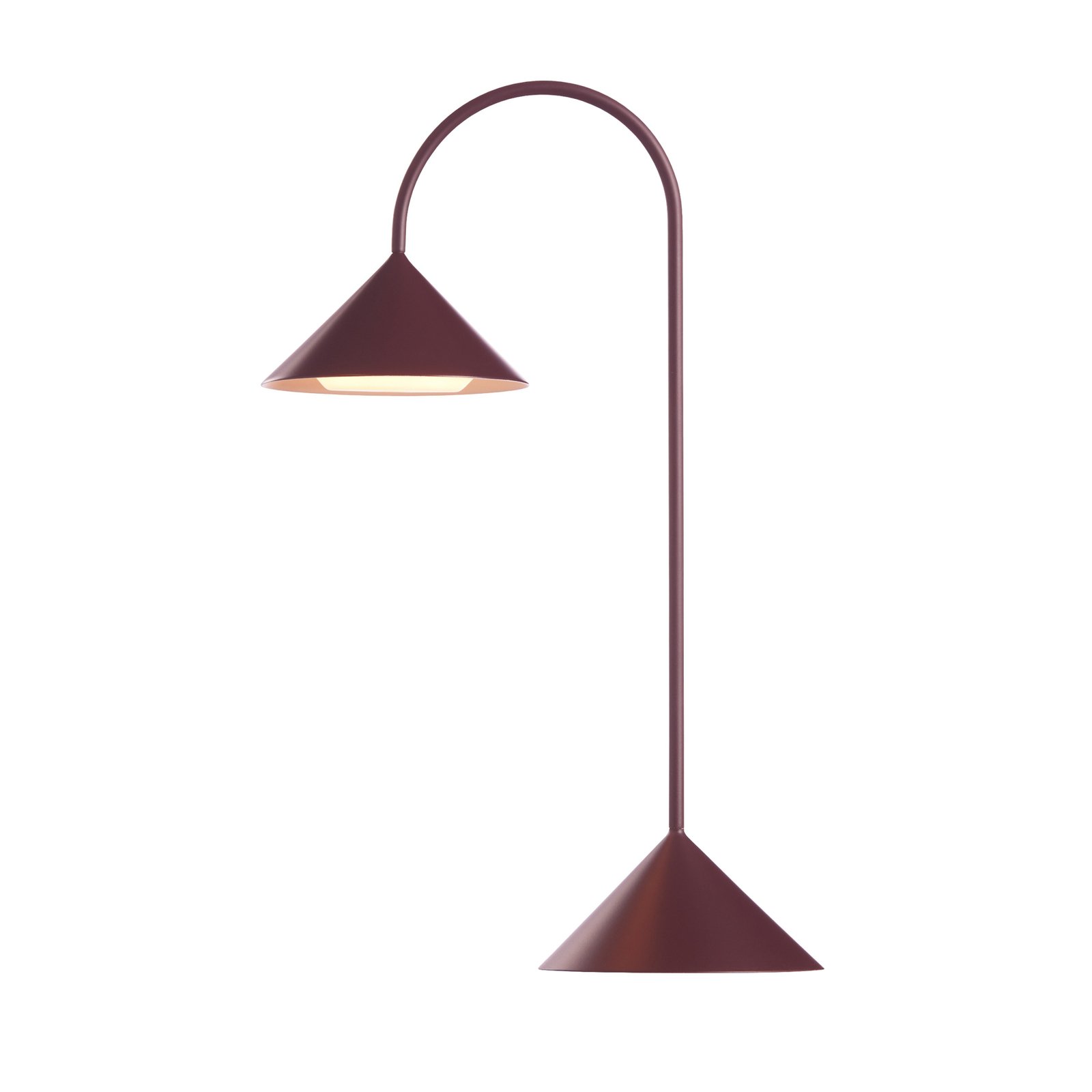
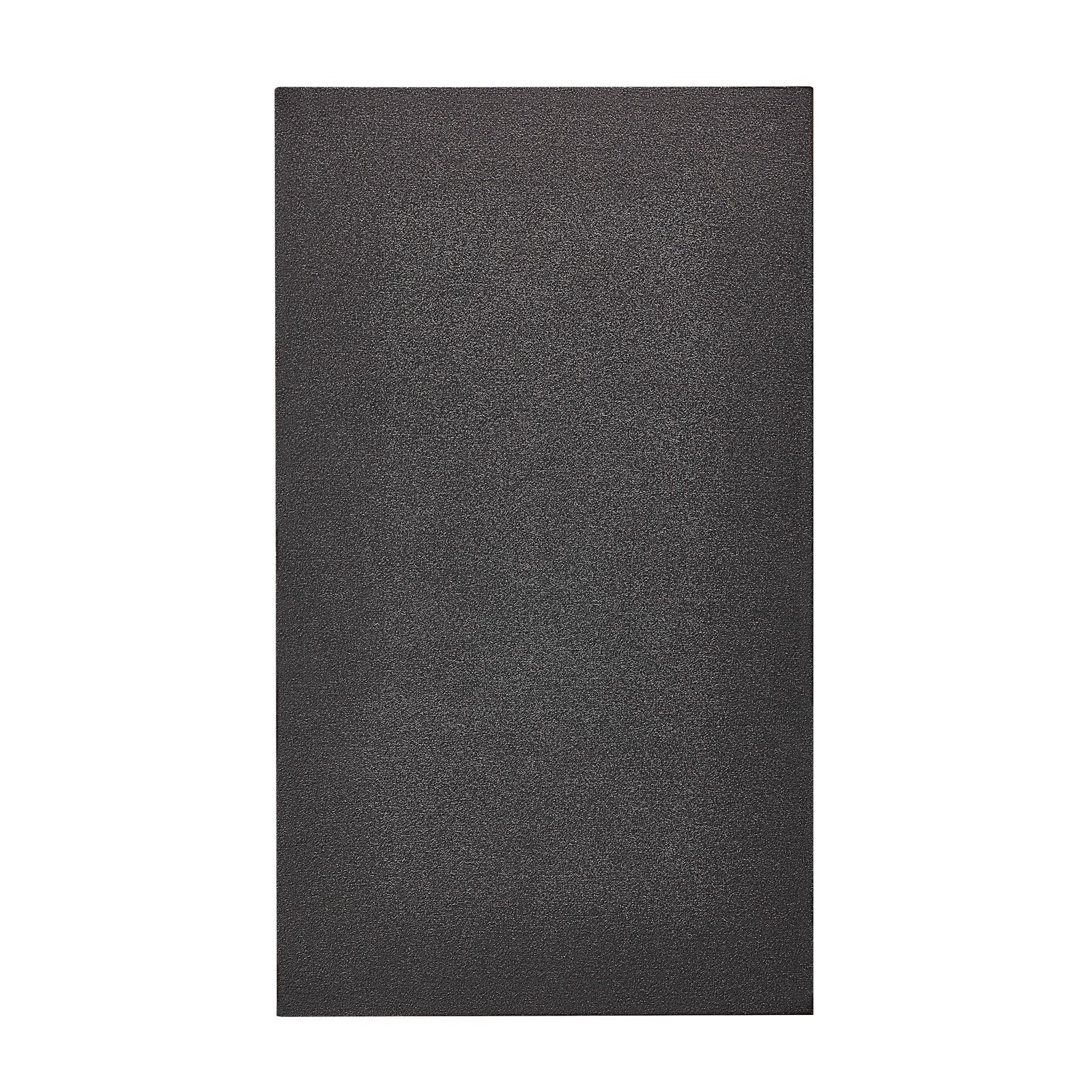
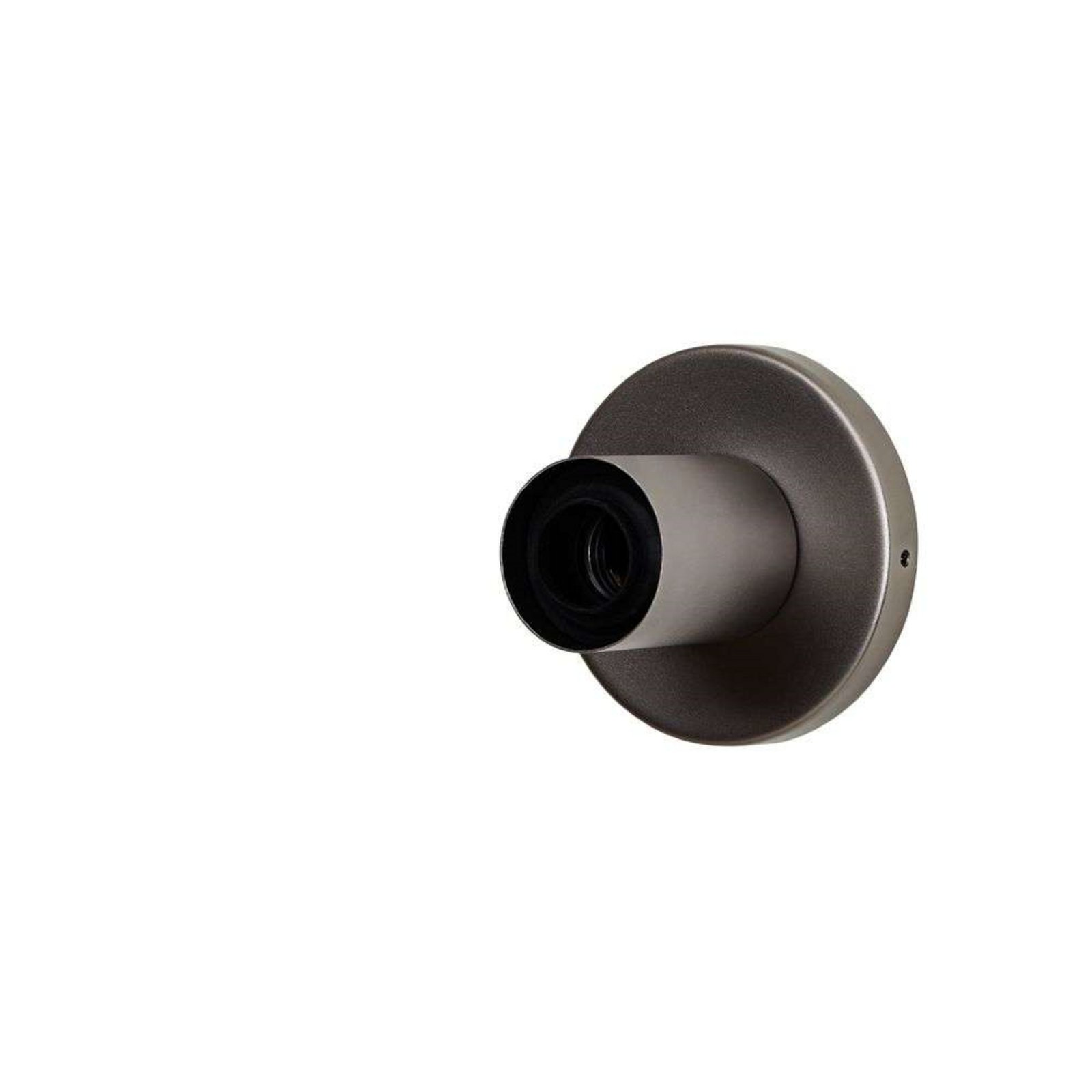
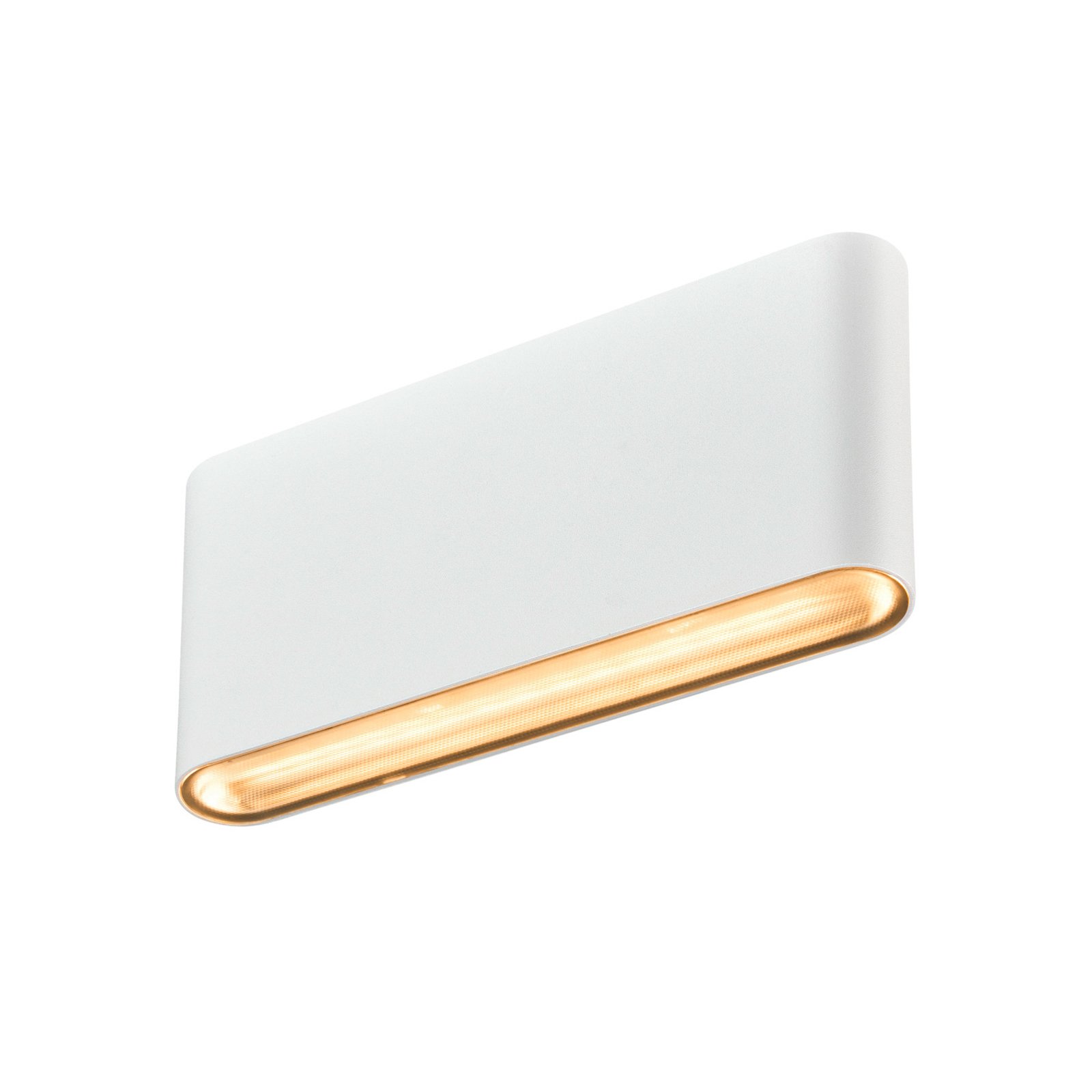
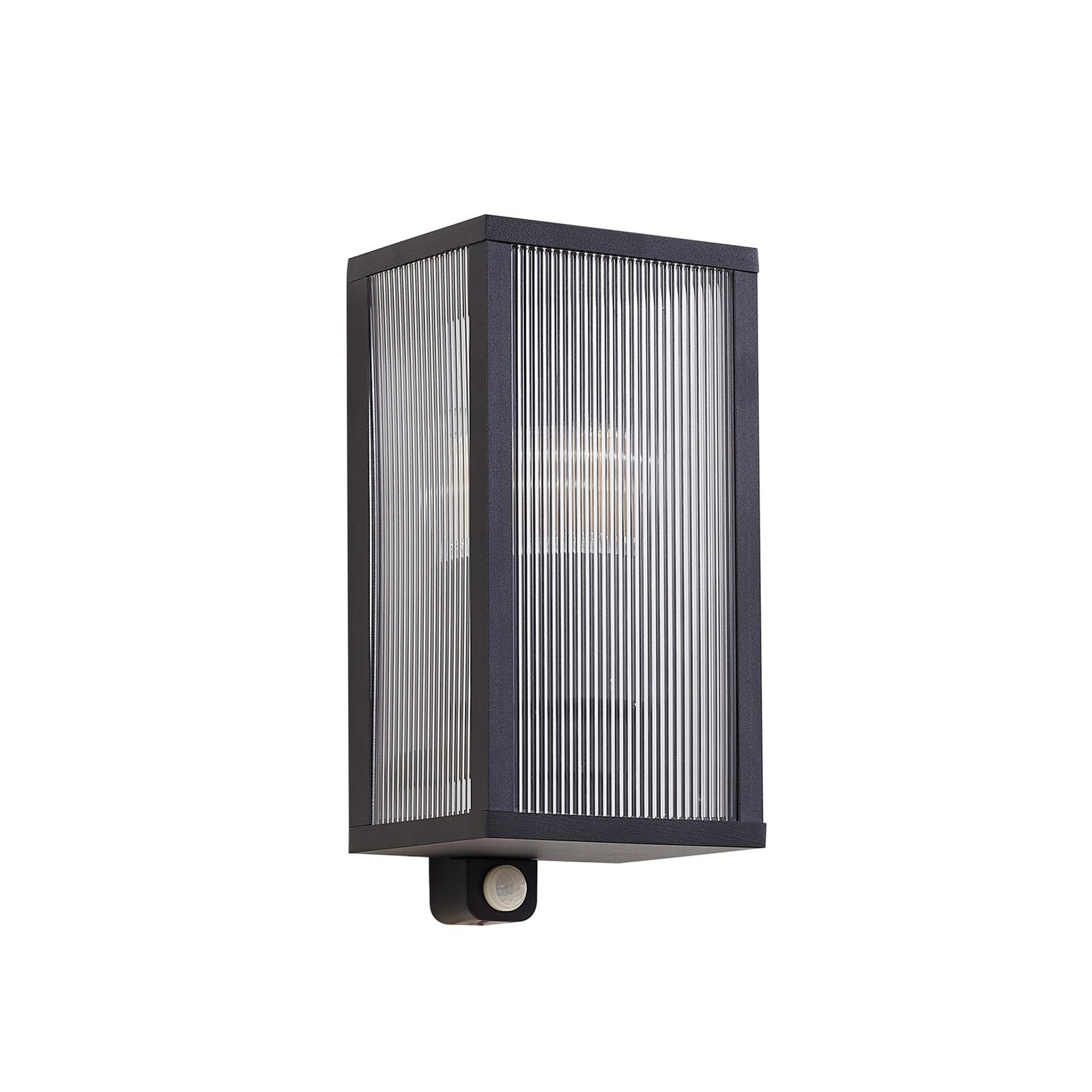
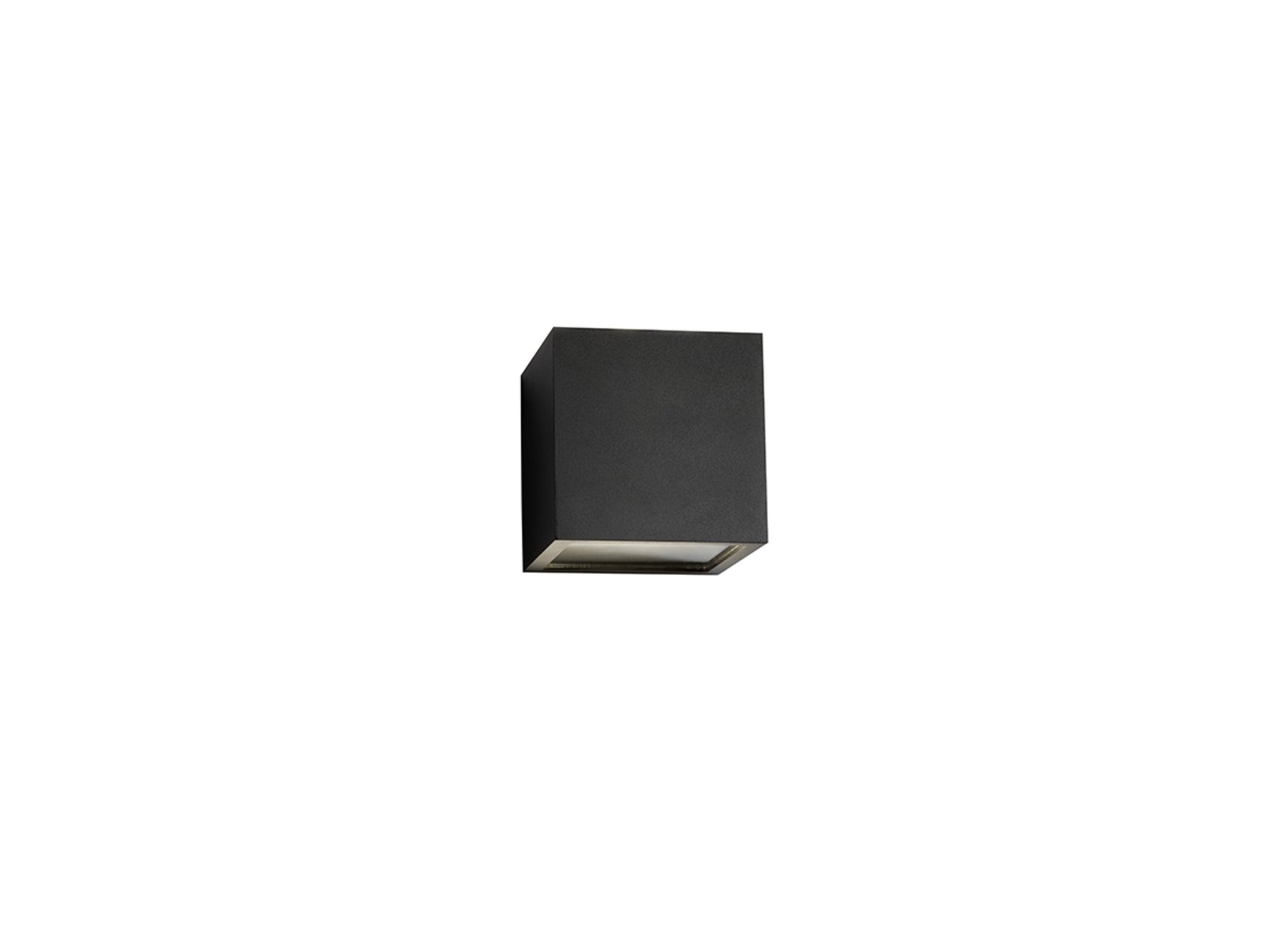
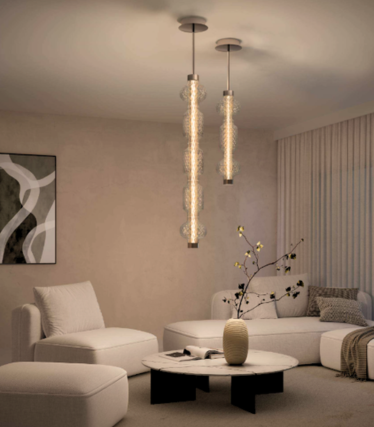
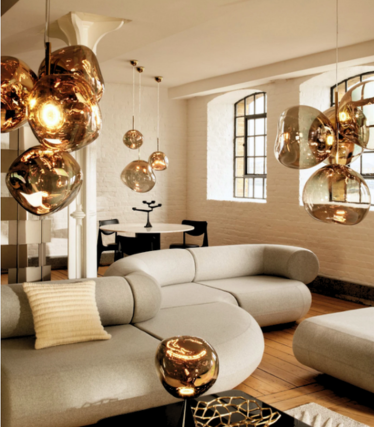
Share your pictures with @lampemesteren
Inspire and let yourself be inspired, from one unique home to another. Tag your pictures with #yesLampemesteren and you might see your home here!
Outdoor lights - High-quality light for facades, gardens and patios
Outdoor lights shape the first design impression of a house. Whether on the façade, along a garden path or as an atmospheric lighting object on the patio: high-quality luminaires design the transition between architecture and outdoor space. Their light changes the perception of materials, proportions and depth long before you enter the building. At the same time, they remain present as objects even in daylight - through their shape, their surface and their relationship to the façade. A well-chosen luminaire acts as a source of light and as part of the architecture at any time of day.
Outdoor luminaires as a design tool: light shapes the outdoor space
Light outdoors has a different effect than indoors. It stands in relation to the darkness, to natural light sources and to the surfaces in the outdoor space. Exterior luminaires determine which areas are visible, where shadows lie and how a building is perceived after dark.
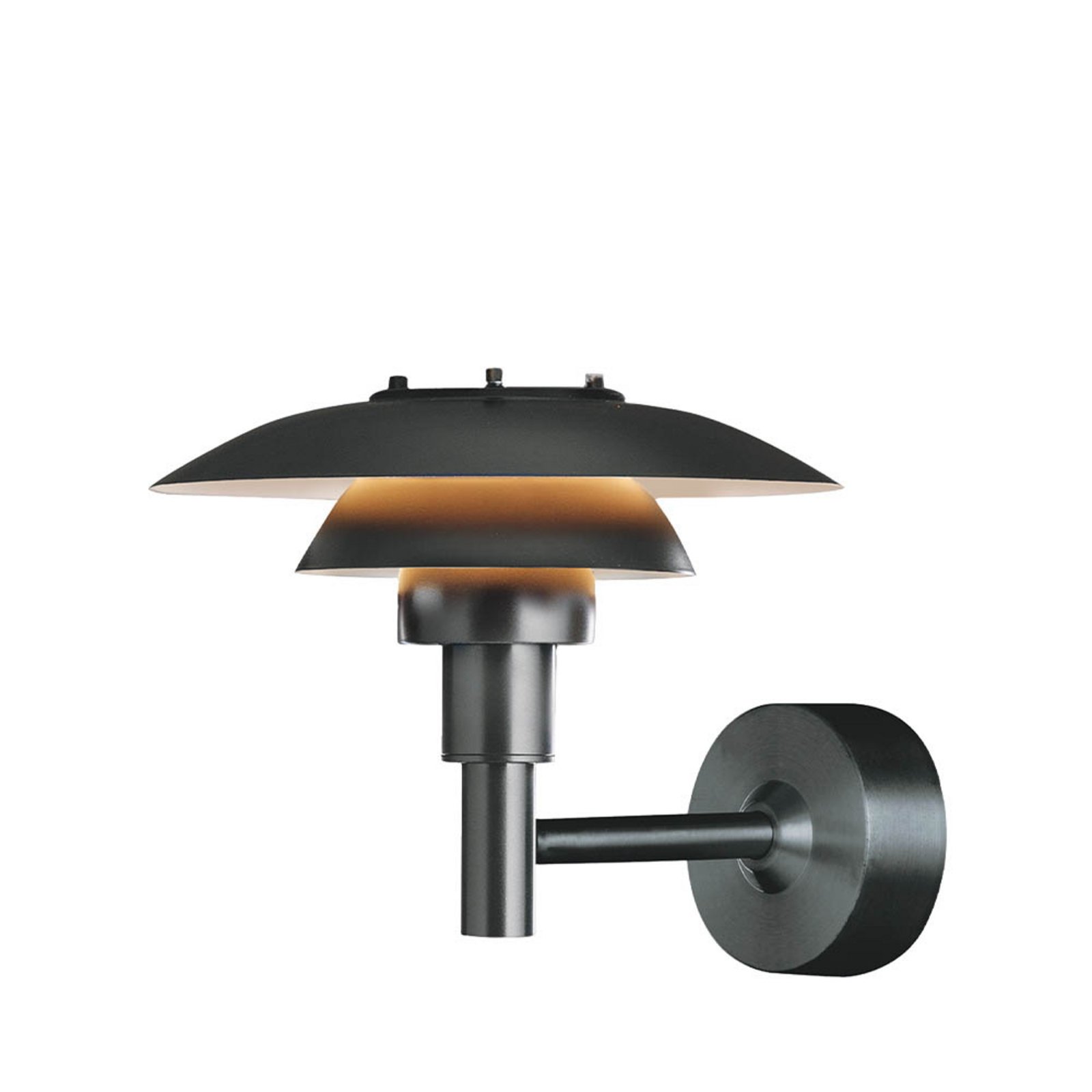
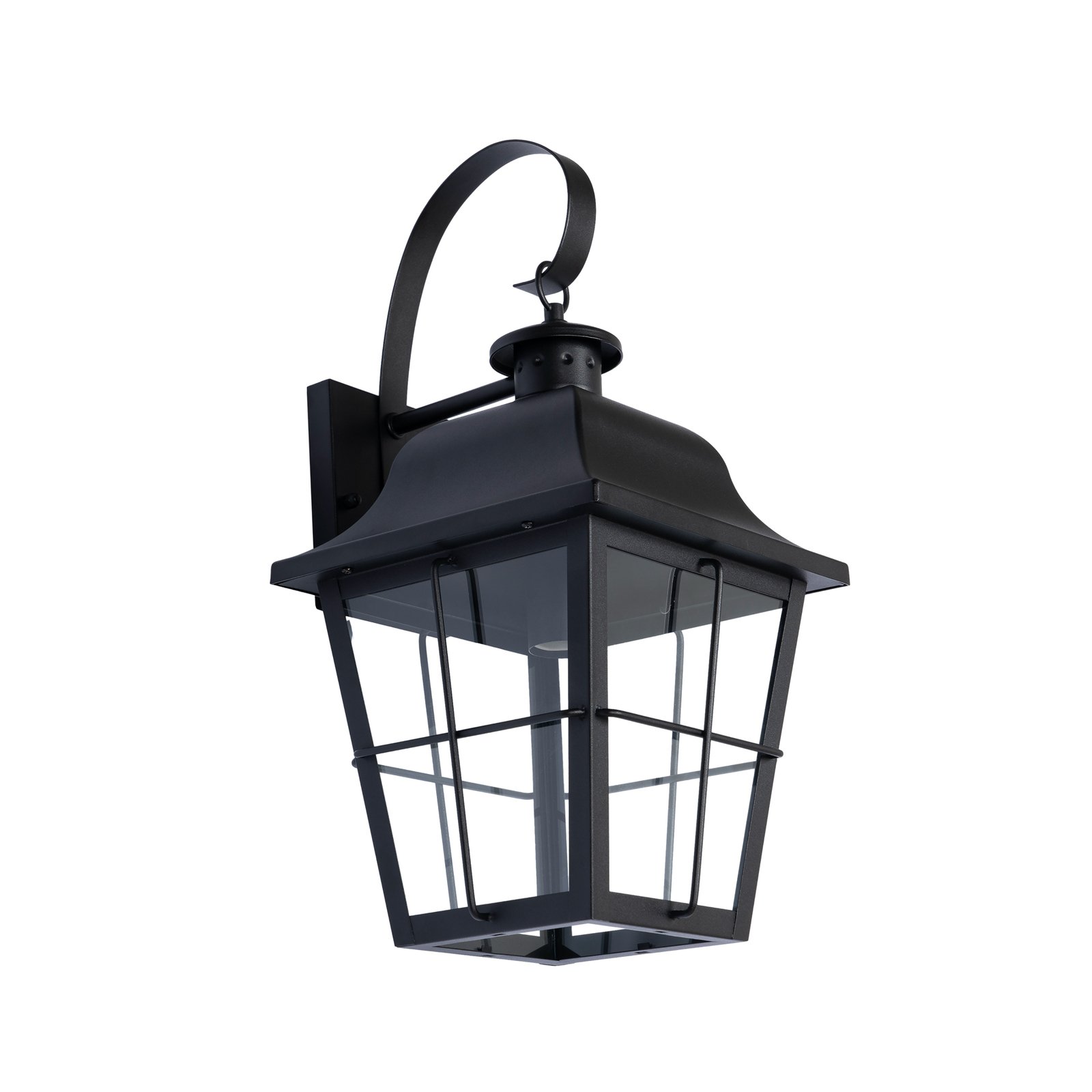
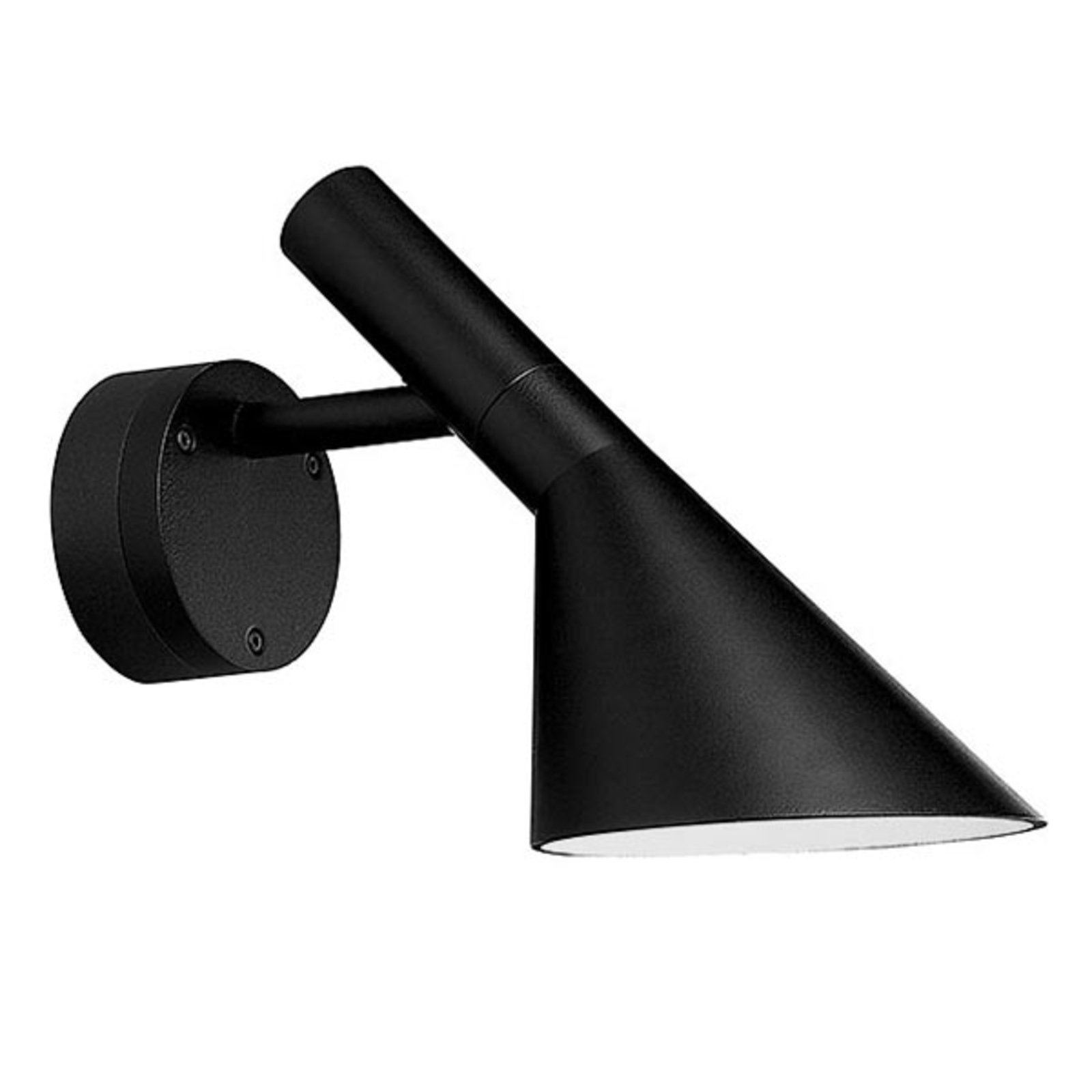
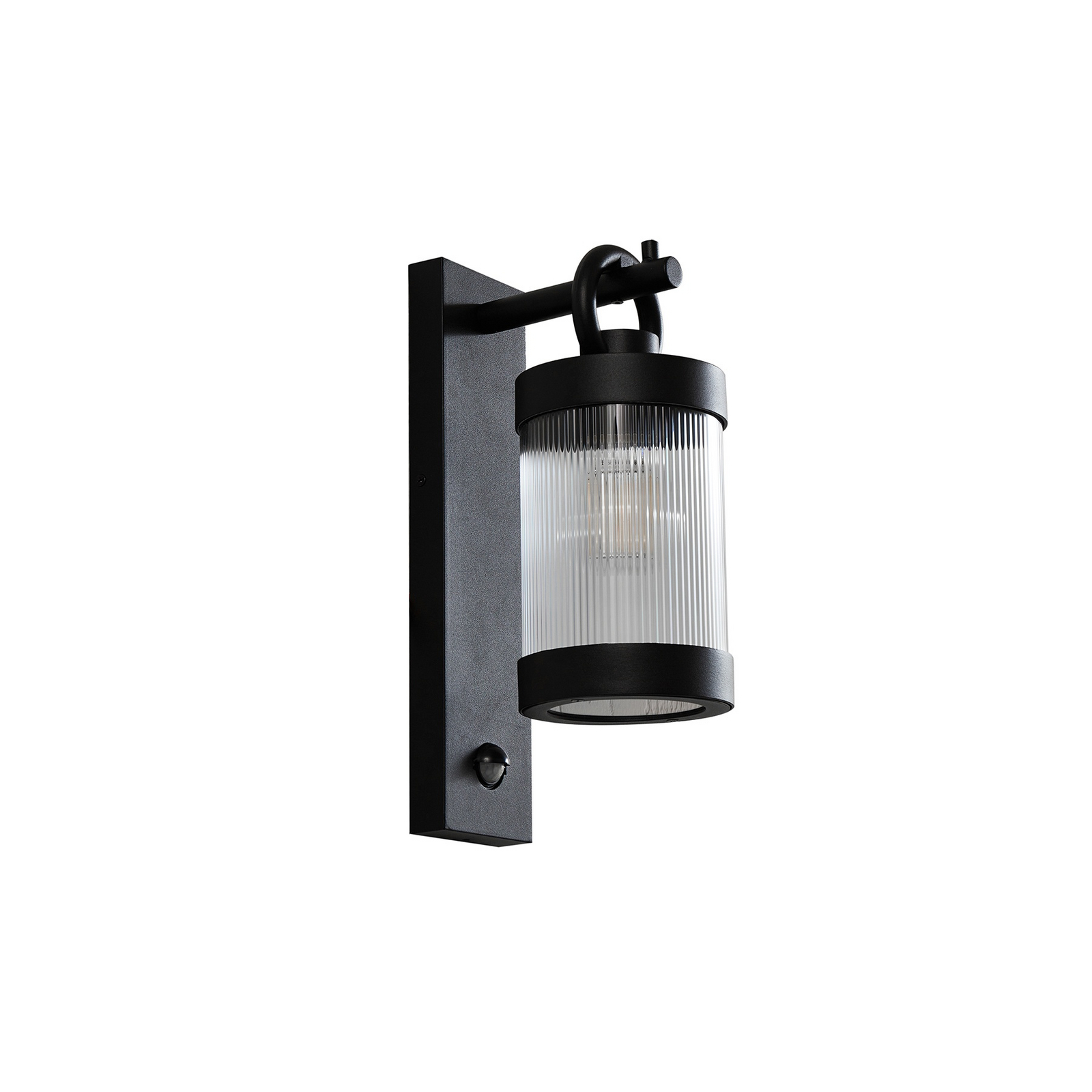
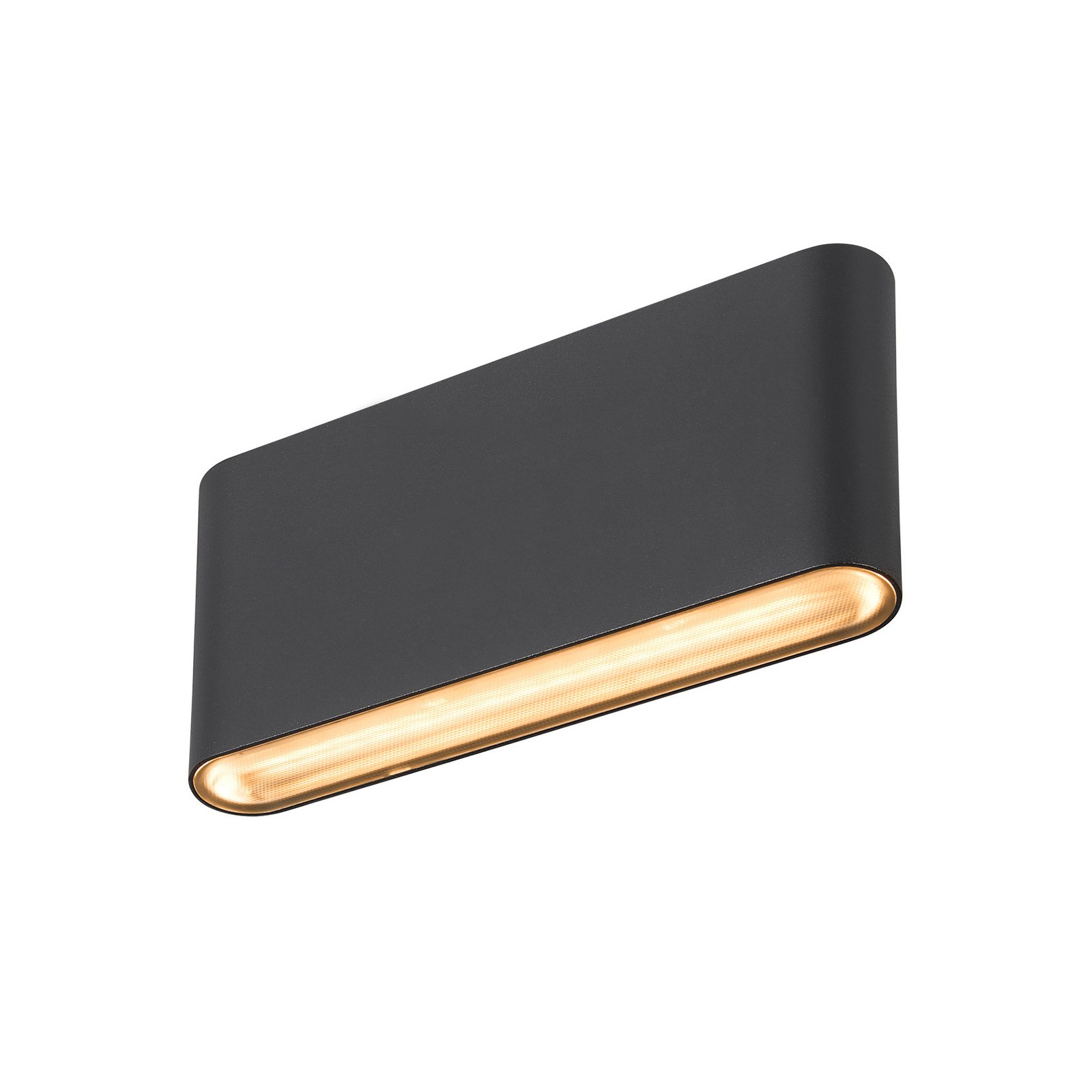
Along a house wall, targeted lighting can emphasize the texture of the brickwork. Wall luminaires on both sides of an entrance create symmetry and orientation not through high brightness, but through their precise positioning. In these situations, the luminaire itself is part of the architectural composition.
Design language and materiality: outdoor lights by day and by night
An outdoor light is also present in daylight. Its form, its surface and its relationship to the architecture remain visible long before it lights up. Materials such as brushed aluminum, Corten steel or satin-finished glass are effective due to their texture. Depending on the time of day and the weather, they reflect, absorb or change the lighting effect.
In outdoor areas, materiality plays a special role because luminaires are permanently exposed to wind, moisture, temperature fluctuations and UV radiation. High-quality surfaces age in a more controlled manner and retain their design effect for years. This is particularly important for visible installation locations: the luminaire should not only make a good first impression, but also remain part of the architecture in the long term.
Wall lights and ceiling lights for façades and entrances
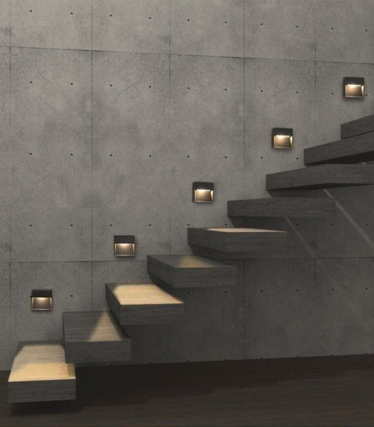
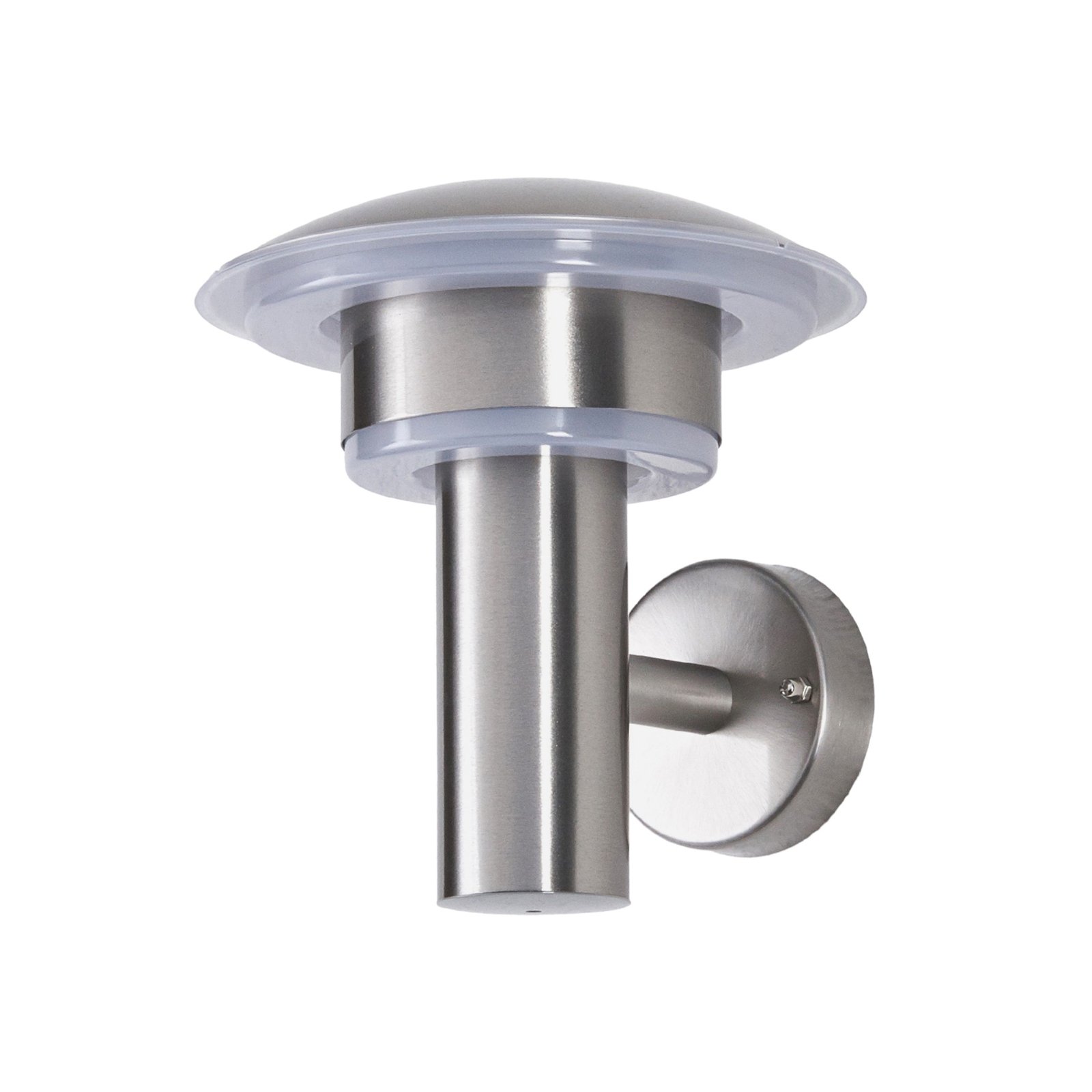
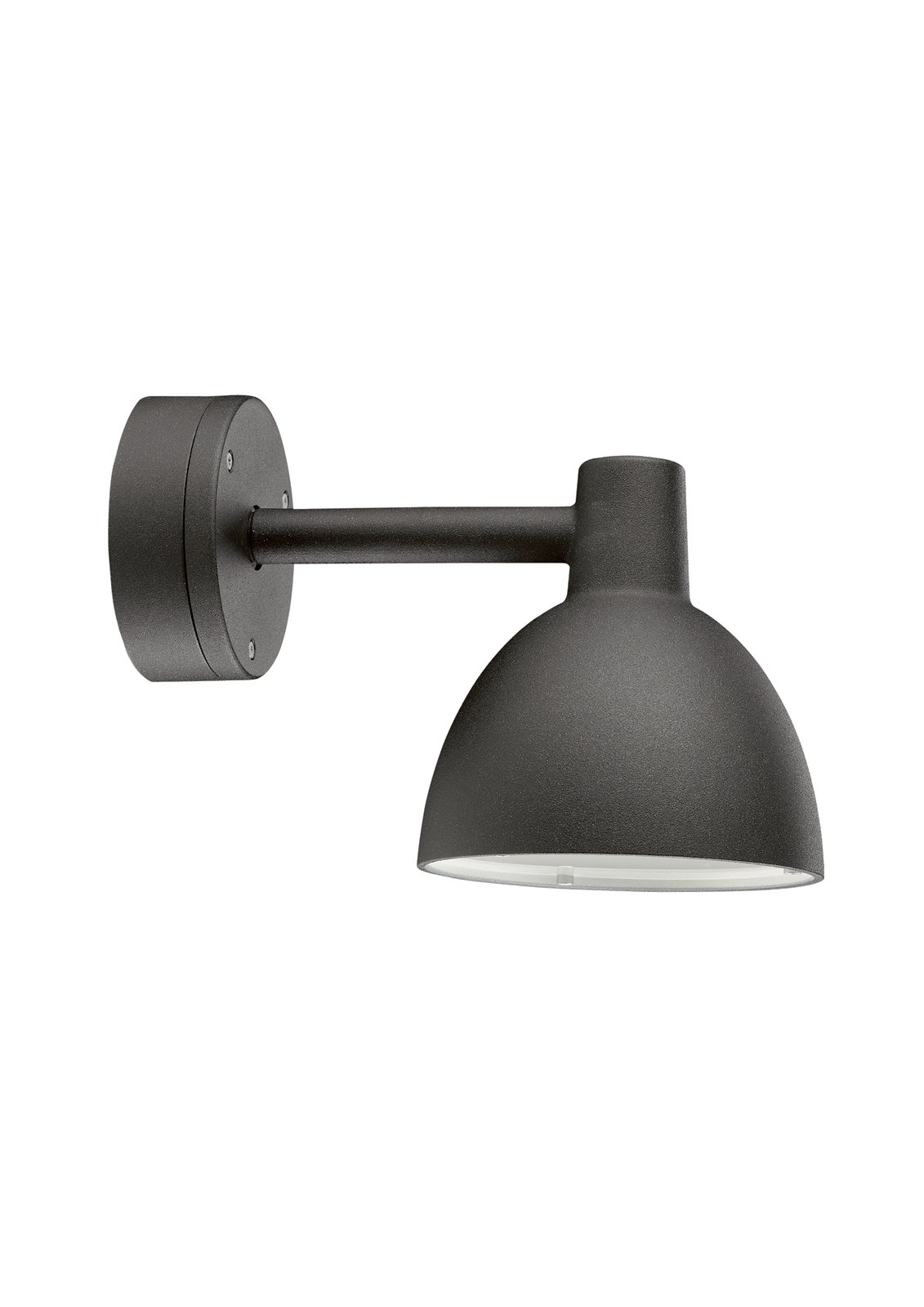
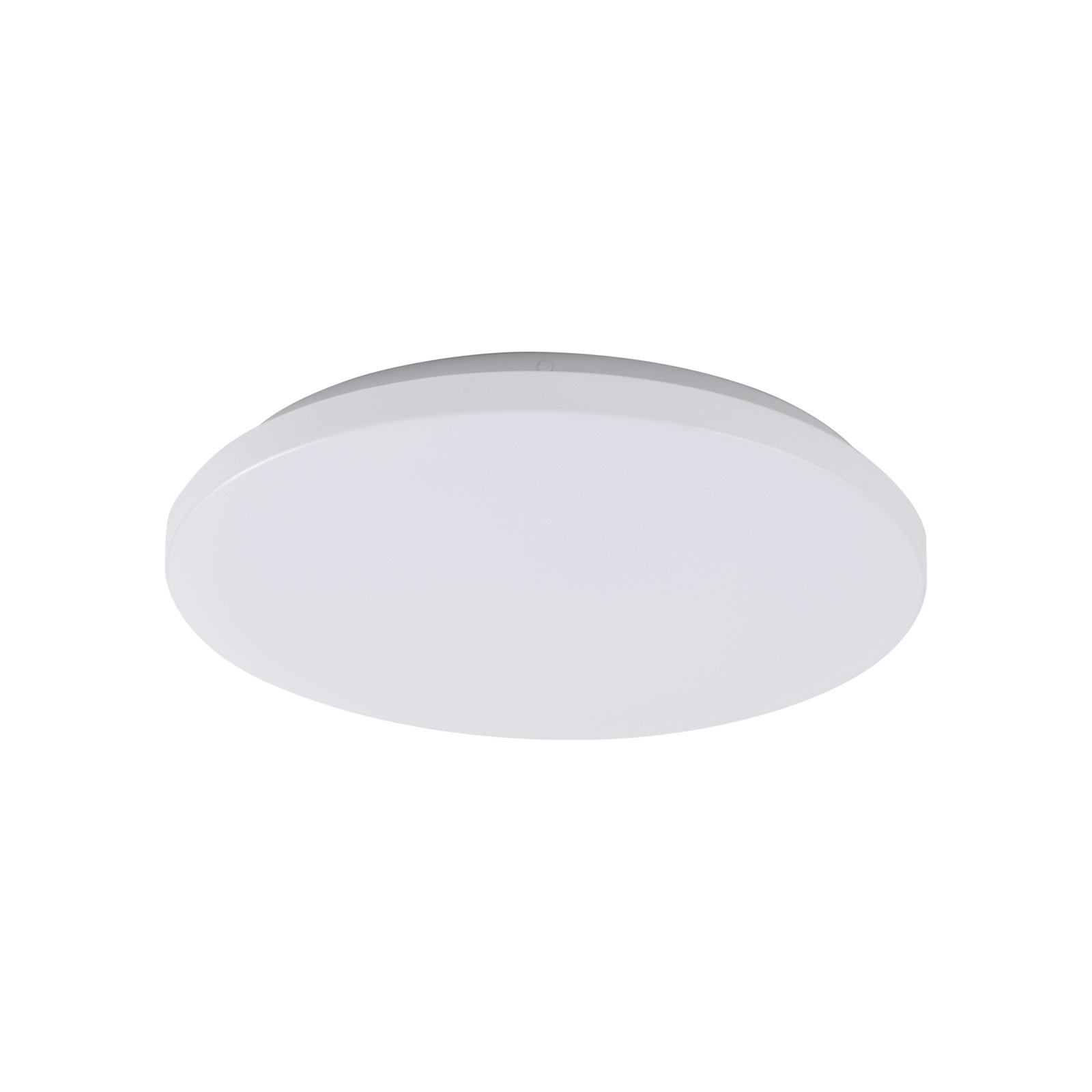
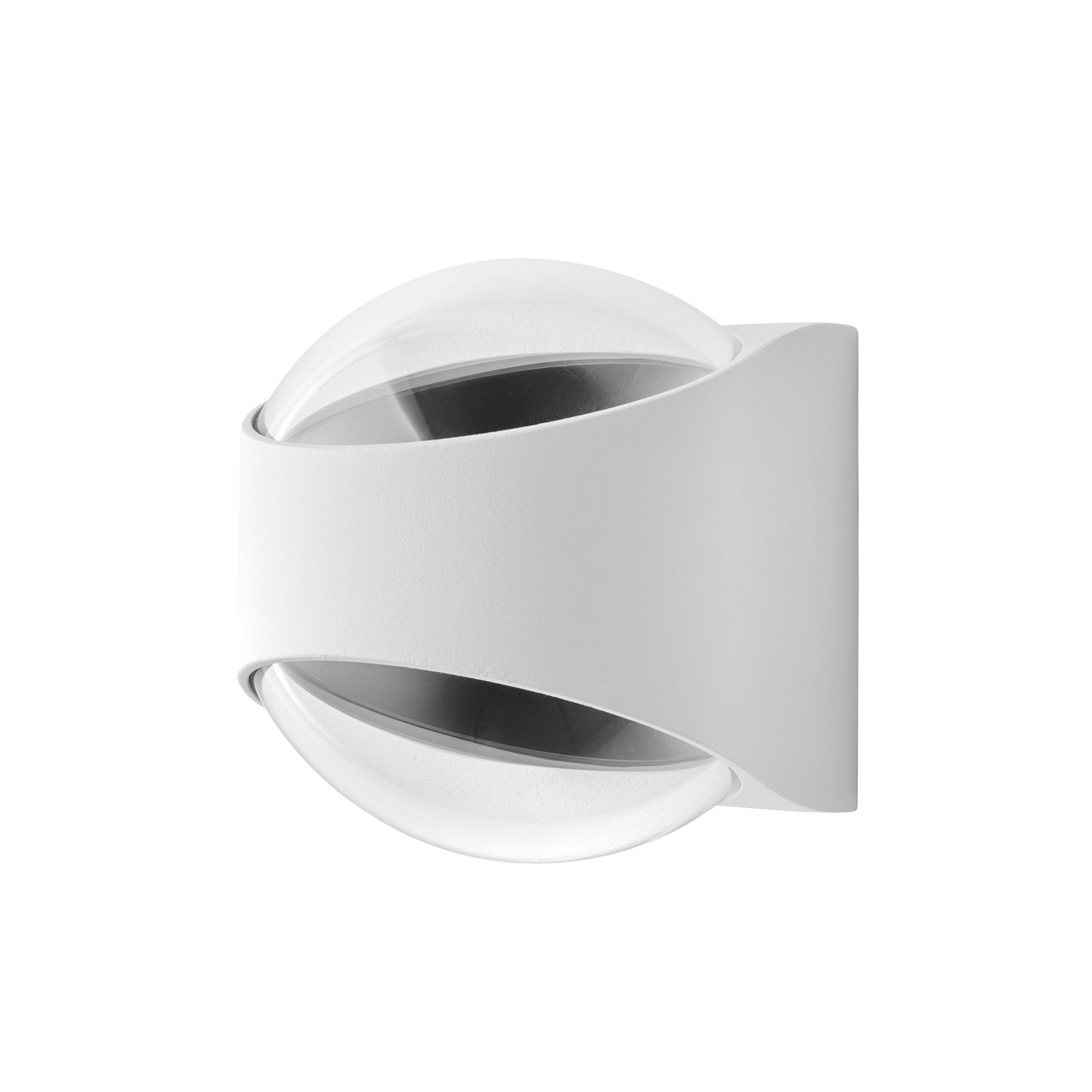
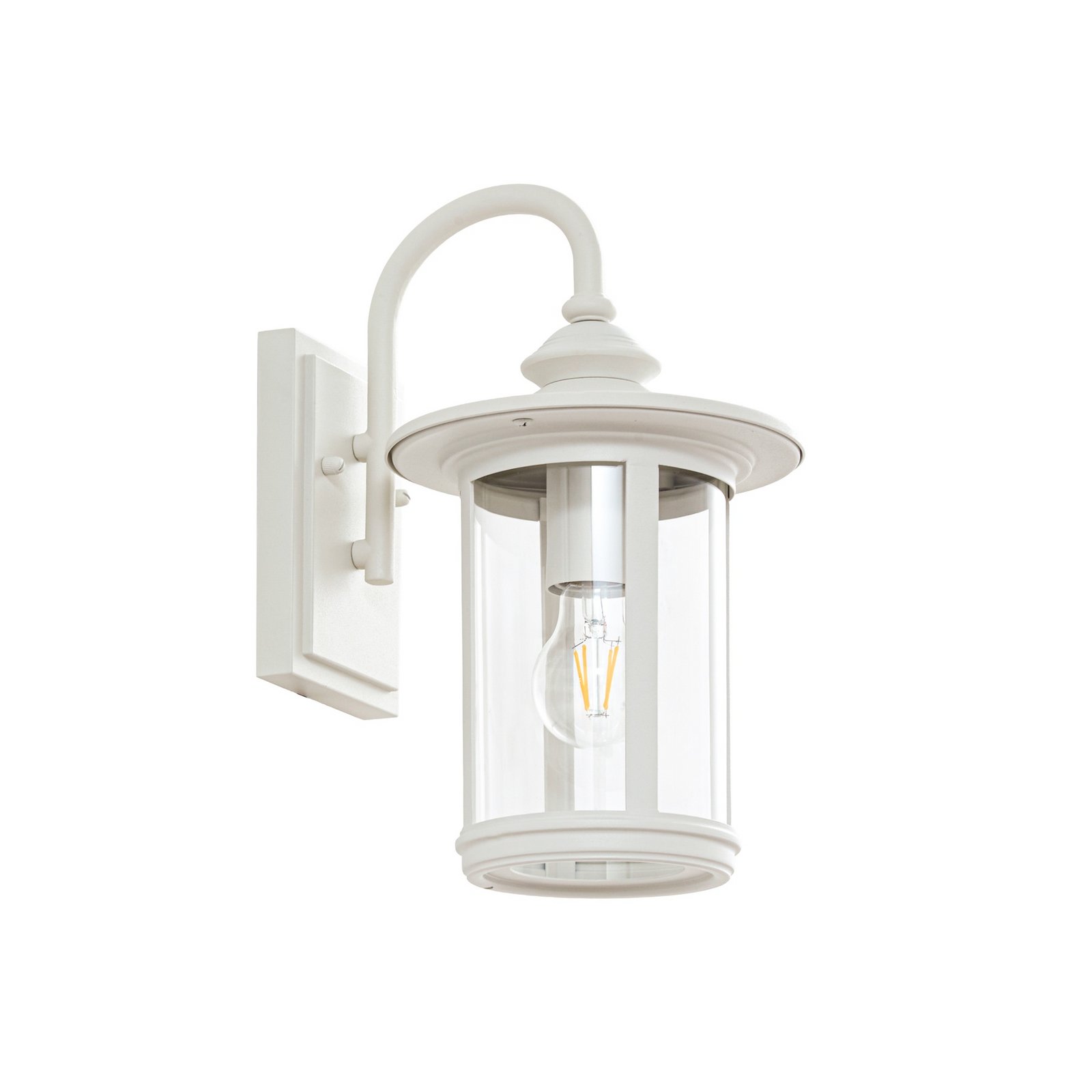
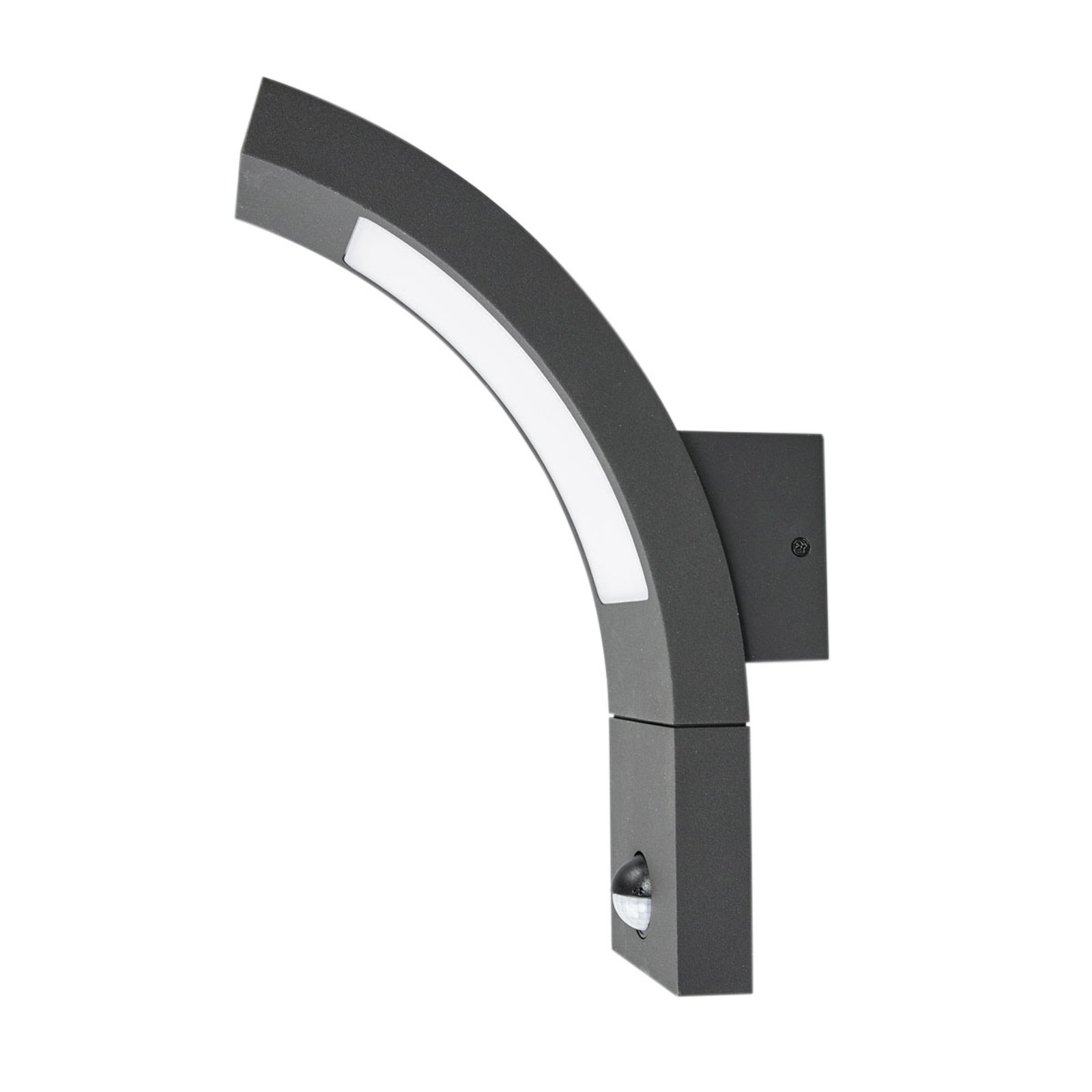
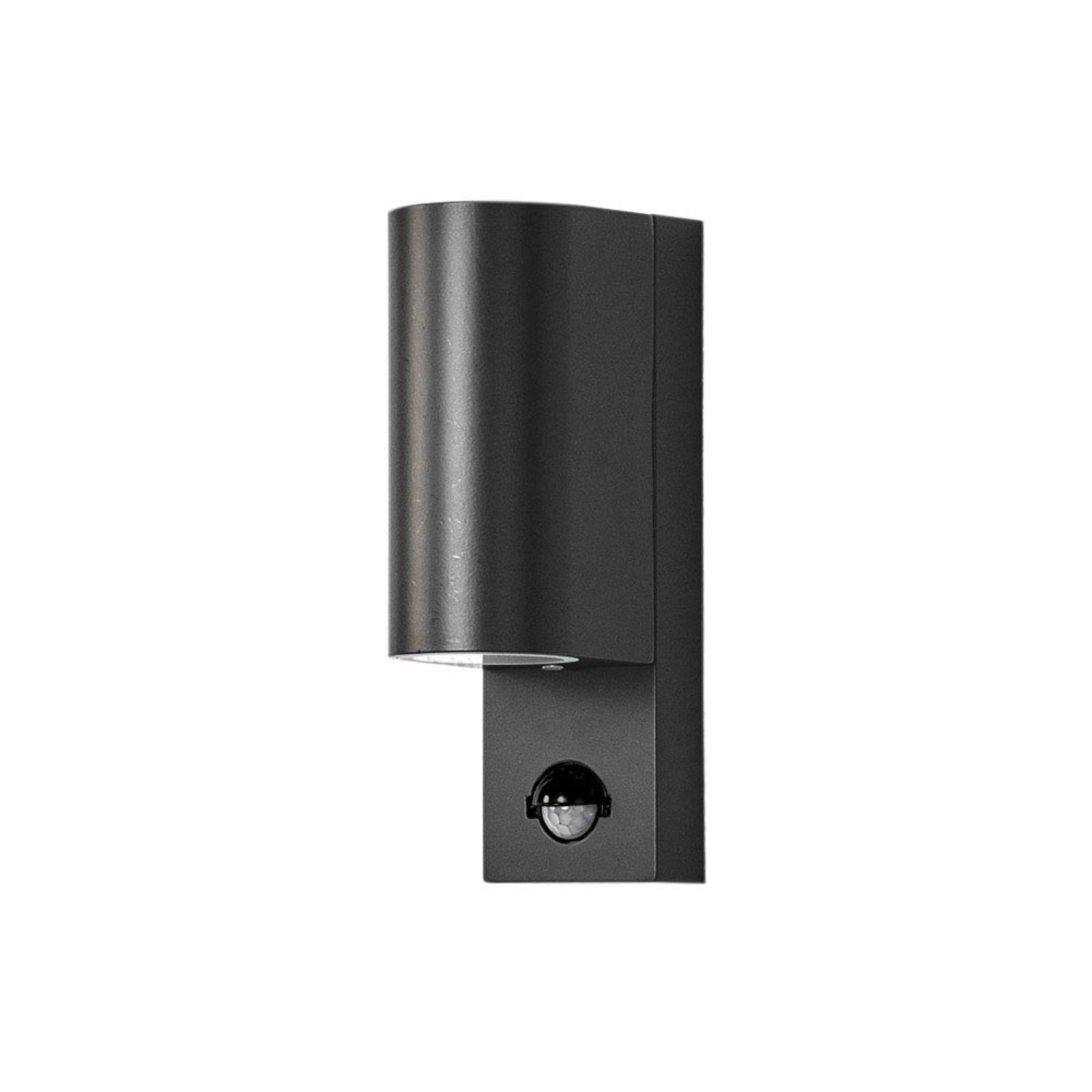
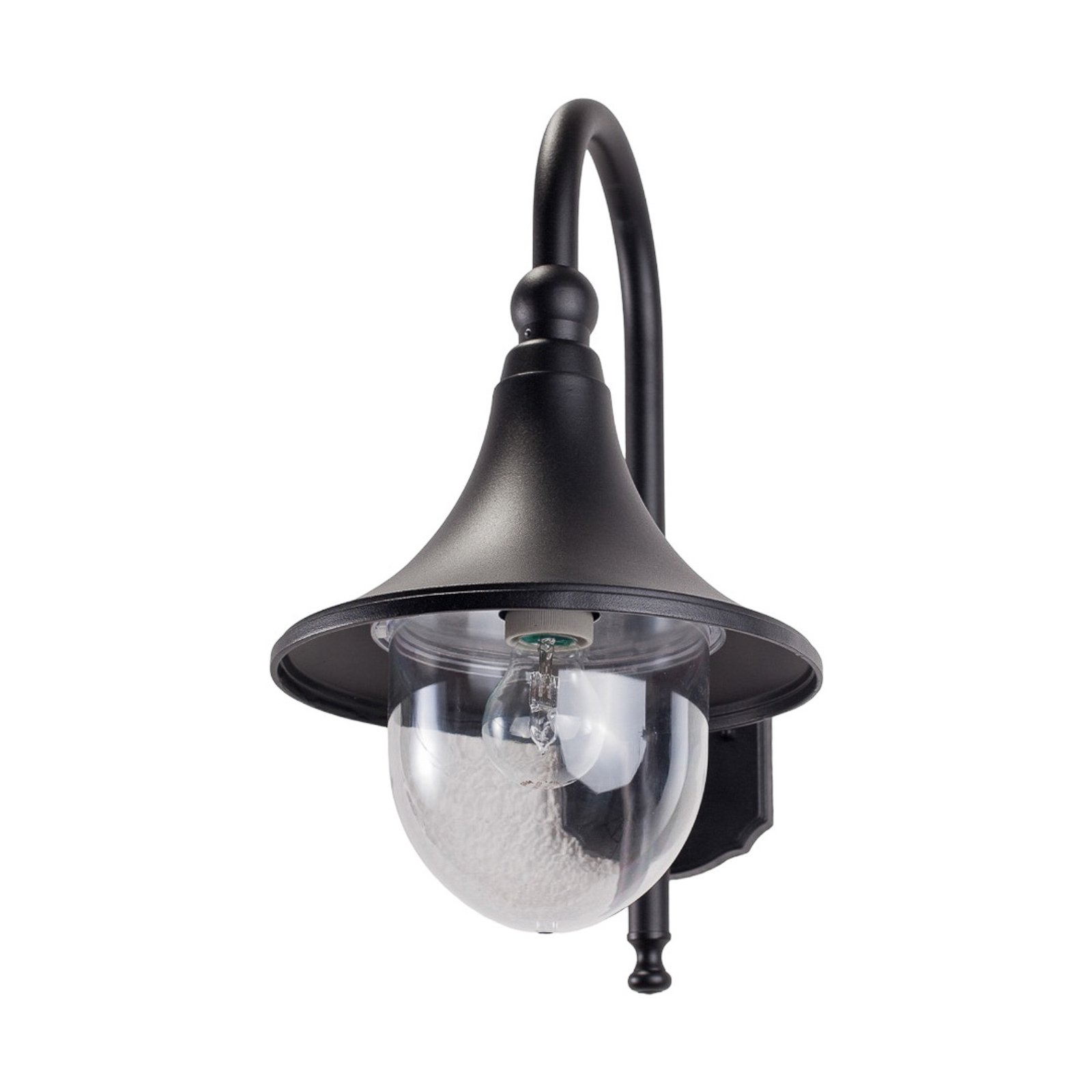
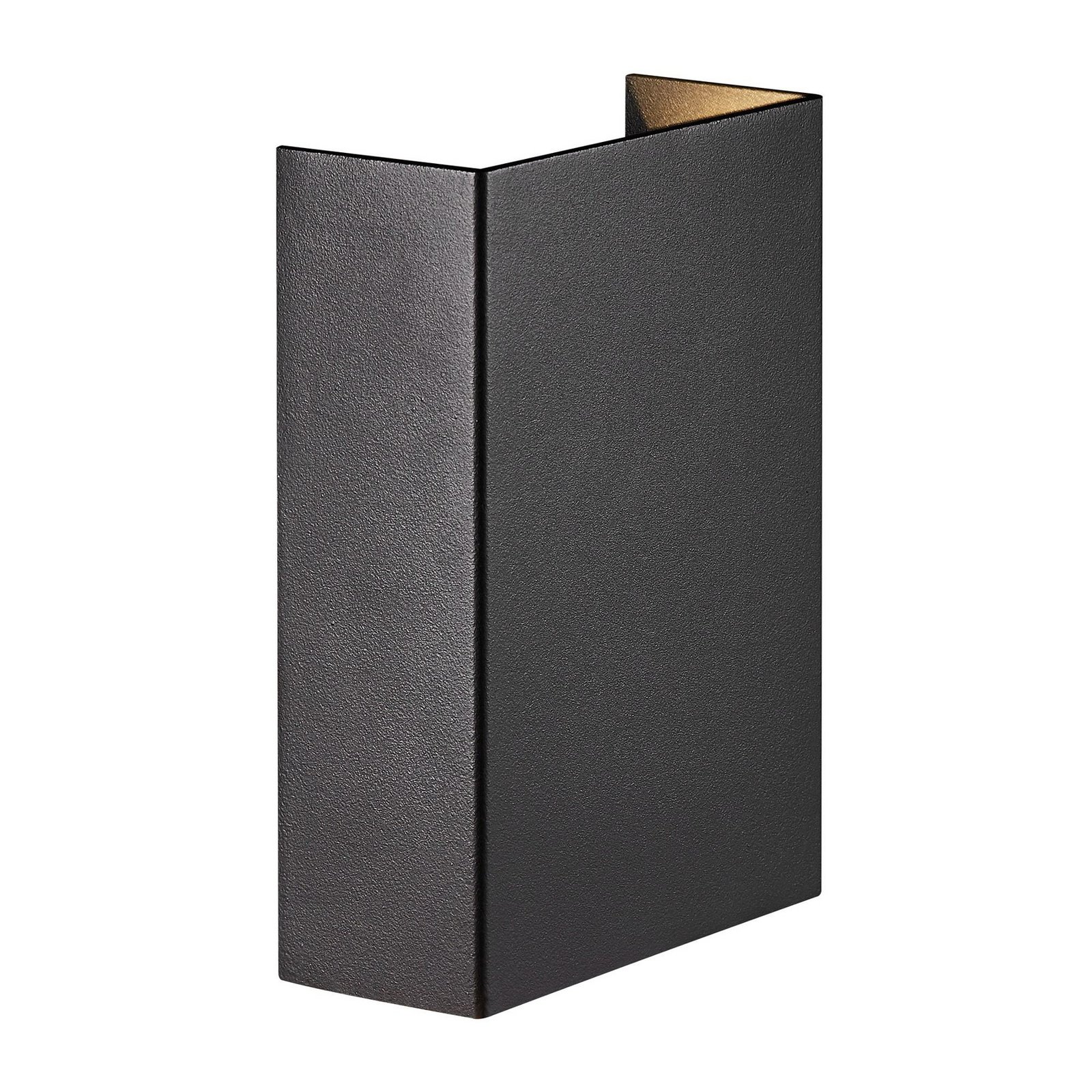
On the façade, wall lights structure the surface vertically. They emphasize materiality, frame openings and guide the eye along the house wall. Under canopies and loggias, ceiling lights create a calm, downward-directed beam of light that defines the entrance area without glare. Proportion, light direction and diffusion quality together determine the effect.
In the entrance area in particular, it is not only the shape that counts, but also the light characteristics. Glare-free light facilitates orientation, has an inviting effect and emphasizes the architecture without appearing dominant. Luminaires with clearly defined light distribution are often the better choice than wide-angle light sources. In this way, the entrance lighting remains functional and at the same time precise in terms of design.
Floor lamps and garden lights for patios and gardens
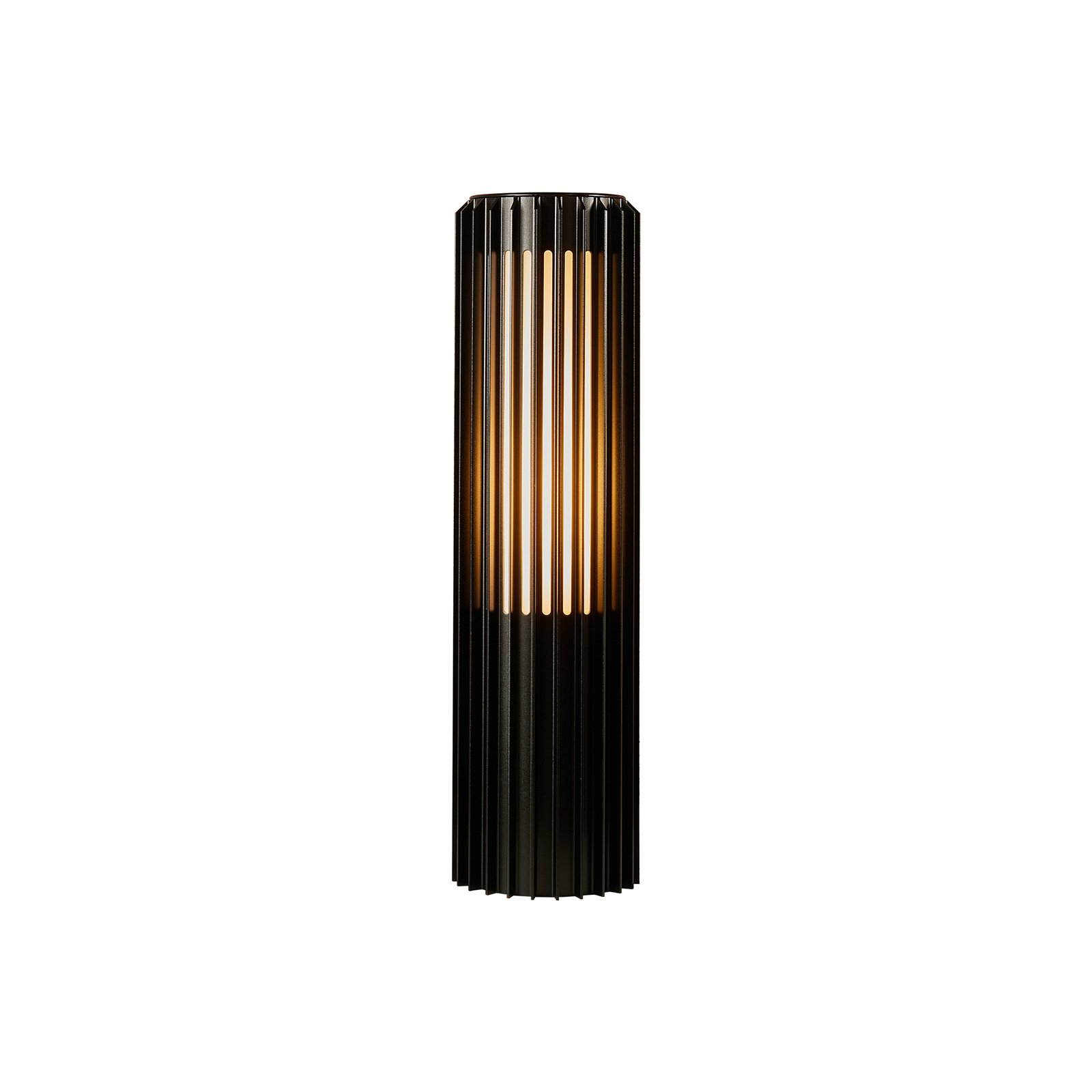
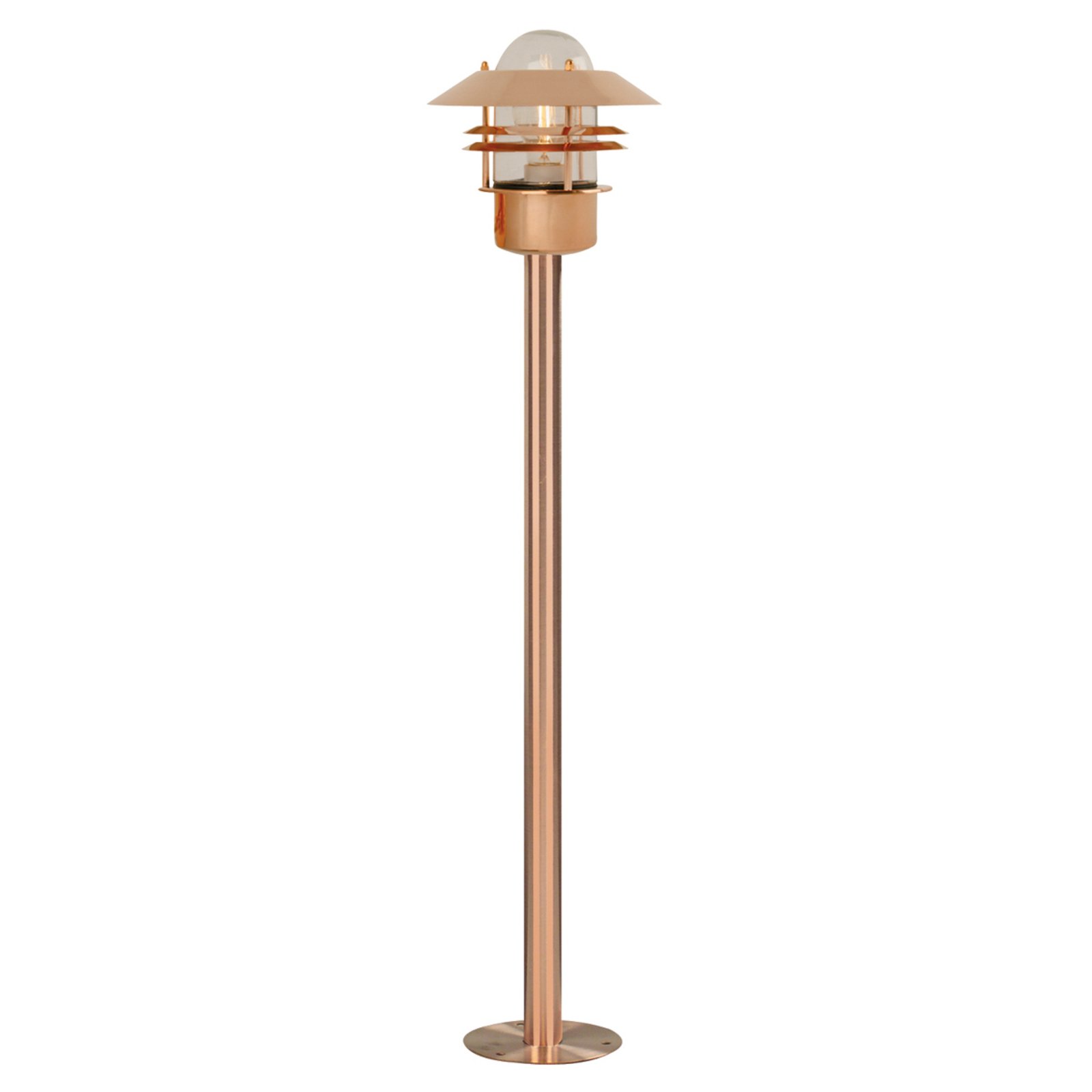
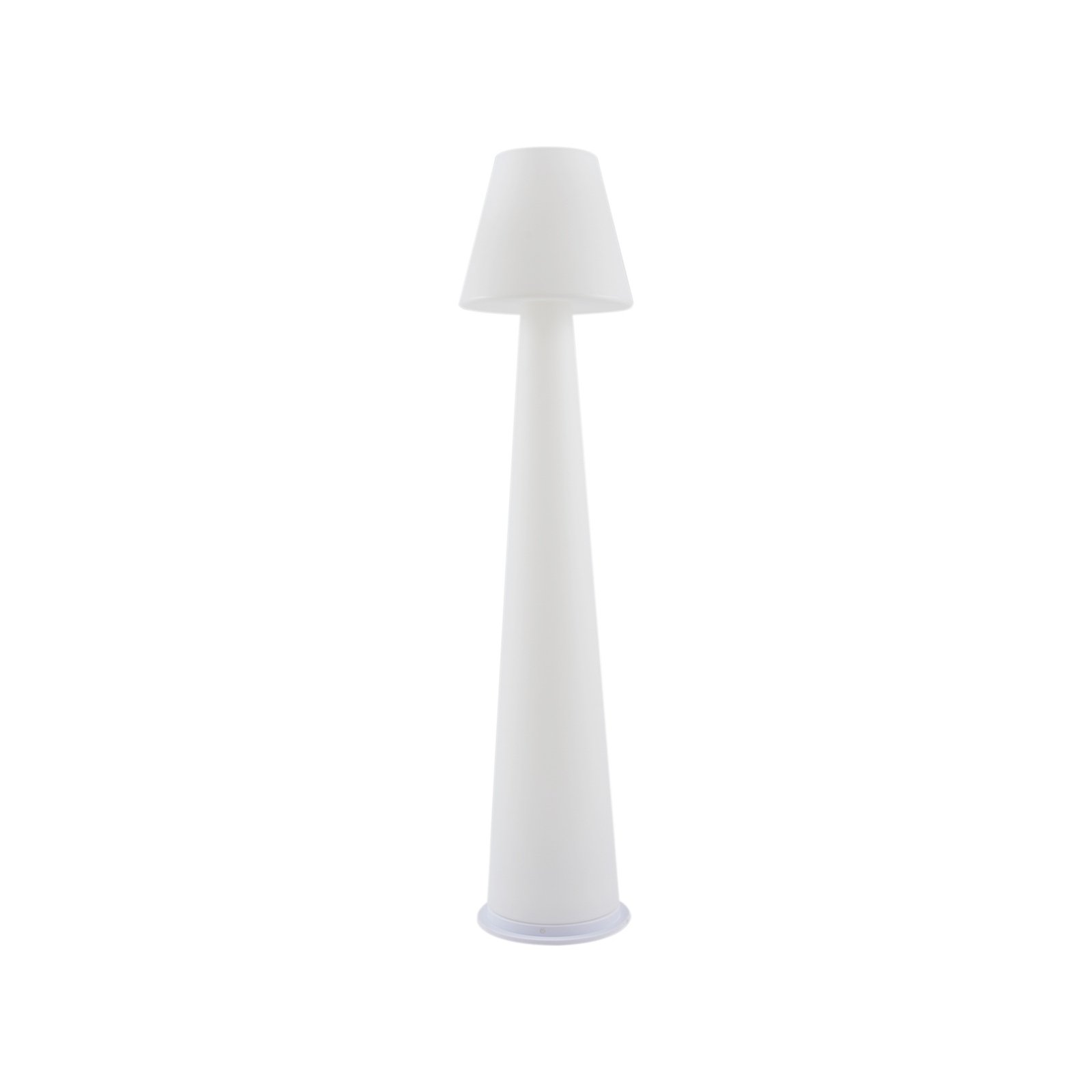
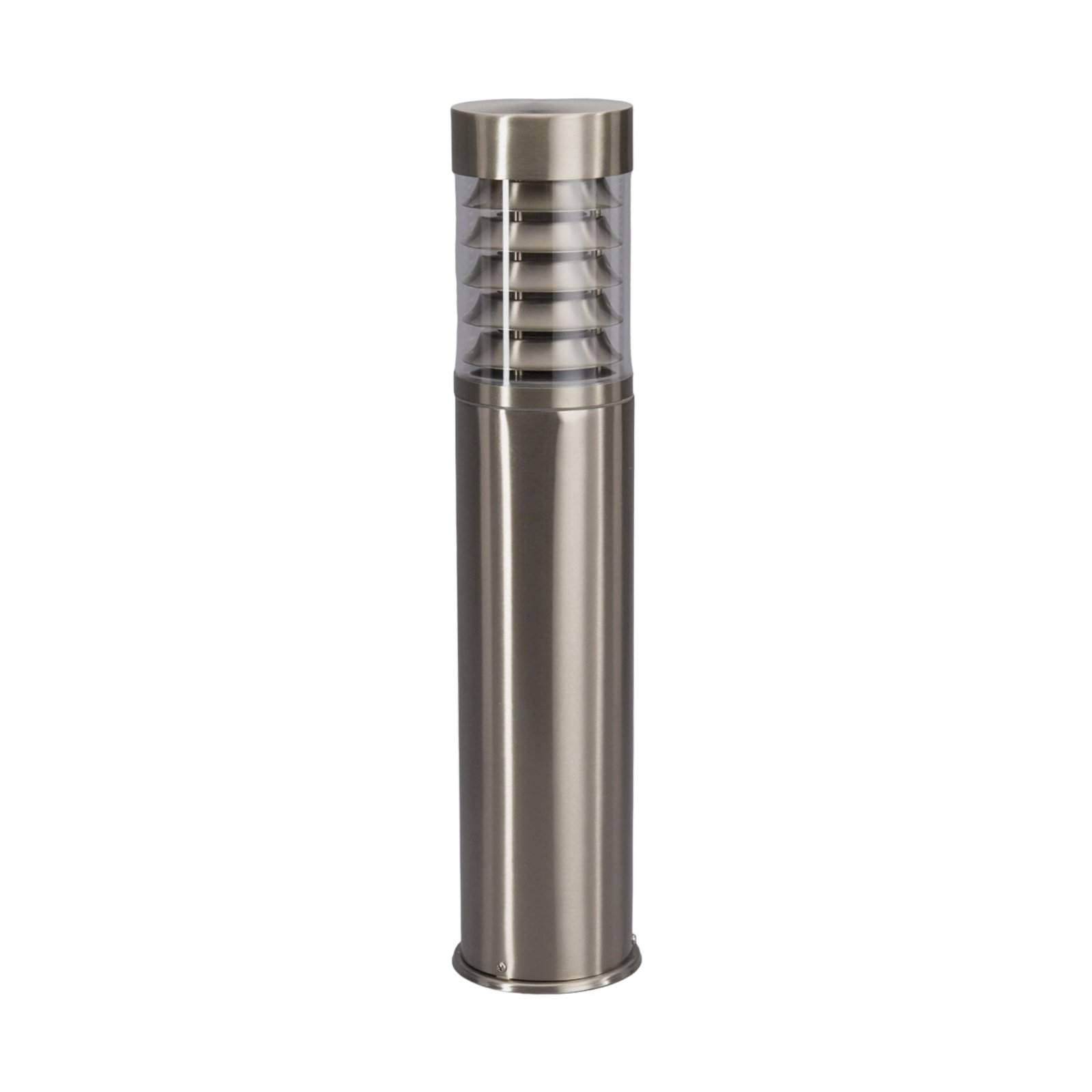
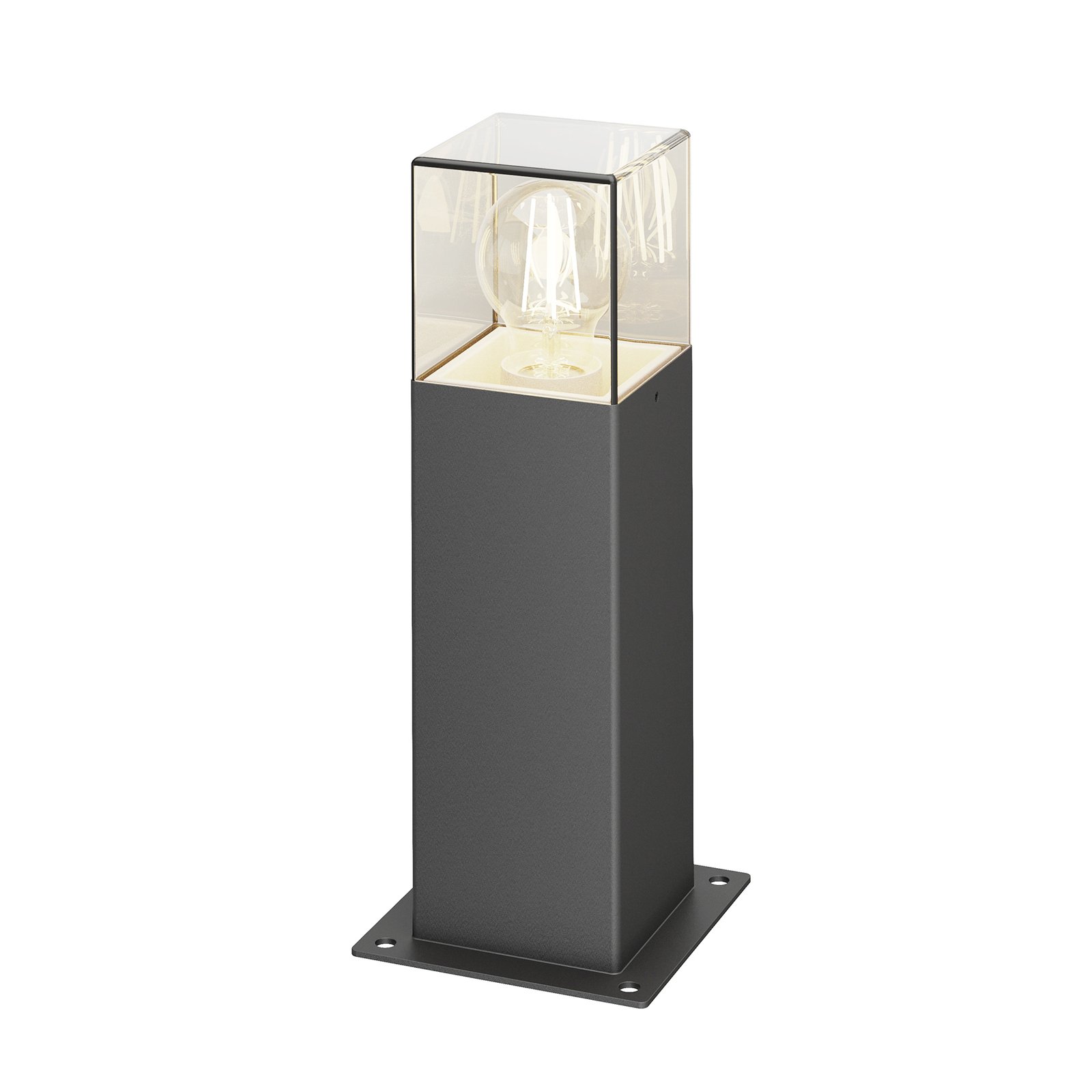
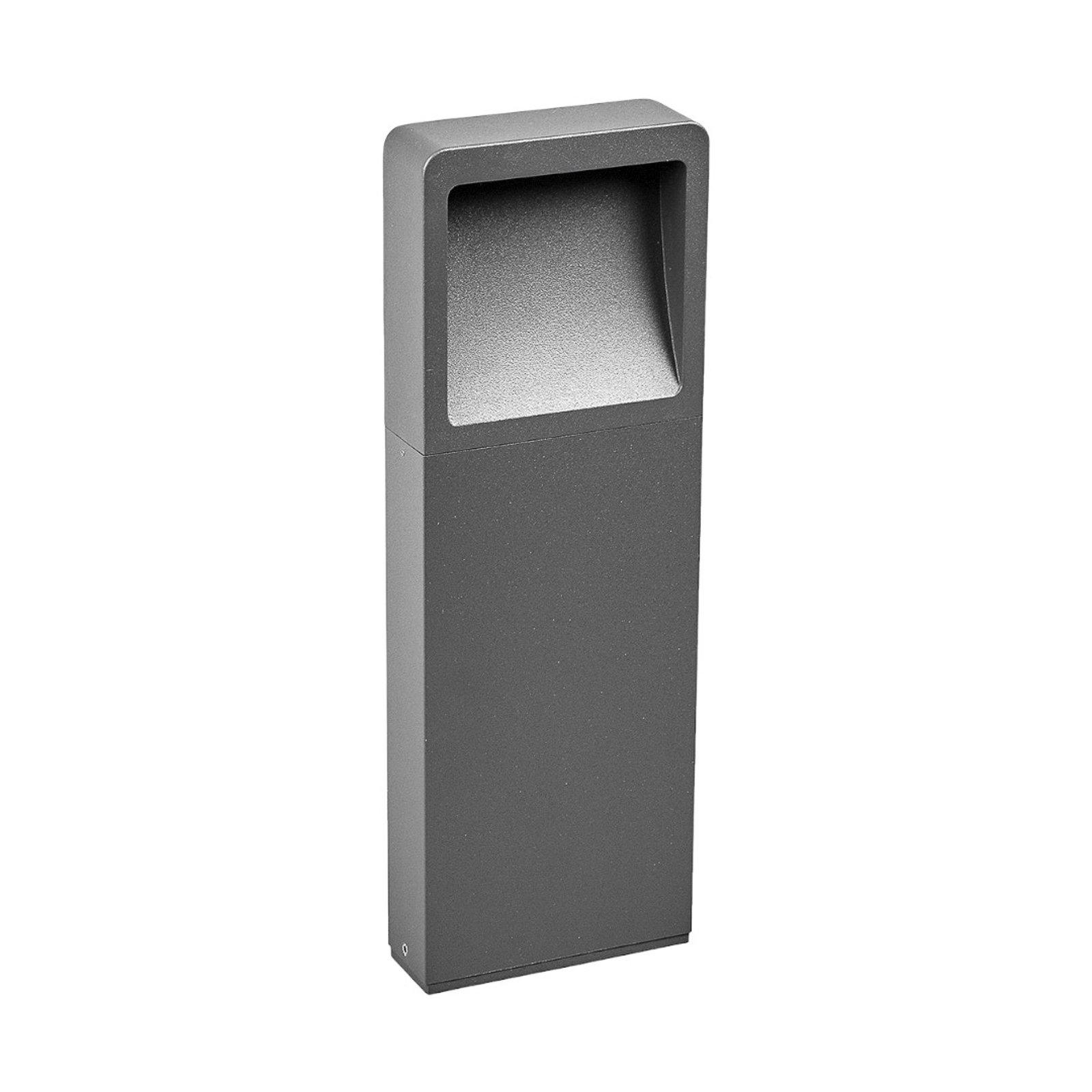
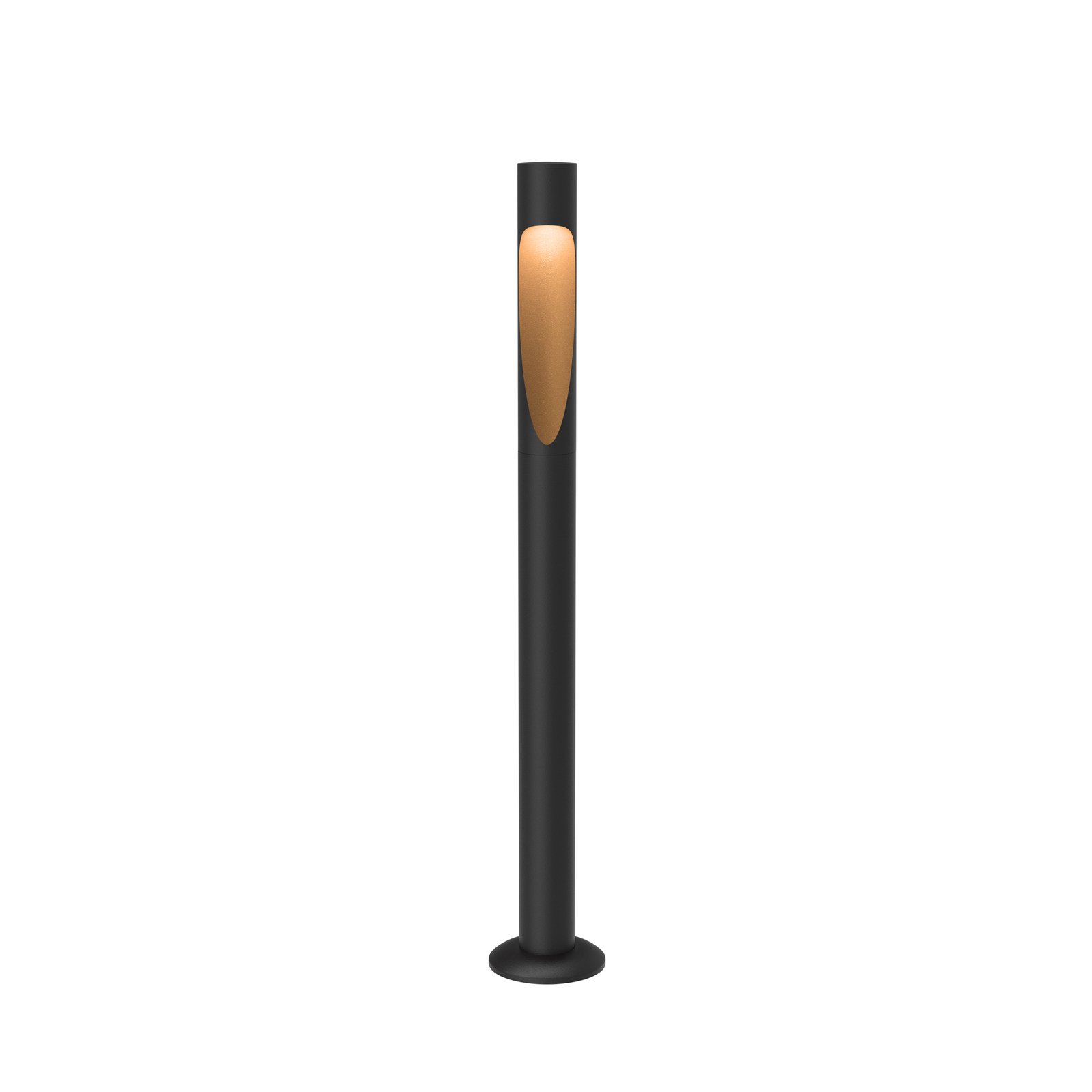
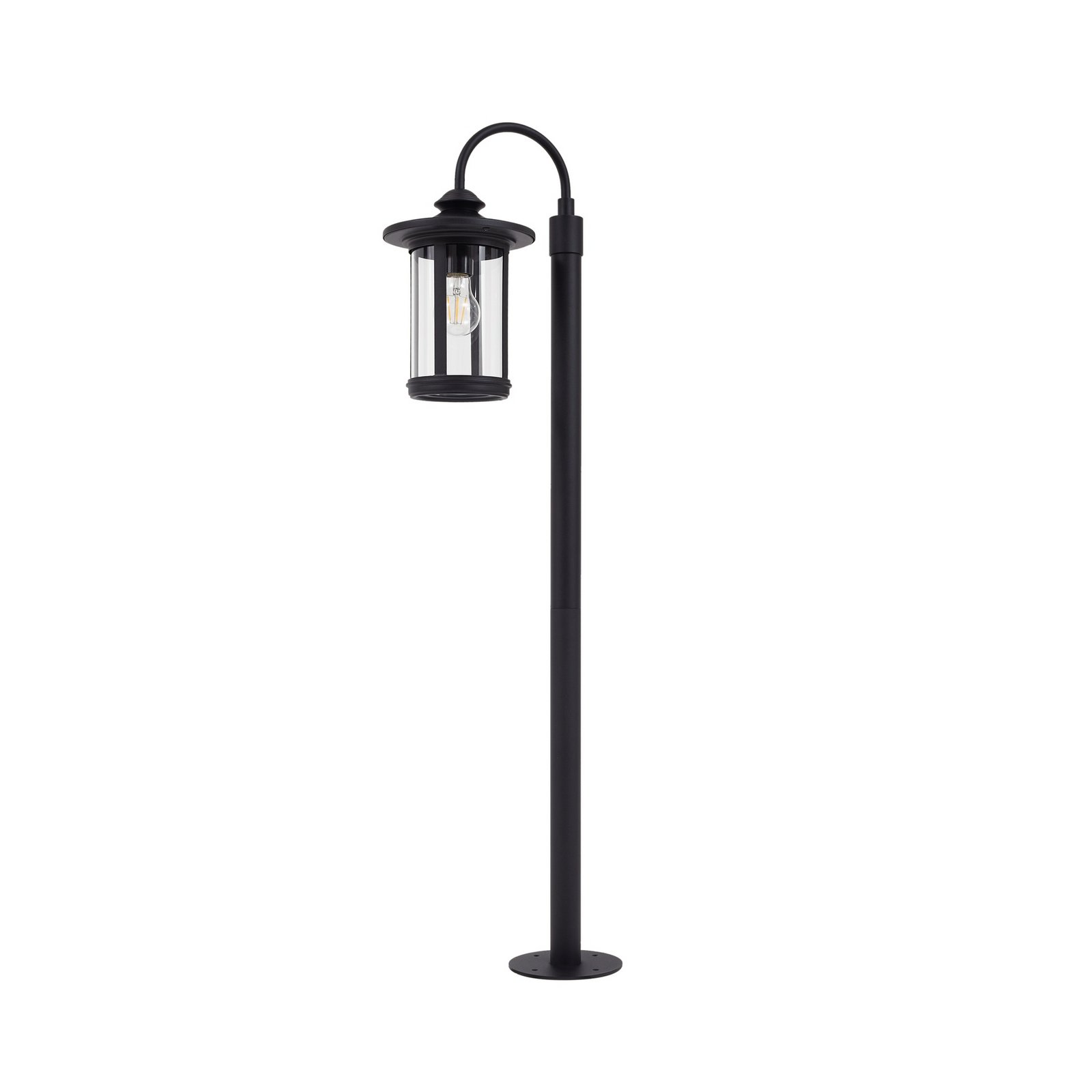
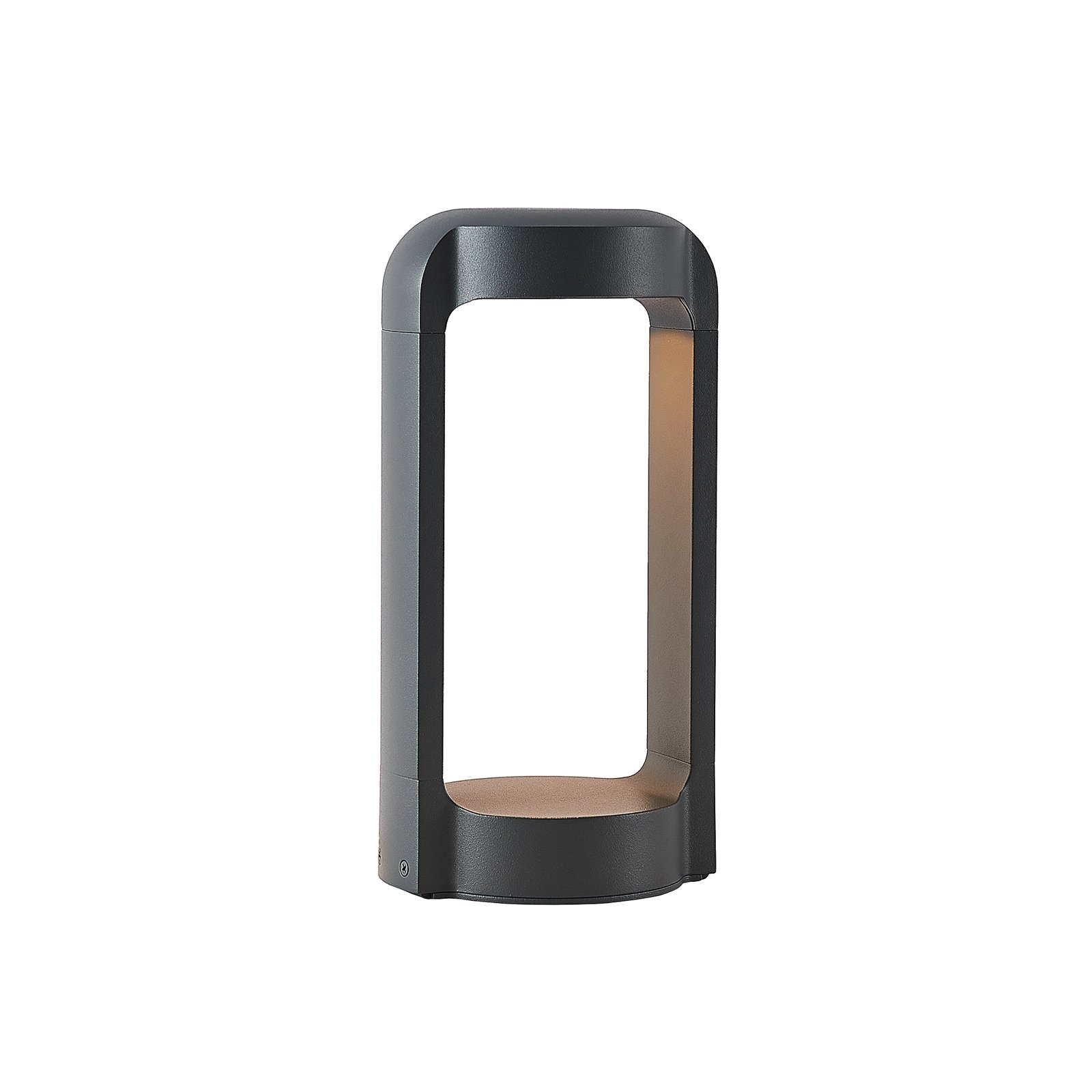
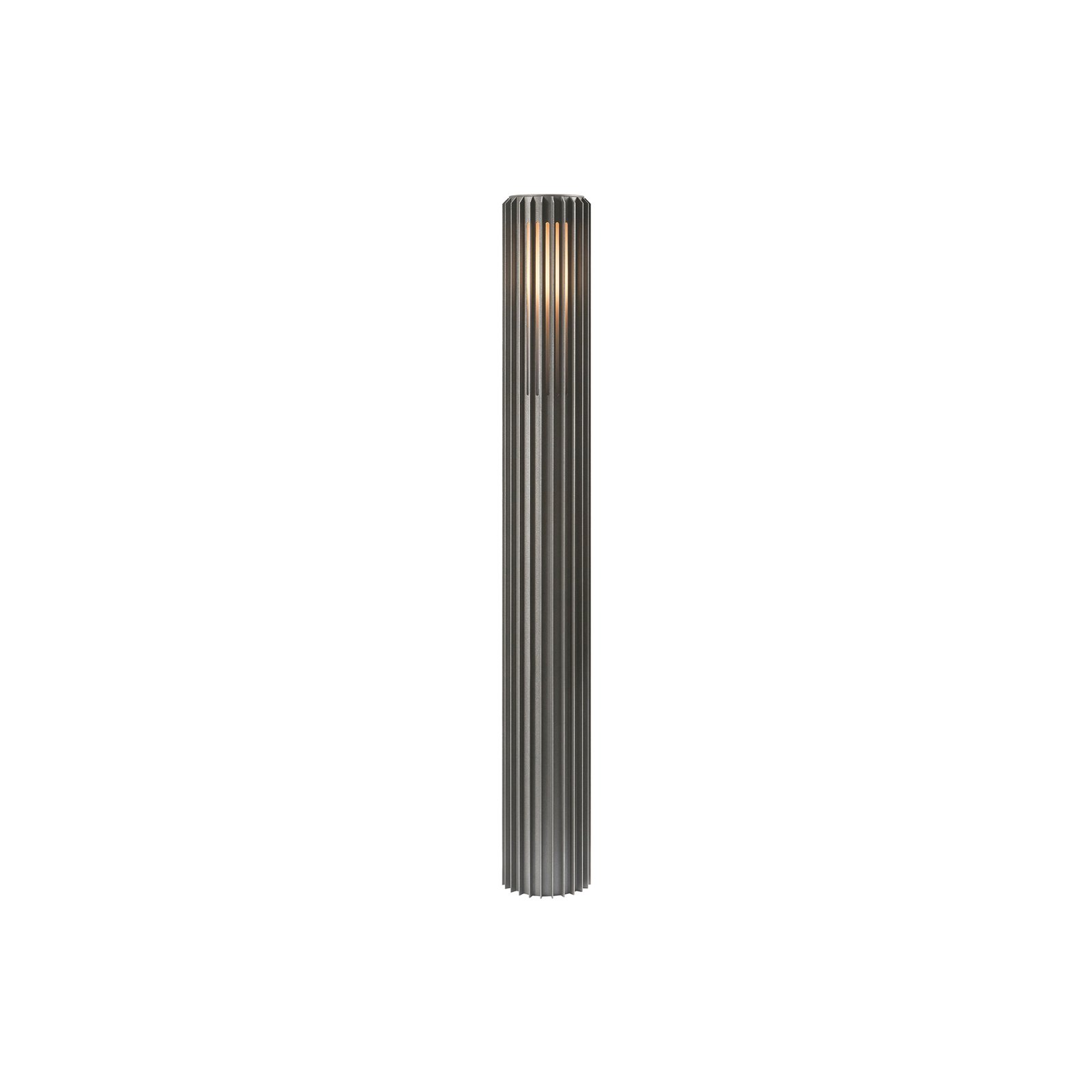
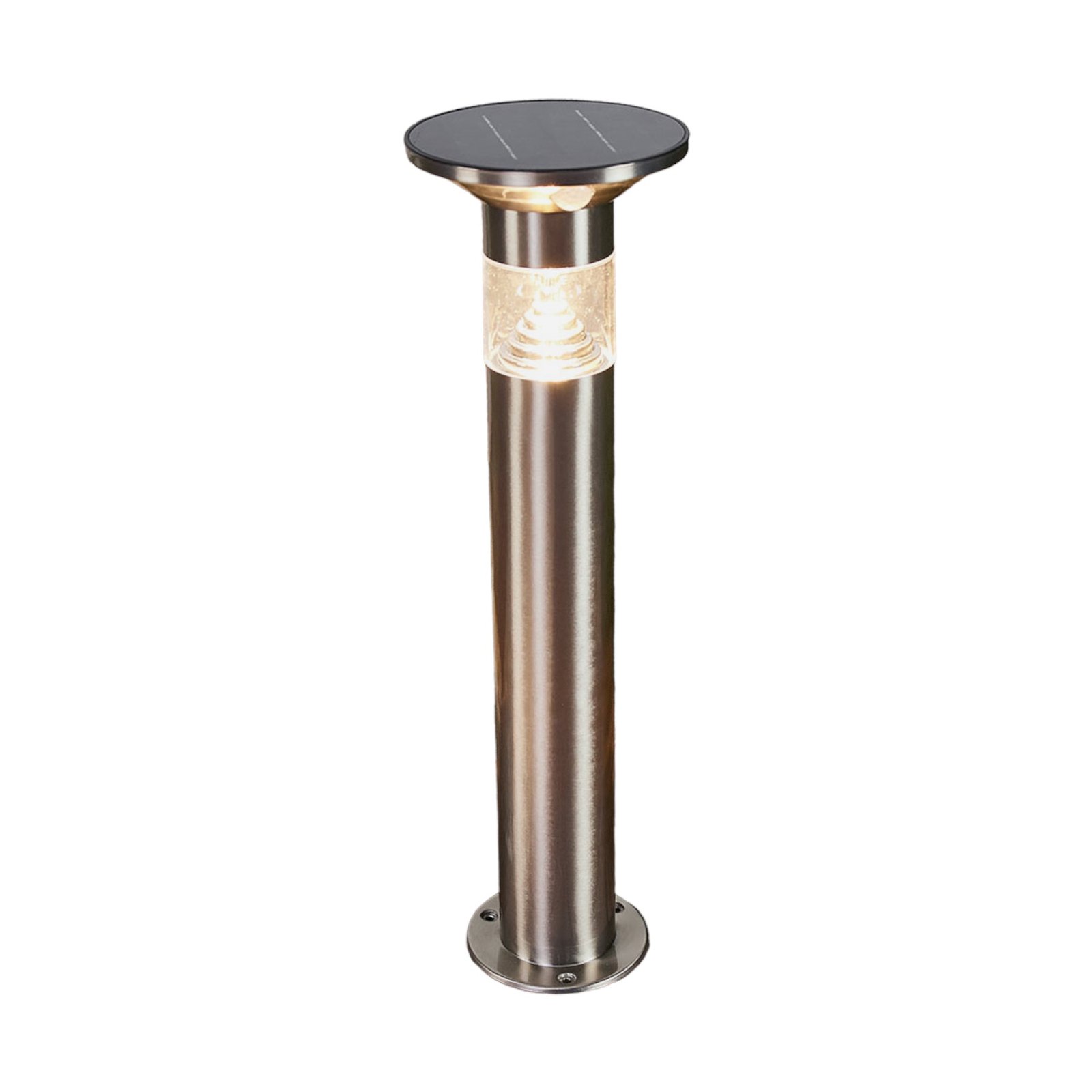
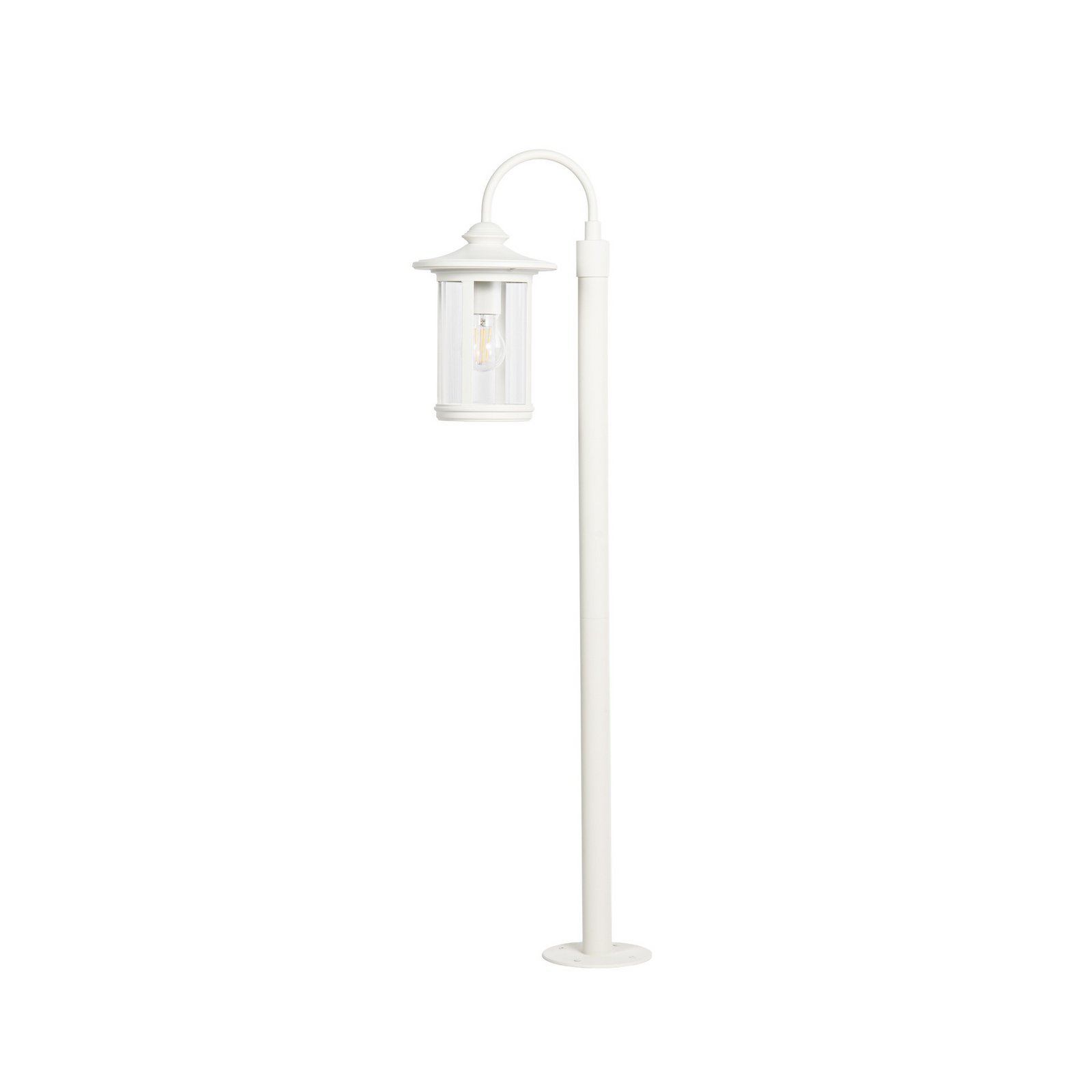
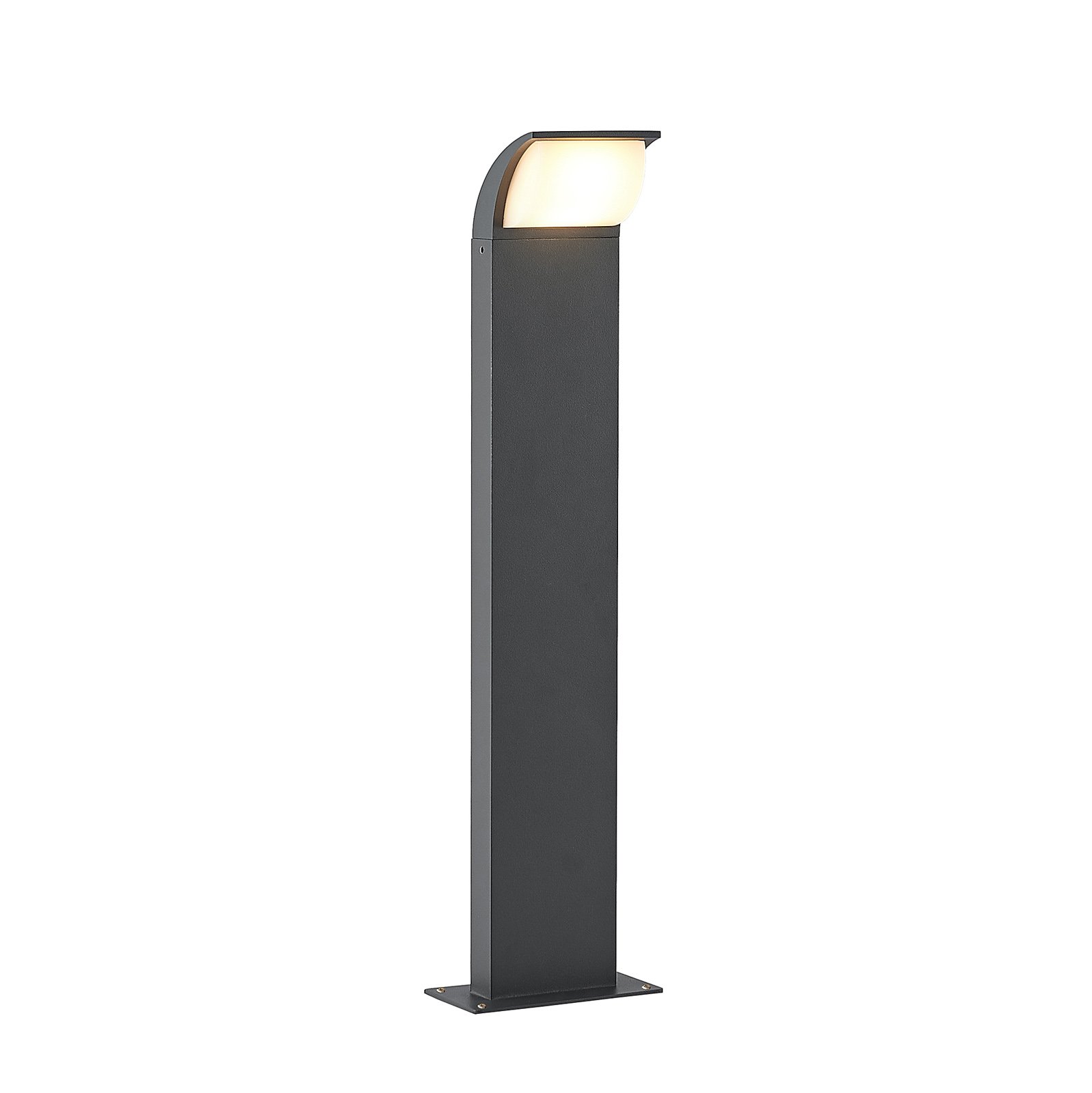
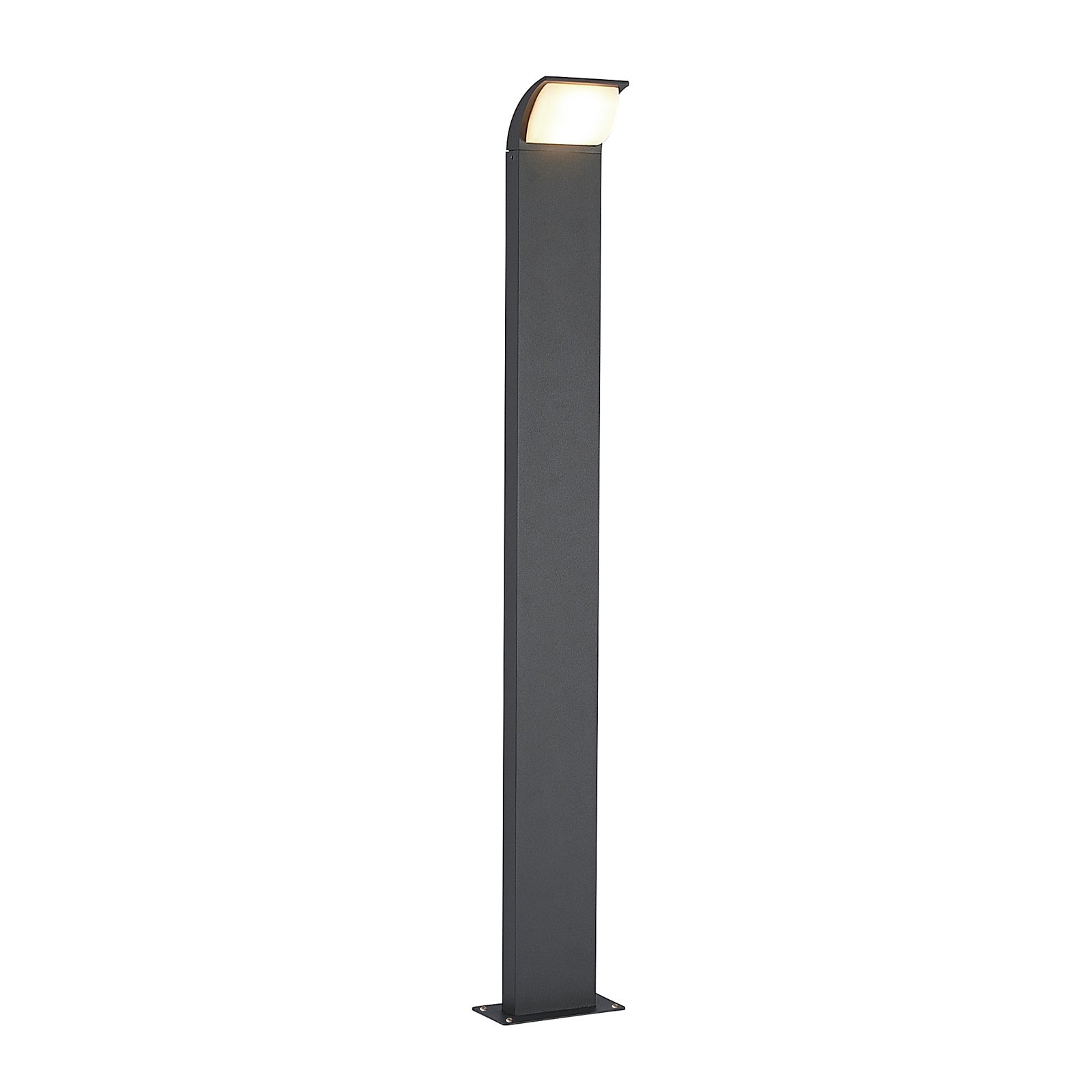
In the garden and on the patio, free-standing luminaires and garden luminaires focus on distance and staggering. They mark out paths, frame seating areas and set the scene for individual structures. It is not only the light cone that shapes the room. The silhouette, base and material surface also remain visible during the day and determine the effect outdoors.
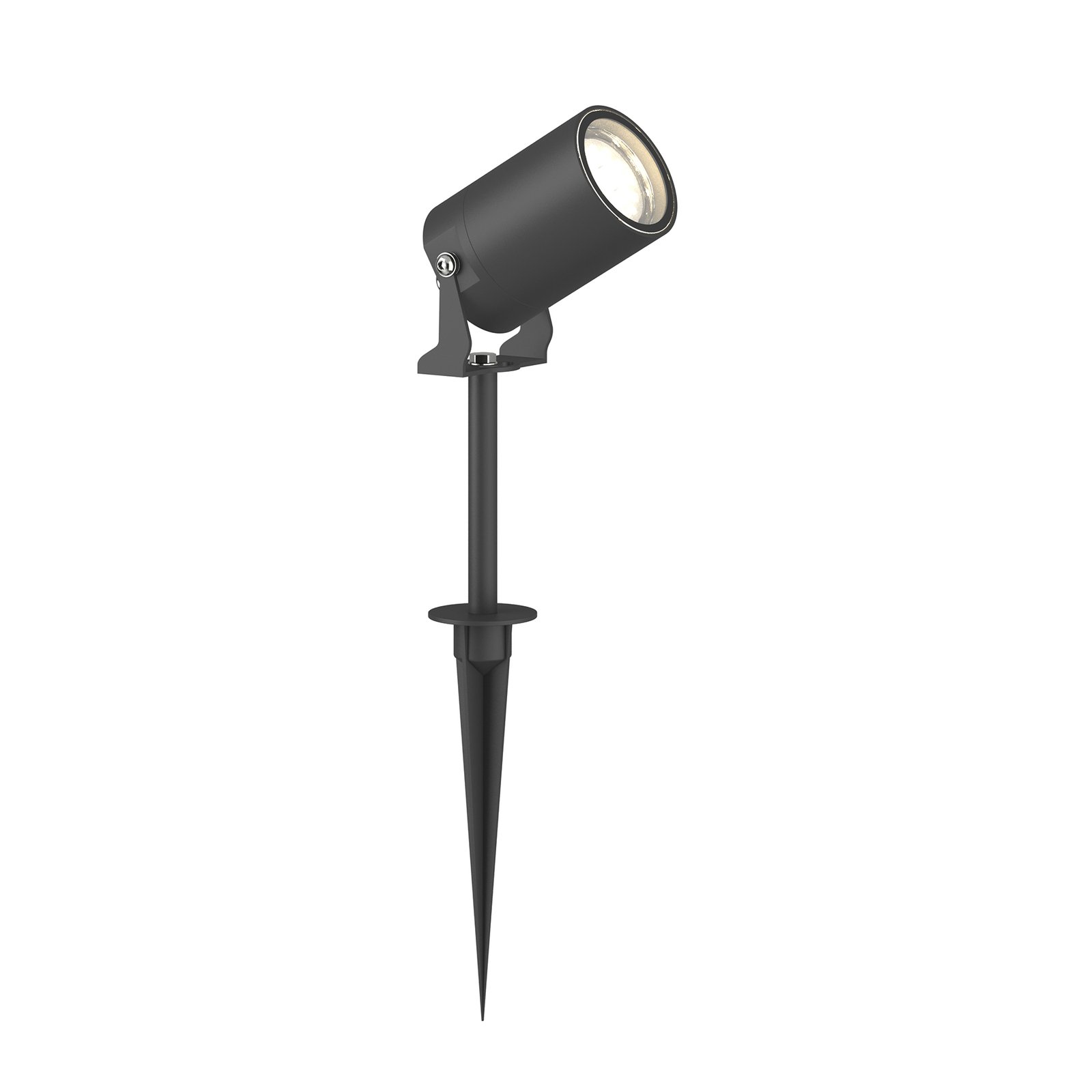
Luminaires along paths and in garden areas in particular show their quality when they do not want to make everything visible at the same time. Individual trees, grasses, walls or flower beds can be specifically highlighted, while other areas deliberately remain in semi-darkness. This creates depth and the outdoor space appears larger, structured and calmer. On patios, discreet patio lighting is often more effective than a strong central light source because it creates proximity and makes the stay more pleasant.
LED outdoor lights: Precise light for an atmospheric effect outdoors
Modern LED technology expands the possibilities in outdoor areas, primarily through precise lighting control. Small light sources enable slim housings and targeted light control, which would be more difficult to achieve with conventional technology. Warm white is often used in private areas. The color of light influences how materials, plants and surfaces are perceived at night.
For exposed mounting positions, the IP protection class is a decisive technical parameter. It determines whether weatherproof models are permanently protected against moisture and dirt and retain their appearance in the long term. The general guideline for outdoor areas is 100 to 150 lumens per square meter. Control via a dimming function or motion detector enables situational adjustments without changing the basic design effect. Energy efficiency and durability are also relevant for the selection. LED outdoor lights consume little power, have a long service life and significantly reduce maintenance costs.
Scandinavian and international brands: Outdoor lights with attitude
Brands such as Artemide, Flos and Luceplan characterize a design language in which reduction and precision work closely together. Their outdoor lamps follow the same formal rigor as their indoor lights, but remain independent in their choice of materials, surface treatment and construction, as they have to withstand permanent weathering.
Scandinavian outdoor lights, for example from brands such as Nordlux or Louis Poulsen, have a different focus. Their shapes appear calmer, the materials more natural and more closely related to their surroundings and the light image has a softer radiance. Both design traditions are united by a clear creative standard, one through precision, the other through restraint. Exterior light is not seen as an extension of the interior, but as a design task in its own right with its own standards for space, material and effect.
Designer lights for outdoors at Lampenmeister: range and selection
The range at Lampenmeister covers outdoor lamps for façades, entrances, patios, gardens and paths and includes solar lights that blend into the overall design without relying on fixed infrastructure. The spectrum ranges from reduced individual objects from international design brands to lighting lines developed for joint use in outdoor areas.
The selection is suitable both for a single lighting object and for a coherent lighting concept across several areas. Those who combine different types of lights will find lines in the range that are formally coordinated with each other, so that wall lights, floor lamps and garden lights appear as a coherent design. Designer outdoor lights from our curated range can be combined to create a harmonious lighting scheme for any outdoor area.
© 2026 Lampemesteren GmbH