
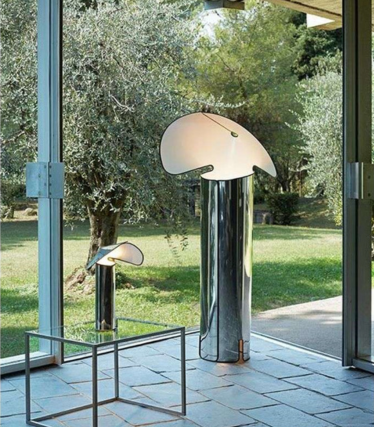
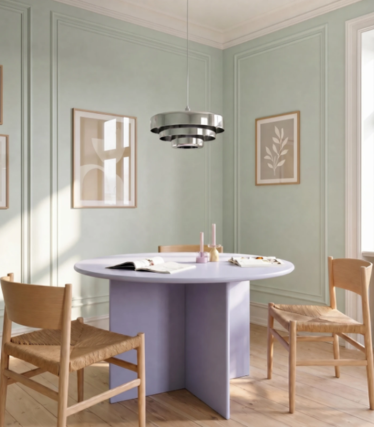
Filter and sort
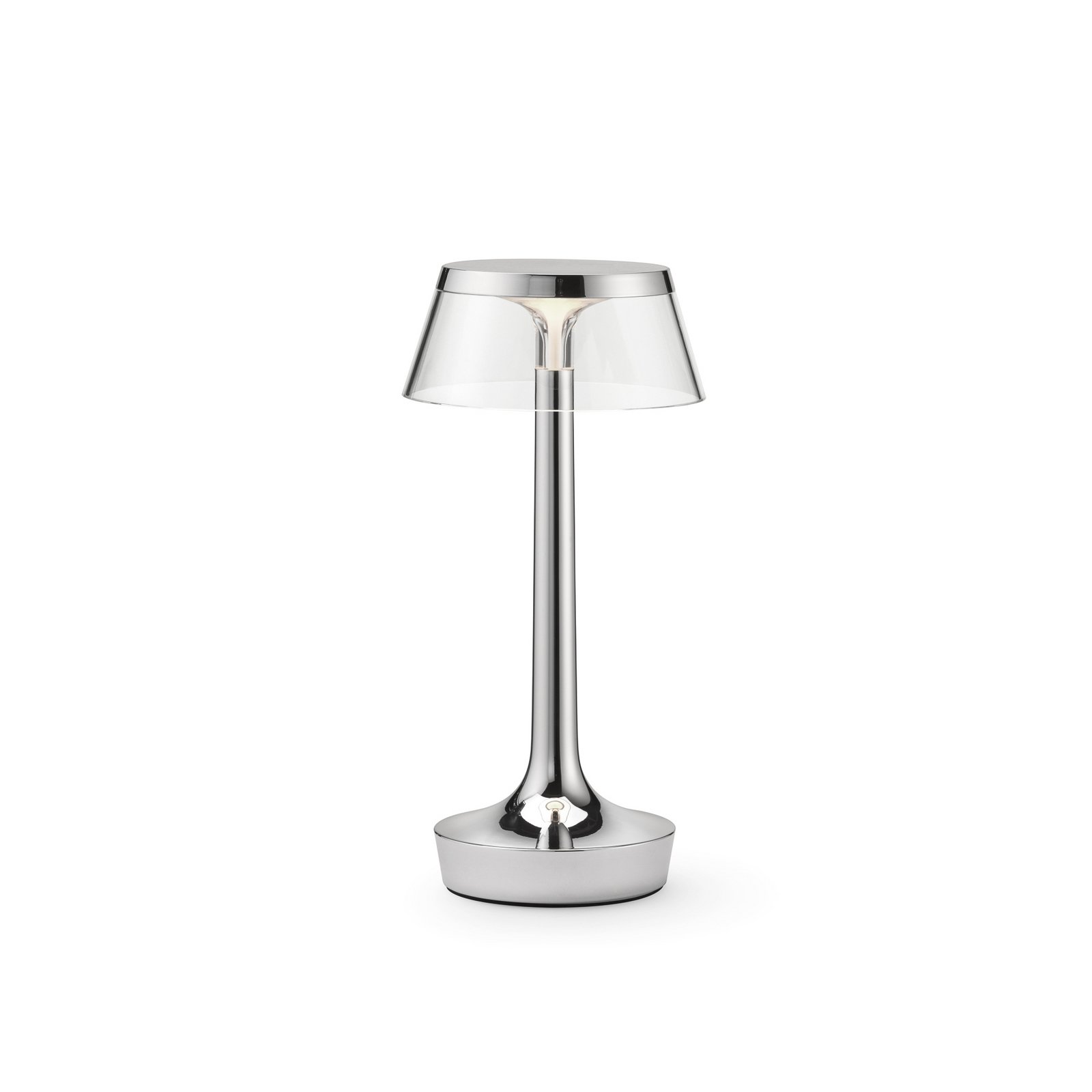
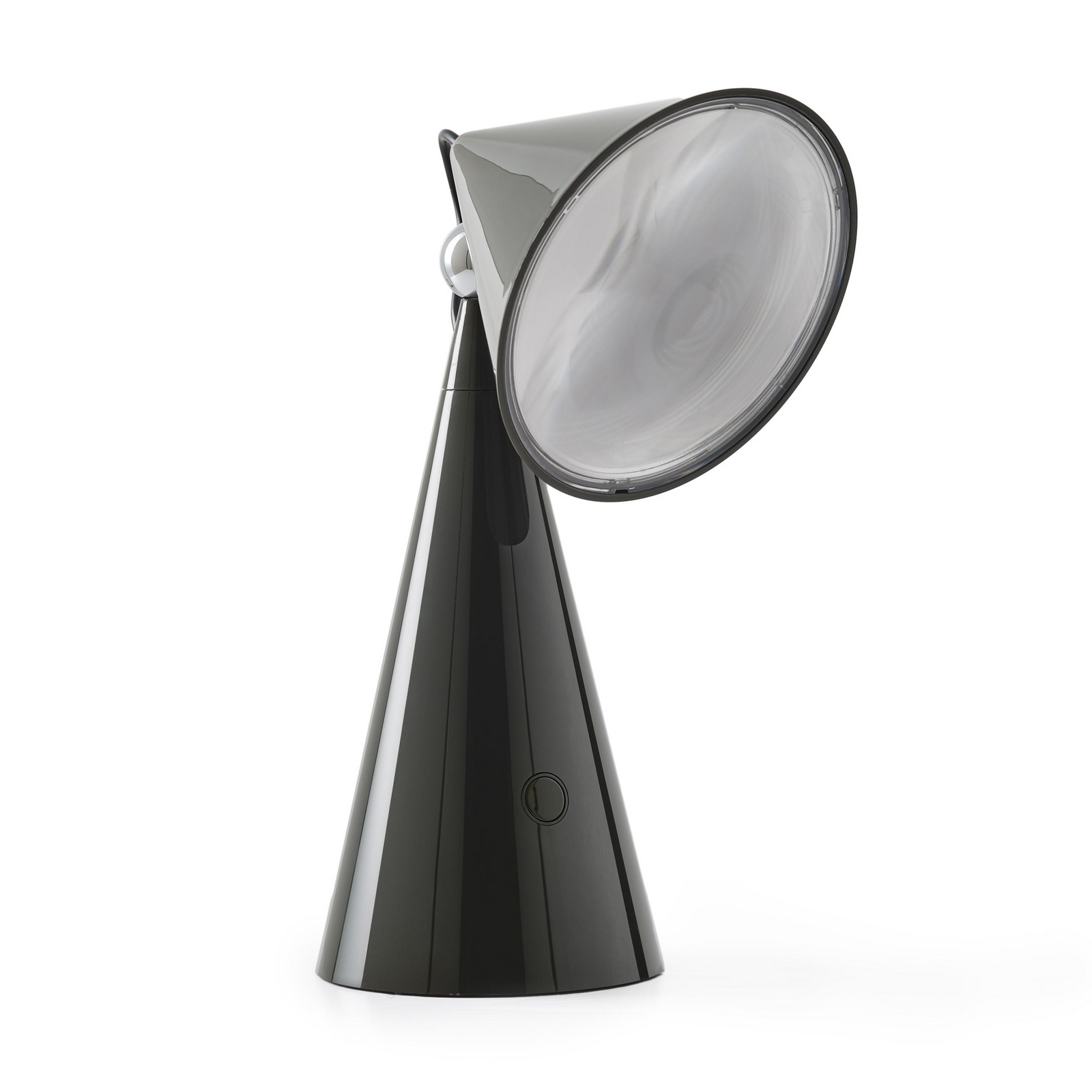
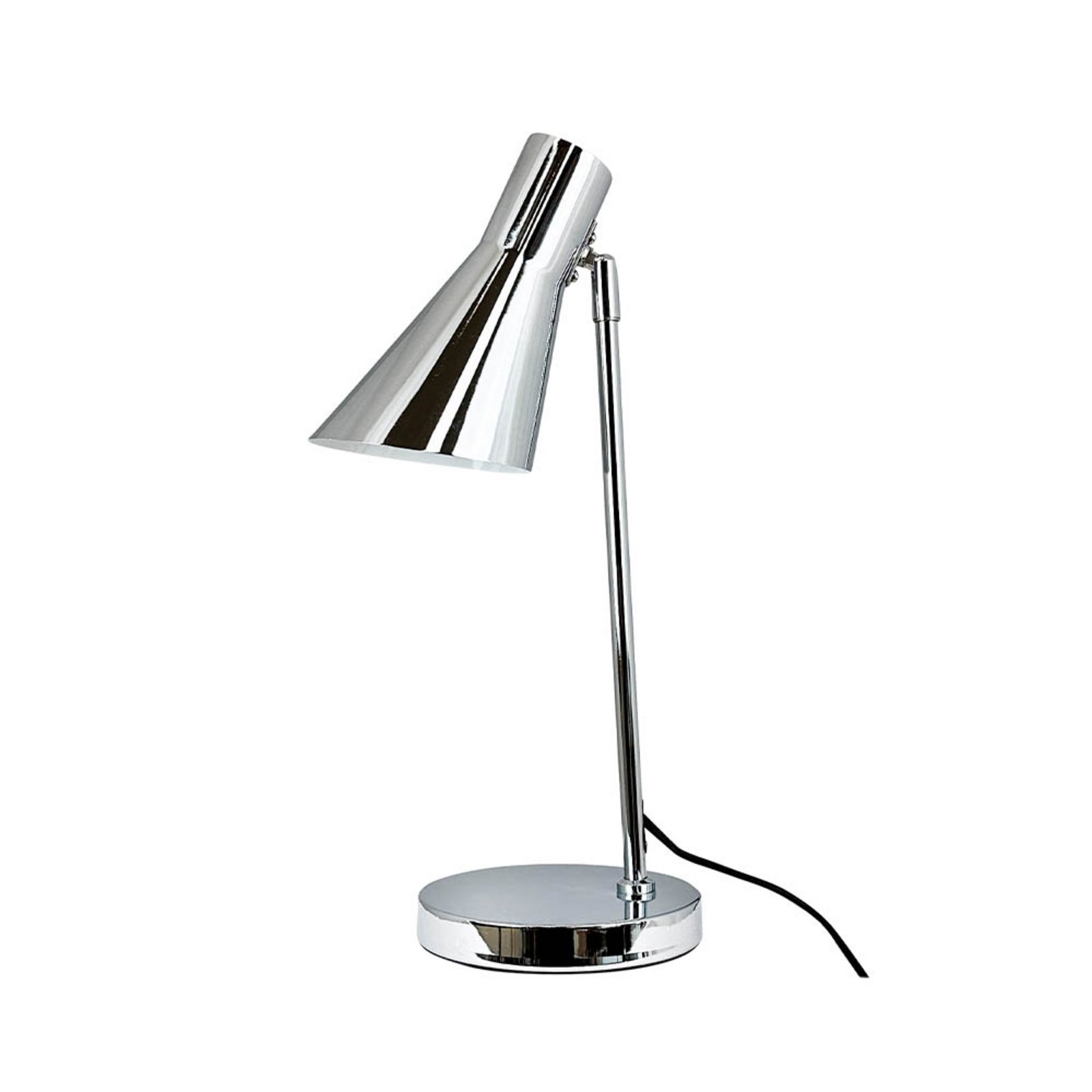
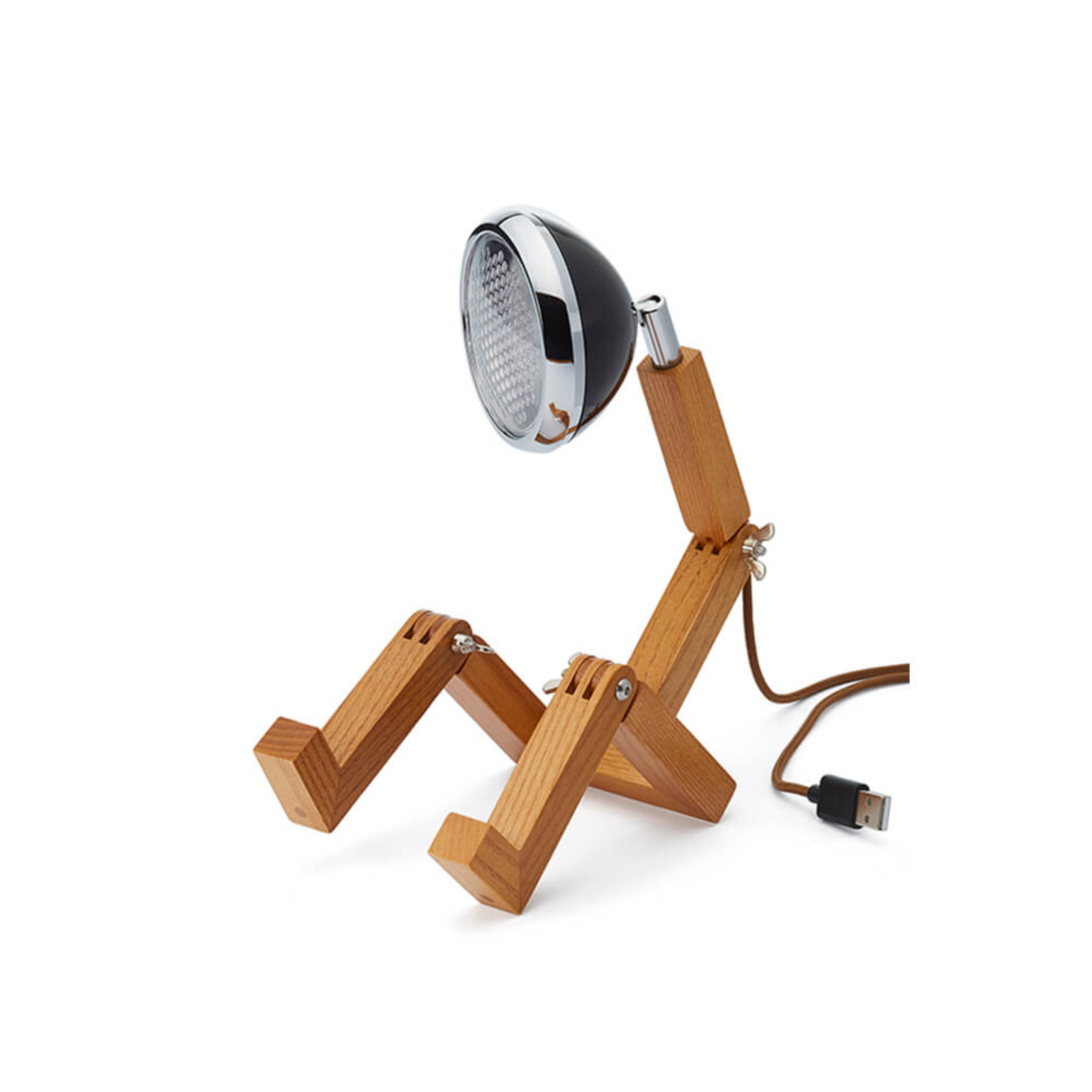
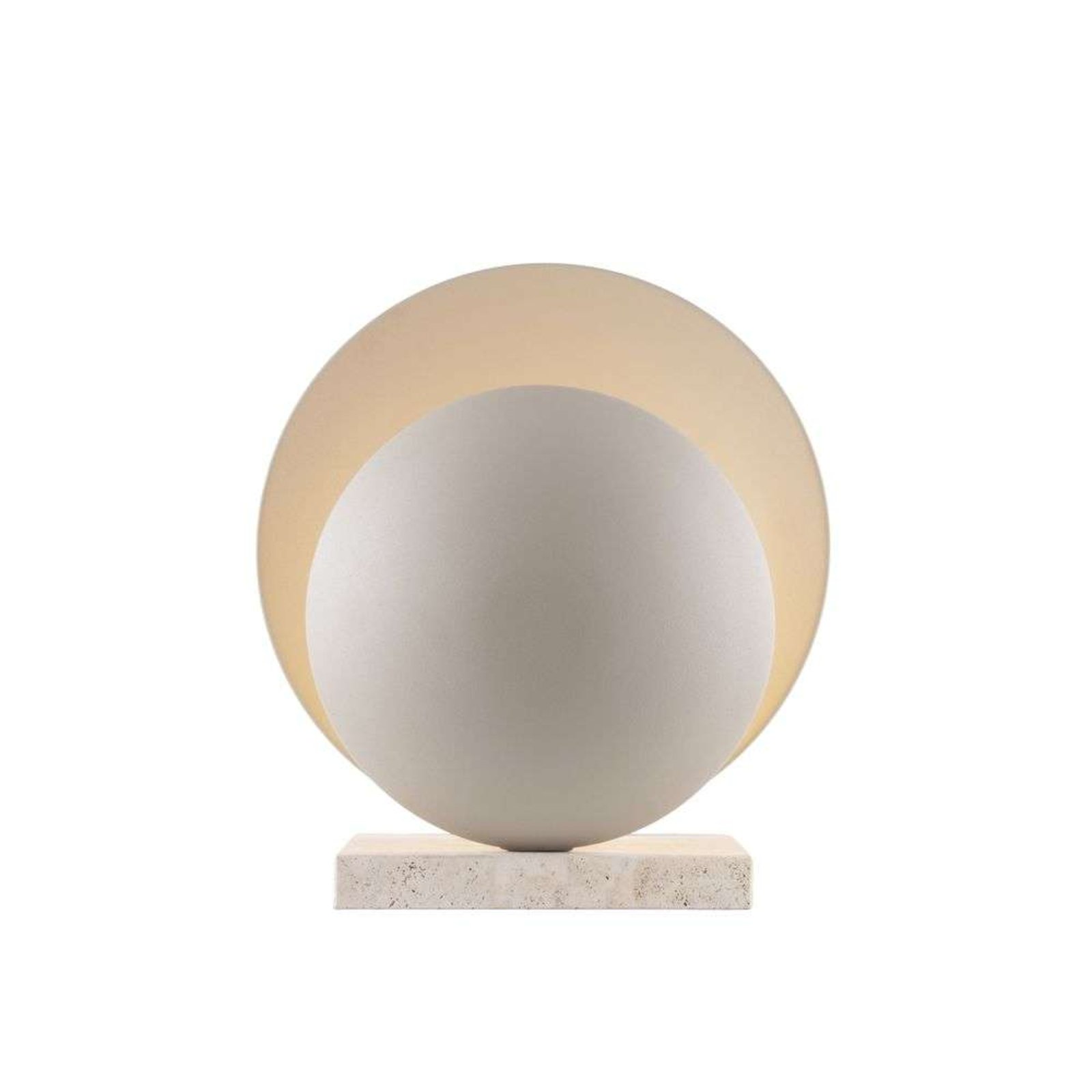
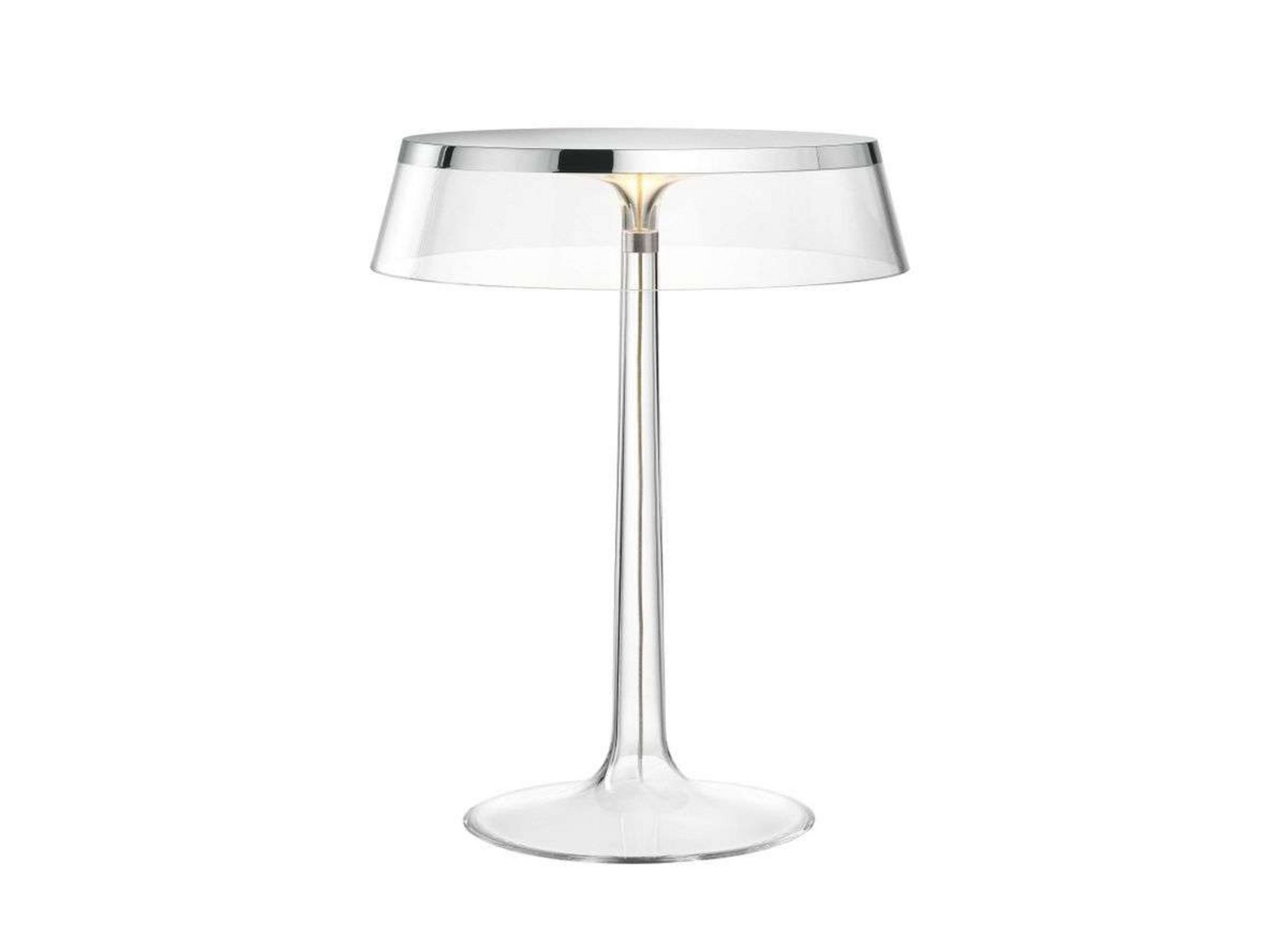
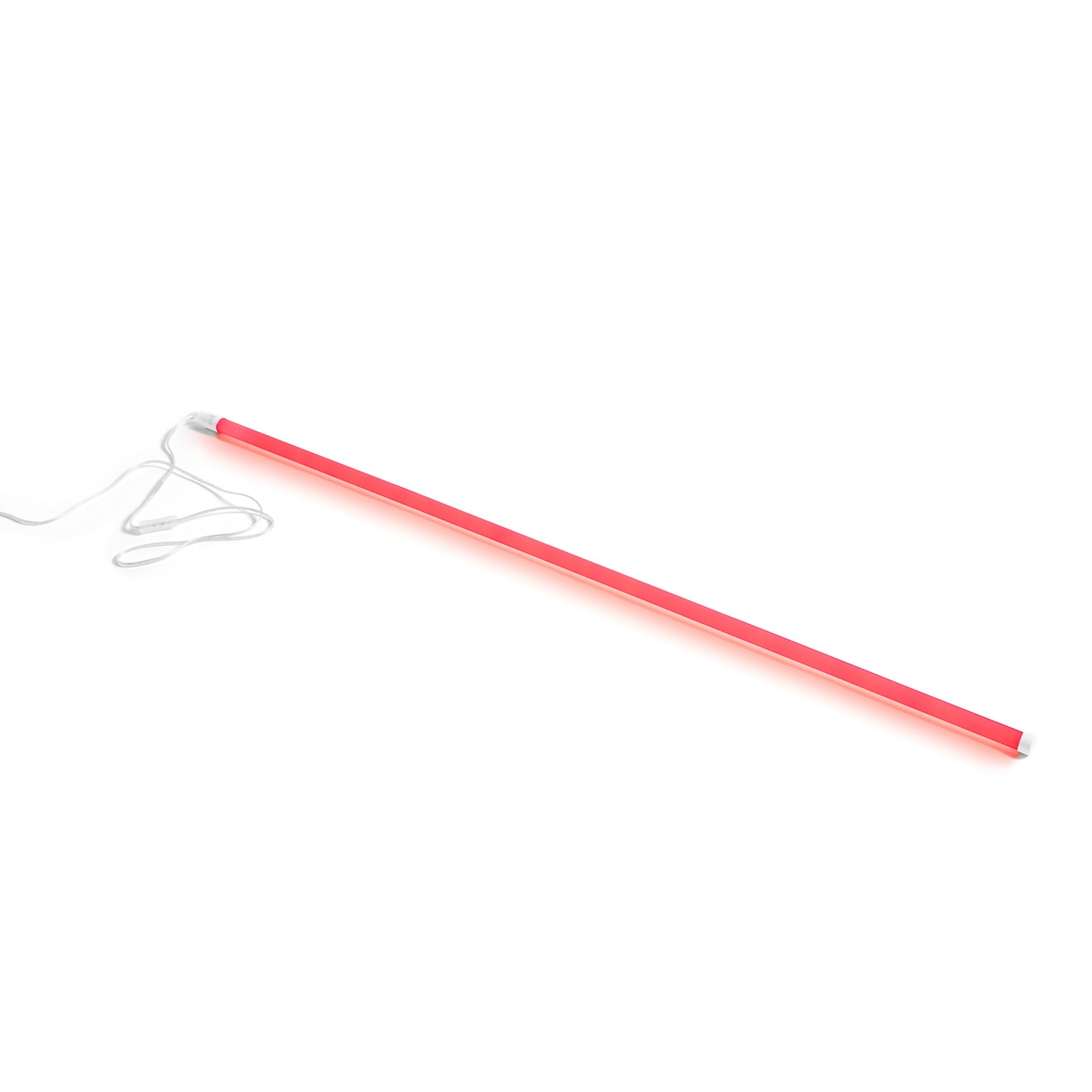
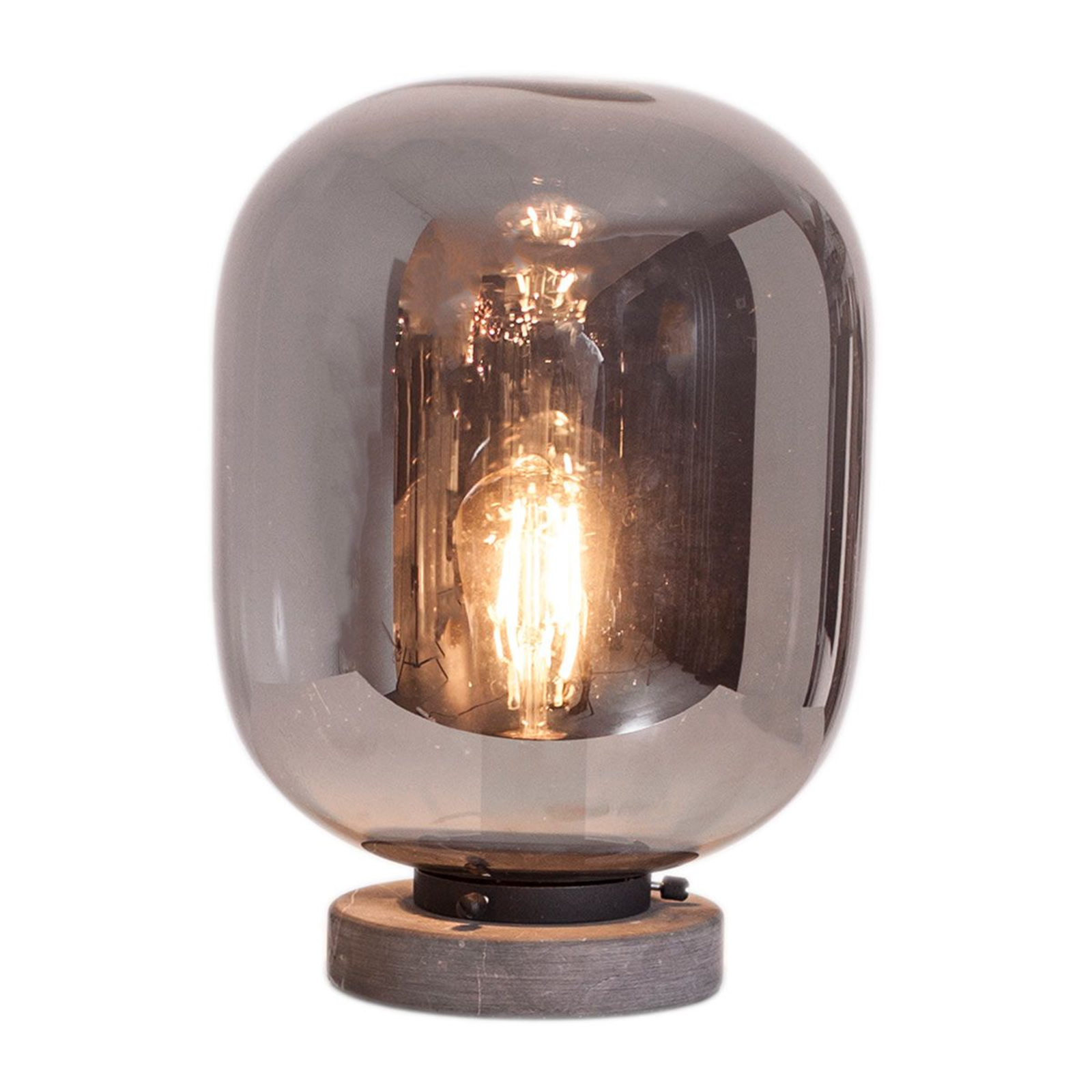
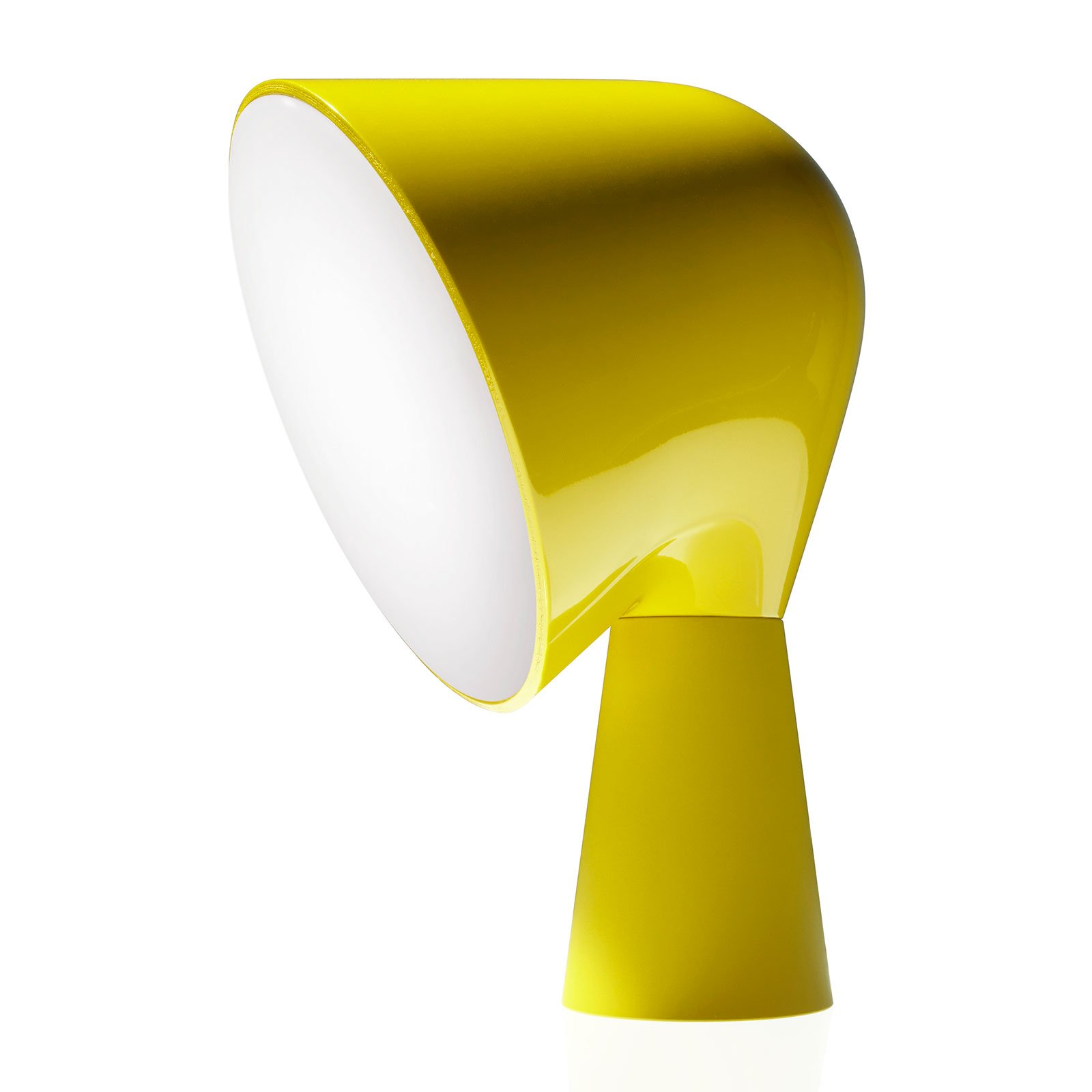
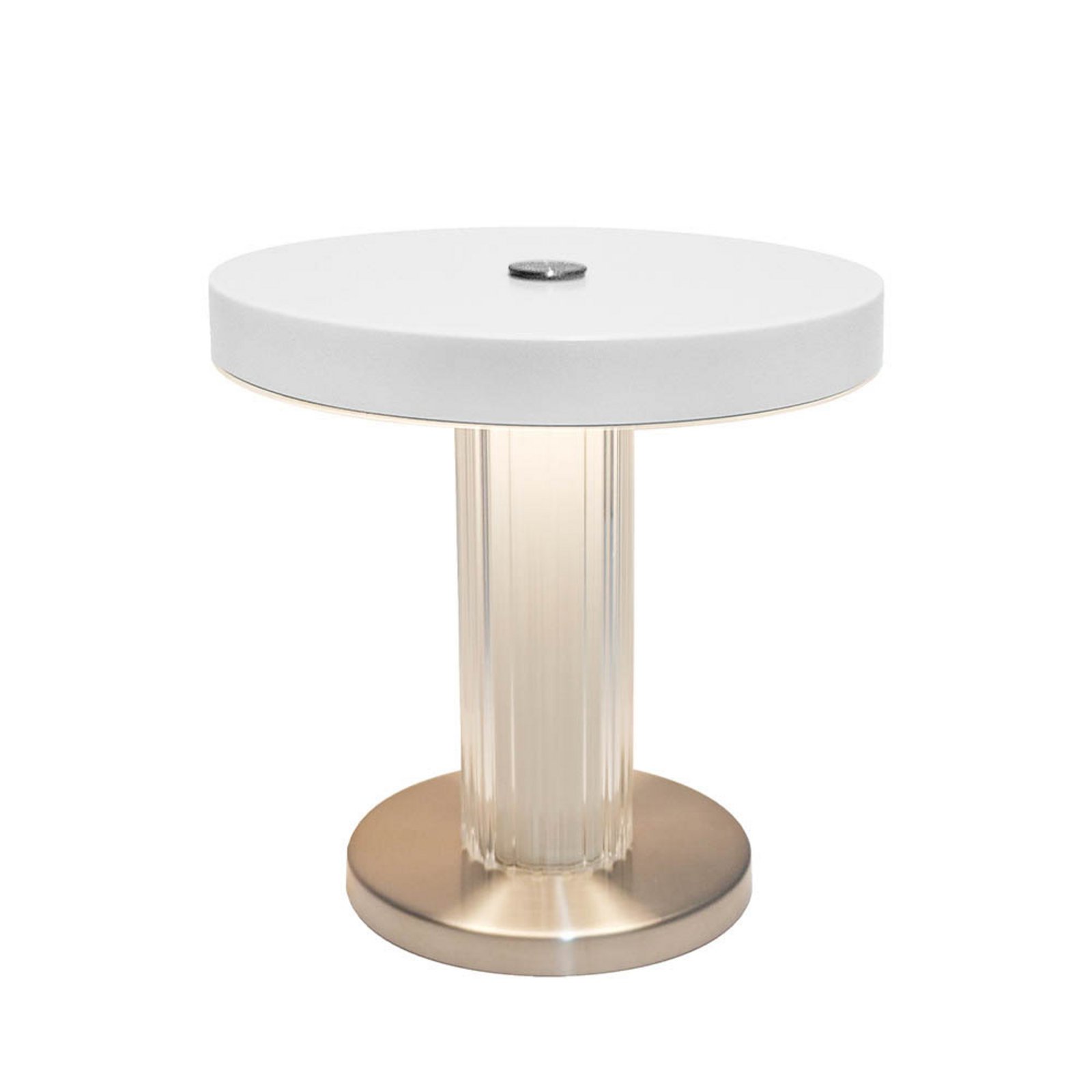
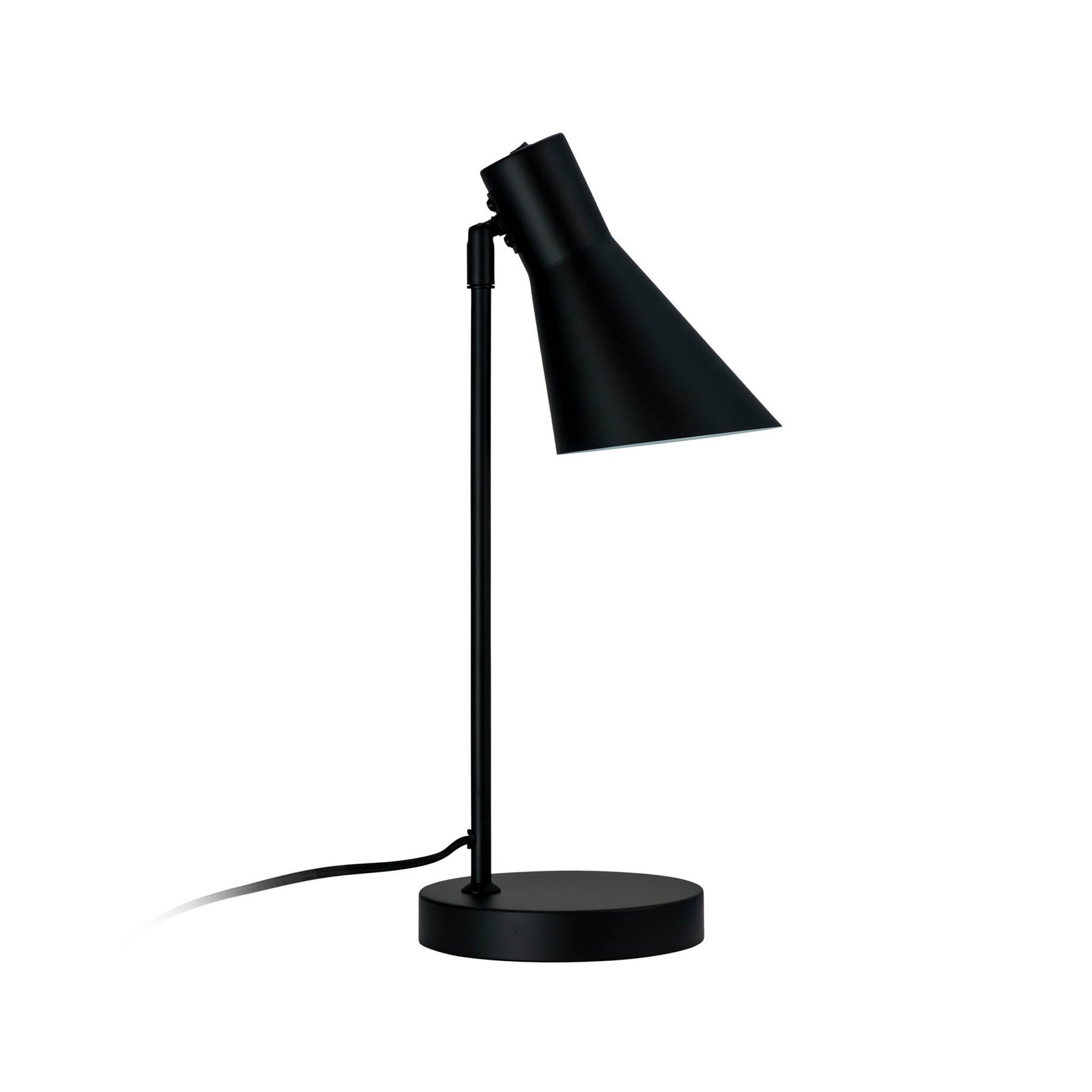
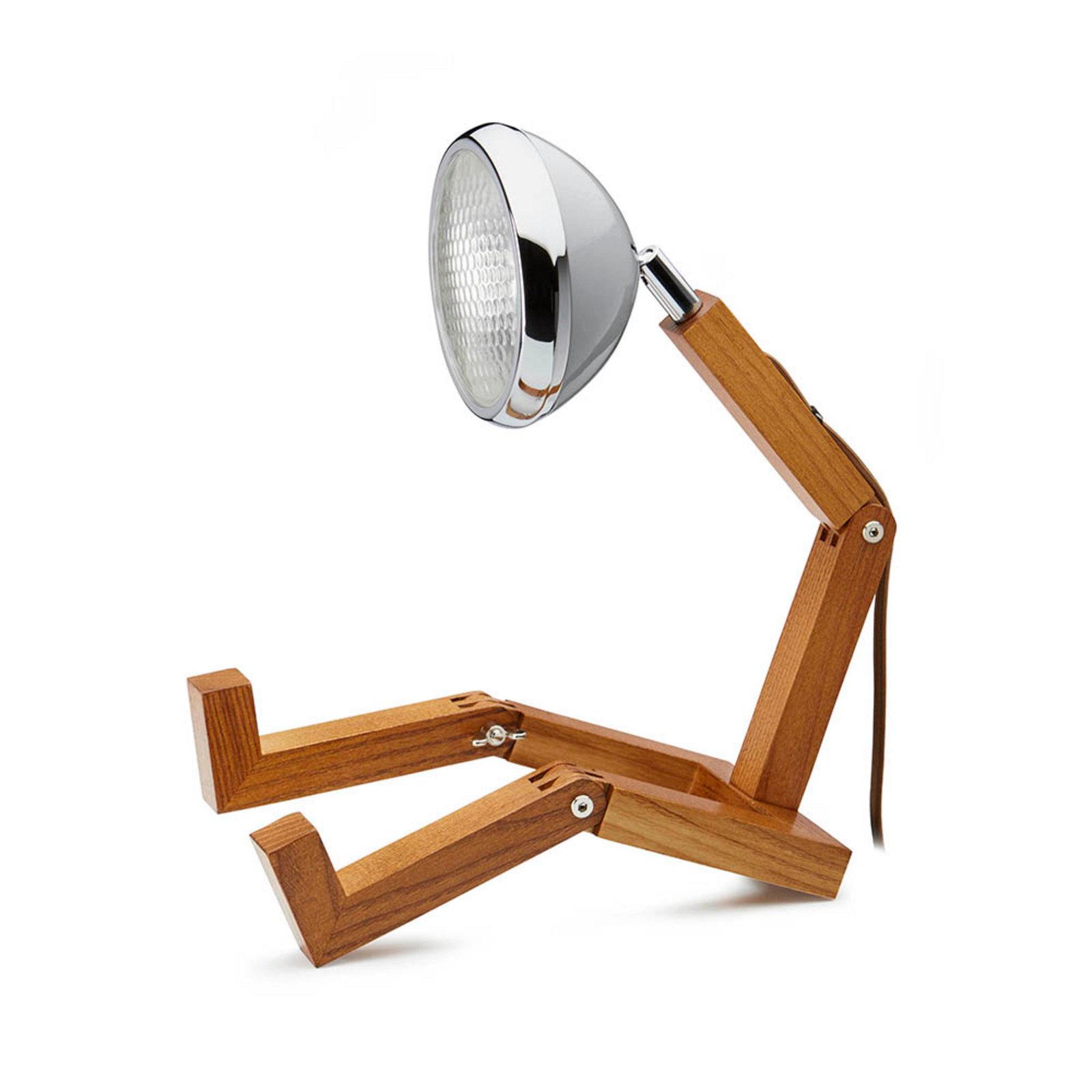
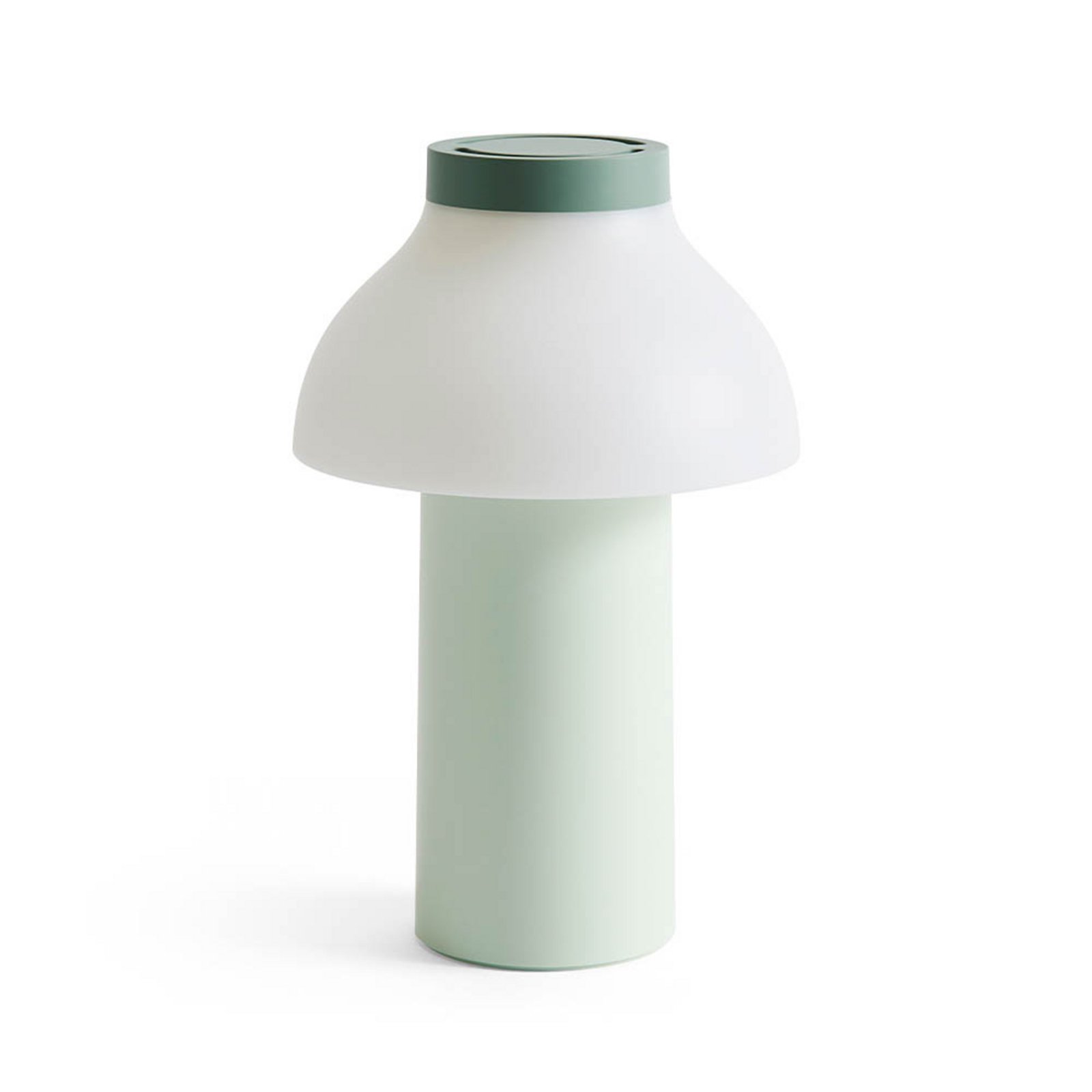
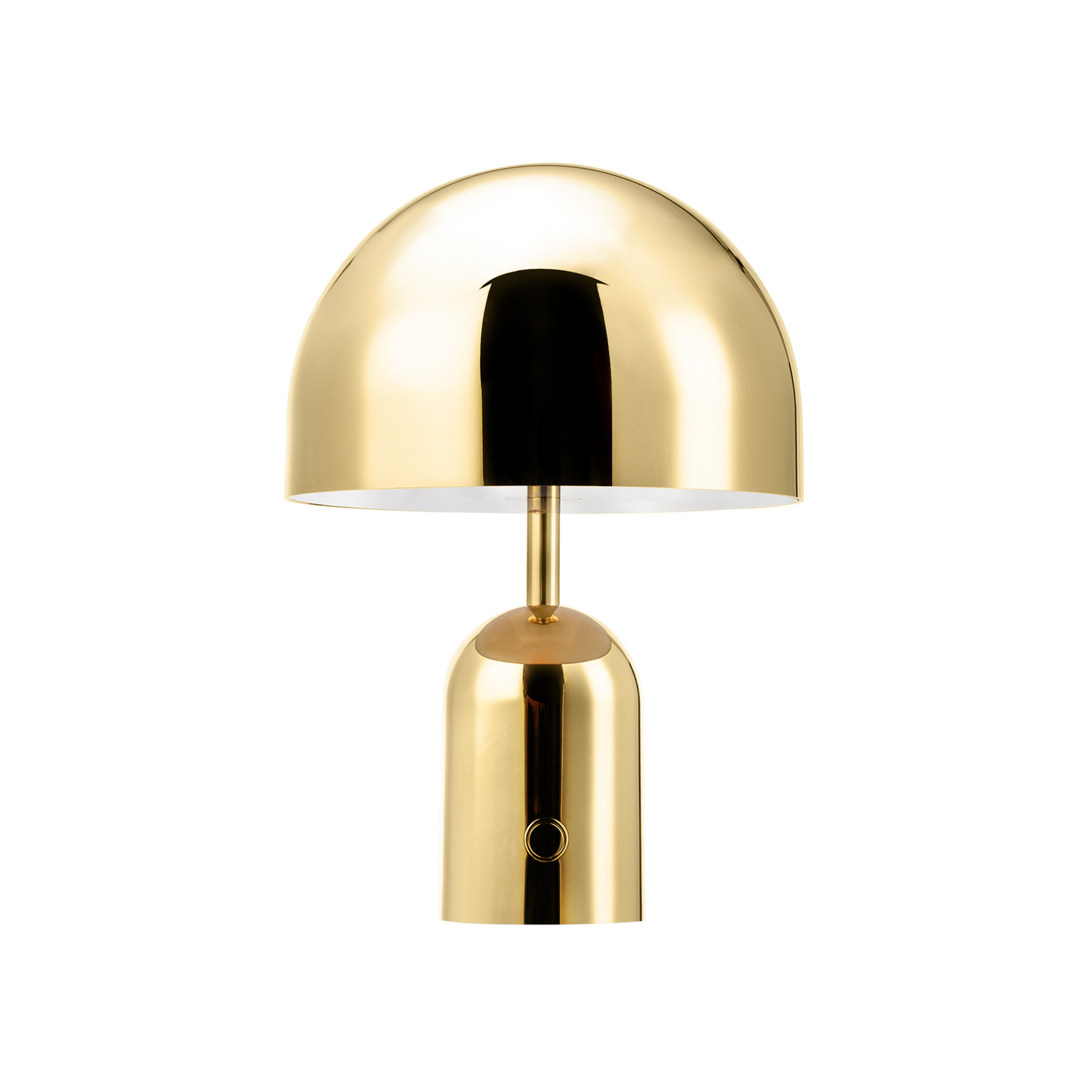
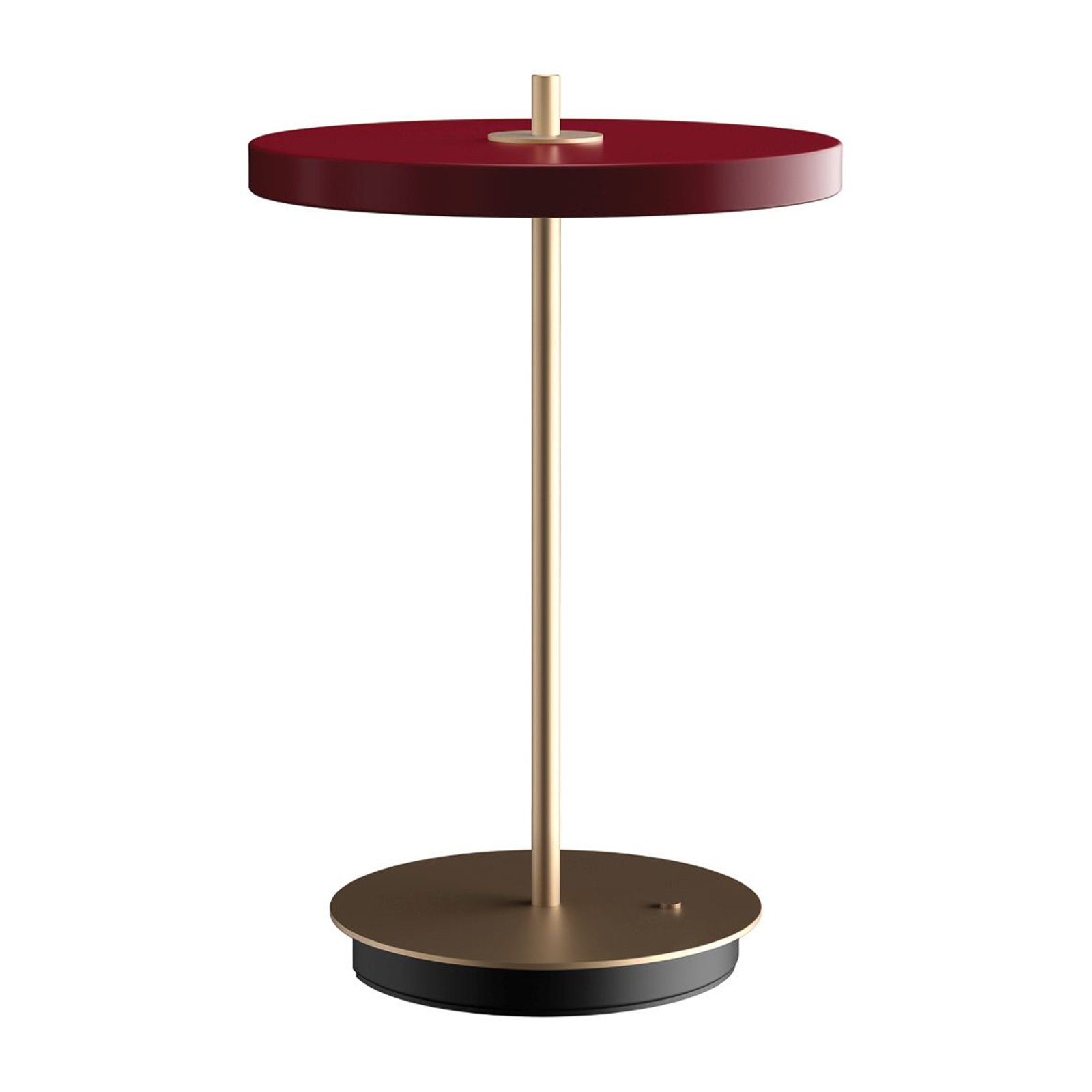
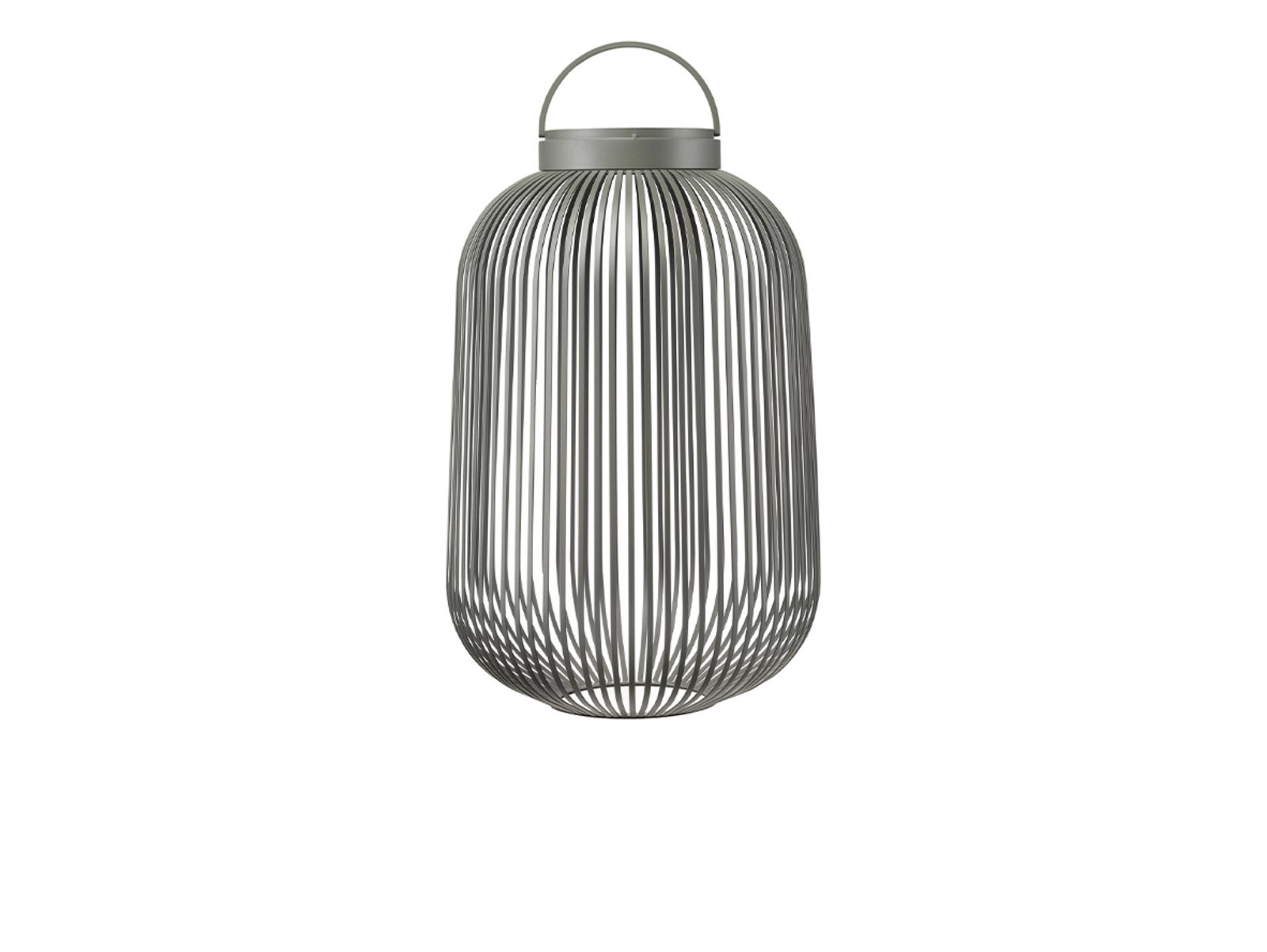
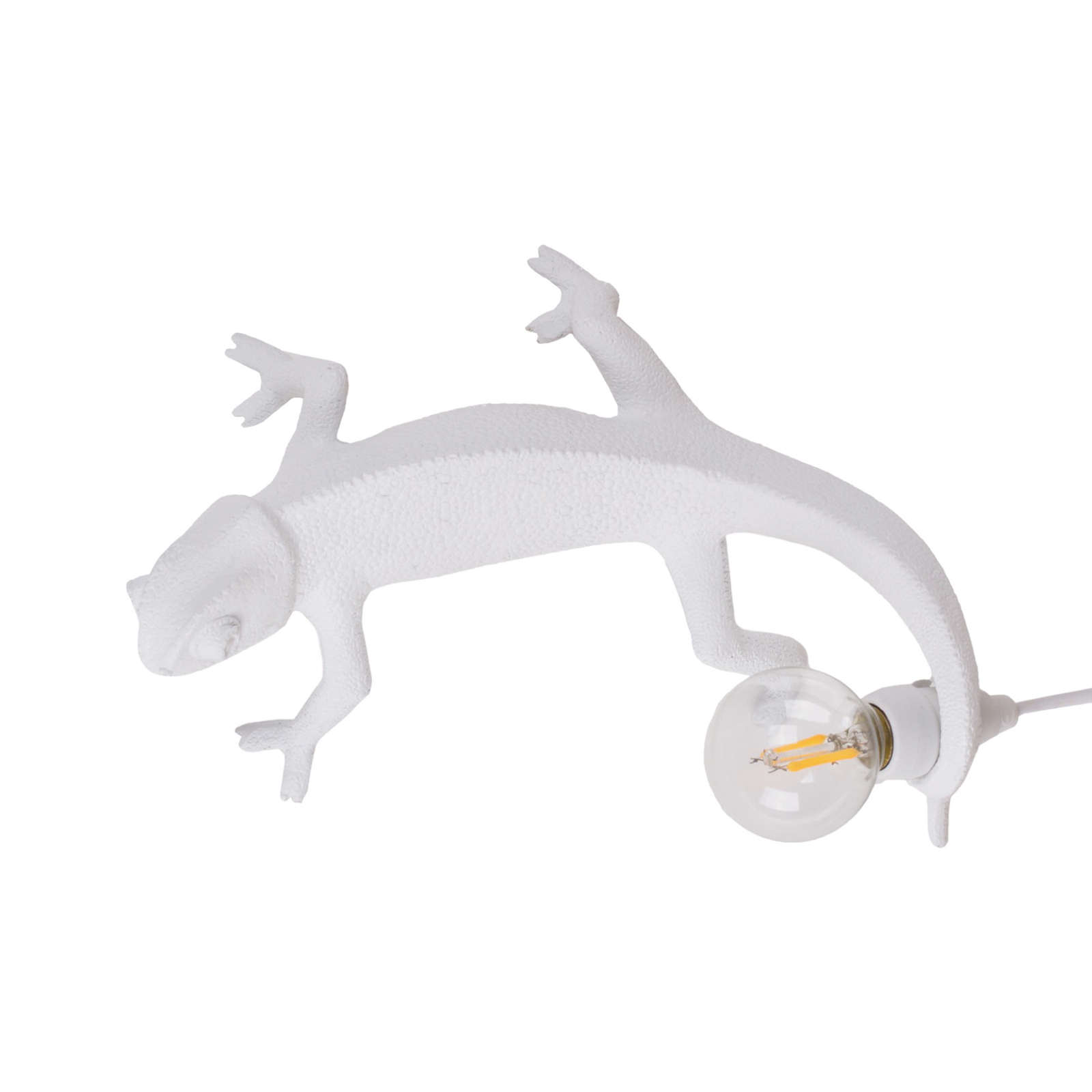

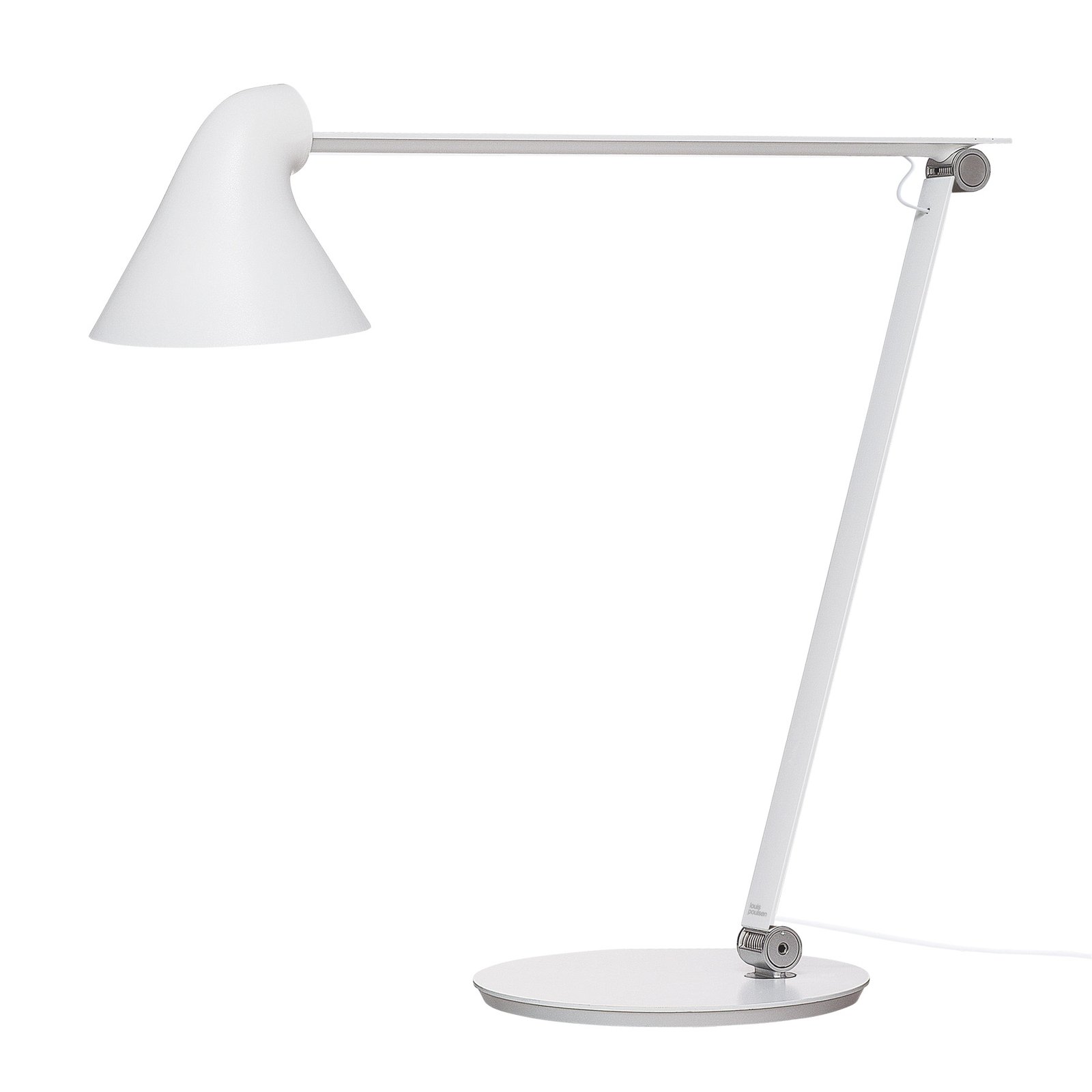
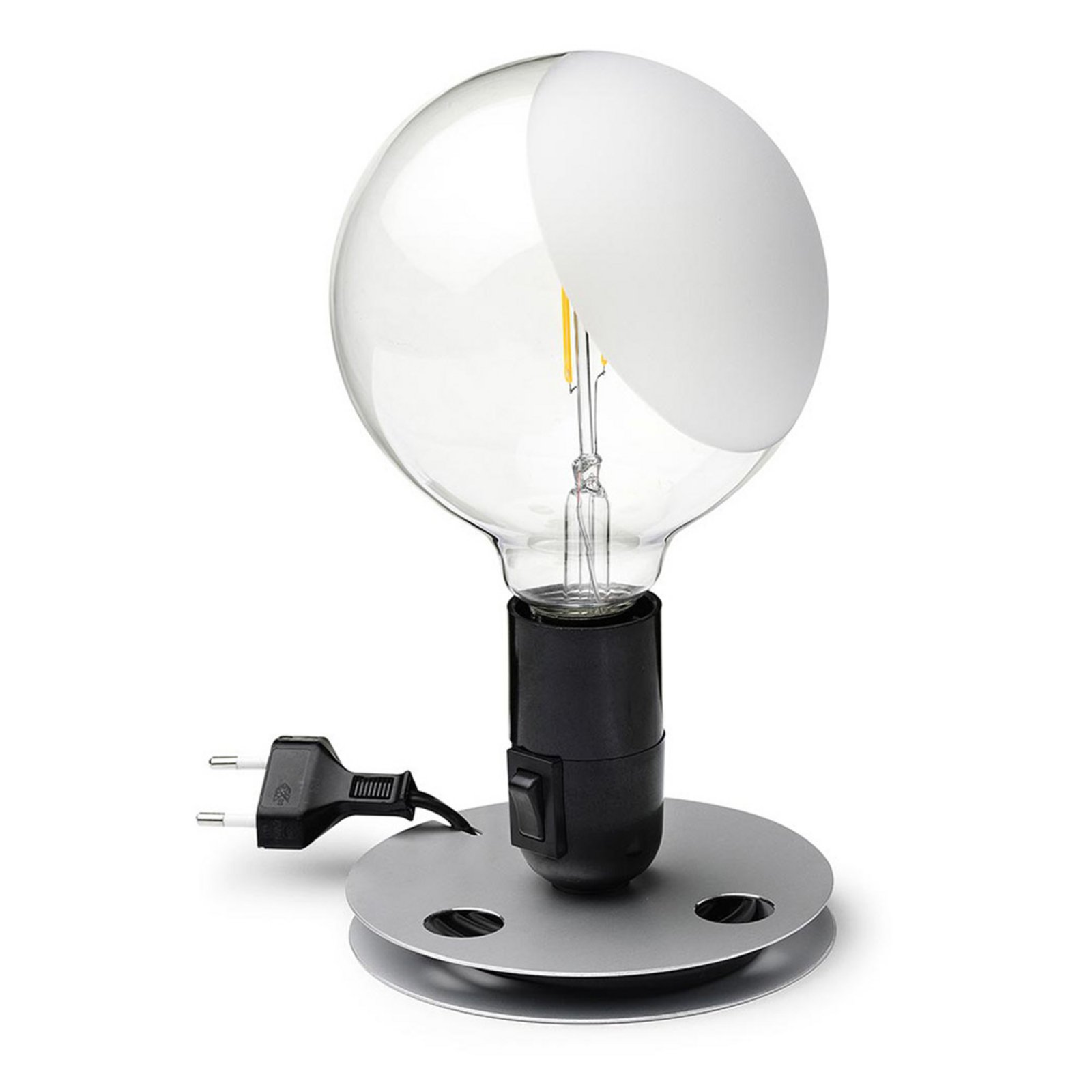
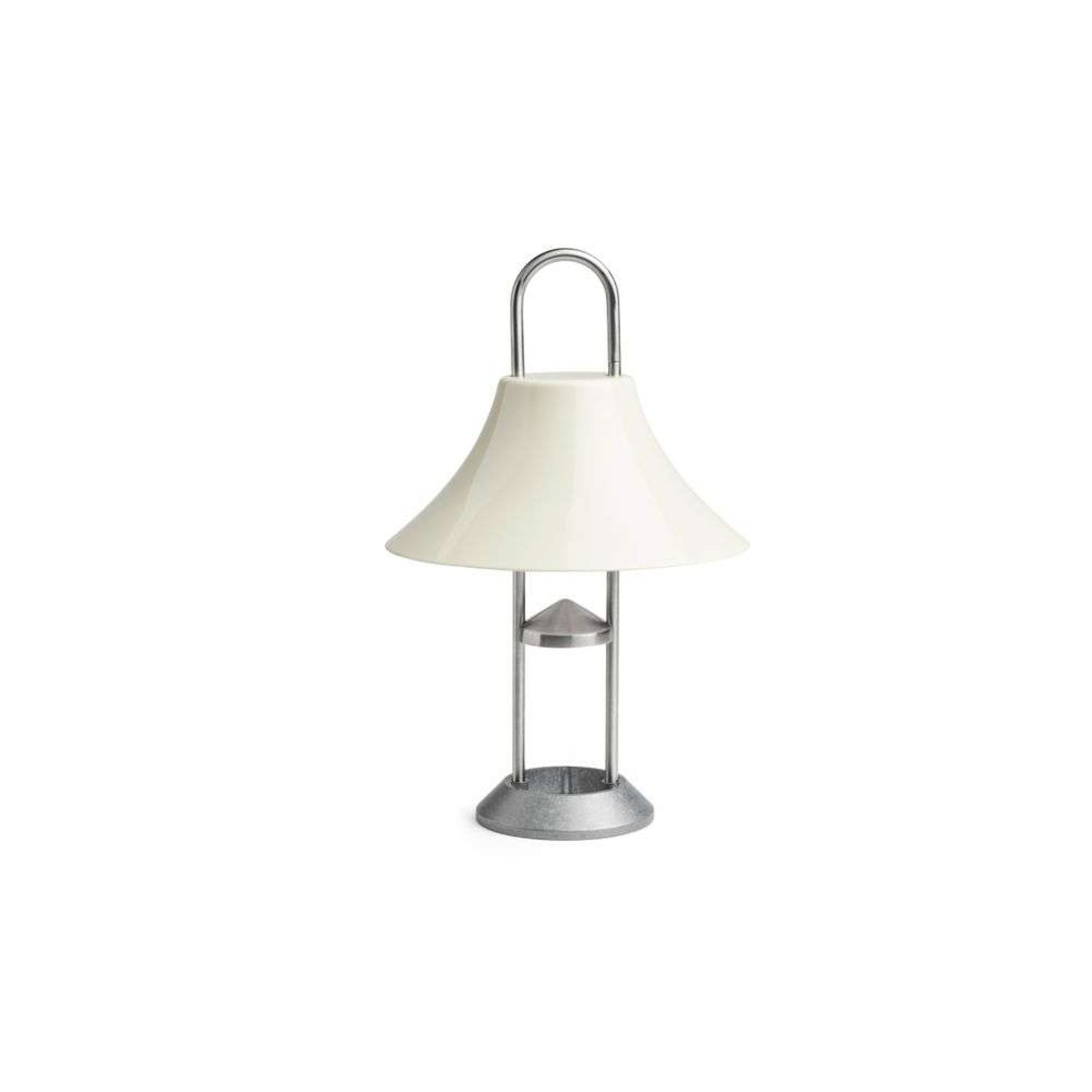
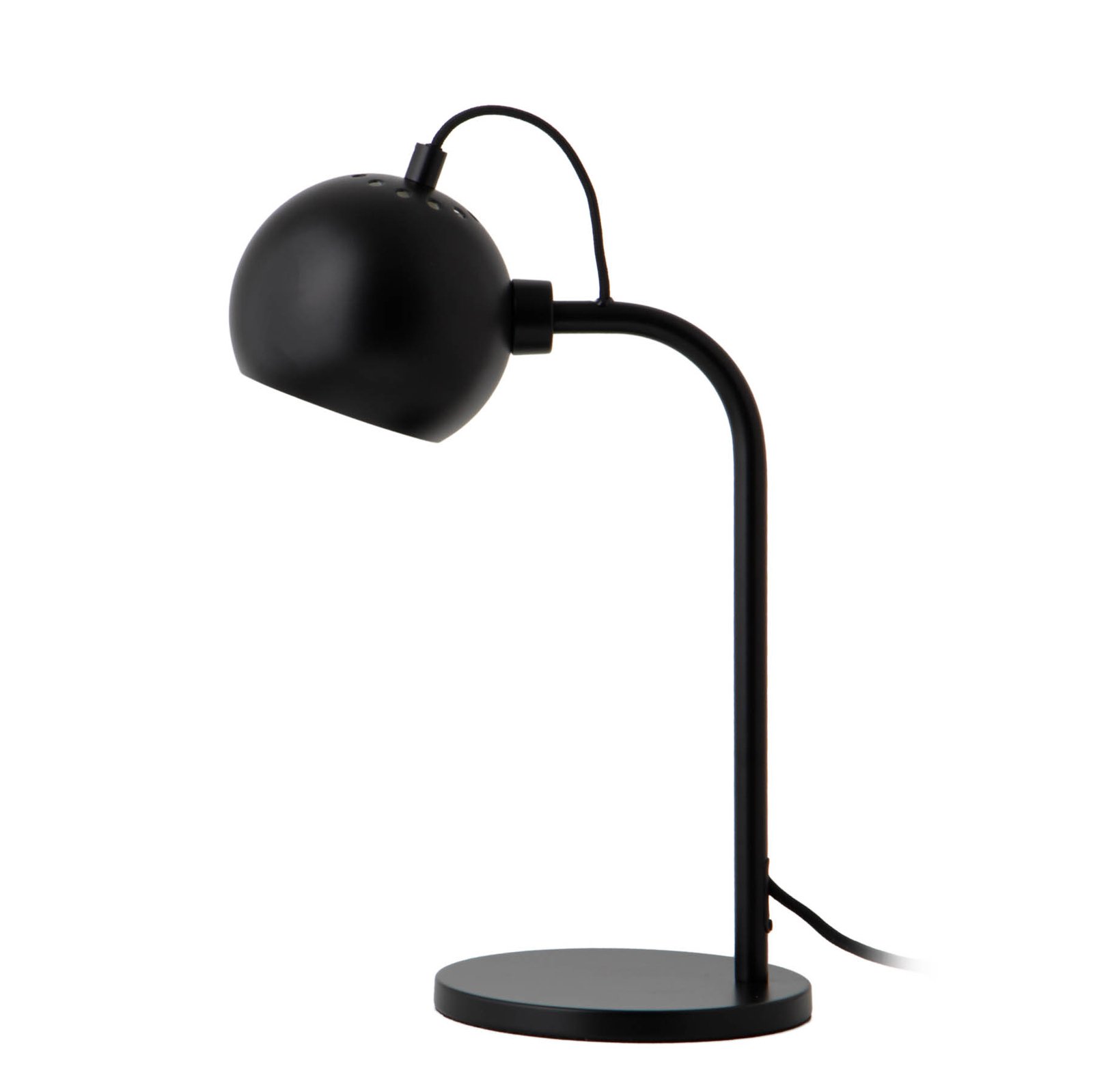
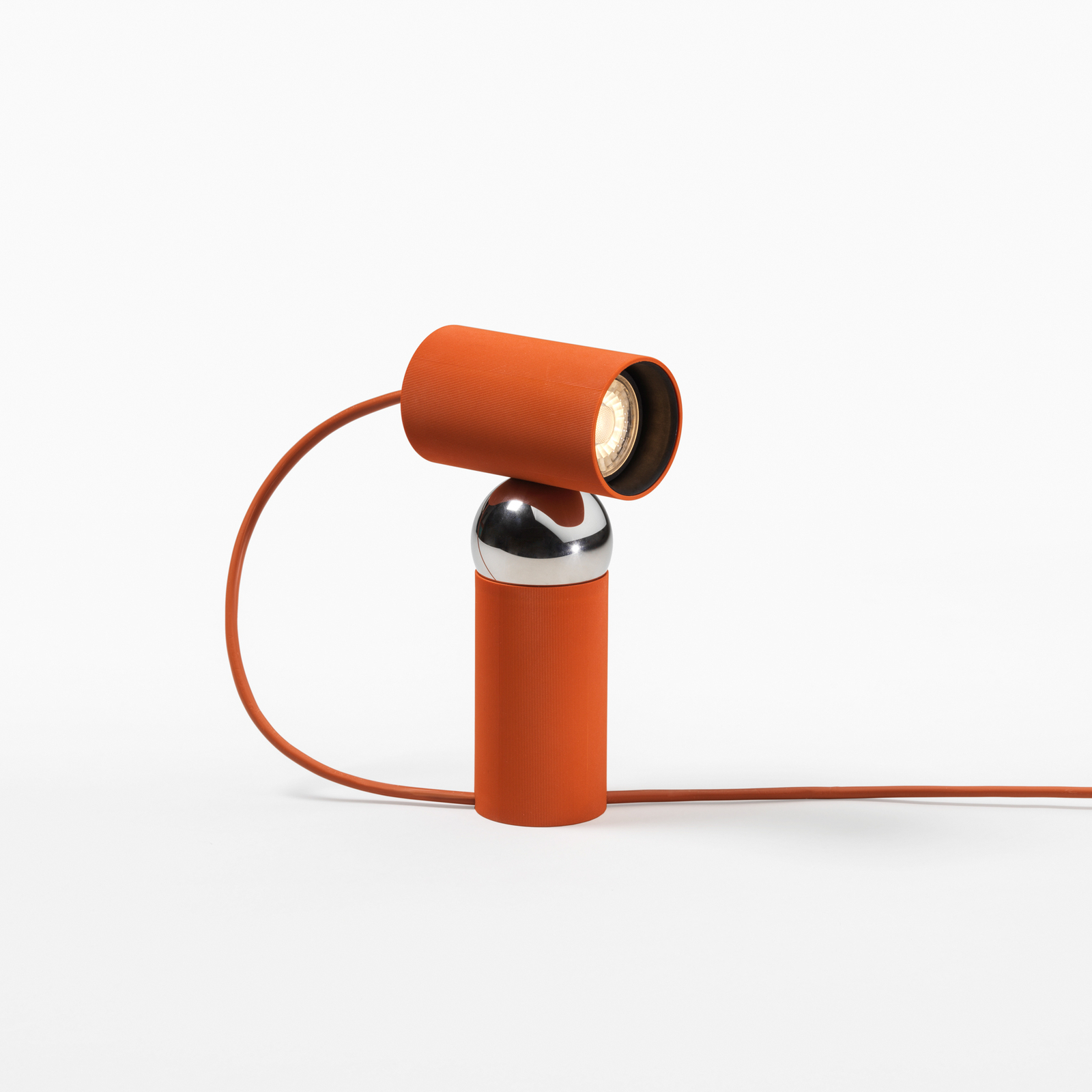
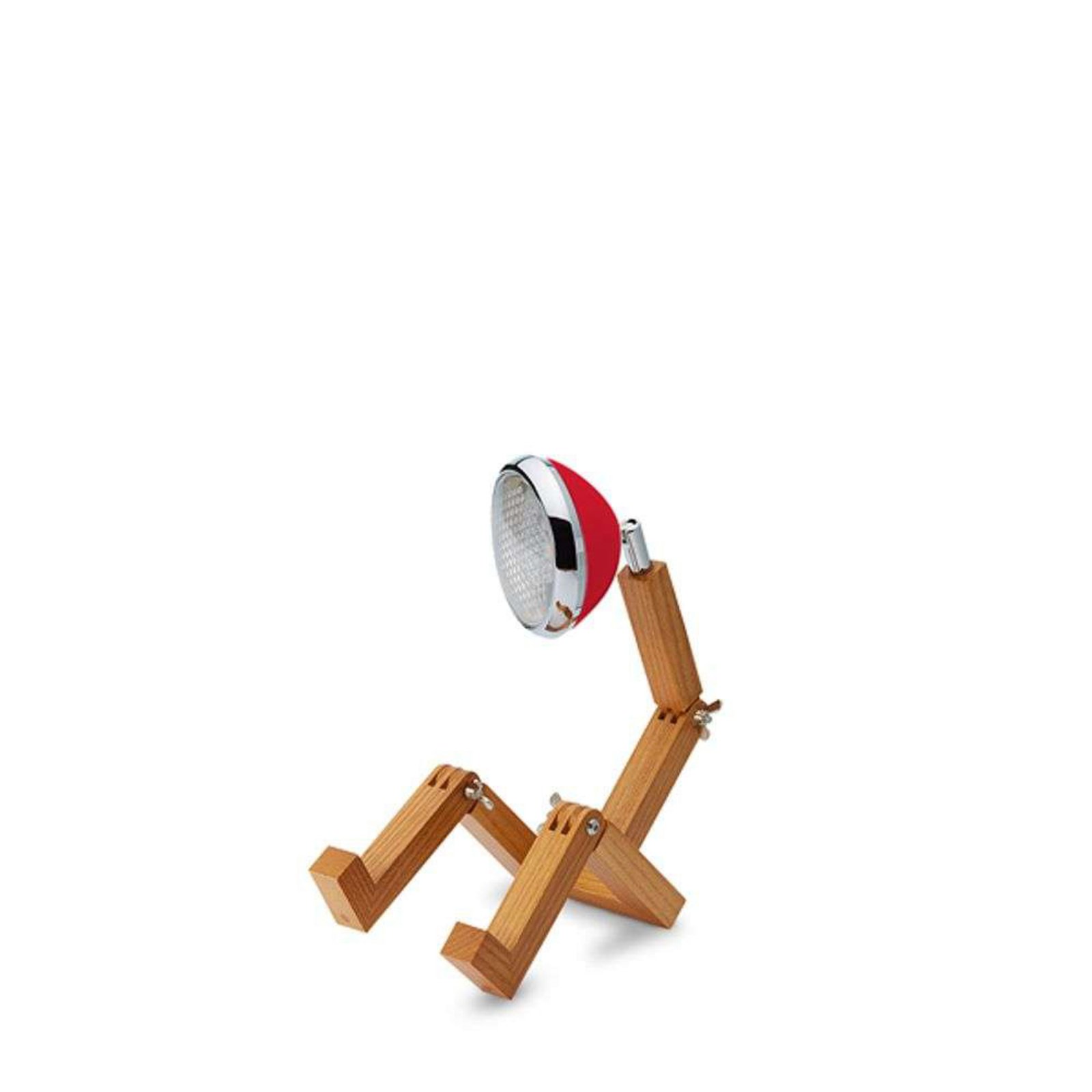
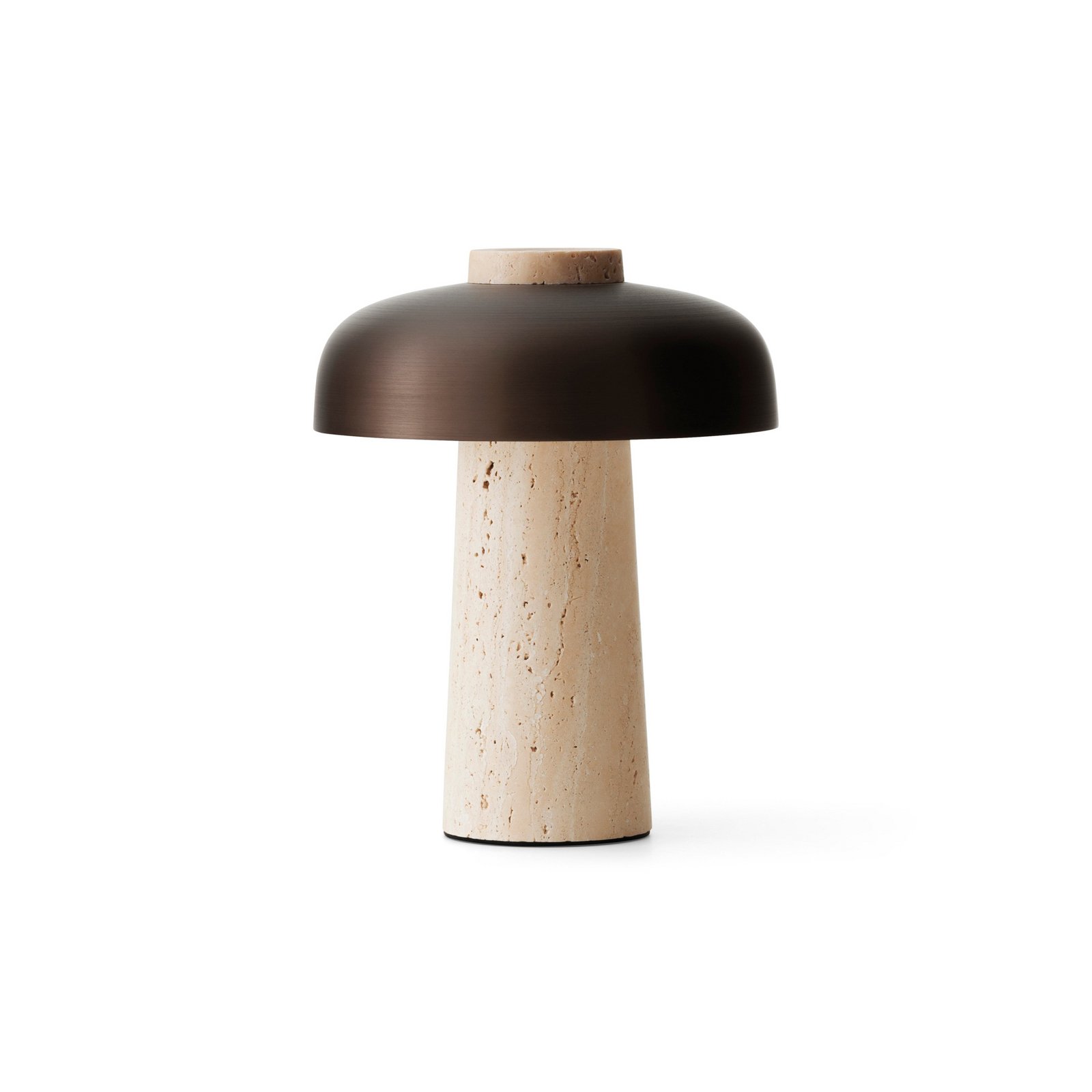
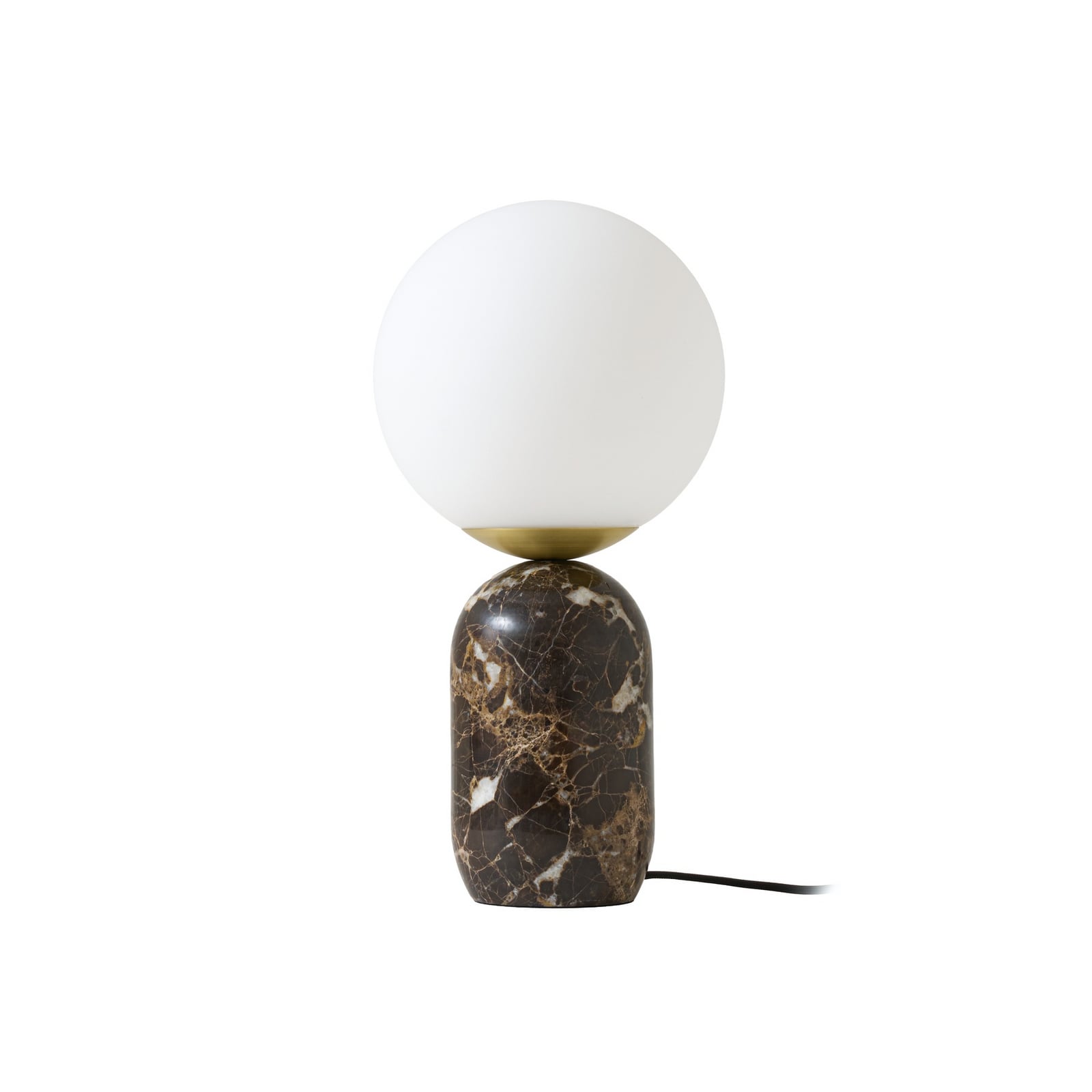
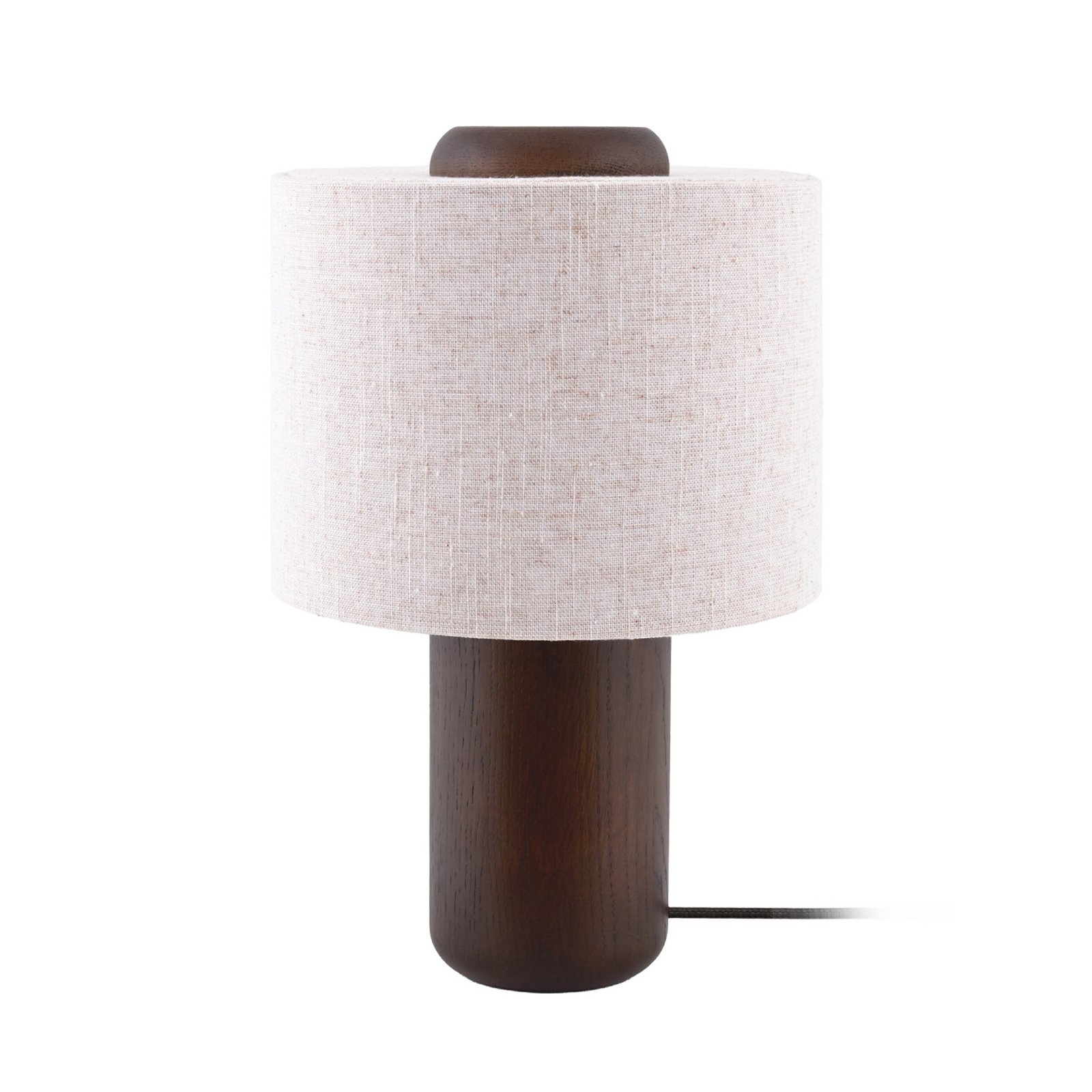
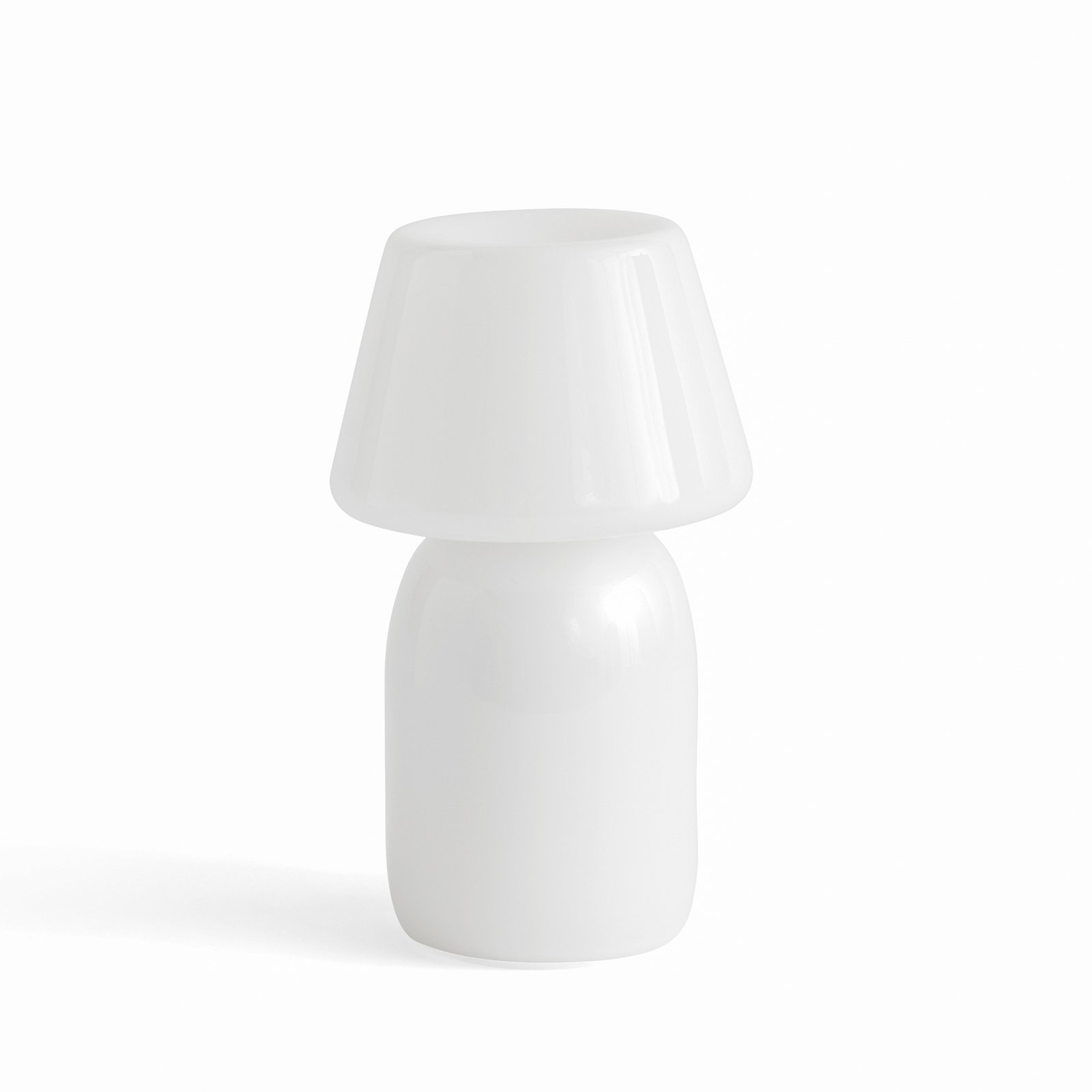
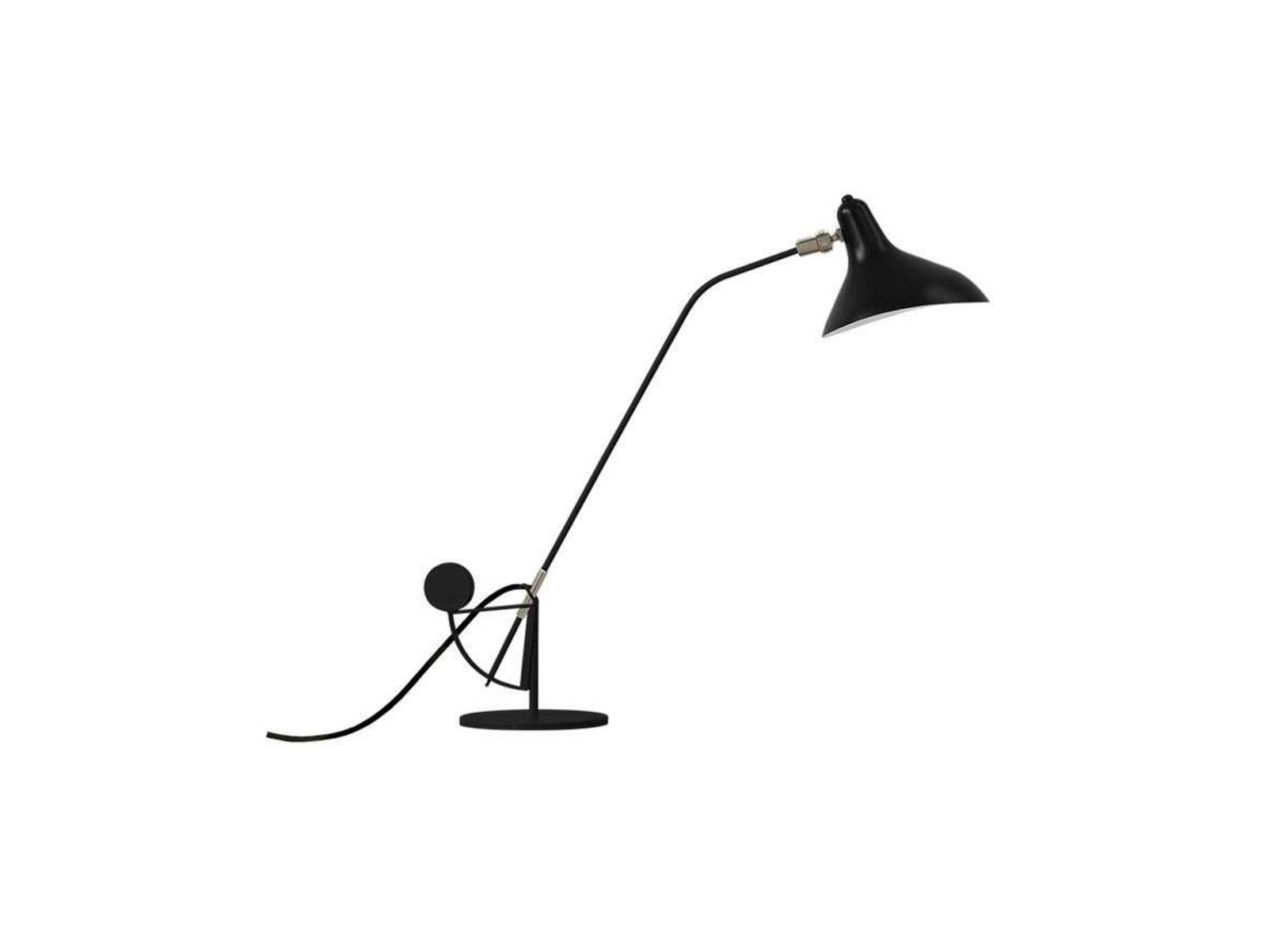
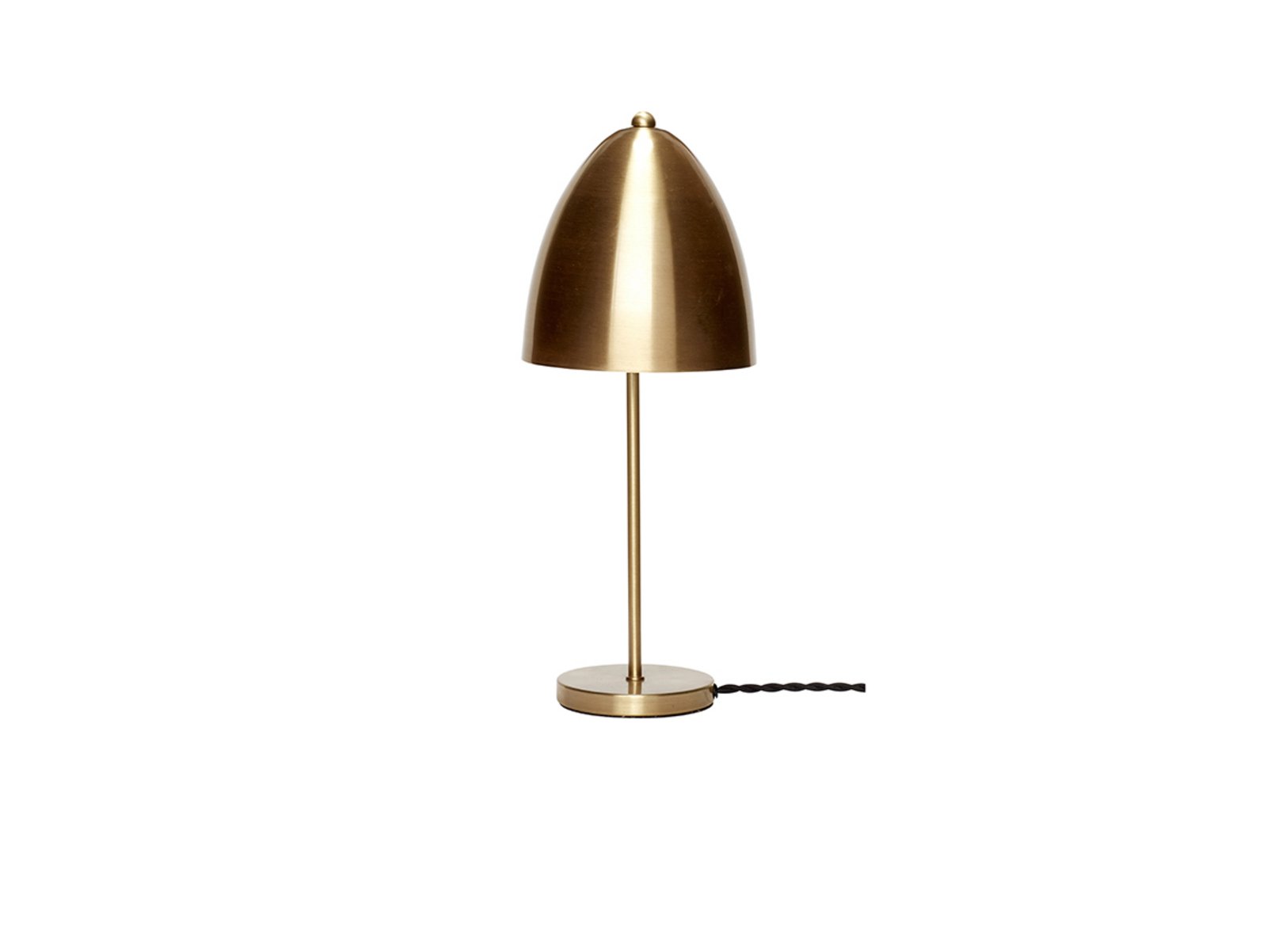
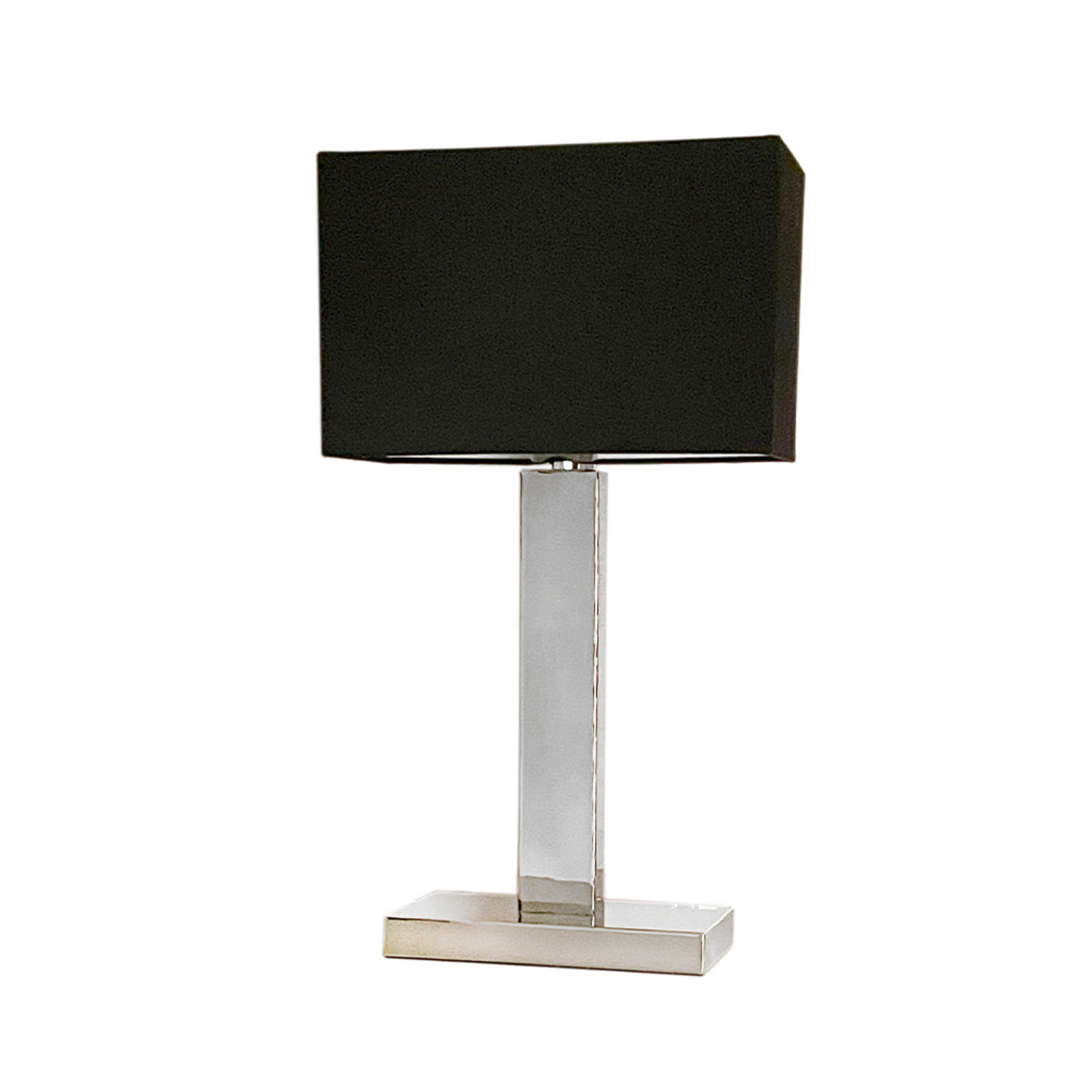
Share your pictures with @lampemesteren
Inspire and let yourself be inspired, from one unique home to another. Tag your pictures with #yesLampemesteren and you might see your home here!
Designer Table Lamps for Stylish Lighting Design
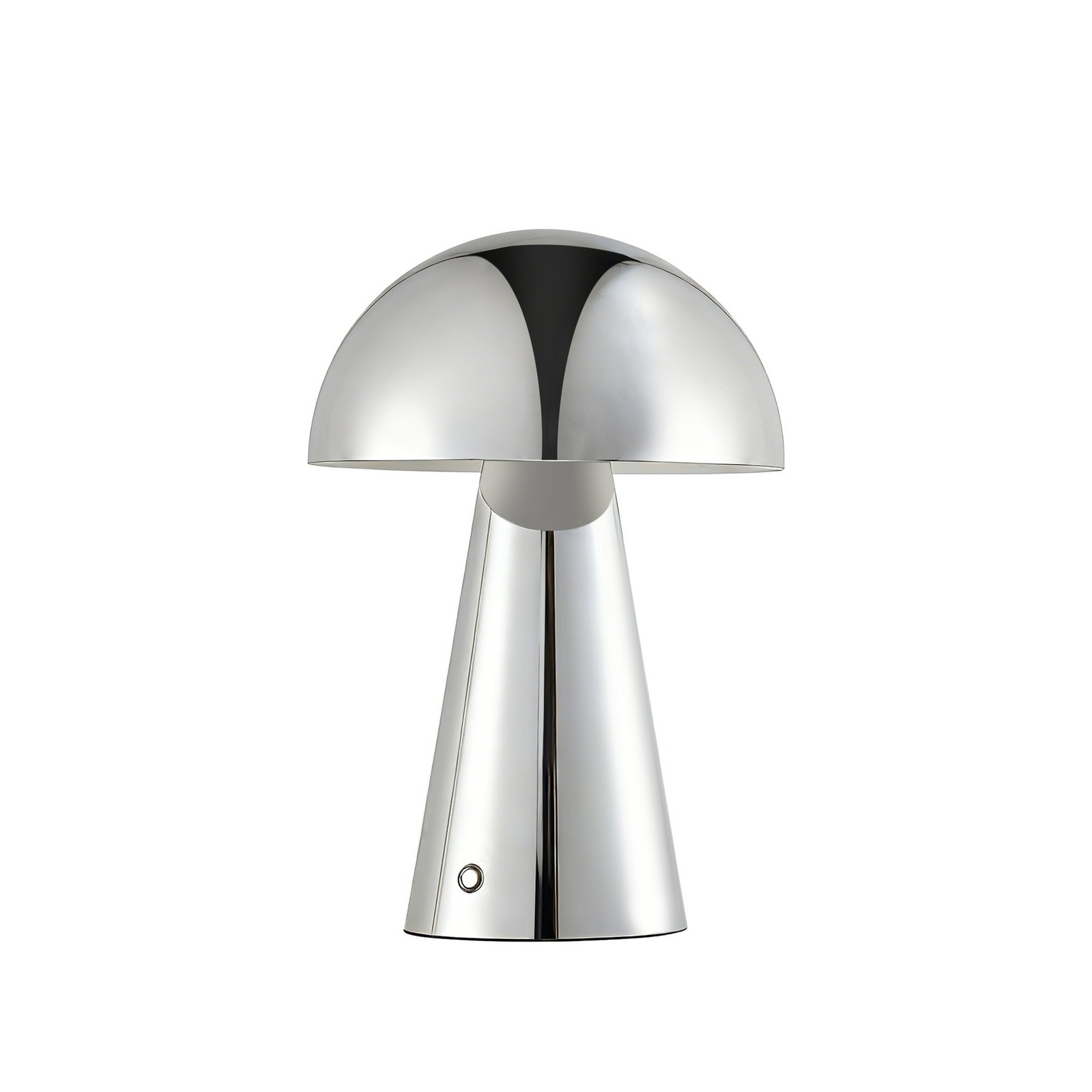
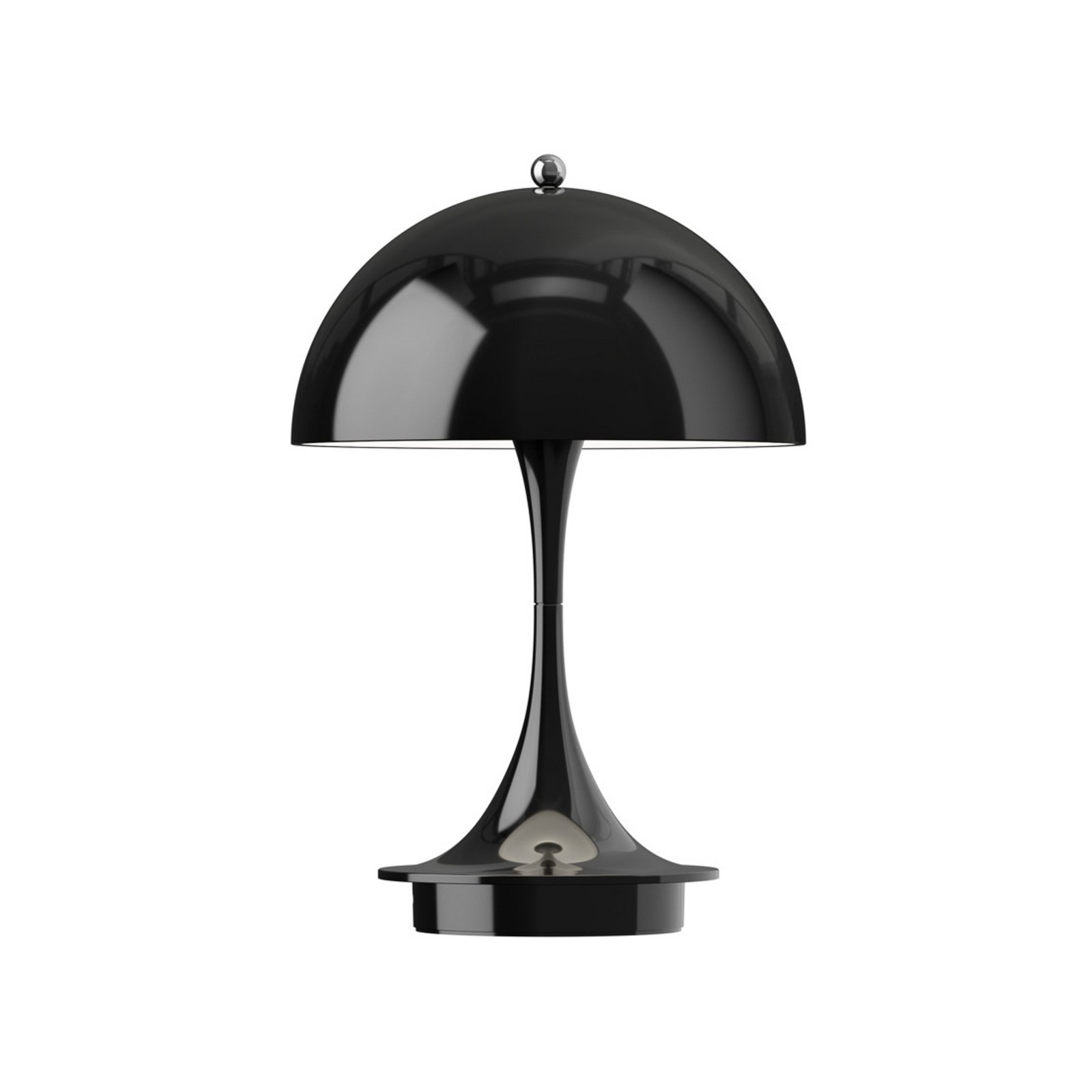
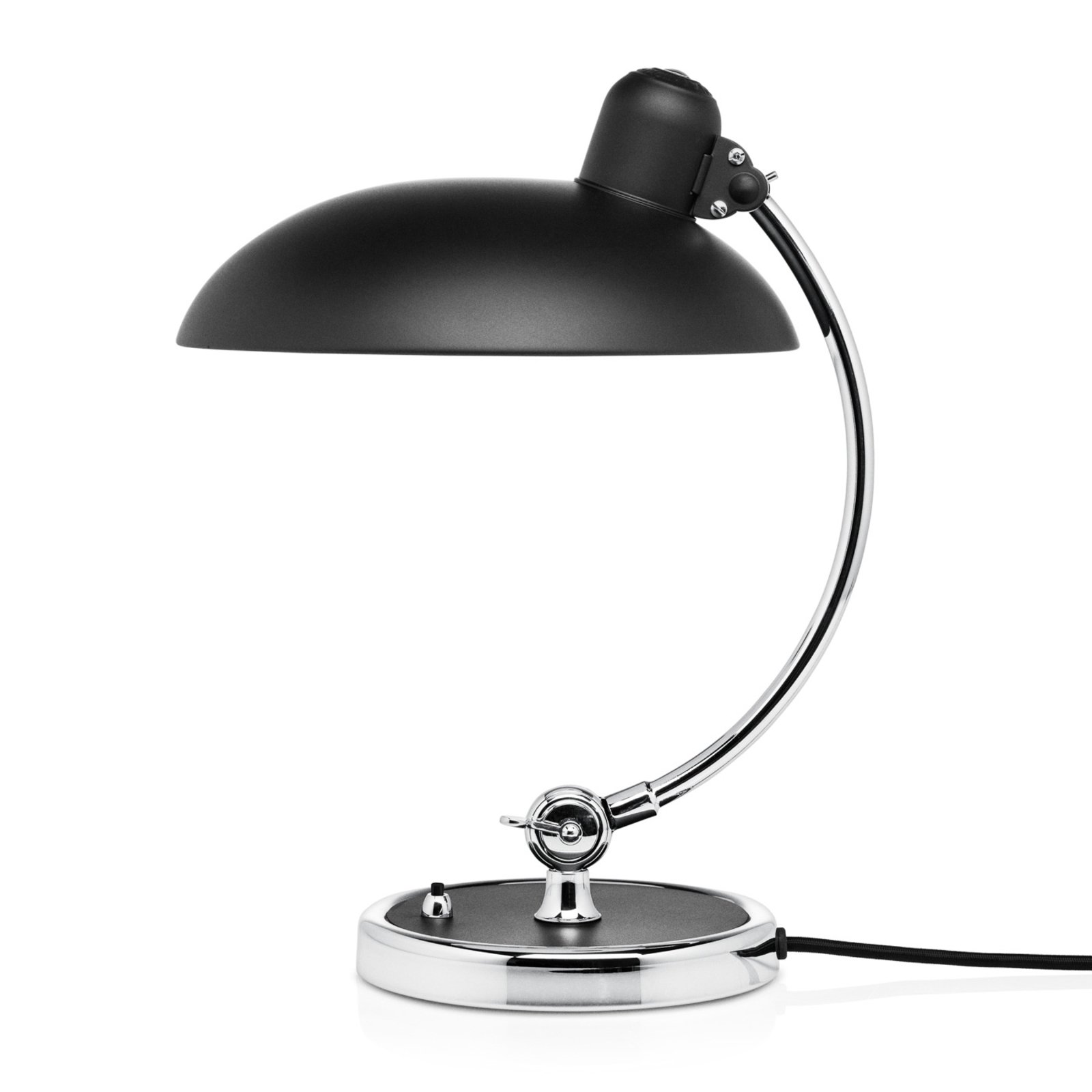
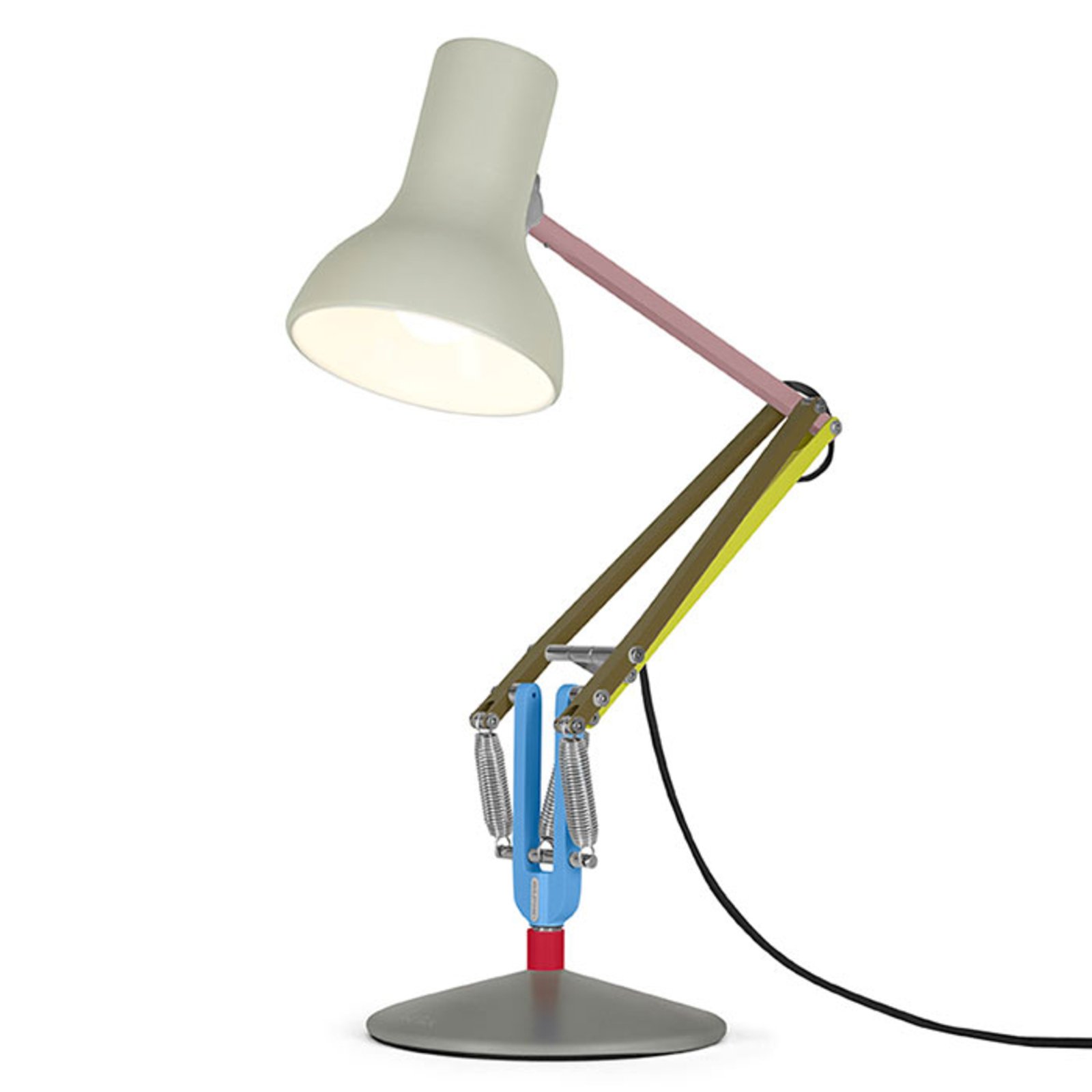
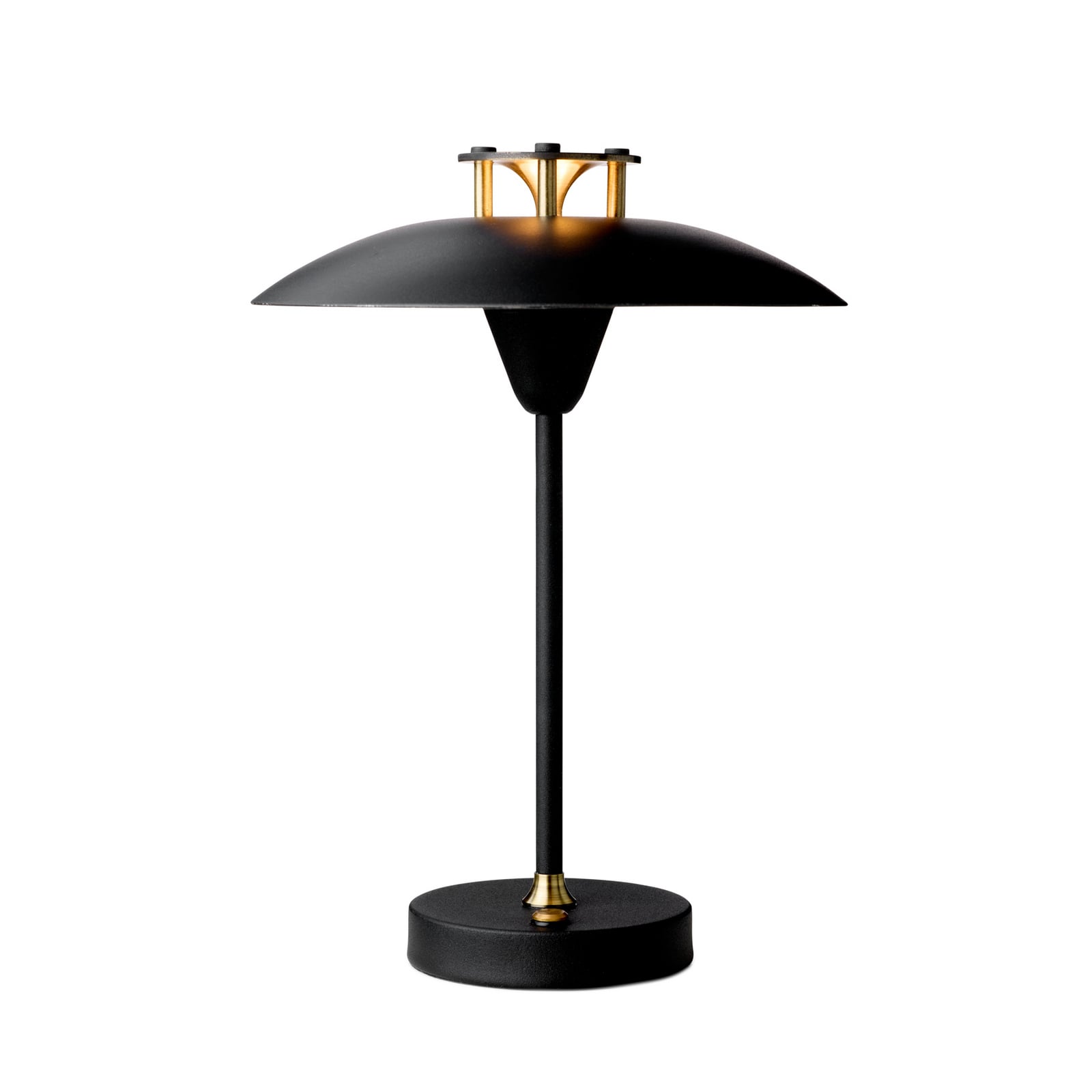
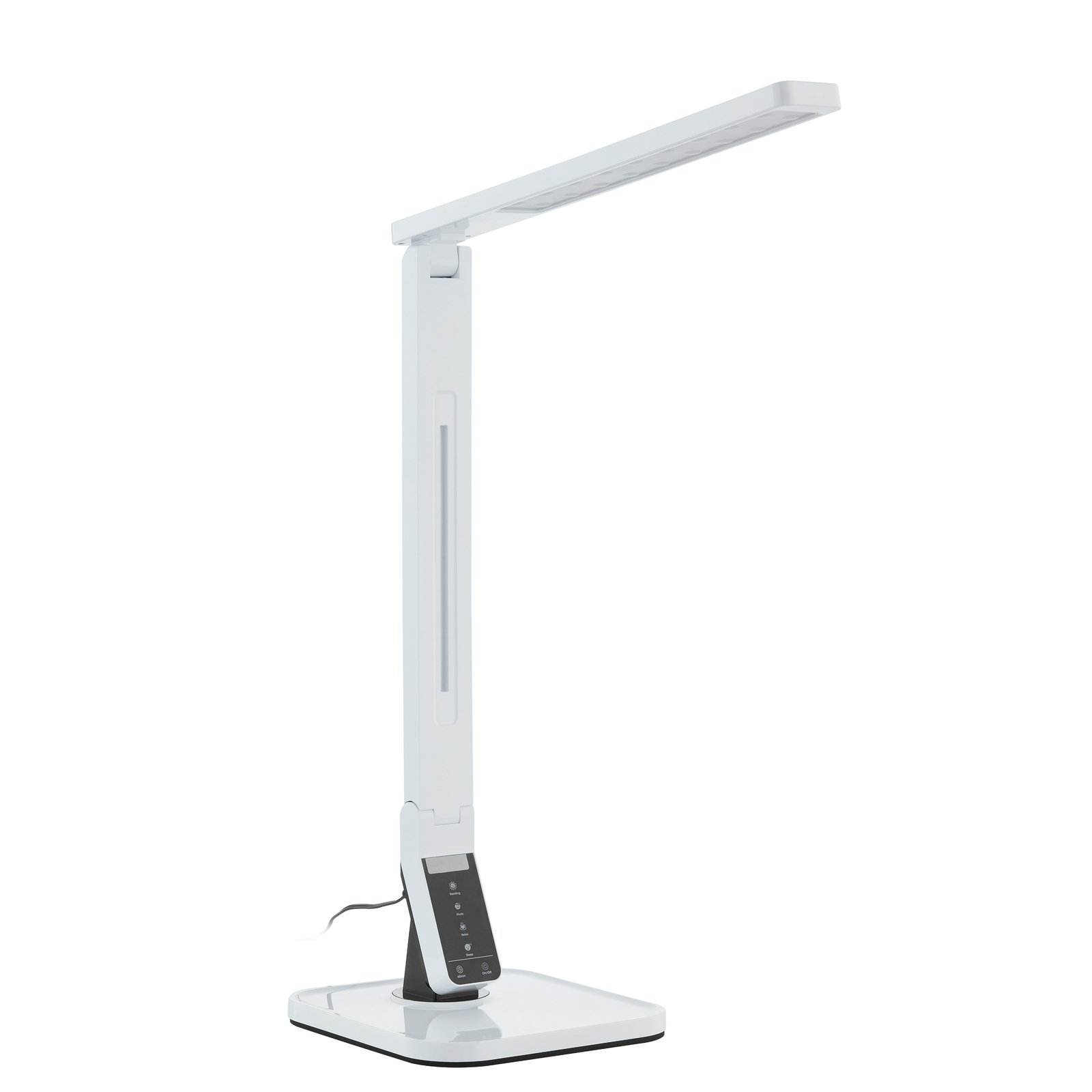
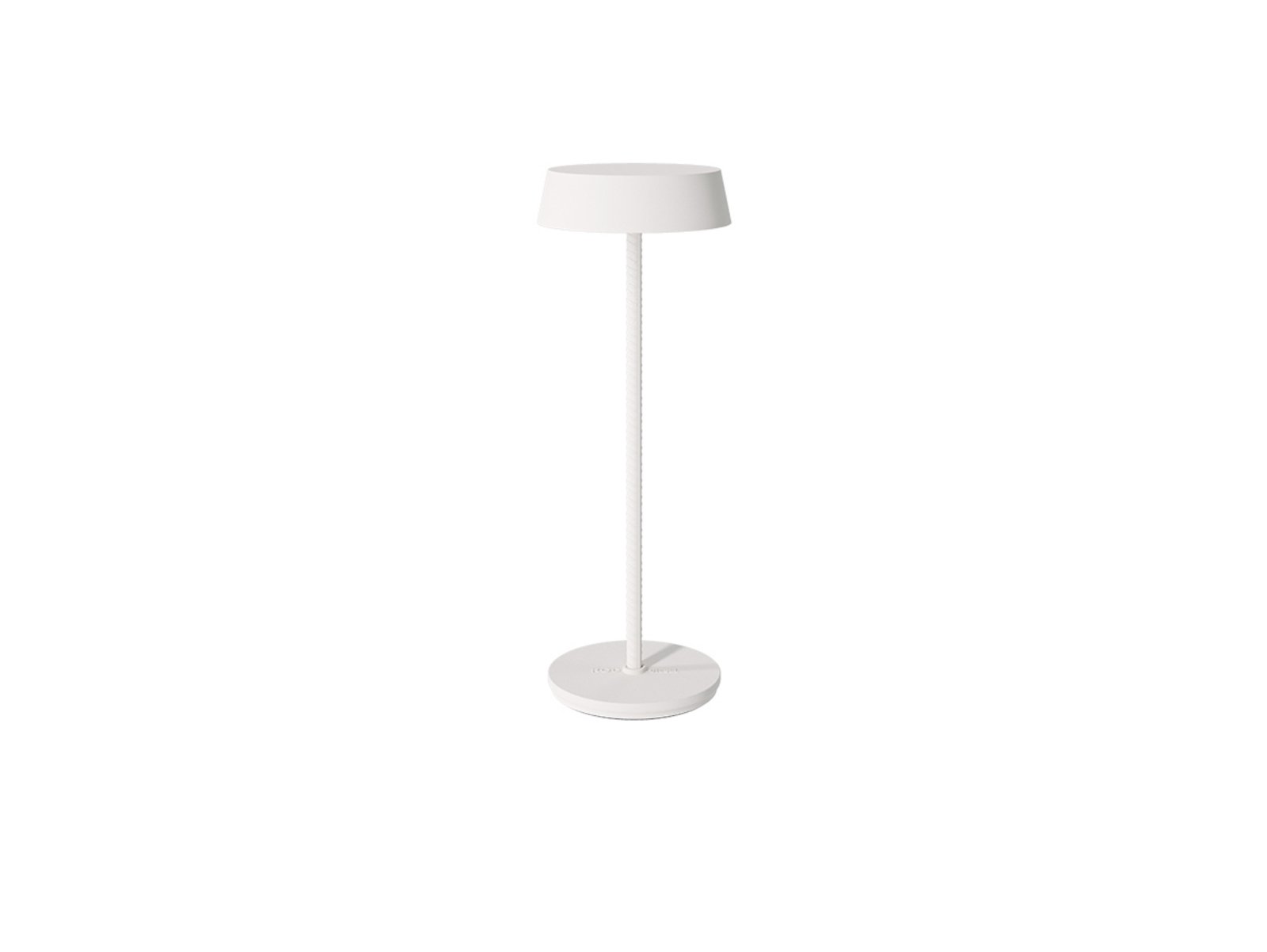
A table lamp complements the general lighting wherever functional light or a carefully designed lighting atmosphere is needed. It sits on a sideboard, complements a reading nook, or helps you focus while working. In addition to its function, it shapes the interior with its form, its surface, and the way it distributes light. The range extends from minimalist LED models to striking designs by renowned designers. Which table lamp is best suited for a particular room depends primarily on its intended location, the available space, the desired light distribution, and ease of use.
Stylish table lamps that harmonize light with interior design
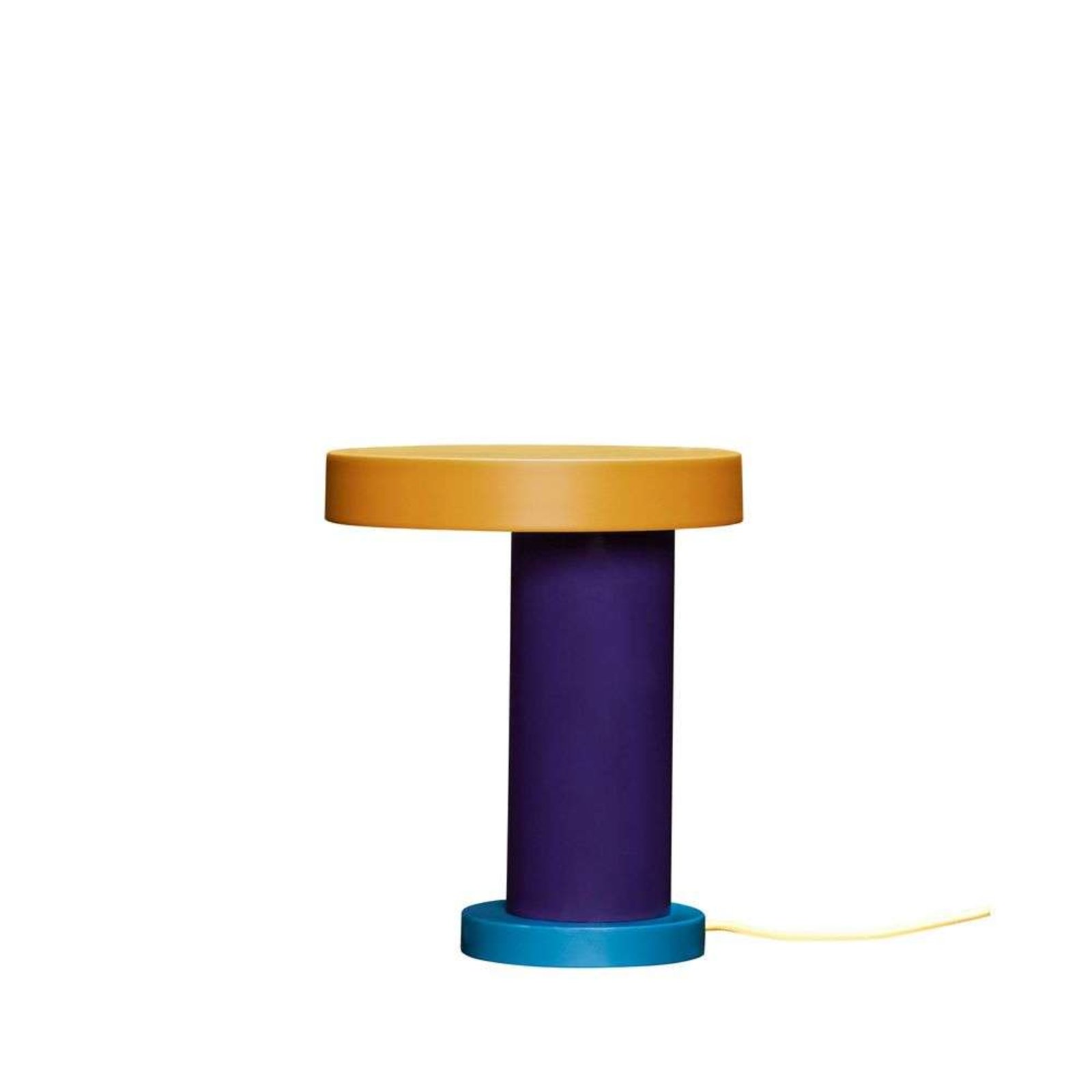
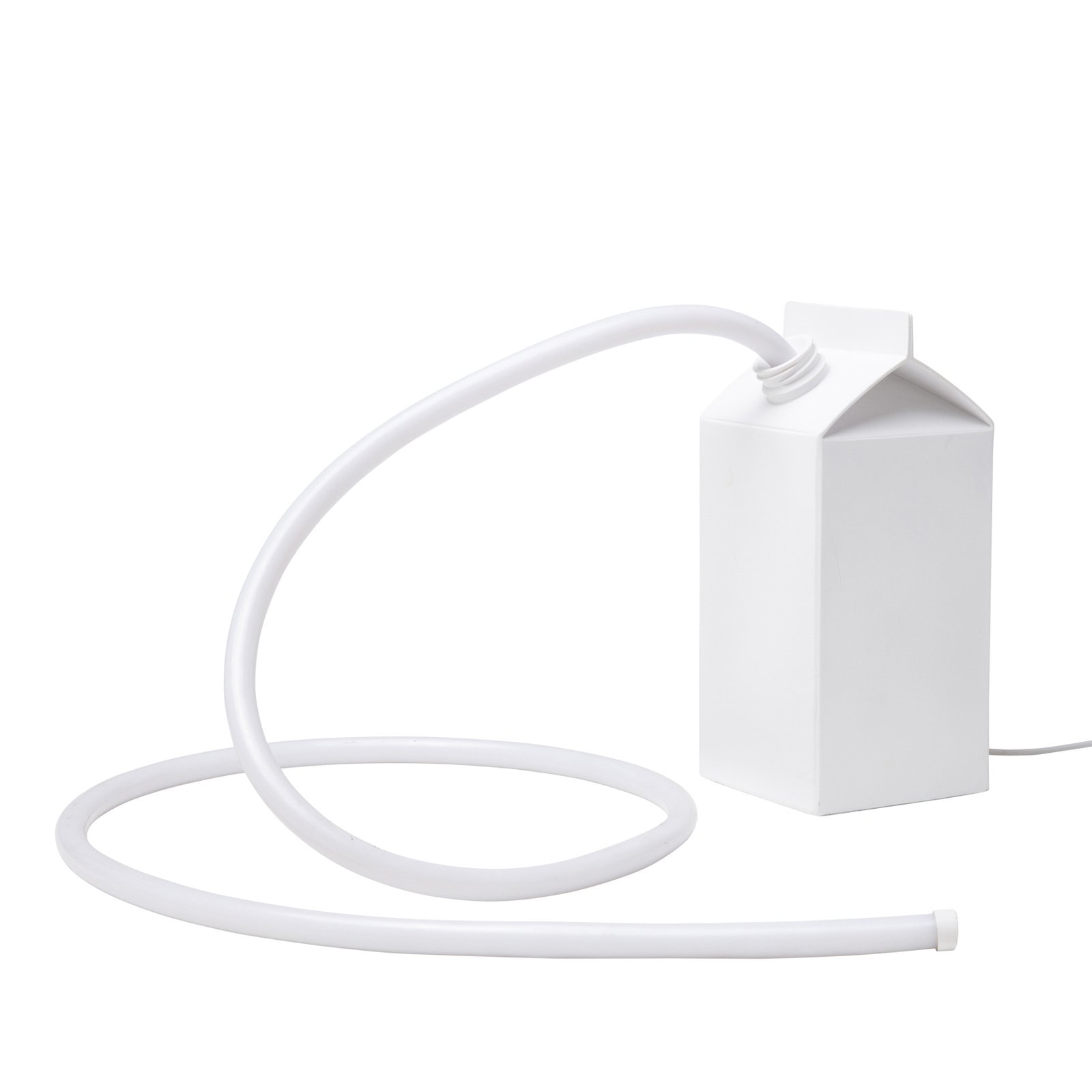
A designer table lamp does more than just serve a practical purpose. Its proportions, its lines, and the position of the light source also influence how it looks when paired with furniture and accessories. Furniture with clean, geometric lines often complements a minimalist or Scandinavian-style interior. Organic shapes or deliberately exposed light sources, on the other hand, can have a more decorative effect.
To create a balanced design, the light fixture should echo the shape, color, or material of the furniture without visually dominating the space it occupies. In smaller spaces, compact models usually look more balanced, while a larger table lamp on a wide sideboard can serve as a deliberate design accent. The way the light is directed is also part of the design and determines whether the fixture highlights a specific area or creates a softer lighting atmosphere in the room. As a result, the design influences both the visual impact of the model and its function within the interior.
Materials, Surfaces, and Shade Shapes as Design Elements
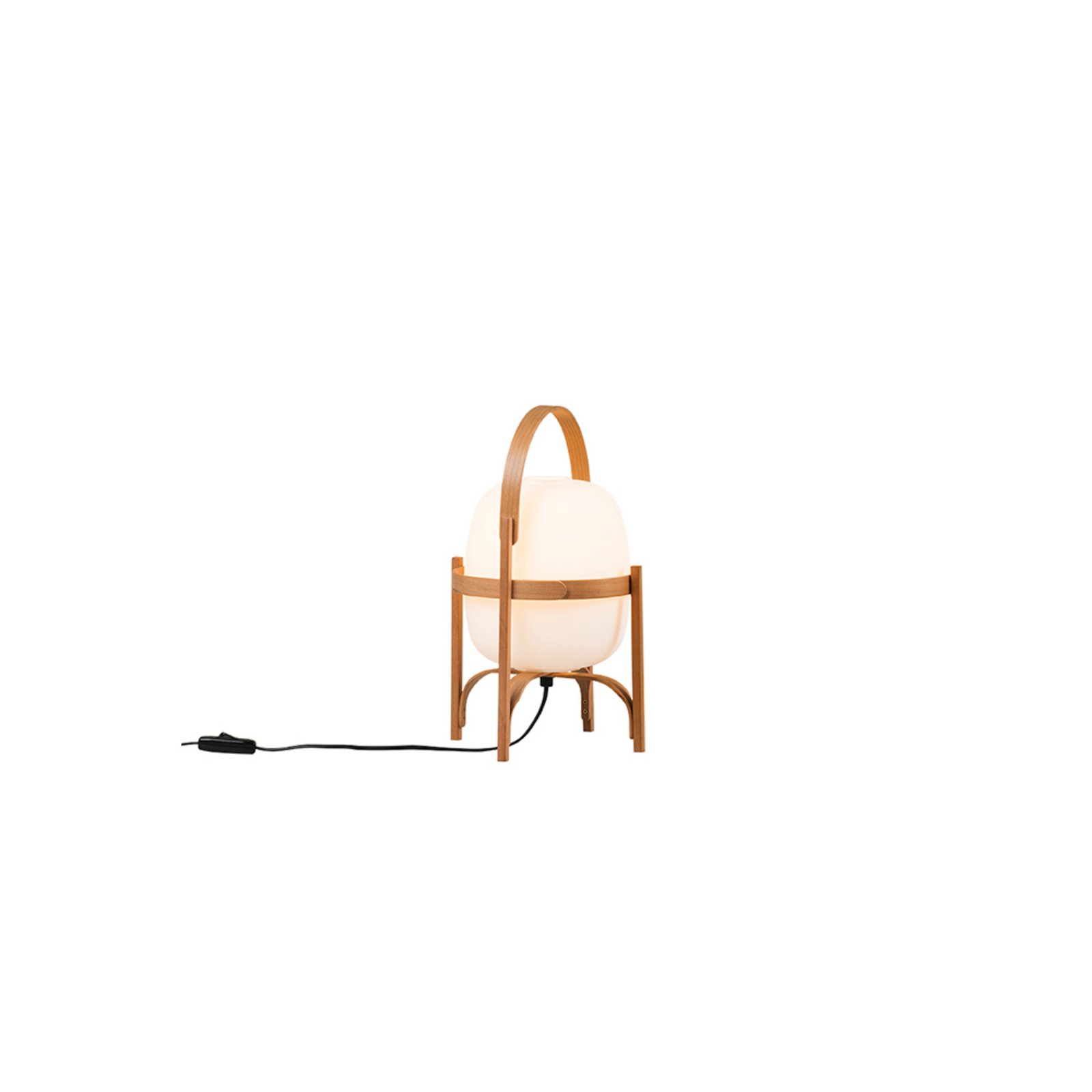
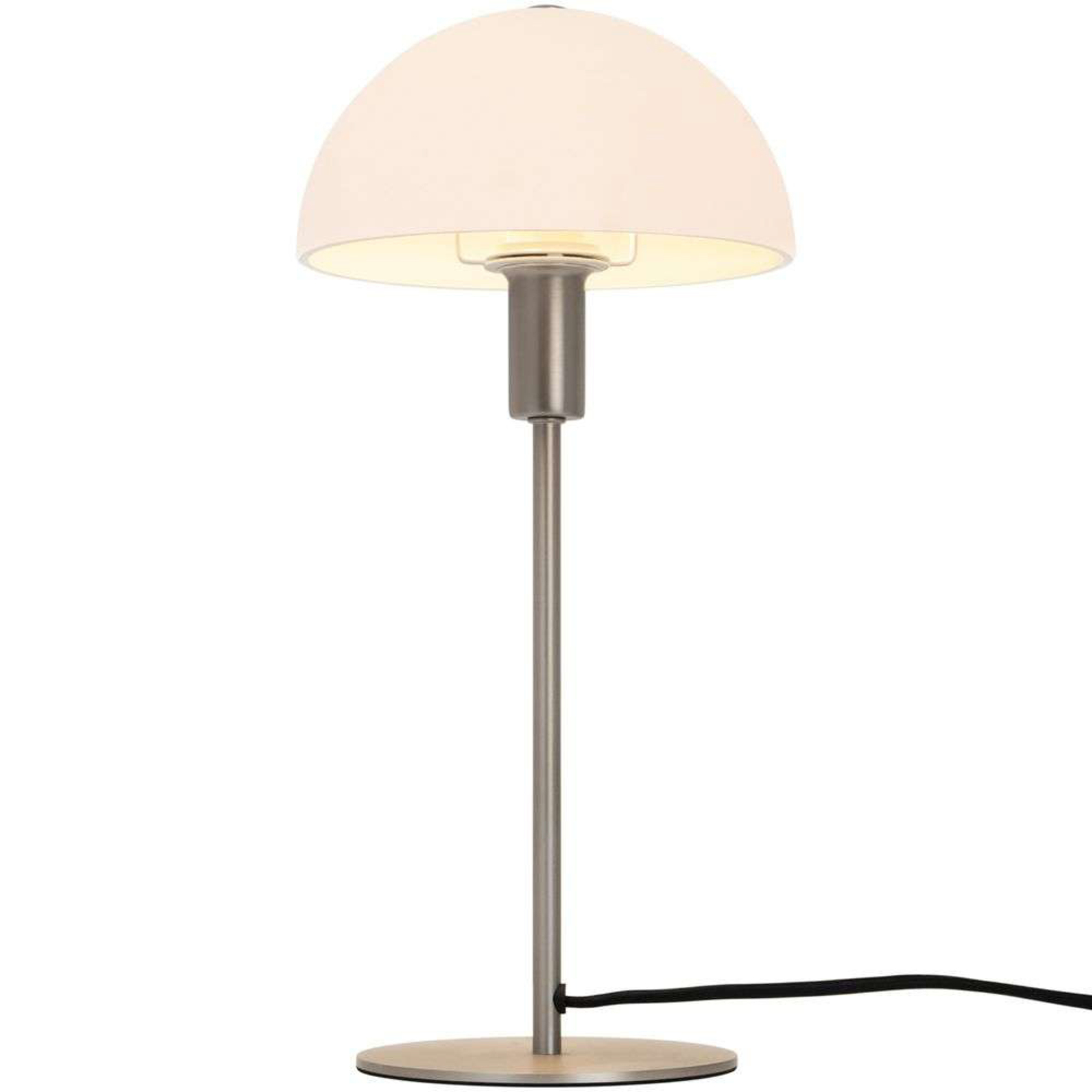
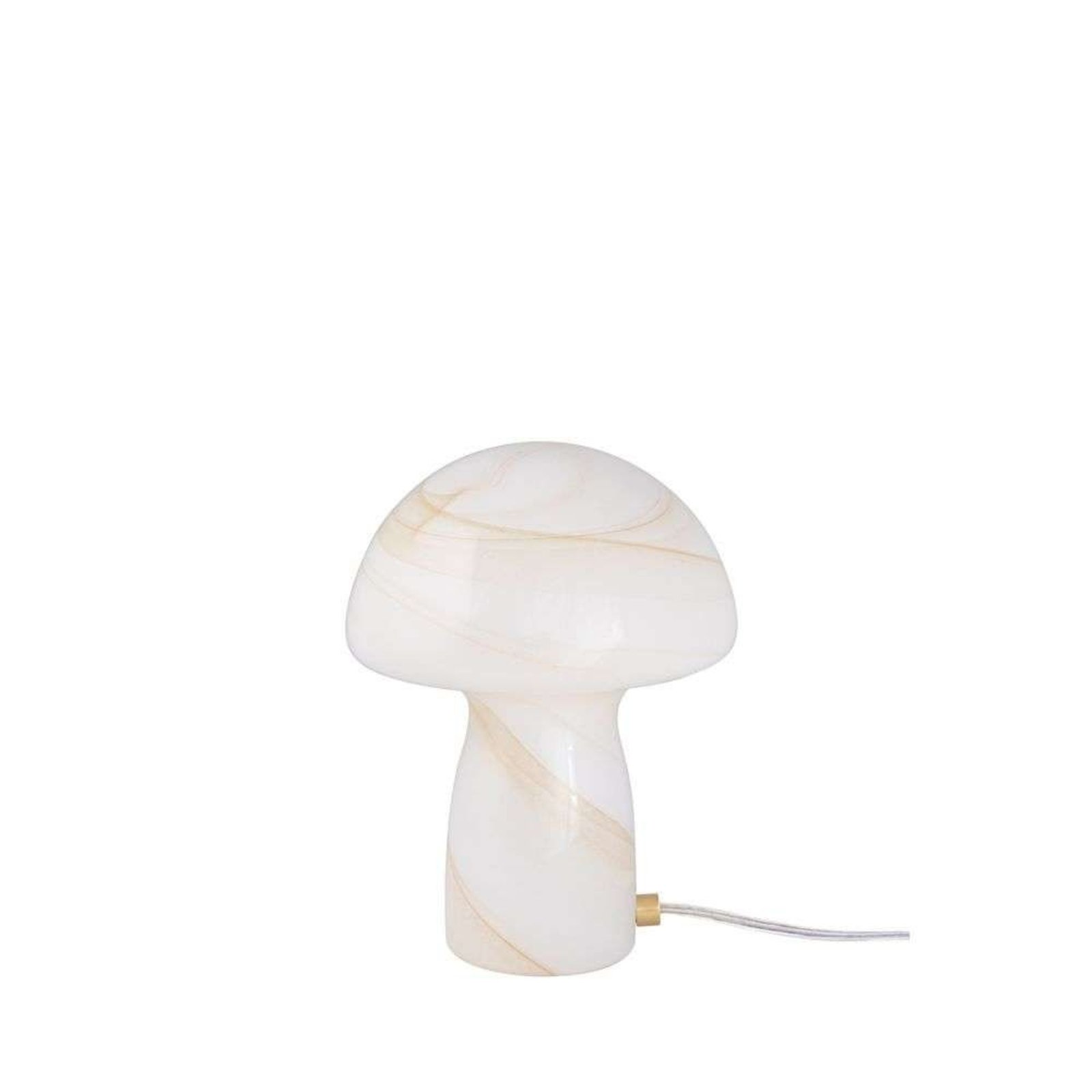
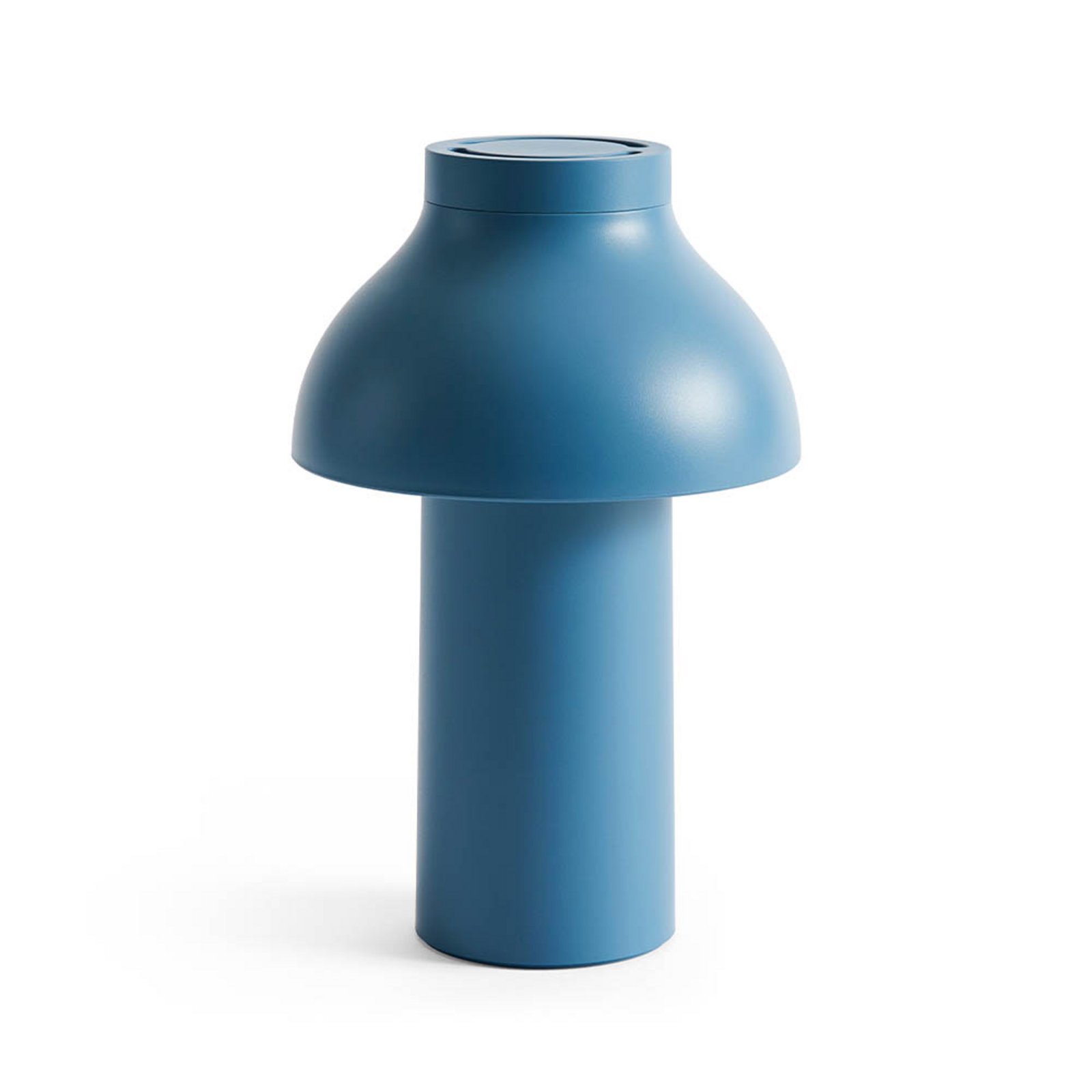
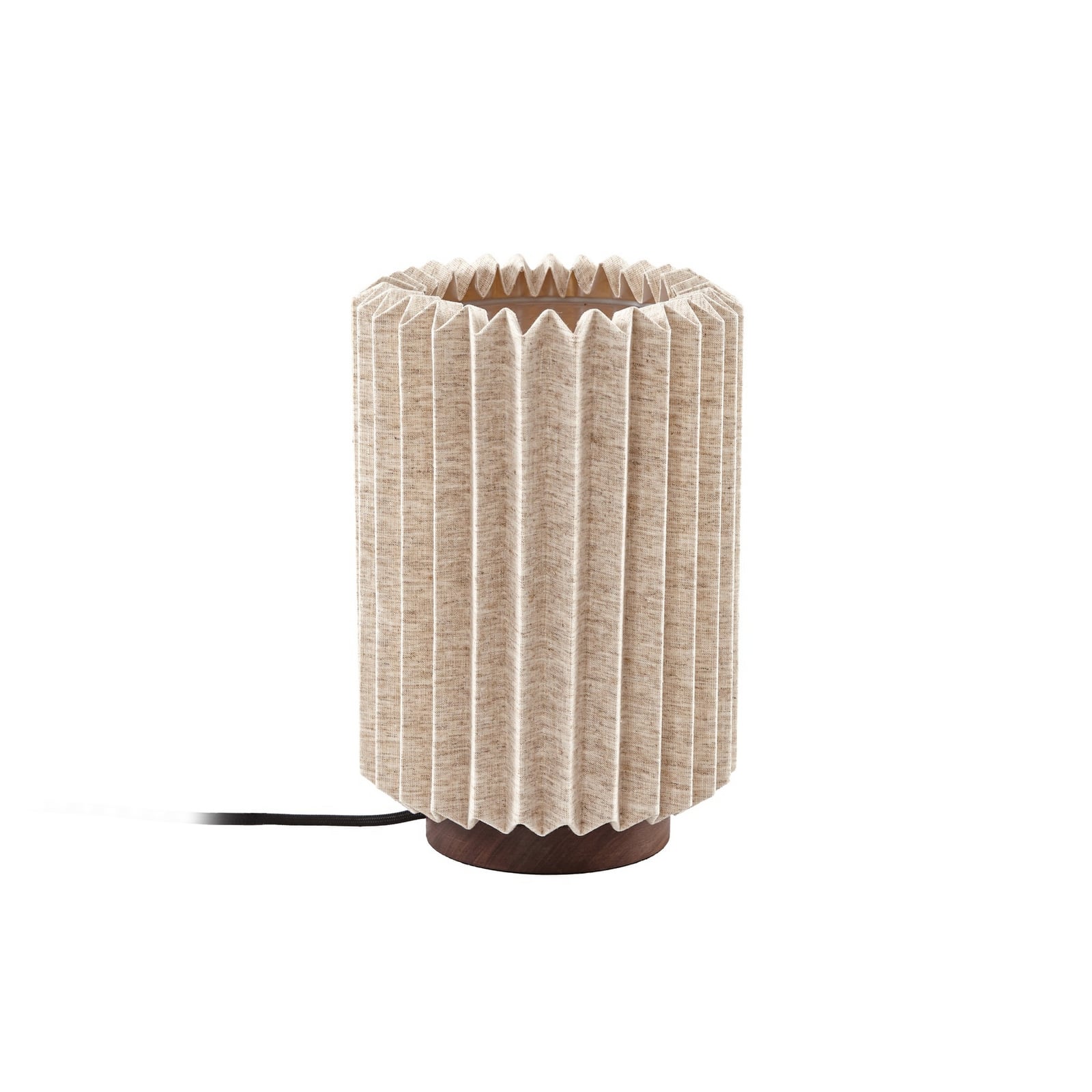
Materials play a key role in determining how a table lamp is perceived. Brass and other metals can look very different depending on whether they have brushed, polished, or matte finishes. Aluminum often lends itself to sleek and precise shapes, while plastic allows for complex curves and vibrant colors. Glass can be transparent, opal, or textured, which affects how clearly the light source remains visible.
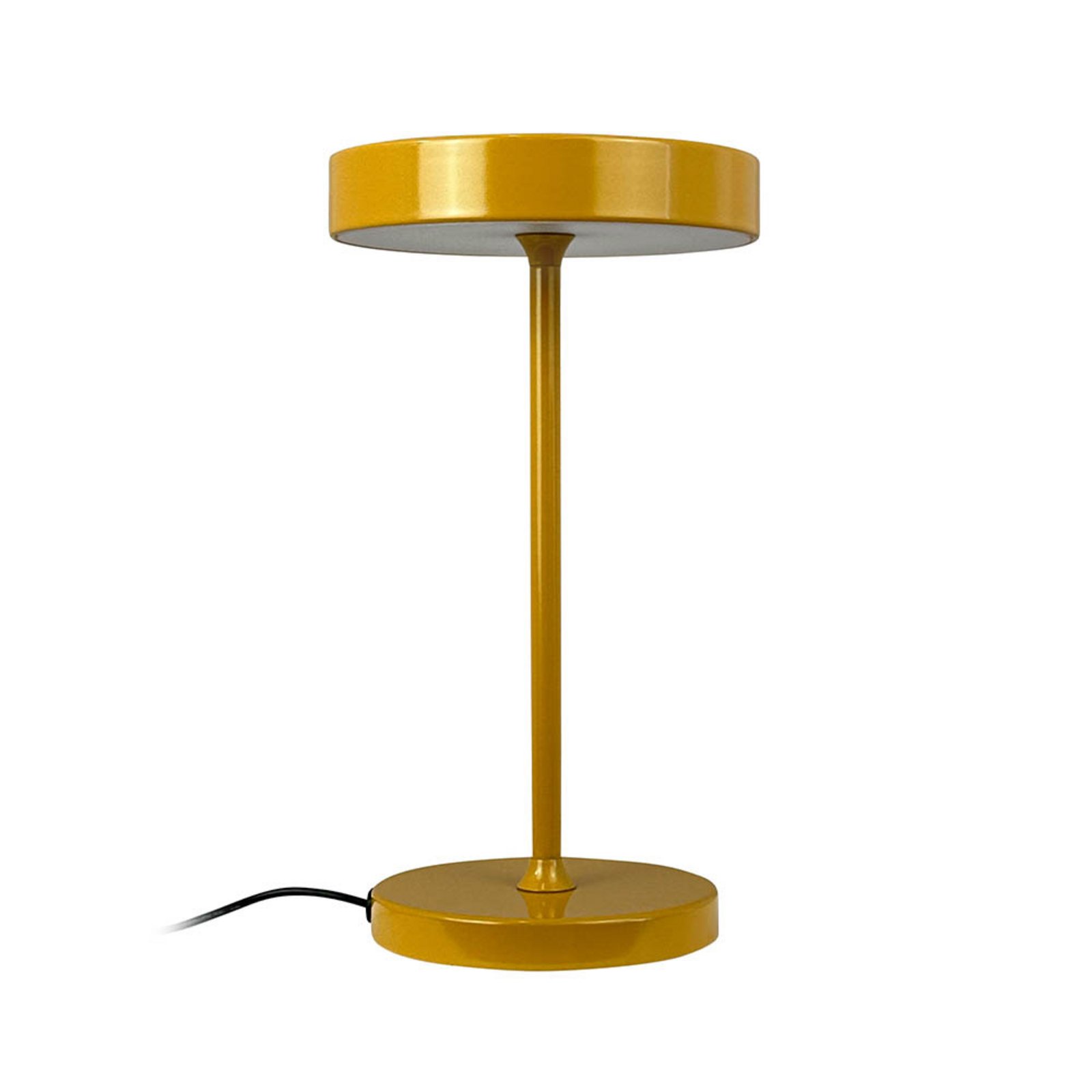
The umbrella also serves both a design and a functional purpose. A solid metal shade directs the light precisely, while an opal glass shade creates a more even brightness. Wide, flat umbrellas emphasize horizontal lines. Narrow or elongated shapes emphasize vertical lines. The base also affects stability and the relationship between the light fixture and its footprint. The quality of a designer table lamp cannot be judged solely by its material. Clean transitions, sturdy connections, and a finish that complements the design are also specific selection criteria. The color and texture should be coordinated with furniture, textiles, and other interior lighting, without all elements having to look identical.
Table lamps perfect for the living room, bedroom, and home office
In the living room, table lamps often complement the ceiling lighting. Placed on a side table, they can complement the seating area, while a model placed on the sideboard creates a softer lighting zone at the edge of the room. The light fixture should blend harmoniously into the arrangement of furniture, pictures, and decorative objects. A model that is too small will appear very small in a spacious setting, while a large, expansive design may compete with other elements on the piece of furniture.
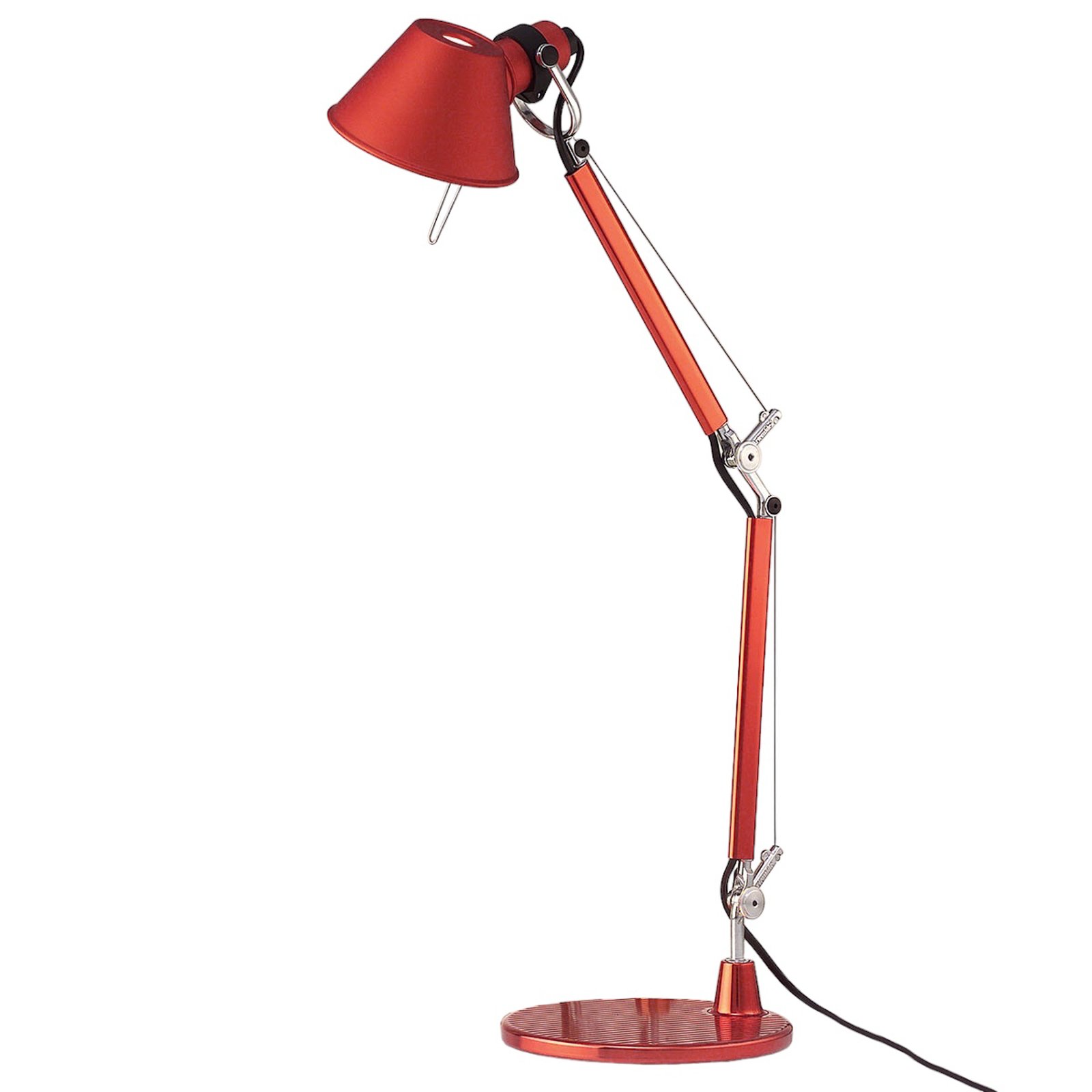
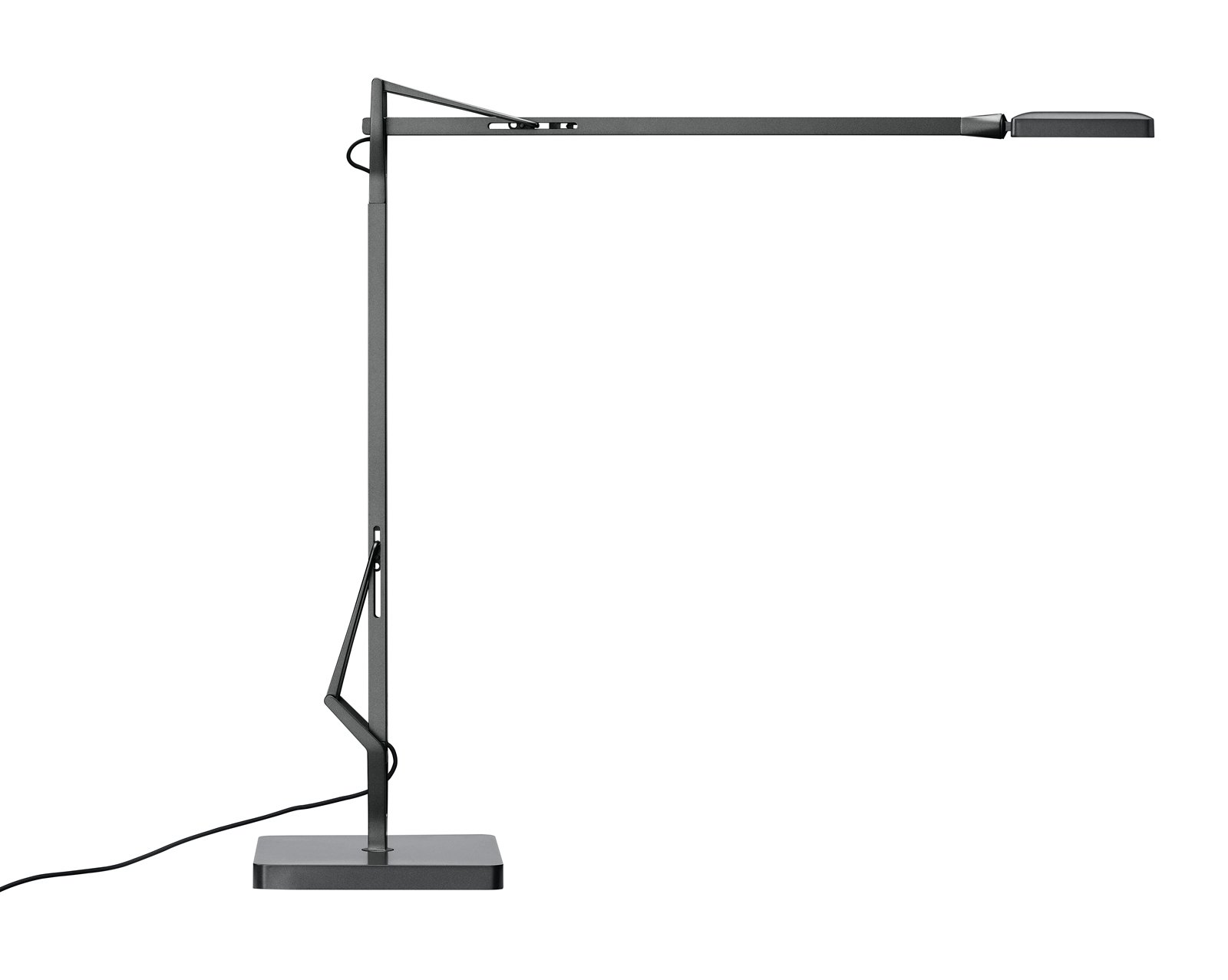
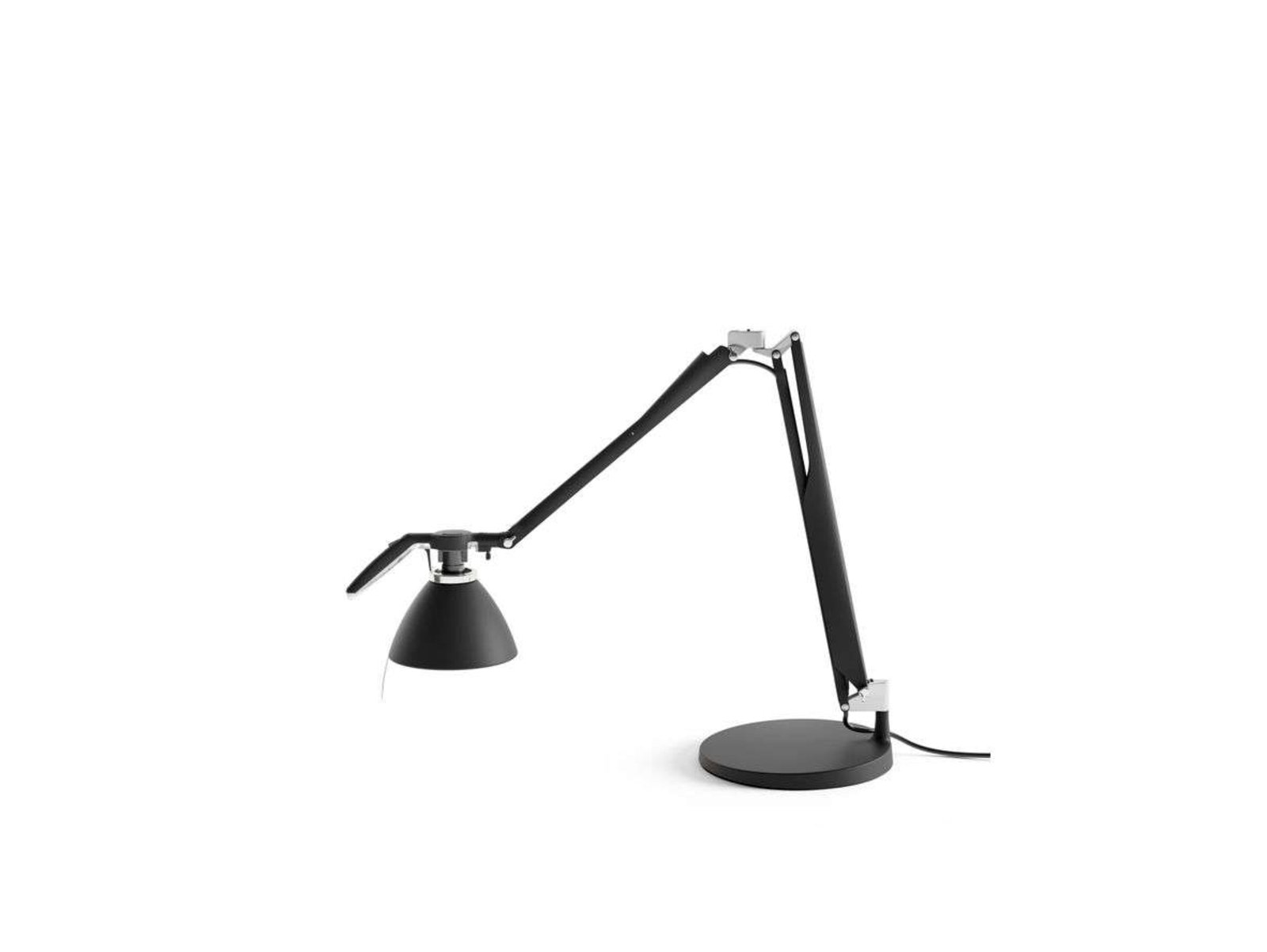
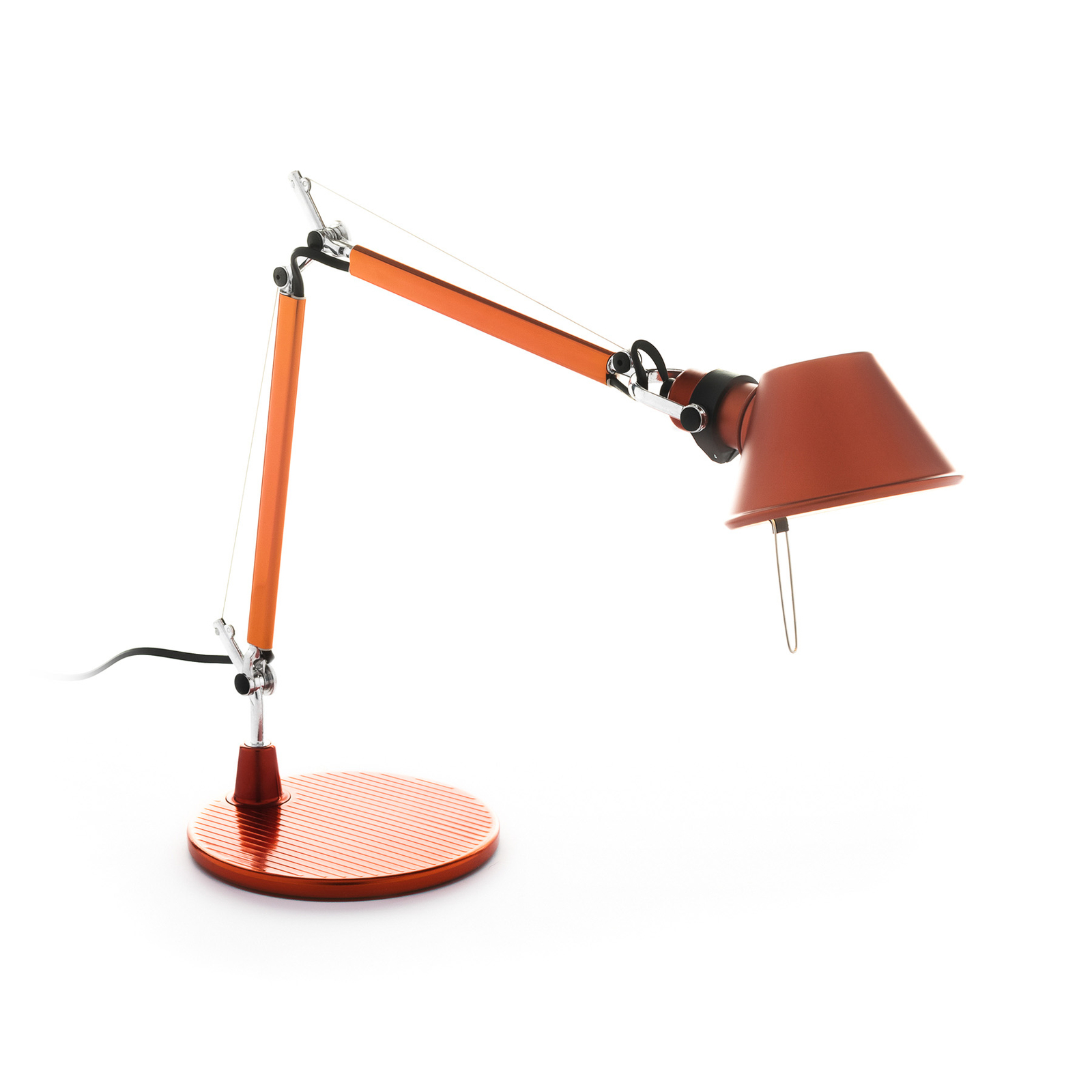
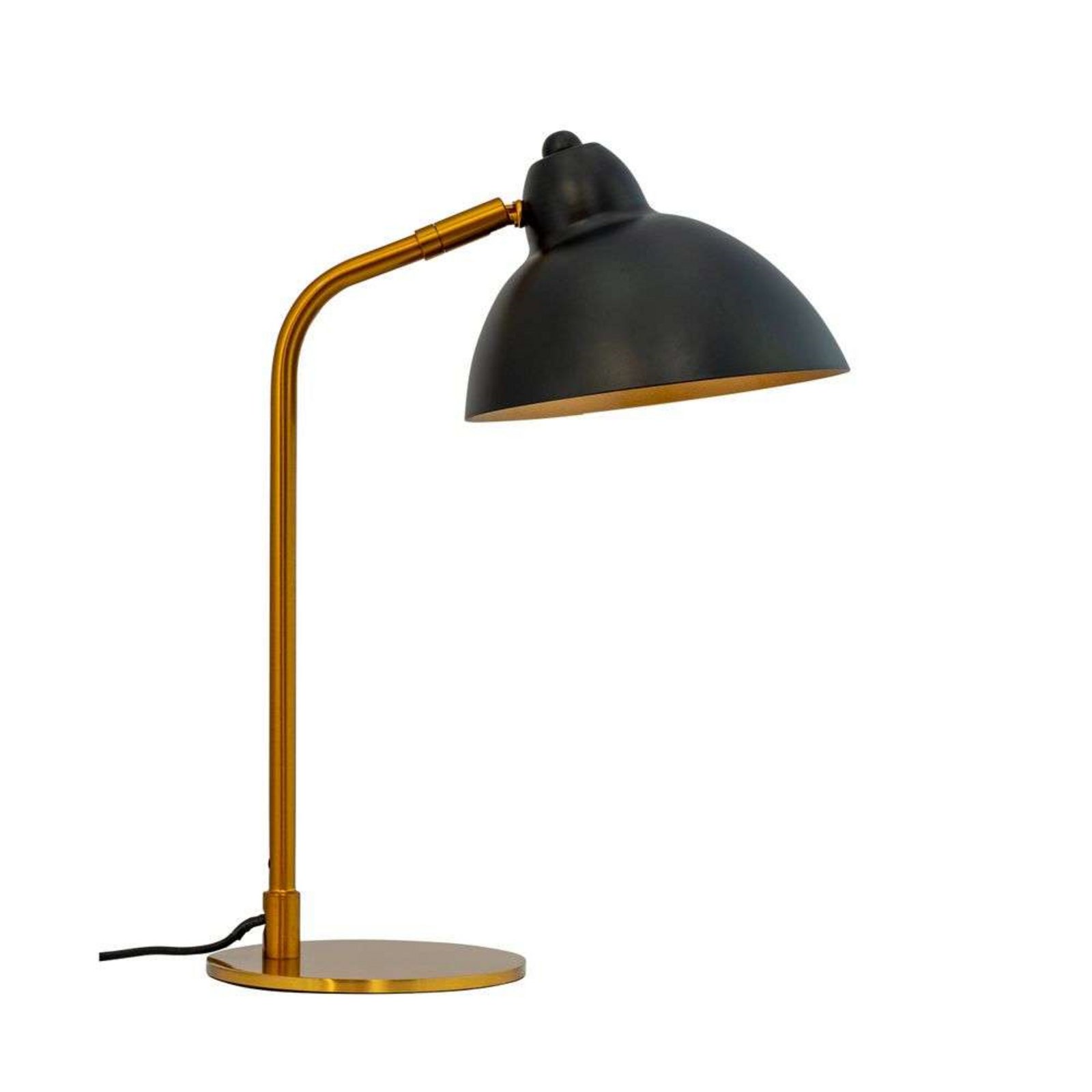
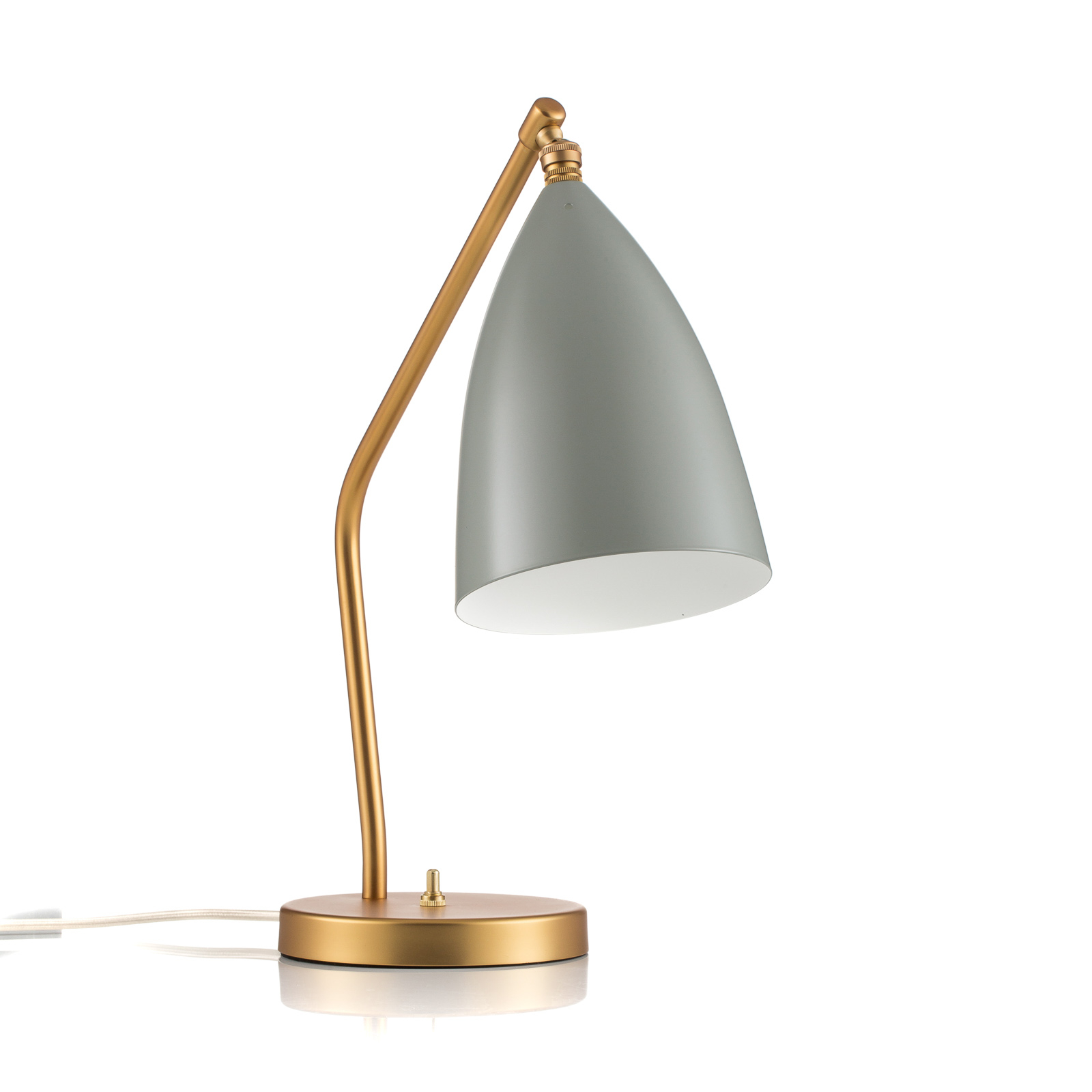
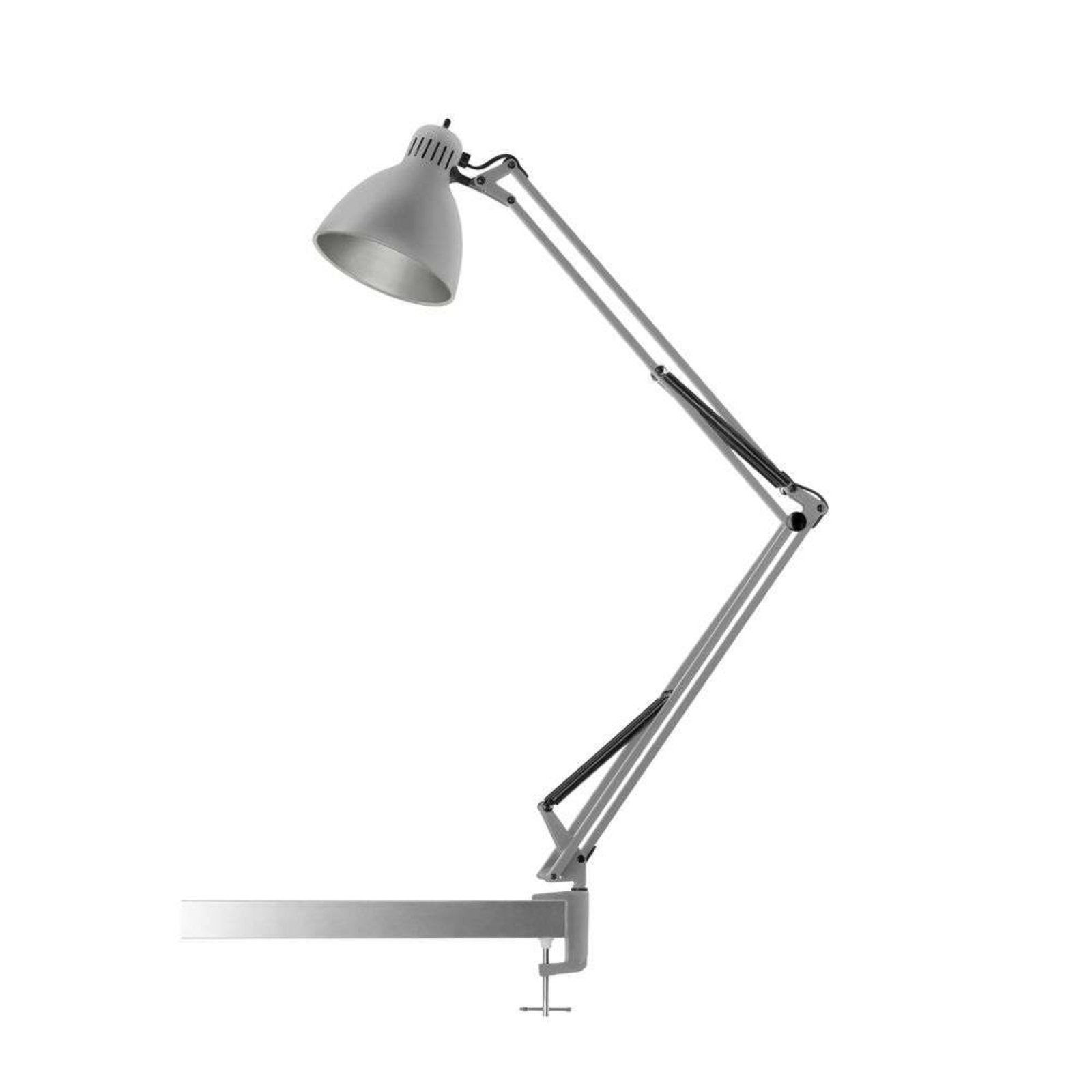
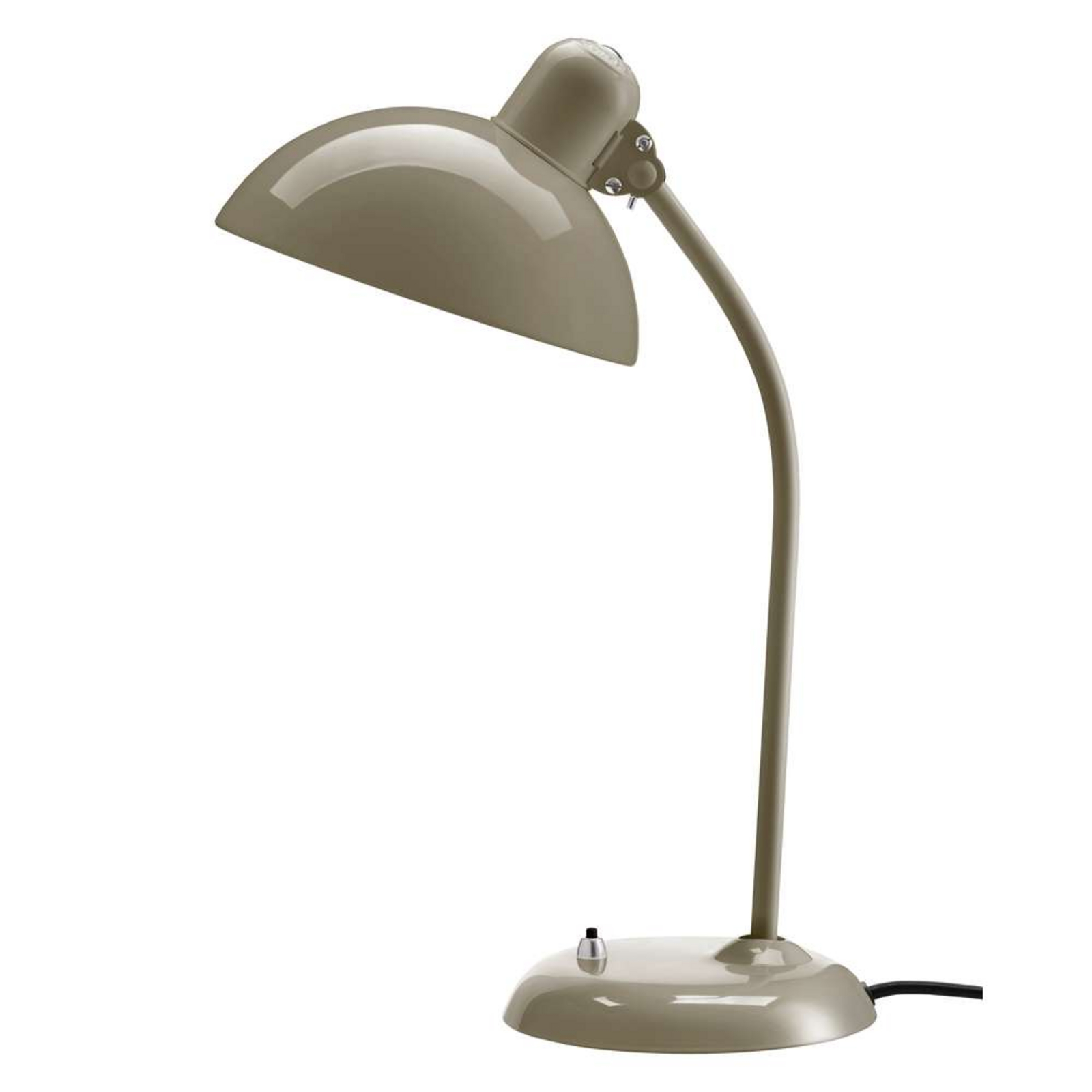
When choosing a bedside lamp, key selection criteria include controls that are easy to reach and a light source that doesn't directly dazzle you when you're lying down. A compact canopy and intuitive controls make it easy to use at the bedside. In the study, the light fixture should provide sufficient illumination for the required area. Desk lamps with an adjustable arm or swivel head can be aimed more precisely at documents, a keyboard, or reading material. In every application, it is not only the style but also the actual position of the light source that determines comfort and usability.
Proportions, lighting comfort, and flexible control options
The right size depends on the relationship between the light fixture, the furniture, and the available space. Large models require sufficient clear space so that the shade, base, and light output are not obstructed by walls, shelves, or other objects. Compact models are better suited for narrow consoles or small shelves. The height of the shade determines whether the light remains below eye level or becomes directly visible. When designing a seating or reading area, the height of the shade, the position of the light source, and the eye level should all be taken into account.
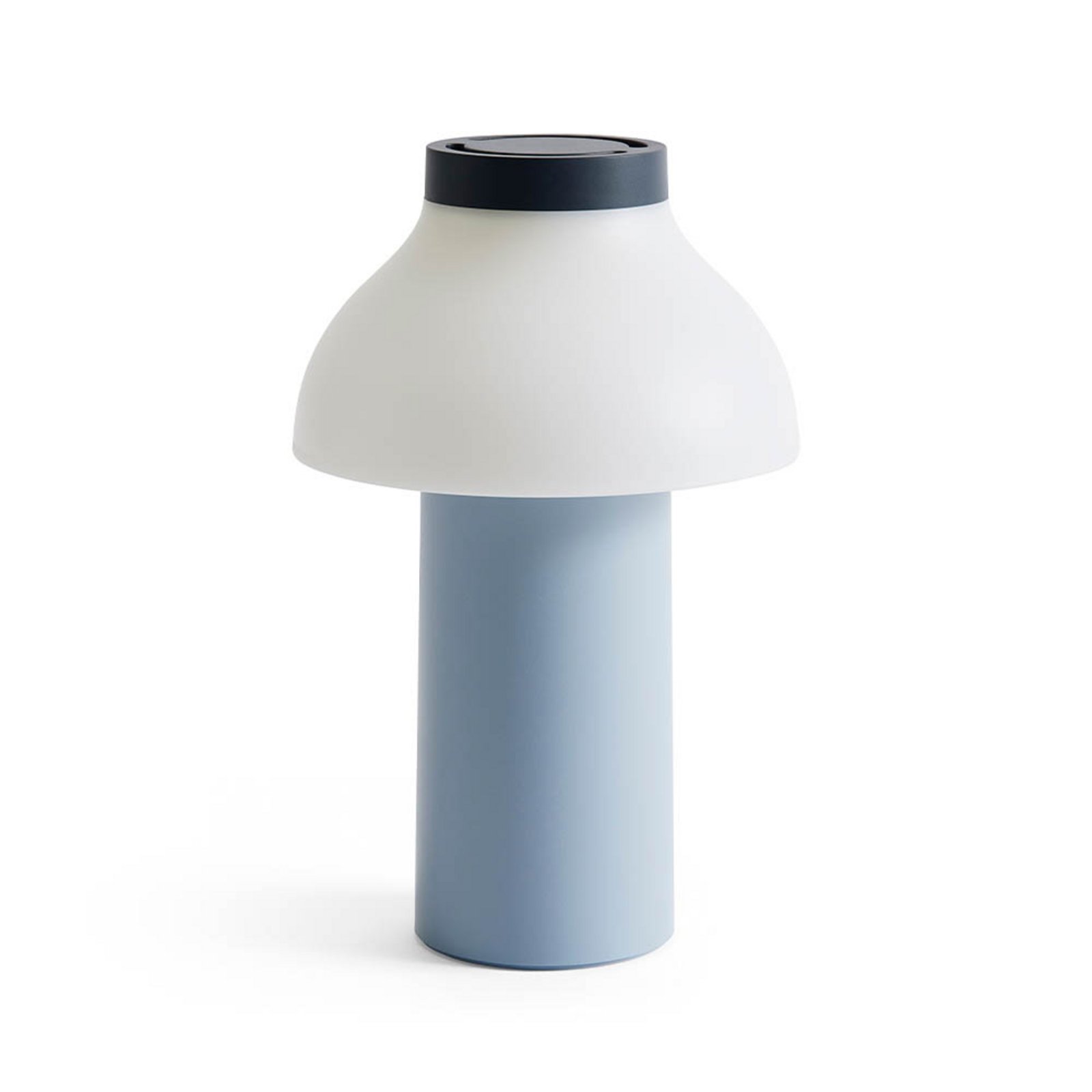
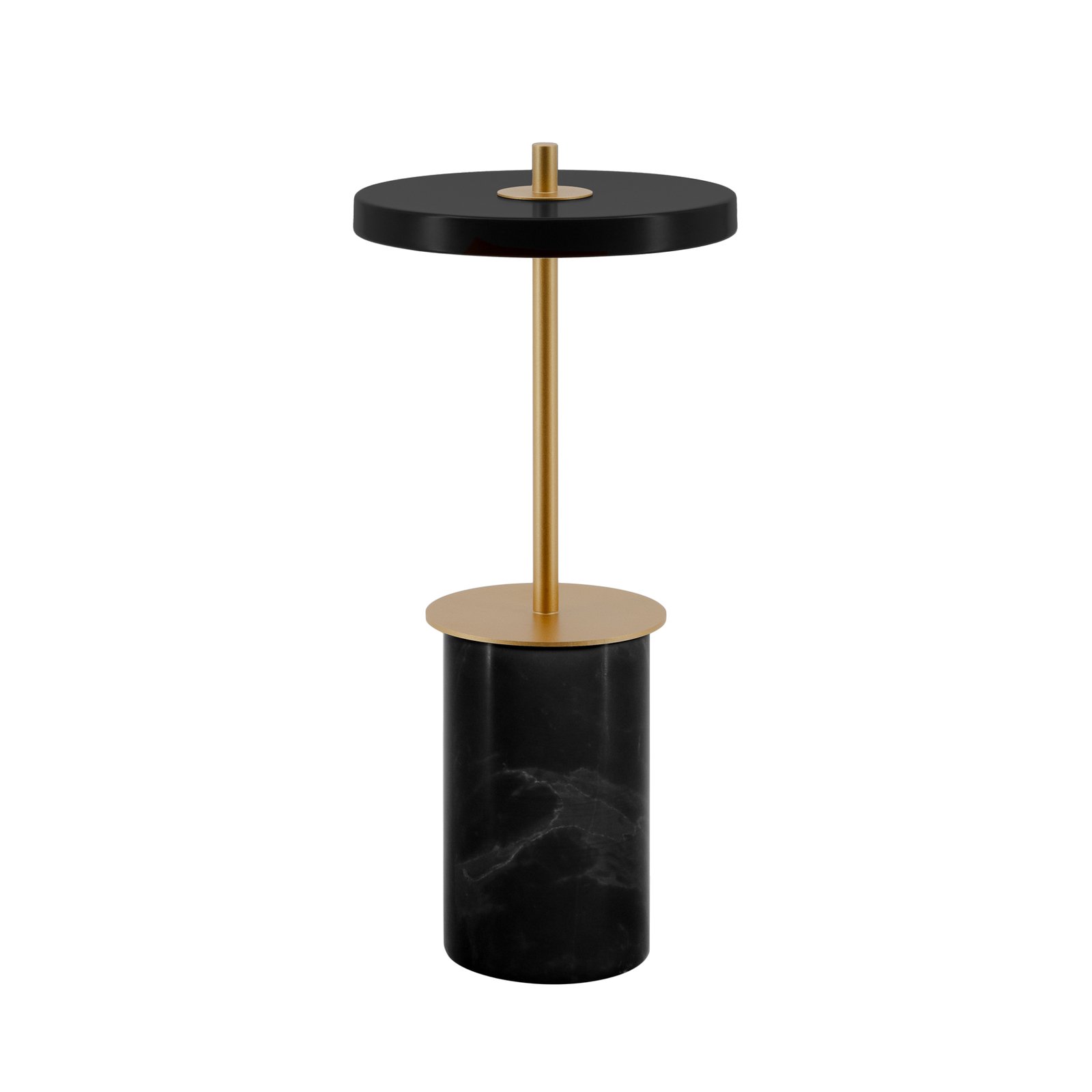
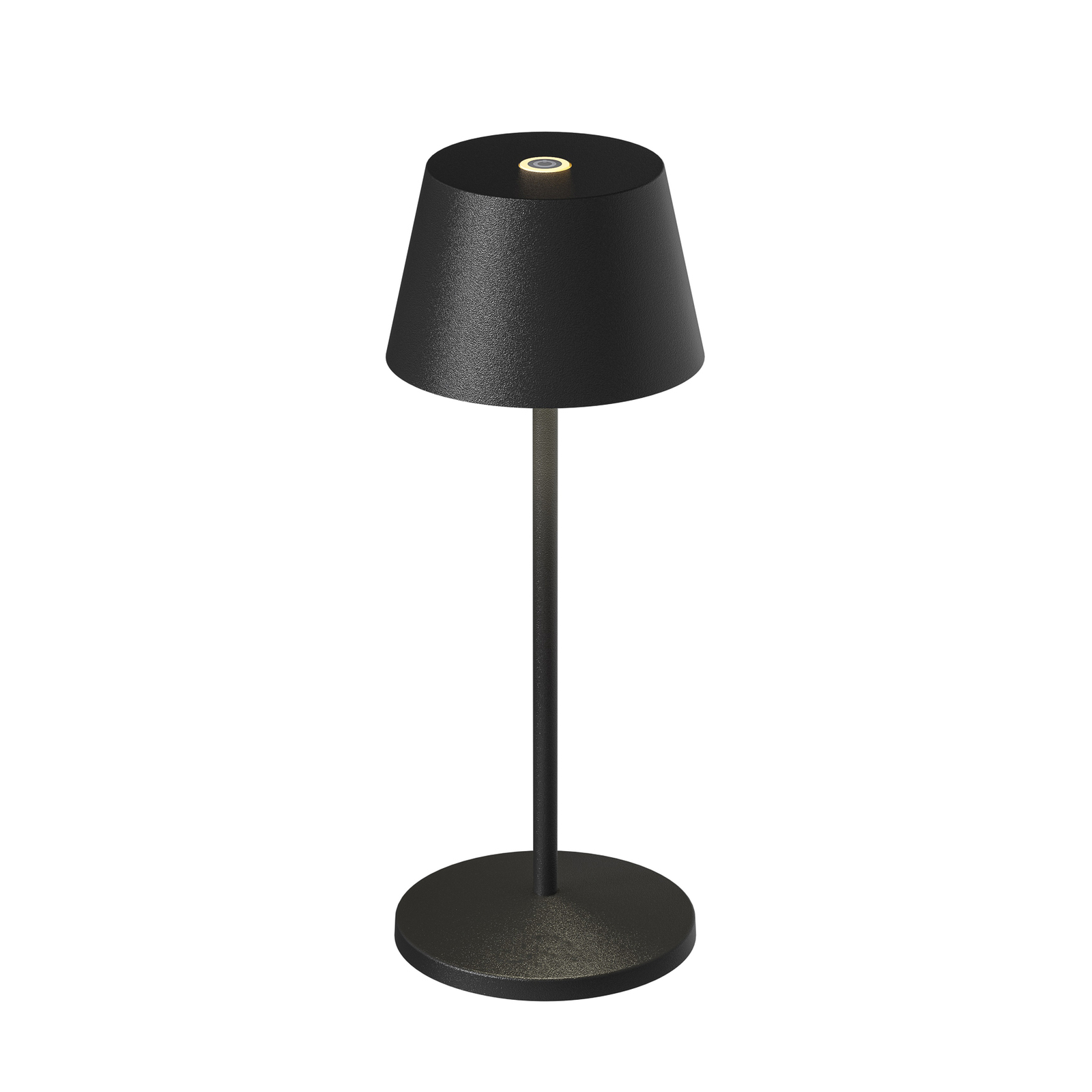
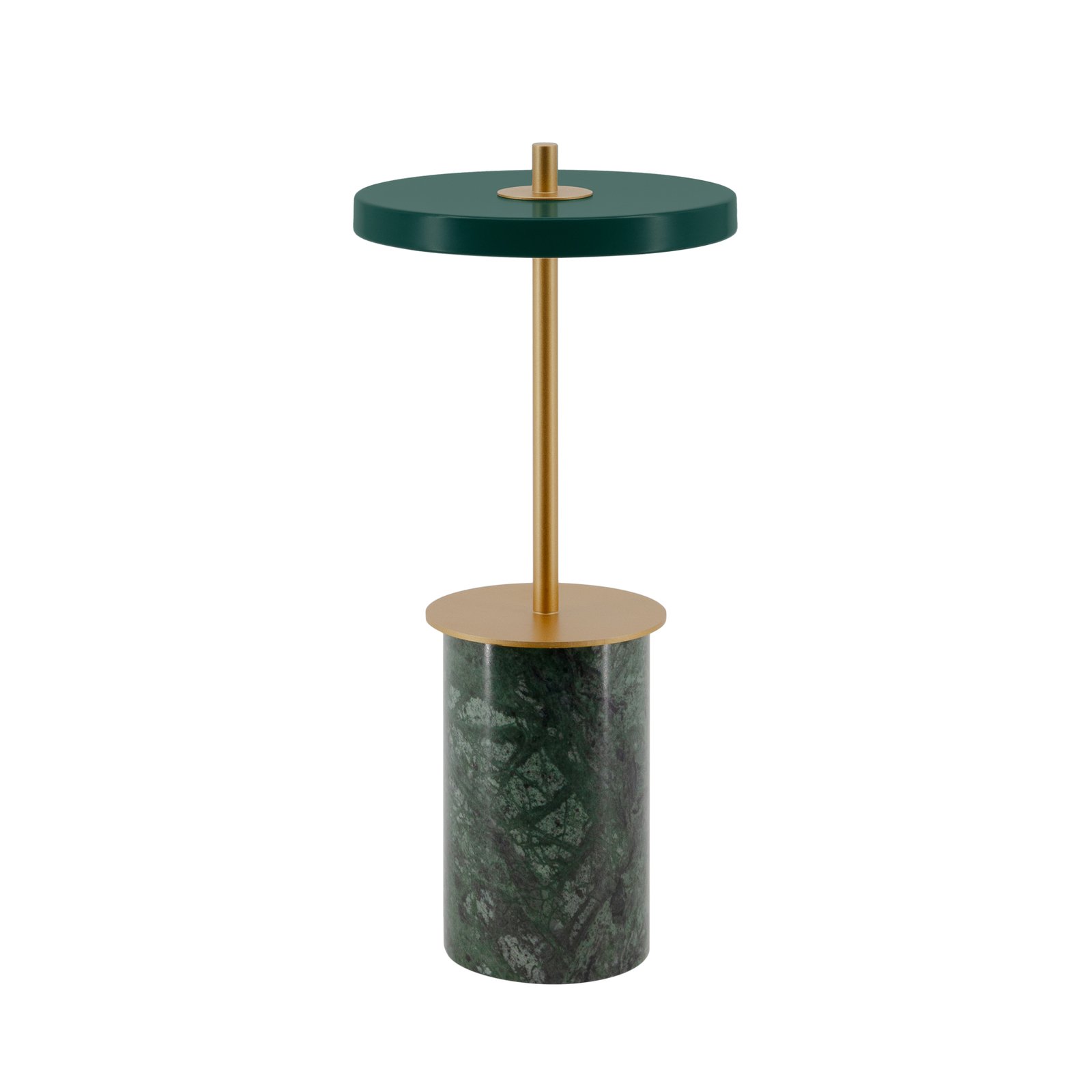
Dimmable models allow you to adjust the brightness to suit different situations. Warm white light helps create a calm, cozy atmosphere, while neutral white light can promote clearer perception during tasks that require concentration. An LED table lamp can be equipped with built-in lighting components or with a replaceable light source. The choice between a permanently installed LED and a replaceable light source should be based on maintenance requirements, the desired design, and future flexibility. Wired models are suitable for fixed locations. A cordless, rechargeable table lamp, on the other hand, can be placed anywhere and can also be used in places where there is no power outlet within easy reach. Switches, touch dimmers, and other controls should be conveniently accessible and intuitive to use at their designated locations.
Table lamps from select brands and timeless design classics
The collection at Lampemesteren.com features stylish table lamps from renowned design brands. These include, for example, current collections from Louis Poulsen, Artemide, Foscarini, and Kartell, as well as well-known design classics from &Tradition, including the Flowerpot series. The selection ranges from understated lamps with clean lines to striking designs that add a deliberate decorative touch to nightstands or desks.
A variety of design traditions, materials, and lighting concepts open up a wide range of possibilities for matching a table lamp to your personal interior design style and the desired effect in the room. In addition to timeless designs, the collection also includes contemporary models that combine new technologies and flexible usage options with high design standards. For example, Lampemesteren.com offers high-quality table lamps that are just as impressive as functional light sources as they are as enduring elements of a sophisticated interior design.
© 2026 Lampemesteren GmbH